
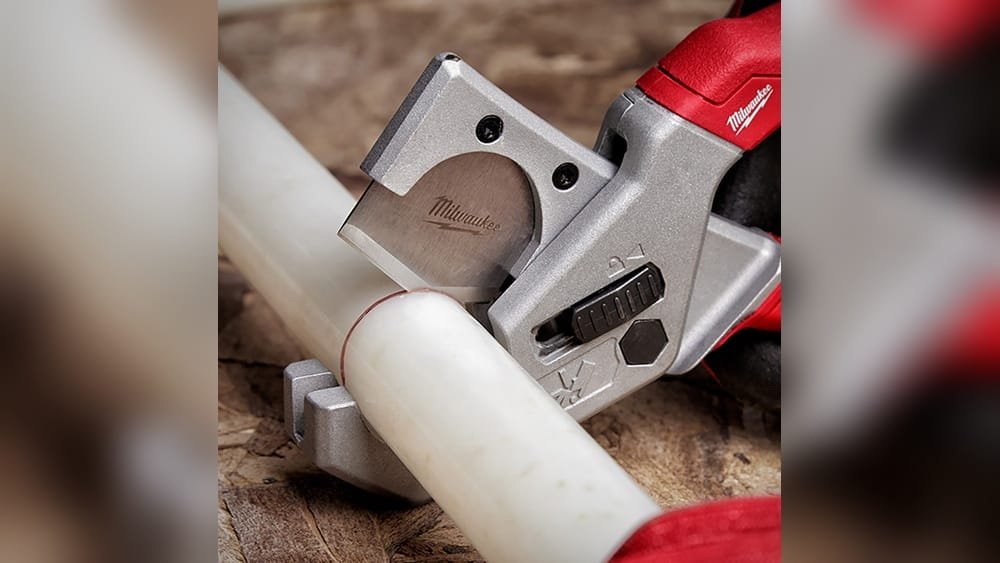
Cutting galvanized pipe can feel tricky if you haven’t done it before. When I first tried, I wasn’t sure which tool was best. I had heard about pipe cutters, but I wondered—can you cut galvanized pipe with a pipe cutter?
I want to walk you through what I learned, the mistakes I made, and what finally worked for me. If you’re about to tackle a plumbing job or a DIY project with galvanized pipes, this guide should make things much easier.
What Is Galvanized Pipe?
Let’s start with the basics. Galvanized pipe is steel pipe coated with a thin layer of zinc. This coating helps stop rust and corrosion. You usually find these pipes in older homes, especially for water lines. They’re strong but can be tough to cut.
I remember the first time I held a piece of galvanized pipe. It felt heavy and solid, not like the copper or plastic pipes I’d used before. That’s because galvanized pipes are made to last, but that also means they’re not the easiest to slice through.
What Is A Pipe Cutter?
A pipe cutter is a handy tool made just for cutting pipes. There are different types, but the main idea is the same. You clamp the cutter around the pipe, tighten it, and then spin it around. A cutting wheel presses into the pipe until it slices through.
I used to think a hacksaw was all I needed. But after using a pipe cutter for the first time, I noticed how clean the cut was and how little effort it took. This tool can be a game-changer—if you use the right kind.
Can You Cut Galvanized Pipe With A Pipe Cutter?
So, here’s the big question. Can you use a pipe cutter on galvanized pipe? The short answer is: yes, but it depends. I learned this the hard way.
When I tried a small pipe cutter (the kind made for copper or thin pipes), it barely scratched the surface. The cutting wheel just spun and spun. But once I switched to a heavy-duty pipe cutter, things changed. The right tool made all the difference.
Why The Type Of Pipe Cutter Matters
Not all pipe cutters are equal. Some are made for soft pipes, like copper or PVC. Galvanized steel is much harder. You need a pipe cutter with a strong, sharp cutting wheel—ideally one designed for steel.
Here’s a quick comparison that helped me choose:
| Type of Pipe Cutter | Works on Galvanized Pipe? | Best For |
|---|---|---|
| Standard pipe cutter | No | Copper, PVC |
| Heavy-duty steel pipe cutter | Yes | Galvanized, Black Steel |
| Hacksaw | Yes (but slow) | All types |
| Reciprocating saw | Yes | Thick pipes, fast cuts |
From my experience, if you want a clean and easy cut, invest in a heavy-duty steel pipe cutter. They cost more, but they save time and effort.
Step-by-step: How I Cut Galvanized Pipe With A Pipe Cutter
Let me walk you through how I did it. I made a few mistakes at first, but after some trial and error, I found a method that worked every time.
1. Choose The Right Cutter
I tried a few different pipe cutters. The small ones didn’t work. The heavy-duty model, rated for steel pipes up to 2 inches, was a game changer.
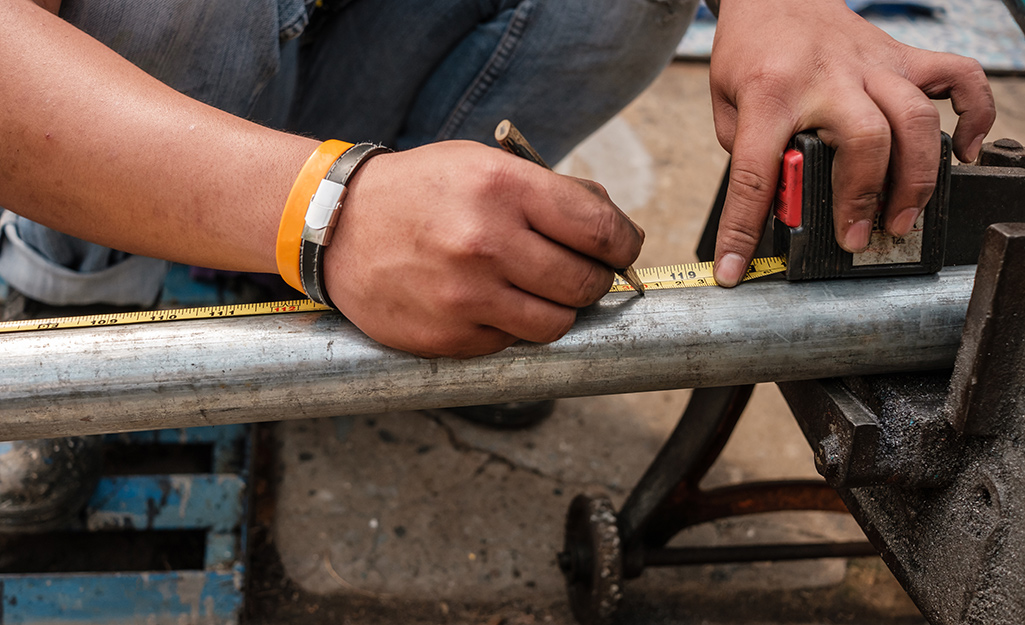
2. Measure And Mark Your Cut
I used a tape measure and a marker to mark where I wanted to cut. Precision matters, especially if you need to thread the pipe later.
3. Secure The Pipe
If the pipe is loose, it’s tough to cut. I clamped the pipe in a vise. This kept it steady and made the cutting much safer.
4. Position The Pipe Cutter
I opened the jaws of the pipe cutter, slipped it over the pipe, and lined up the cutting wheel with my mark.
5. Tighten And Rotate
Here’s where patience helps. I tightened the knob so the cutting wheel touched the pipe. Then I started rotating the cutter around the pipe. After every few turns, I tightened the knob a little more.
This part takes some time. With galvanized pipe, you need to go slow and steady. Rushing can dull the wheel or give you a crooked cut.
6. Finish The Cut
After a few minutes, I heard a little “pop” and the pipe separated cleanly. The cut edge was smooth and square—much better than what I got with a hacksaw.
7. Clean Up The Edge
Galvanized pipes can leave a sharp edge or a burr inside. I used a deburring tool to smooth it out. This step is important if you’ll be threading the pipe or connecting it to fittings.
Tips For Success (from My Mistakes)
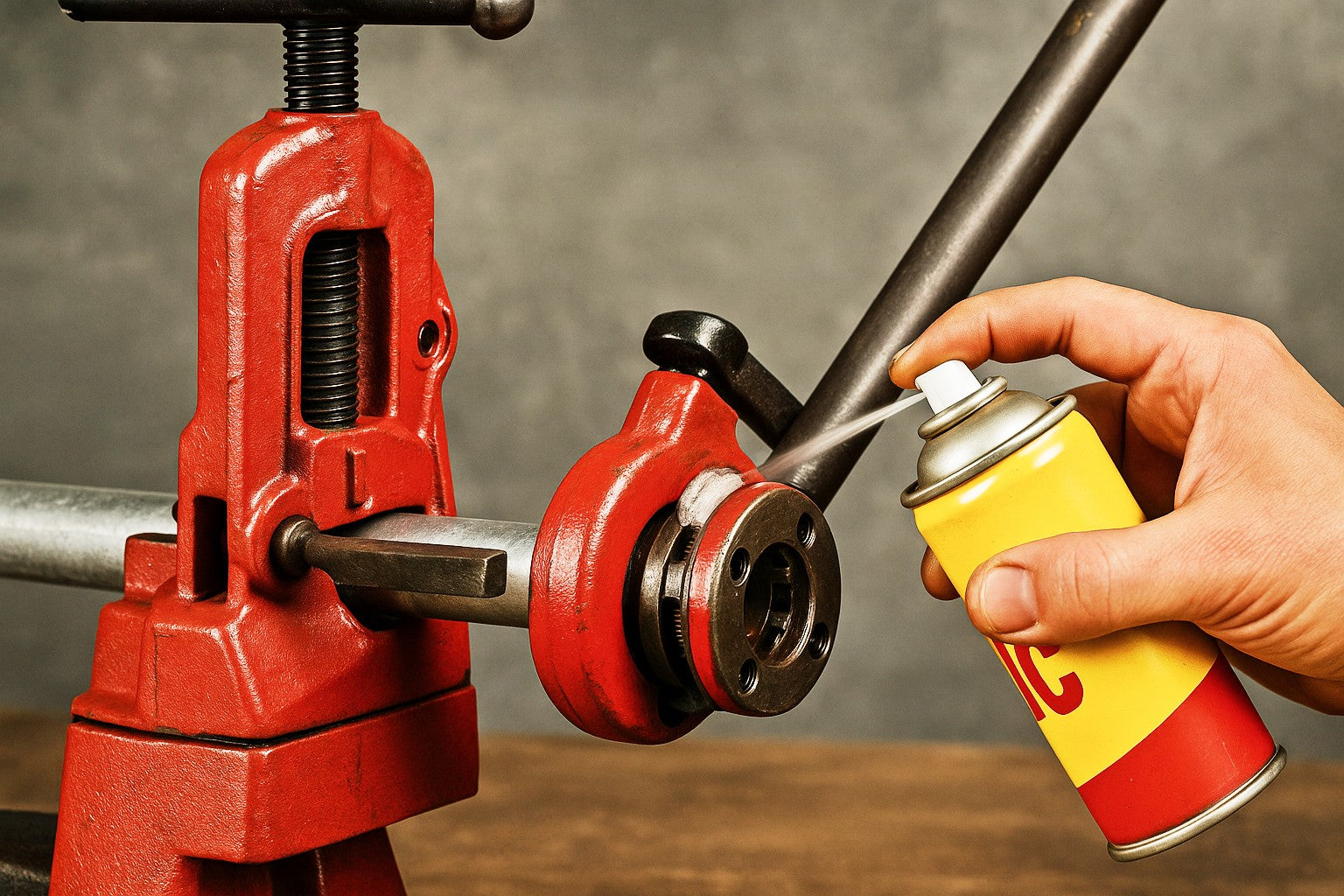
- Use oil: Cutting steel creates friction. I learned to drip a little oil on the wheel and pipe before starting. It made the cut smoother and protected the tool.
- Don’t rush: Trying to cut too fast can break the wheel. Slow and steady wins here.
- Check your wheel: After a few cuts, my cutter’s wheel got dull. Replacing it made a huge difference.
When A Pipe Cutter Isn’t Enough
There were times when the pipe was so old or rusty that even my heavy-duty cutter struggled. If you can’t get the pipe cutter to bite, you might need a reciprocating saw or an angle grinder.
These power tools cut fast but leave a rougher edge. They also make a lot of sparks and noise, so wear goggles and gloves.
Here’s how the different methods stack up for galvanized pipe:
| Cutting Tool | Speed | Cut Quality | Noise | Skill Needed |
|---|---|---|---|---|
| Pipe cutter | Medium | Very clean | Low | Beginner |
| Hacksaw | Slow | Rough | Low | Beginner |
| Reciprocating saw | Fast | Rough | High | Intermediate |
| Angle grinder | Very fast | Medium | Very high | Advanced |
If you want a neat finish, stick with the pipe cutter. If you’re in a hurry or the pipe is stuck, power tools can help.

Safety Tips You Don’t Want To Skip
I wish someone had warned me about these! Cutting galvanized pipe can be risky if you don’t take precautions.
- Wear safety glasses: Tiny metal bits can fly off and hurt your eyes.
- Wear gloves: The cut edges are sharp.
- Work in a well-ventilated area: Cutting can create dust and fumes.
- Clamp the pipe: Never hold the pipe with your hand while cutting.
Common Mistakes And How To Avoid Them
I made a few mistakes early on that cost me time and effort.
- Using the wrong tool: My first try with a copper pipe cutter was a waste of time.
- Not securing the pipe: The pipe spun and the cut was crooked.
- Skipping oil: Without oil, the cutter got stuck and the pipe heated up.
- Forgetting to deburr: The inside edge was sharp and hard to thread.
- Rushing the cut: I cracked a cutting wheel by tightening too much, too fast.
Learning from these mistakes made each job after that much smoother.
Is It Worth Buying A Pipe Cutter For One Job?
If you only need to cut one or two pipes, you might wonder if it’s worth buying a special cutter. Here’s my honest take:
- If you want a clean, easy cut and plan to do more plumbing in the future, buy a heavy-duty pipe cutter.
- If it’s a one-time job, you can rent one from many hardware stores.
- If you’re in a pinch, a hacksaw will work, but expect a rough edge.
I bought my cutter for a home project, but now I use it all the time. It was money well spent.
Pipe Cutter Vs. Other Cutting Tools: My Experience
I’ve tried almost every cutting tool out there. Here’s what stood out to me.
- Pipe cutter: Best for clean, straight cuts. Great for tight spaces.
- Hacksaw: Cheap and simple. But slow and leaves a rough edge.
- Reciprocating saw: Fast but messy. Hard to keep the cut straight.
- Angle grinder: Only for thick, rusty pipes. Sparks and noise are a pain.
So, if you want a neat, professional result, a pipe cutter is the way to go.
The Two Insights Most Beginners Miss
Here are two things I wish I’d known from the start:
- The pipe wall thickness matters. Some galvanized pipes are thicker than others. Make sure your pipe cutter is rated for the pipe’s wall thickness, not just the diameter.
- Old pipes can be brittle. Galvanized pipes get more brittle with age. If you feel resistance or hear cracking, stop and check the pipe. Forcing the cut can damage nearby pipes or fittings.
Final Thoughts
Cutting galvanized pipe with a pipe cutter is possible, but only if you use the right tool and the right technique. I learned that patience, good preparation, and a little oil go a long way. If you’re about to try this, take your time and don’t rush the process.
The right approach will give you a clean, safe cut every time.
If you need more details about different pipe cutting tools, you can check out this Wikipedia page for a deeper dive.
Frequently Asked Questions
What Type Of Pipe Cutter Works Best On Galvanized Pipe?
A heavy-duty steel pipe cutter is best. Choose one rated for steel or galvanized pipes, not just copper or plastic.
Can I Use A Regular Pipe Cutter Meant For Copper On Galvanized Pipe?
No, these cutters are not strong enough. They may damage the cutting wheel and won’t cut through galvanized steel.
Is Cutting Galvanized Pipe Dangerous?
It can be if you don’t wear safety gear. Always use safety glasses and gloves. Clamp the pipe before cutting.
What If My Pipe Cutter Won’t Cut The Pipe?
Try oiling the cutter wheel and pipe. If that doesn’t work, use a hacksaw, reciprocating saw, or angle grinder as a backup.
How Do I Get Rid Of Sharp Edges After Cutting?
Use a deburring tool or a round file. This will smooth the edge and make it safe to handle or connect to fittings.
If you’re tackling galvanized pipe, I hope this guide saves you the headaches I had. Good luck with your project!
As an Amazon Associate, We earn from qualifying purchases