
Have you ever stepped into your shower, expecting a relaxing wash, only to find water pooling around your ankles? It happened to me last year, and wow, was it annoying. My shower drain was slow at first, but soon, it was almost completely blocked.
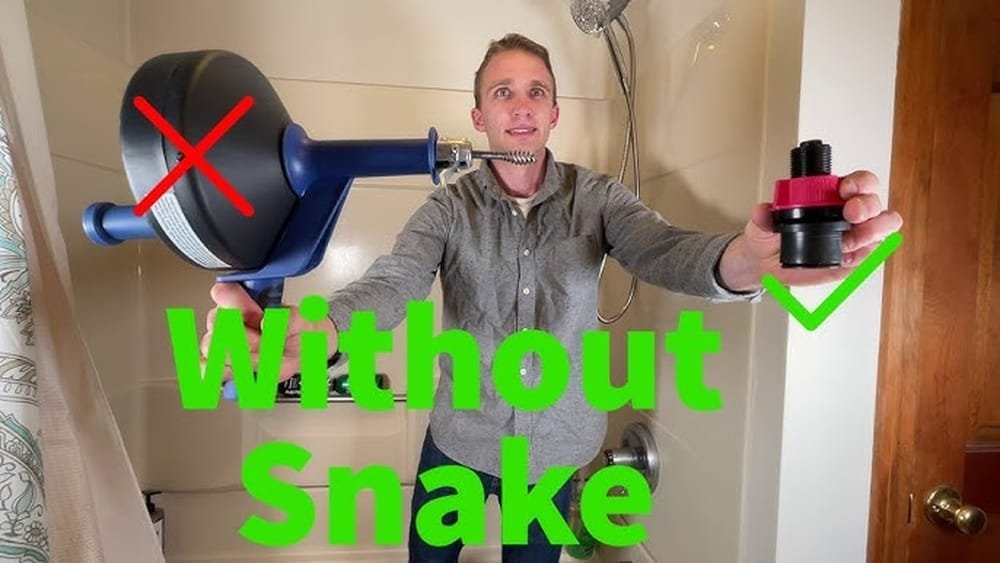
I didn’t have a plumber’s snake, and I wanted to avoid calling a plumber. So, I rolled up my sleeves and tried every trick I could find. Through trial and error—and a couple of wet disasters—I learned how to unclog a shower drain without a snake.
Let me walk you through what worked, what didn’t, and what I wish I knew from the start.
Why Shower Drains Get Clogged
I used to think shower drains just worked forever. Turns out, that’s not true. Most clogs happen because hair and soap scum mix together under the drain cover. Over time, this sticky mess traps more hair, shampoo, and even tiny bits of plastic. Add hard water minerals and you’ve got a real problem.
If you live with others, the problem can get worse. I have long hair, and so does my partner. We found the drain blocked much faster after both of us started shedding hair in the same shower.
Signs Your Shower Drain Is Clogged
In my experience, the first signs are easy to miss. Here’s what I noticed:
- Water draining slowly or pooling at your feet
- Gurgling or bubbling sounds
- A bad smell coming from the drain
- Water backing up after you turn off the shower
If you catch these signs early, you can stop a small clog from becoming a big headache.

Tools And Supplies You’ll Need
Before you start, make sure you have a few common items. I used things from my kitchen and bathroom. Here’s what helped me most:
- Rubber gloves (trust me, you’ll want these)
- Old toothbrush or small scrubbing brush
- Screwdriver (for some drain covers)
- Plastic zip tie or hair removal tool
- Baking soda and vinegar
- Boiling water (from a kettle)
- Wire hanger (straightened out)
- Plunger (small cup style works best)
- Dish soap
You don’t need all of these, but having options is helpful. I tried several before I found what worked for my clog.
Step-by-step Methods To Unclog Your Shower Drain
Let me walk you through each method I tried, starting with the easiest.
1. Remove The Drain Cover And Check For Hair
First, I pried off the drain cover. Some covers just pop off; others need a screwdriver. I found a clump of wet hair right under the cover. Gross, but easy to pull out.
- Put on gloves.
- Remove the cover.
- Pull out any visible hair or gunk.
- Use an old toothbrush to scrub the edges.
This worked surprisingly well for shallow clogs. The first time, I removed enough hair to fill my palm. If you have pets that bathe in the shower, you’ll probably find a lot more.
2. Use A Plastic Zip Tie Or Hair Tool
If you can’t reach the clog with your fingers, try a plastic zip tie. I cut notches in the end to make little hooks.
- Slide the zip tie down the drain.
- Twist and pull up.
- Repeat until nothing comes out.
Some stores sell special hair removal tools, but the zip tie worked for me. I was shocked at how much hair it grabbed.
3. Try Baking Soda And Vinegar
This method is simple and uses things you probably have at home. I like it because there are no harsh chemicals.
- Pour half a cup of baking soda into the drain.
- Add one cup of white vinegar.
- Cover the drain with a wet cloth or stopper.
- Wait 20–30 minutes.
- Flush with boiling water.
You’ll hear fizzing and see bubbles. This helps break up soap scum and small clogs. I noticed the drain smelled better after using this method. It didn’t fix my worst clog, but it helped with slow drains.
4. Plunger Power
If the drain is still slow, a small plunger can help. I used a cup-style plunger, not the big one for toilets.
- Fill the shower with enough water to cover the plunger’s cup.
- Place the plunger over the drain.
- Push down and pull up quickly, 10–15 times.
The suction helps move the clog. I once heard a “pop” and the water drained fast—very satisfying! If you have a tub/shower combo, block the overflow drain with a wet cloth for better suction.
5. Straightened Wire Hanger
I didn’t have a plumber’s snake, but a wire hanger worked in a pinch.
- Straighten the hanger.
- Bend one end into a small hook.
- Push down the drain and twist.
- Pull out any hair or debris.
Be gentle. You don’t want to scratch the pipes. The hanger is great for pulling out clumps that the zip tie missed.
6. Dish Soap And Boiling Water
This method surprised me. Dish soap breaks up greasy soap scum, and boiling water melts away buildup.
- Squirt a generous amount of dish soap into the drain.
- Wait five minutes.
- Carefully pour a kettle of boiling water down the drain.
I tried this on a cold morning. The drain cleared after two tries. Just be careful—boiling water can crack some older pipes. I checked that my pipes were metal before trying.
7. Wet/dry Vacuum (if You Have One)
Not everyone has a wet/dry vacuum, but it’s worth trying if you do.
- Set the vacuum to liquids.
- Cover the vent to avoid mess.
- Place the hose over the drain.
- Turn on and let it suck out the clog.
I borrowed a vacuum from a neighbor, and it pulled out a big wad of hair. Make sure to clean the vacuum filter after.
Table: Effectiveness Of Each Method
Here’s how these methods worked for me, from easiest to strongest:
| Method | Best For | Difficulty | Mess Level |
|---|---|---|---|
| Remove Hair by Hand | Shallow clogs | Easy | Low |
| Zip Tie/Hair Tool | Hair clumps | Easy | Low |
| Baking Soda & Vinegar | Soap scum, odors | Easy | Low |
| Plunger | Stubborn clogs | Medium | Medium |
| Wire Hanger | Deep hair clogs | Medium | Medium |
| Dish Soap & Boiling Water | Grease, mild clogs | Easy | Low |
| Wet/Dry Vacuum | Large, tough clogs | Hard | High |
What Didn’t Work For Me
I tried a few things that didn’t help much, and I want to save you the trouble.
- Chemical drain cleaners: These can damage pipes and are bad for the environment. They didn’t clear my clog and left a strong smell.
- Hot tap water alone: Not hot enough to melt soap scum or hair.
- Ignoring the problem: The clog only got worse over time.
If you’re tempted to use harsh chemicals, I’d skip them. They can eat away at your pipes, and if they splash up, you could get hurt.
When To Call A Plumber
Most clogs can be handled with these tricks. But sometimes, nothing works. Here are times I would call a pro:
- The drain stays blocked after all your tries.
- There’s water backing up into other drains.
- You smell sewage or see water under the shower pan.
- The pipes are old and you worry about damage.
I had to call a plumber once when tree roots blocked the main line. It was expensive, but no home method would have worked.
Preventing Future Clogs
After unclogging my shower, I wanted to keep it clear. These tips helped me avoid repeat problems:
- Install a hair catcher: These sit on top of the drain and trap hair. They’re cheap and easy to clean.
- Clean the drain weekly: I pull out the hair and rinse with hot water.
- Use less oily products: Heavy conditioners and oils can build up over time.
- Flush with baking soda and vinegar monthly: Keeps things fresh and clear.
- Don’t wash pets in the shower: Their fur can clog drains even faster than human hair.
I once skipped cleaning for a month, and the clog started to return. Now, regular care takes just a minute and saves a lot of hassle.

Table: Preventive Products Comparison
If you want to buy something to help, here’s what I compared:
| Product | Price Range | How It Works | Maintenance |
|---|---|---|---|
| Mesh Hair Catcher | $5–$10 | Catches hair on top of drain | Clean weekly |
| Plastic Drain Snake | $3–$8 | Pulled through drain to grab hair | Clean after use |
| Enzyme Drain Cleaner | $10–$20 | Breaks down organic matter | Use monthly |
| Baking Soda & Vinegar | $2–$5 | Breaks up soap and smells | Use monthly |
Hidden Problems To Watch Out For
Here’s something I wish I had known: not all clogs are about hair. Sometimes, old pipes corrode and narrow, or objects fall in and get stuck. If you have an old house, mineral buildup can block the drain. I once found a plastic shampoo cap wedged deep in the pipe—no amount of plunging would have fixed that.
Water quality matters, too. Hard water leaves mineral deposits that trap hair and soap. If you notice white crust around faucets, your pipes might be clogging faster. A water softener helped slow down the problem in my home.
The Most Common Mistakes (and How I Avoided Them)
Here are mistakes I made, so you don’t have to:
- Using tools too forcefully: I scratched a drain once by shoving metal down too hard. Go slow and gentle.
- Pouring chemicals without reading labels: Some products react badly with others. Always rinse the drain well before switching methods.
- Skipping regular cleaning: Prevention is easier than fixing a clog.
Why I Prefer Diy Over Chemical Solutions
After my experience, I avoid chemical drain cleaners. They rarely work for hair clogs and can damage your pipes, especially in older homes. I also feel better using simple, safe things like baking soda and vinegar. Plus, I save money and avoid harsh fumes.
If you want to read more about the risks of chemical cleaners, I recommend this Wikipedia article.
Frequently Asked Questions
How Often Should I Clean My Shower Drain?
I try to clean my drain at least once a week. Even a quick hair removal can stop clogs before they start. A deeper clean with baking soda and vinegar once a month keeps things fresh.
Is It Safe To Use Boiling Water In My Shower Drain?
Most of the time, yes, if you have metal pipes. For old or plastic pipes, stick with hot tap water. Boiling water can warp plastic pipes and loosen joints.
Can I Use Bleach To Unclog My Shower Drain?
I don’t recommend it. Bleach can damage pipes and doesn’t dissolve hair or soap scum well. It also creates fumes if mixed with other cleaners.
What If Nothing Works?
If you’ve tried all the methods above and the drain is still clogged, it’s time to call a plumber. There may be a deeper problem, like a broken pipe or a clog in the main line.
How Can I Stop Hair From Going Down The Drain?
A simple hair catcher works wonders. Clean it every few days, and you’ll avoid most clogs. For long-haired households, this small step makes a big difference.
If your shower is draining slowly, don’t panic. With patience and the right tools, you can fix most clogs yourself—no snake required. I learned the hard way, but you don’t have to. Try these steps, keep your drain clean, and enjoy your showers clog-free.
As an Amazon Associate, We earn from qualifying purchases