
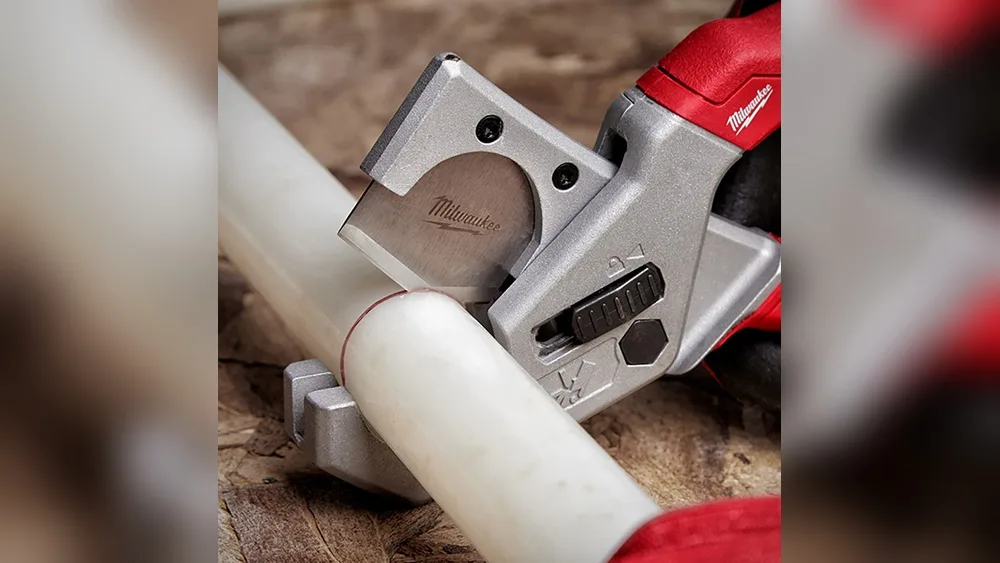
Cutting galvanized pipe sounds simple. But if you’ve tried it, you know it’s not always smooth. I remember the first time I had to cut galvanized pipe in my old house. I thought, “A pipe cutter should do the job, right?
” The answer isn’t as clear as you might hope. Over the years, I’ve learned a lot about this task—sometimes the hard way! If you’re wondering, “Can you cut galvanized pipe with a pipe cutter? ” let me share what I’ve discovered, step by step, with all the real details you need.
What Is Galvanized Pipe?
Before we jump into cutting, let’s get clear on what we’re dealing with. Galvanized pipe is steel pipe coated with a layer of zinc. This zinc layer helps fight rust and corrosion. You’ll find galvanized pipe in older homes, especially for water lines and sometimes gas lines.
These pipes are strong and last a long time. But after years, the coating can wear off inside. That’s when you might see rusty water or have leaks. At that point, you may need to cut and replace sections. But cutting galvanized pipe isn’t like slicing copper or plastic.
What Is A Pipe Cutter?
A pipe cutter is a tool made to cut pipes cleanly. There are different types—some are small and fit in your pocket. Others are large and heavy, made for thick pipes.
The most common type for metal pipes is the rotary pipe cutter. You clamp it around the pipe, tighten the knob, and spin the tool around the pipe. Each turn, you tighten a bit more, and the cutting wheel digs into the metal until it cuts through.
There are also ratcheting pipe cutters and snap cutters, but these are less common for galvanized steel.
Can You Cut Galvanized Pipe With A Pipe Cutter?
Here’s the short answer: Yes, you can cut galvanized pipe with a pipe cutter—but only if you use the right type, and only up to a point.
Let’s break this down based on what I’ve tried and seen.
My First Attempt: The Small Pipe Cutter
I started with a small pipe cutter I used for copper pipes. I clamped it around the galvanized pipe. I twisted. And twisted. My hand got sore. The cutter barely made a scratch. Galvanized steel is much harder than copper or plastic. The small cutter’s wheel dulled fast and the tool slipped. Lesson learned: Not all pipe cutters are strong enough.
What Actually Works
For galvanized pipe, you need a heavy-duty pipe cutter. These are larger, heavier, and have a hardened steel cutting wheel. I borrowed one from a plumber friend. This time, the tool bit into the pipe, but it still took effort. I turned the tool around the pipe, tightening after each spin. After a while, I heard a “click”—the pipe was cut.
But there’s more to know. Thick-walled galvanized pipes, over 1 inch in diameter, can be tough even for the best pipe cutters. Sometimes, you just can’t cut all the way through with a pipe cutter alone.
Comparing Pipe Cutter To Other Tools
Over the years, I’ve tried other ways to cut galvanized pipe. Here’s how a pipe cutter stacks up against the rest.
| Tool | Cut Quality | Effort Needed | Best For |
|---|---|---|---|
| Pipe Cutter | Very clean | Medium to High | Thin/medium pipes |
| Hacksaw | Rough, burrs | High | Any size, tight spots |
| Reciprocating Saw | Fast, rough | Medium | Large pipes, quick cuts |
| Angle Grinder | Very fast, rough | Medium | Thick pipes, demolition |
Pipe cutters give the cleanest cut, but only if the pipe is not too thick and you have space to spin the tool.
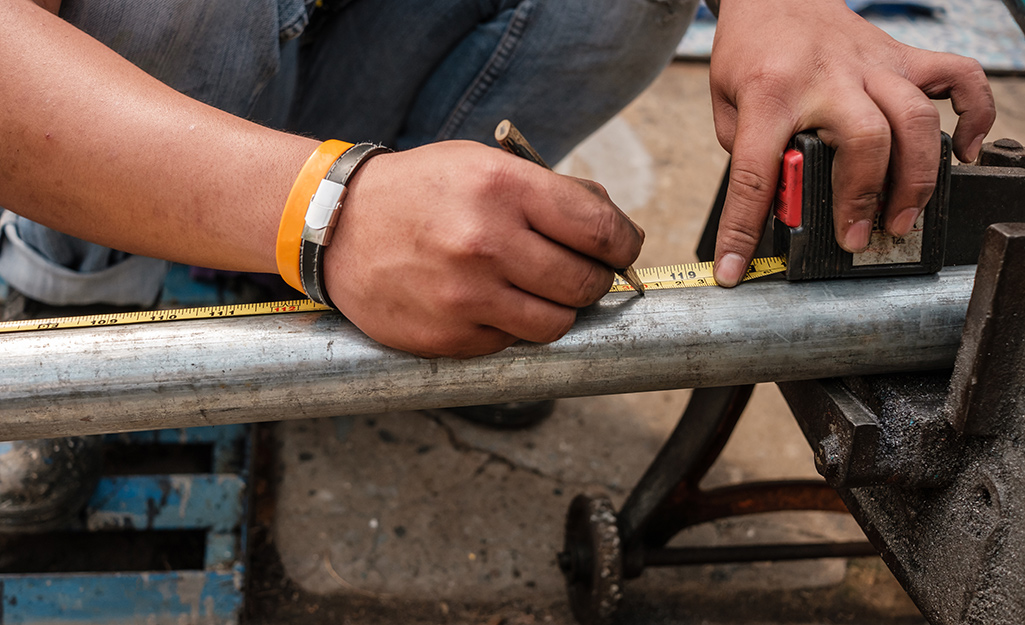
Step-by-step: How I Cut Galvanized Pipe With A Pipe Cutter
If you want to try this yourself, here’s exactly what I do.
- Pick the right pipe cutter. For galvanized steel, use a heavy-duty model that fits the pipe’s size.
- Mark the cut line. Use a marker for accuracy.
- Clamp the cutter around the pipe. Make sure it’s tight but not crushing.
- Start turning. Rotate the cutter around the pipe. Don’t rush—slow and steady.
- Tighten after each turn. After every full circle, tighten the knob a bit.
- Keep going. The cutter wheel will score deeper with each turn.
- Listen and feel. When the pipe is almost cut, you’ll hear a change in sound or feel less resistance.
- Break free. Sometimes, you need to twist the pipe to snap it apart.
- Clean the edges. Use a file or sandpaper to remove burrs inside and outside.
When A Pipe Cutter Is Not The Best Choice
There are a few times a pipe cutter just won’t work well. I’ve run into these problems:
- Pipe is too thick. Large diameter or heavy-wall pipes can defeat most manual cutters.
- No space to spin the tool. In a wall or under a floor, you might not have room.
- Old, rusty pipes. If the pipe is crusty or out-of-round, the cutter can slip or jam.
In these cases, I reach for a hacksaw or a reciprocating saw. They’re messier and leave a rough edge, but they get the job done.
Tips I Wish I Knew Earlier
Here are a few things I learned the hard way:
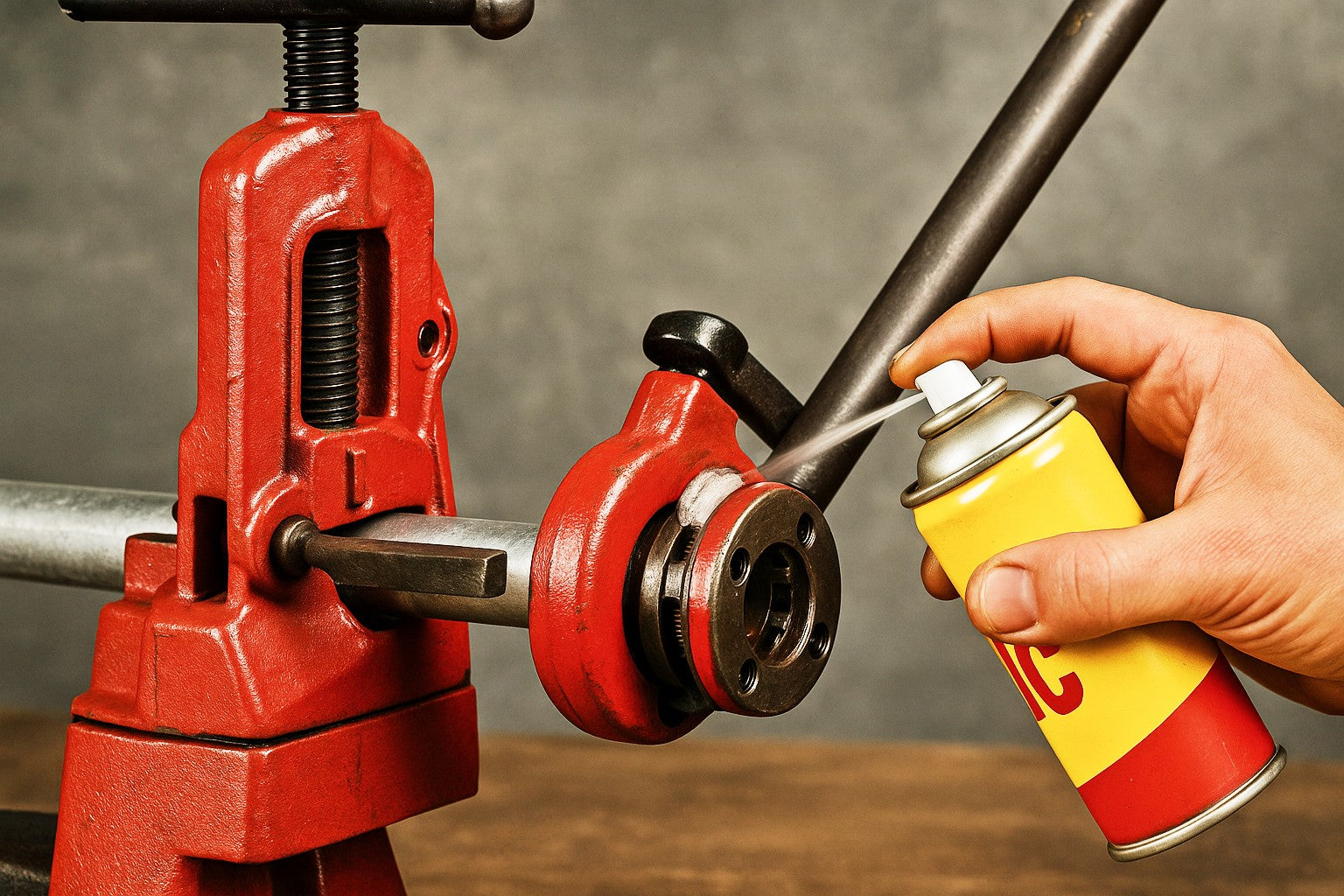
- Lubricate the cutting wheel. A drop of oil on the cutter makes the job smoother and protects the tool.
- Don’t overtighten. Cranking the tool too tight can warp the pipe or snap the cutter wheel.
- Wear gloves and safety glasses. Galvanized pipes can have sharp edges and metal dust.
- Check for water or gas. Always make sure the line is dry and shut off before you cut.
- Go slow. Rushing can dull the tool or leave a jagged edge.
How Galvanized Pipe Size Affects Cutting
Galvanized pipes come in different sizes. The size changes how hard it is to cut and what tool you need.
| Pipe Diameter | Ease of Cutting | Recommended Tool |
|---|---|---|
| 1/2 inch | Easy | Pipe cutter |
| 3/4 inch | Medium | Pipe cutter or hacksaw |
| 1 inch | Hard | Heavy-duty cutter or saw |
| 1.5+ inches | Very hard | Reciprocating saw or grinder |
For most home plumbing, you’ll see 1/2-inch or 3/4-inch pipe. These are perfect for a pipe cutter.
Pipe Cutter Types: Which One To Use?
Not every pipe cutter is the same. Here’s what I’ve found:
- Standard pipe cutter: Good for most jobs, handles up to 2-inch pipe.
- Mini pipe cutter: Handy in tight spots, but not strong enough for thick galvanized steel.
- Heavy-duty cutter: Best for large or old pipes, but bulky and expensive.
- Power pipe cutter: Fast and clean, but only pros usually own these.
For DIY jobs, a standard or heavy-duty cutter works best. If you do a lot of plumbing, investing in a better tool saves time and frustration.
Do’s And Don’ts (from My Experience)
Do:
- Always test the cutter on a scrap piece first if you can.
- Clean the pipe before cutting. Dirt and paint can jam the cutter.
- Keep the tool straight—crooked cuts make joining pipes tough.
Don’t:
- Don’t use a pipe cutter meant for plastic on steel.
- Don’t force the tool—let the cutter do the work.
- Don’t skip cleaning the edges. Burrs can damage pipe threads and fittings.
Common Problems And How I Fixed Them
Problem: The Cutter Won’t Bite
This happened to me on an old pipe. The cutter just spun and made a shiny ring but didn’t cut. Solution? I cleaned the area with sandpaper. Then, I started again, tightening gently. Sometimes, switching to a new cutting wheel helps.
Problem: The Cut Edge Is Jagged
Even a good pipe cutter can leave a sharp edge. I use a deburring tool or a round file to smooth things out. This helps fittings go on smoothly.
Problem: Tool Gets Stuck
Sometimes, the pipe compresses and the tool jams. I learned to back off a bit, loosen, and then retighten as needed.
When To Call A Professional
If you’re dealing with gas lines or pipes in old walls, consider calling a pro. I once tried to cut a pipe buried in plaster and almost caused a leak. Plumbers have the right tools, and they know how to avoid damaging hidden lines.
Also, some old galvanized pipes can contain lead solder or be connected to other risky materials. If you’re not sure, get expert help.
Safety Reminders
Cutting pipes can be dangerous if you rush or skip steps. I always:
- Wear gloves and glasses.
- Check for hidden wires or lines.
- Use the right tool for the job.
A clean, safe cut makes the rest of the plumbing job much easier.
Real-world Example
Last year, I helped a friend replace a leaking galvanized pipe under his kitchen sink. The space was tight, and the pipe was old. We tried a mini pipe cutter—no luck. Switched to a heavy-duty cutter—it worked, but slow. The edges were sharp, so we filed them down before adding the new fitting.
The job took longer than expected, but we avoided leaks and didn’t damage anything else.
This showed me again: the right tool and patience make all the difference.

Where To Learn More
If you want to dive deeper into pipe cutting or see different tools in action, you can check resources like this Wikipedia page on pipe cutters. It covers types of cutters and their uses in detail.
Frequently Asked Questions
What Is The Best Tool To Cut Galvanized Pipe?
For most home jobs, a heavy-duty pipe cutter is best for clean cuts on small to medium pipes. For larger pipes or tough spots, a hacksaw or reciprocating saw might work better.
Can You Use A Regular Pipe Cutter For Galvanized Steel?
No, a regular pipe cutter for copper or plastic won’t work well on galvanized steel. You need a cutter rated for steel—look for a hardened cutting wheel.
Is It Better To Use A Saw Or A Pipe Cutter?
A pipe cutter gives a cleaner cut and less mess, but only if you have space and the right tool. A saw works in tight spots or on thicker pipes but leaves a rougher edge.
How Do You Make Sure The Cut Is Straight?
Mark the cut line all around the pipe with a marker. Keep the tool aligned as you rotate. Go slow, and check your progress often.
Are There Health Risks When Cutting Galvanized Pipe?
Cutting galvanized pipe can create metal dust. Always wear a mask and gloves. Old pipes may contain lead or other hazards, so work in a well-ventilated area.
Cutting galvanized pipe with a pipe cutter isn’t always easy, but with the right tool and a little know-how, it’s possible. Take your time, stay safe, and don’t be afraid to ask for help if you need it. That’s how I learned—and why my pipes no longer leak!
As an Amazon Associate, We earn from qualifying purchases