
Can You Cut CPVC With a Copper Pipe Cutter? My Real Experience and Advice
Working on home plumbing projects can feel confusing, even for someone who has done a few repairs. I remember the first time I needed to cut CPVC pipe for a bathroom project. I didn’t have the right tools, and I looked at my old copper pipe cutter. The question popped into my head: “Can I use this cutter for CPVC?” If you’re asking the same thing, you’re not alone. I’ve tried it myself, and I want to share everything I learned, including my mistakes and what really works.
Understanding Cpvc And Copper Pipe Cutters
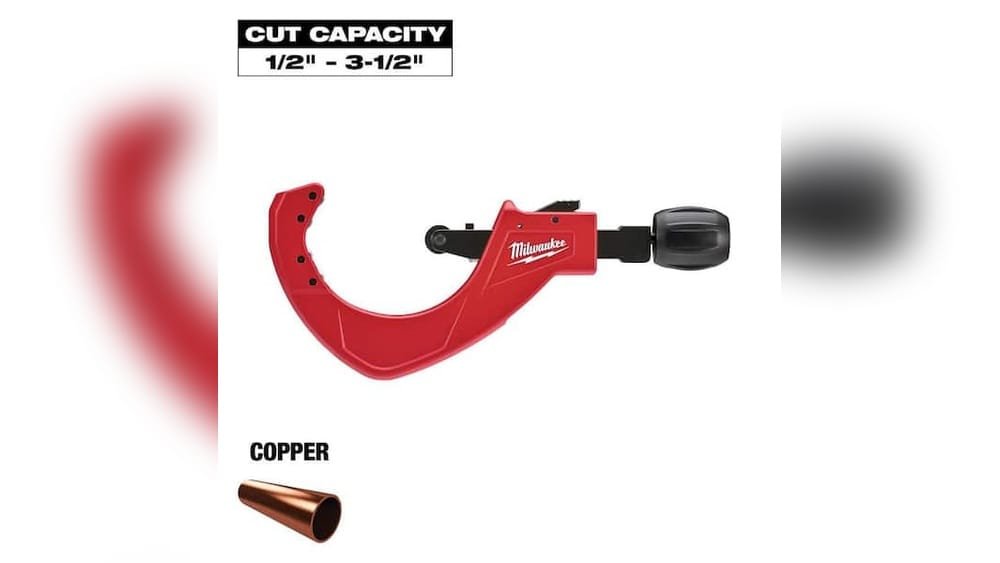
Before jumping into my story, it helps to know what we’re dealing with. CPVC stands for chlorinated polyvinyl chloride. It’s a type of plastic pipe used for water lines. It’s popular because it’s cheaper and easier to work with than metal pipes. Copper pipe cutters are tools made to cut metal pipes. They look like a small clamp with a round blade inside. You turn the tool around the pipe, tightening it after each rotation. It’s simple, but it’s made for metal, not plastic.
Why People Try Using A Copper Pipe Cutter On Cpvc
I was in the middle of a plumbing job. I had only a copper pipe cutter on hand. I didn’t want to drive to the store for another tool. I thought, “Plastic is softer than copper, so this should work, right?
” I’ve since learned that many DIYers think the same thing, especially if they don’t want to spend money on more tools. Sometimes, you just use what you have.
What Happened When I Tried It
I clamped my copper pipe cutter onto the CPVC pipe. At first, it seemed fine. The blade bit into the plastic. I turned it around, tightening with every spin. After a few turns, I noticed the plastic started to squish. It didn’t cut as clean as it did with copper. Instead, the edge of the pipe squashed and cracked.
When I finally got through, the cut was rough. There were little bits of plastic hanging off the edge. The pipe was no longer round. The end was oval and a little crushed. It didn’t fit right with the pipe fittings.
I realized I’d made a mistake trying to use the wrong tool.
How A Copper Pipe Cutter Works On Cpvc
I’ve tried copper cutters on both copper and CPVC. Here’s what I saw:
| Material | Cut Quality | Shape After Cut | Effort Needed |
|---|---|---|---|
| Copper Pipe | Clean and smooth | Perfectly round | Low |
| CPVC Pipe | Rough, sometimes cracked | Often squashed or oval | Medium to high |
The cutter’s blade is sharp, but it’s designed for hard metal. CPVC is much softer. When you turn the cutter, the blade pushes into the soft plastic. It doesn’t slice through the way it does with copper. Instead, it crushes the pipe before cutting, which is not good.
Common Problems When Using A Copper Pipe Cutter On Cpvc
After my first try, I noticed several issues:
- Crushed Pipe Ends – The cutter squeezes the pipe, so the end is not round. This makes it hard to fit the pipe into fittings.
- Cracking – Sometimes, the pipe cracks, especially if the cutter is too tight.
- Rough Edges – The cut is not clean. You get plastic shavings and rough edges that can block water flow.
- Takes Longer – It takes more turns to cut through, and the pipe can move in the cutter.
I learned that these problems can lead to leaks. A crushed or cracked end will not seal well. It’s frustrating to glue everything together and find a slow drip later.
Why Clean Cuts Matter In Plumbing
One thing many beginners miss is how important a clean, round cut is for plumbing. When you join pipes, you want a perfect fit. If the end of the pipe is oval or rough, the glue won’t hold as well. Water can leak out, and you might need to redo the whole joint.
For example, when I used my copper cutter, the rough edge made the fitting hard to push on. The glue didn’t spread evenly. That joint failed a few days later. I had to cut and redo it, wasting time and materials.

Better Tools For Cutting Cpvc
After my first mistake, I went to the store and looked for the right tool. Here’s what I found works better than a copper pipe cutter:
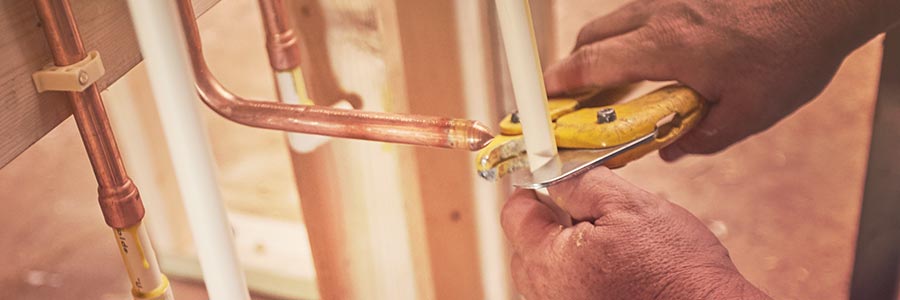
- Ratchet-Style Plastic Pipe Cutters – These look like big scissors with a ratchet handle. They slice through CPVC with one squeeze. The cut is clean and fast.
- Handsaws or Fine-Tooth Saws – A simple hacksaw or fine-tooth saw works well. You just need to hold the pipe steady and cut straight.
- PVC Pipe Cutters – These are made for plastic pipes and give a clean, round cut.
Here’s how the main options compare:
| Tool | Cut Quality | Speed | Ease of Use |
|---|---|---|---|
| Copper Pipe Cutter | Poor on CPVC | Slow | Difficult for plastic |
| Ratchet Plastic Pipe Cutter | Excellent | Fast | Very easy |
| Hacksaw | Good (if careful) | Medium | Easy with practice |
| PVC Pipe Cutter | Excellent | Fast | Easy |
How To Cut Cpvc The Right Way
After making mistakes, I learned the best way to cut CPVC is to use the right tool and follow a few simple steps:
- Mark Your Cut – Use a marker or pencil to draw a clear line around the pipe. This helps keep your cut straight.
- Use a Sharp Tool – Choose a ratchet plastic pipe cutter or a fine-tooth saw. Make sure the blade is sharp.
- Cut Straight – Hold the pipe steady. If you’re using a saw, cut slowly and don’t rush.
- Deburr the Edge – After cutting, use a knife or sandpaper to smooth the edge. Remove any little plastic pieces. This helps the pipe fit perfectly in the fitting.
- Check the Fit – Before gluing, test the pipe in the fitting. It should slide in easily and fit snug.
These steps sound simple, but they make a big difference in how well your plumbing works.
Non-obvious Insights Most Beginners Miss
From my own experience and talking with other DIYers, I noticed a few things many people miss:
- Cutting too fast can twist the pipe – If you rush with a saw, the pipe can move and the cut will be crooked. Go slow for a straight cut.
- Not smoothing the edge can cause leaks – Even a tiny bit of plastic left on the edge can keep the pipe from sealing. Always deburr, even if it looks clean.
- Old blades make rough cuts – If your cutter or saw is dull, it will crush or tear the CPVC instead of slicing. It’s worth replacing the blade for clean cuts.
These little details seem small, but they save you from big problems later.
Can You Ever Use A Copper Pipe Cutter For Cpvc?
After all my trial and error, my answer is: You can try, but you probably shouldn’t. If you have no other tool and just need a quick cut, it might work. But the cut will likely be rough, the pipe could crack, and you might get leaks. I’ve done it in a pinch, but I always check the end carefully and sand it smooth. Still, I recommend buying a proper plastic pipe cutter. They’re not expensive, and they make the job much easier.

Pros And Cons Of Using A Copper Pipe Cutter On Cpvc
I want to be fair, so here’s what I noticed:
Pros:
- You can use it if you have nothing else.
- It works for small jobs (but not well).
Cons:
- Cuts are rough and uneven.
- The pipe can crack or crush.
- Joints may leak.
- Takes more time and effort.
From my experience, the cons outweigh the pros.
Real-world Example: My Bathroom Project
Let me share a quick story. I was replacing a section of hot water line in my bathroom. I cut the CPVC with my copper cutter because that’s all I had. The end was rough, and I tried to force it into the fitting.
I glued it, and everything looked fine. Two days later, I heard a drip. The joint had failed because the edge wasn’t smooth and round. I had to cut out the bad piece and redo it using a proper PVC cutter.
Since then, I always keep the right tool on hand.
Cost Comparison: Tools For Cutting Cpvc
You might be wondering about cost. Here’s what I found when I compared prices at my local hardware store:
| Tool | Average Price (USD) | Durability |
|---|---|---|
| Copper Pipe Cutter | $10 – $25 | High (for metal pipes) |
| Plastic Pipe Cutter | $12 – $20 | High (for plastic pipes) |
| Hacksaw | $8 – $15 | High |
As you can see, the right tool for CPVC isn’t any more expensive than a copper pipe cutter. In fact, it’s sometimes cheaper.
Final Thoughts: My Advice For Diyers
If you’re serious about plumbing projects, buy a plastic pipe cutter. It’s a small investment, but it saves you from leaks, wasted time, and frustration. I learned this lesson the hard way. Sure, you can use a copper pipe cutter in a pinch, but be ready for rough edges and possible leaks. If you want your plumbing to last, use the right tool. Your future self will thank you.
If you want to learn more about different pipe types and tools, you can check out this Wikipedia article on CPVC.
Frequently Asked Questions
What Is The Best Tool To Cut Cpvc Pipe?
The best tool is a ratchet-style plastic pipe cutter. It gives a clean, straight cut with little effort. A fine-tooth hacksaw also works well if you cut slowly.
Can I Use A Hacksaw To Cut Cpvc?
Yes, you can use a hacksaw. Just be sure to hold the pipe steady and cut straight. After cutting, use sandpaper or a knife to smooth the edge.
Will Using A Copper Pipe Cutter Damage The Cpvc Pipe?
Often, yes. A copper pipe cutter can crush or crack CPVC. The cut is usually rough and the pipe may not fit well in fittings.
Do I Need To Deburr Cpvc Pipe After Cutting?
Yes, always deburr the edge. Smooth out any rough spots or plastic shavings. This helps the pipe fit better and reduces leaks.
Is It Worth Buying A Plastic Pipe Cutter For Small Jobs?
Yes. A plastic pipe cutter is not expensive and makes clean cuts. Even for a small project, it can save you a lot of trouble and time.
As an Amazon Associate, We earn from qualifying purchases