
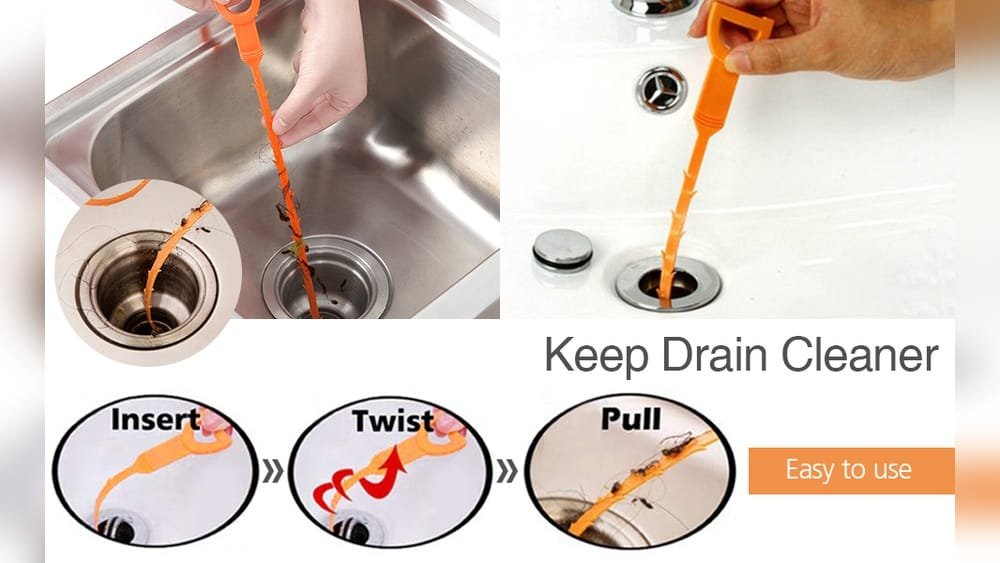
Have you ever used a drain snake and then wondered, “How do I clean this thing without making a bigger mess? ” I’ve been there many times. The first time I tried to clean my drain snake, I felt lost.
I didn’t want to touch the gunk, and I was worried about the smell. But after a few tries (and a few mistakes), I figured out a system that works. If you want your drain snake to last longer and work better, cleaning it the right way is important.
Let me walk you through everything I’ve learned, step by step.
Why It’s Important To Clean Your Drain Snake
You might think, “It’s just a tool for dirty jobs—does it really need to be clean? ” Honestly, yes. When I didn’t clean my snake well, it started to smell bad and get rusty. Worse, the next time I used it, it didn’t work as well.
Hair and grease can harden on the coils and block the tool. Mold can grow, and that’s not something you want in your bathroom or kitchen.
There’s also the health part. A dirty drain snake can carry bacteria and germs. When I left mine dirty, I noticed my hands would itch after touching it. It’s not worth the risk.
What You’ll Need Before You Start
Here’s what I use every time I clean my drain snake. You don’t need fancy stuff—just basic supplies:
- Rubber gloves (to keep your hands safe)
- Old clothes (things can splash)
- A bucket or deep sink
- Dish soap or degreaser (I prefer dish soap)
- A stiff brush (an old toothbrush works too)
- White vinegar or bleach (for disinfecting)
- Old towel or rags
- Paper towels or disposable wipes
- WD-40 or light oil (to prevent rust)
One thing I learned: never use harsh chemicals if your snake is not stainless steel. Some cleaners can damage the tool.
Step-by-step: How I Clean My Drain Snake
I’ve tried a few methods, but this is the routine that keeps my snake clean and ready for the next job.
1. Get Ready
First, I put on my gloves and old shirt. I bring everything I need to the laundry sink or outside. Cleaning a drain snake can be messy. I like to do it right after I’ve used the snake, while the gunk is still soft.
2. Remove Loose Debris
Hold the snake over your bucket or sink. I gently shake it or tap it to remove clumps of hair and slime. Sometimes I use a paper towel to grab bigger pieces. I learned not to flush this stuff down the drain—just toss it in the trash.
3. Soak The Snake
I fill my bucket with hot water and add a big squeeze of dish soap. Then I lay the snake in the water and let it soak for 10-15 minutes. If it’s really dirty, I add a cup of white vinegar.
This helps break down the grease and kills some germs.
4. Scrub Every Coil
After soaking, I pull out the snake and scrub it with my brush. I make sure to get into each coil and the tip, where stuff likes to stick. Sometimes, I have to go over it twice. The key is to be patient—rushing means you’ll miss spots.
5. Rinse Well
I rinse the snake under running water. If I’m outside, I use the garden hose (the pressure helps). If I’m indoors, I use the laundry sink and make sure the water runs clear. Don’t skip this step, or soap will dry on the metal.
6. Disinfect
To kill any leftover germs, I spray or soak the snake with a mix of water and bleach (1 part bleach to 9 parts water) or straight white vinegar. I let it sit for 5 minutes. This step is important if you’ve used the snake in a kitchen or bathroom drain.
7. Dry Completely
I dry the snake with an old towel, making sure to get between the coils. Then I lay it out on a dry towel for at least an hour. If you put it away wet, it can rust fast. I learned this the hard way—my first snake rusted after just one month.
8. Oil The Metal
Once dry, I spray a little WD-40 or wipe on some light oil. This keeps the snake from rusting. Use just a thin layer. If you skip this, the tool can seize up and won’t last.
9. Store Safely
I wrap my clean, dry snake in an old rag and put it in a plastic bag or box. I keep it in the garage, away from kids and pets. That way, it’s always ready and safe to grab.
Here’s a quick comparison of how my drain snakes lasted before and after I started cleaning them right:
| Cleaning Routine | Average Lifespan | Performance |
|---|---|---|
| Rarely Cleaned | 6-8 months | Gets stuck, bad smell |
| Cleaned After Each Use | 2-3 years | Works smoothly, no odor |
Extra Tips I Learned Over Time
Some things you only discover after cleaning your drain snake a few times. These tips saved me time and headaches:
- Never soak the handle if it’s plastic or has a motor. Water can ruin it.
- Don’t use steel wool—it can scratch and rust the metal.
- Clean the snake outside if you can. The smell is strong!
- Use tongs or pliers to remove really stubborn debris.
- Check for damage before storing. If the wire is bent or frayed, fix it or replace the snake.
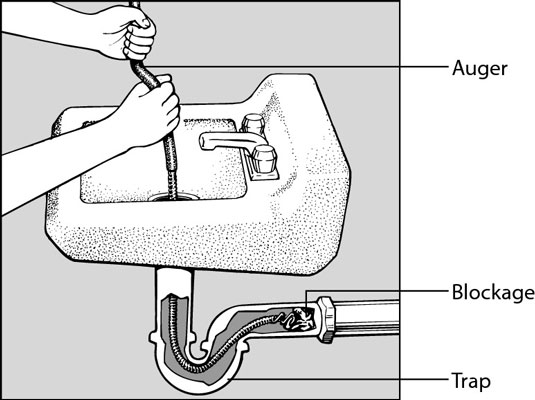
What Not To Do (and Mistakes I Made)
I’ve made a few classic mistakes that you can avoid.
- Putting the dirty snake back in the box. It turned into a moldy mess.
- Leaving it wet. Rust happened fast, and the snake got rough.
- Skipping gloves. My hands smelled bad for hours.
- Using bleach on the handle. It made the plastic crack.
- Not cleaning after greasy drains. Grease hardened, and the snake wouldn’t spin.
Learn From Me And Skip These Headaches!
How Often Should You Clean A Drain Snake?
If you use your drain snake a lot, clean it after every use. Even if you only clear a small clog, a quick rinse and dry go a long way. For heavy jobs (like kitchen sinks or bathroom drains with a lot of hair), do the full cleaning routine every time.
If you only use your snake a few times a year, still clean and oil it before storing. I once left mine dirty after a big job, and the next time I needed it, it was unusable.

Cleaning Different Types Of Drain Snakes
Not all drain snakes are the same. Here’s what I’ve learned about cleaning different types:
| Type of Snake | Cleaning Tips | Things to Avoid |
|---|---|---|
| Manual Hand Snake | Soak and scrub the coil. Oil the metal. | Don’t soak the handle if it’s wood or plastic. |
| Drill-Attach Snake | Detach from drill first. Clean coil as above. | Never get the drill part wet. |
| Flat Tape Snake | Lay flat and scrub both sides. | Don’t bend sharply—can break the tape. |
| Electric Snake | Follow manufacturer’s cleaning advice. Wipe cable with damp cloth. | No soaking—water can damage the motor. |
Always check the instructions for your specific tool. Some high-end models need special care.
Why Not Just Buy A New Snake Each Time?
When I started, I used cheap snakes and threw them away after one use. But this gets expensive fast, and it’s terrible for the environment. A good drain snake can last years if you take care of it. Plus, cleaning it takes less than 20 minutes.
Over time, you save money, and you’re not adding more waste to landfills.
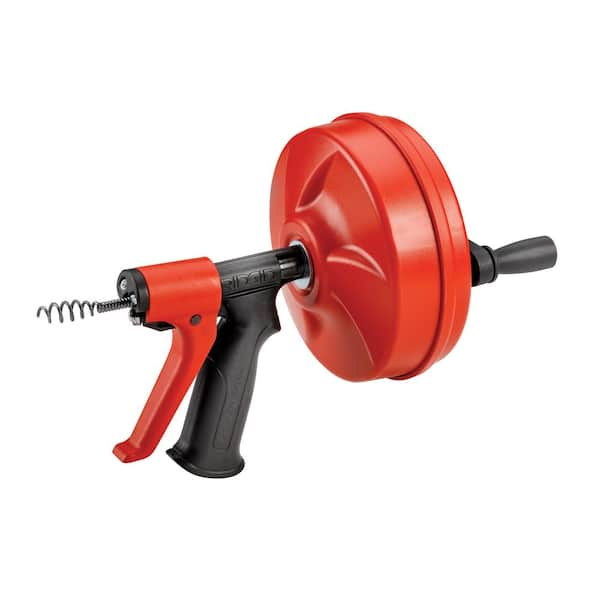
The Hidden Dangers Of Not Cleaning
Most people don’t think about the risks. But a dirty drain snake can become a home for bacteria, mold, and even pests. I once left a dirty snake outside, and ants found it. Cleaning keeps your home safer and your tools ready.
For more about household cleaning and health, you can read this CDC guide.
How I Make Cleaning Easier
- Keep supplies in one spot, so I don’t waste time searching.
- Clean the snake right after use—don’t wait.
- Use disposable gloves, so I can just throw them out.
- Set a timer for soaking, so I don’t forget.
If you make cleaning simple, you’ll actually do it.
My Results After Cleaning My Drain Snake Regularly
After I started following this routine, my drain snake stopped smelling, lasted longer, and worked better. The first time I used it on a tough clog after cleaning, I noticed it slid through the pipe more smoothly. No more sticky gunk slowing it down.
I also feel better knowing I’m not spreading germs around my home.
Here’s a quick look at the difference regular cleaning made for me:
| Before Cleaning | After Cleaning |
|---|---|
| Rusty, smells bad, gets stuck | Clean, smooth, no odor |
| Short lifespan | Lasts years |
| Hands itch after use | No irritation |
Frequently Asked Questions
How Do I Know If My Drain Snake Needs Cleaning?
If you see hair, grease, or dirt on the snake after use, or if it smells bad, it needs cleaning. I always check for buildup or rust before I put it away.
Can I Use Bleach To Clean My Drain Snake?
Yes, but only on the metal parts. Bleach can damage plastic or wooden handles. I use a mix of bleach and water to disinfect, but I rinse well to avoid leaving residue.
What If My Drain Snake Is Rusty?
Light rust can be removed with a brush and vinegar. For heavy rust, it may be time to replace the snake. Oiling the snake after every clean keeps rust away.
How Often Should I Replace My Drain Snake?
If you clean and oil it after each use, a good snake can last 2-3 years or more. Replace it if the coils are bent, it smells even after cleaning, or it no longer grabs debris well.
Can I Clean A Drain Snake In The Dishwasher?
I don’t recommend it. Drain snakes are often too dirty for dishwashers, and the heat can damage handles or plastic parts. Hand cleaning is safer and more effective.
Cleaning a drain snake isn’t the most fun job, but it pays off. With the right steps, you can keep your tool working and your home cleaner. Next time you tackle a clog, you’ll be glad you took care of your snake.
Trust me—your nose (and your wallet) will thank you!
As an Amazon Associate, We earn from qualifying purchases