
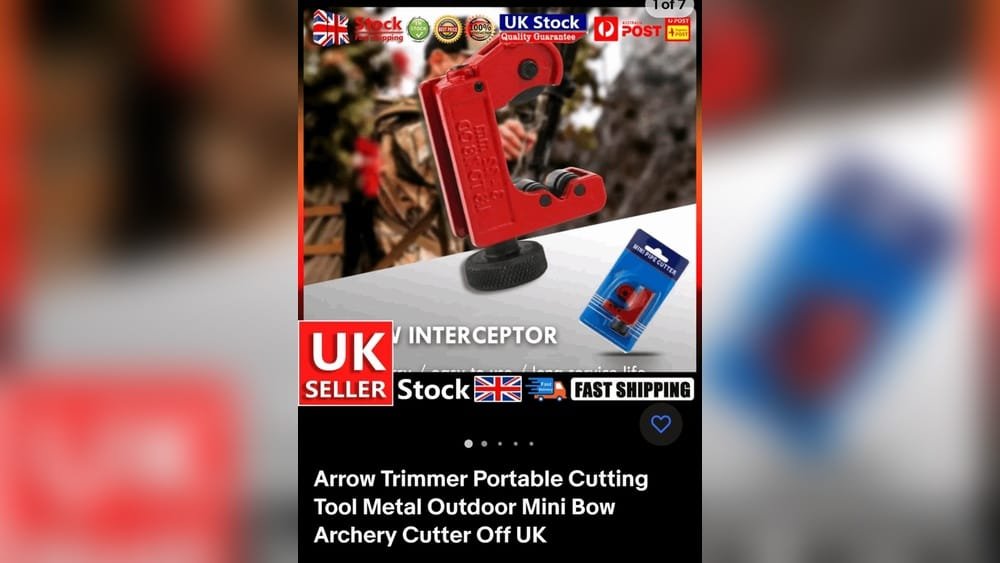
Have you ever stood in your garage with a handful of arrows and wondered, “Can I just use my pipe cutter to trim these?” Trust me, I’ve been there. I shoot archery for fun and sometimes for competition, and like many, I wanted to save money and time by doing things myself. After trying several ways to cut arrows, I decided to test if a pipe cutter could do the job. If you’re curious about using a pipe cutter for arrow shafts, I’ll share what I learned—what works, what doesn’t, and what I wish I knew before I tried.
Why Would You Want To Cut Arrows?
Let’s start with the basics. Arrow length matters a lot. If your arrows are too long, they’ll fly badly. Too short, and they could be unsafe. Most store-bought arrows are longer than needed. Cutting them to your draw length helps your accuracy and safety.
Custom arrow cutting at a shop can be expensive, especially if you have a dozen or more arrows. For me, the idea of cutting arrows at home sounded easy and cheap. I already owned a pipe cutter from a plumbing project, so why not try it?
What Is A Pipe Cutter?
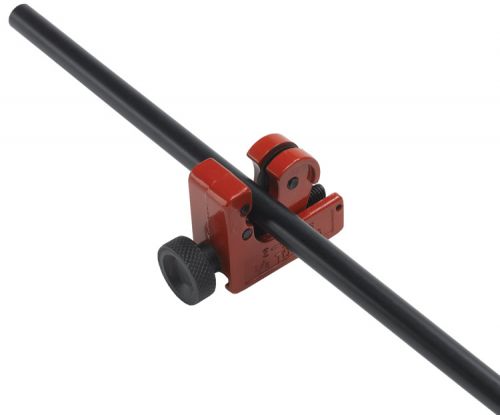
A pipe cutter is a small tool plumbers use to cut pipes, mostly copper or aluminum. You place the pipe in the tool, tighten the knob, and spin it around. A sharp wheel scores the pipe until it snaps cleanly. It’s fast, quiet, and doesn’t make a mess like a hacksaw.
But arrows are not pipes. They are usually made from carbon fiber, aluminum, or sometimes both. I quickly learned that matters a lot.

My First Attempt: Using A Pipe Cutter On Aluminum Arrows
My first set of arrows was aluminum. I thought, “These are just thin pipes, right? ” So I clamped the arrow in the pipe cutter and started turning.
It worked—sort of. The cutter went around the shaft and made a neat groove. After a few turns, the end snapped off. It looked clean, but here’s what I noticed:
- The end was a bit squished—not perfectly round anymore.
- There was a small burr inside the shaft.
- I needed to smooth the end with sandpaper.
I used a small file to clean up the inside. After that, the insert fit okay. The arrow spun true. I shot those arrows and didn’t see any odd flight. For aluminum arrows, a pipe cutter can work if you’re careful and don’t mind a bit of cleanup.
Trying The Pipe Cutter On Carbon Arrows
I moved to carbon arrows next. These are lighter and stiffer. I thought, “If it works for aluminum, why not carbon?”
Big mistake. The pipe cutter scored the carbon, but instead of a clean snap, it crushed the tube. The fibers splintered and the end was jagged. Worse, the shaft now had tiny cracks. I tried sanding, but the fibers kept peeling.
That arrow was ruined.
Why Pipe Cutters Struggle With Carbon Arrows
Here’s what I learned: carbon arrows are made from woven fibers. A pipe cutter compresses before it cuts, which is fine for soft metals but terrible for fiber materials. The pressure cracks the carbon, making the shaft weaker.
I later read that even small cracks can ruin an arrow’s strength. That’s dangerous, especially with high draw weight bows. No one wants an arrow breaking on release. I never tried the pipe cutter on carbon again.
Comparing Cutting Methods
Let me break down how a pipe cutter stacks up against other common ways to cut arrows. This should give you a clear picture.
| Method | Works for Aluminum? | Works for Carbon? | Typical Results | Extra Steps Needed? |
|---|---|---|---|---|
| Pipe Cutter | Yes (with care) | No (crushes fibers) | Squished ends, possible burrs | Sanding, inside cleanup |
| Arrow Saw | Yes | Yes | Clean, straight cuts | Minimal cleanup |
| Hacksaw | Possible (rough) | Possible (splinters) | Jagged, uneven cuts | Sanding, lots of care |
If you’re thinking about cutting arrows, this comparison shows why most archers prefer a dedicated arrow saw.
What Is An Arrow Saw?
An arrow saw is a small, high-speed rotary tool. It’s made for cutting arrow shafts without crushing or splintering. The blade is thin and spins very fast. You hold the arrow steady, zip through, and get a perfect cut. The ends stay round, the fibers don’t fray, and the insert fits snug every time.
I eventually bought a cheap arrow saw online. It made the process much faster and safer. If you cut arrows more than once, I highly recommend it.
Risks Of Using A Pipe Cutter
I learned a few important lessons from my experiments. Here are the biggest risks if you use a pipe cutter:
- Crushed or out-of-round ends: The pipe cutter squeezes as it cuts, making the shaft oval or squished. Inserts may not fit well.
- Splinters or cracks: For carbon arrows, pressure can damage the fibers. This ruins the arrow and can make shooting unsafe.
- Hidden damage: Even if the cut looks okay, cracks can be hard to see. A weak arrow can break under stress.
- Extra work: You’ll need to file, sand, and check each arrow. It’s time-consuming and easy to miss a problem.
If you want reliable, safe arrows, these risks are not worth it. Especially when better tools are available.

When A Pipe Cutter Might Be Okay
Are there situations where a pipe cutter is good enough? Yes, but only for aluminum arrows and only if you’re careful.
If you’re on a tight budget and shoot old aluminum shafts, you can use a pipe cutter. Go slow and don’t tighten too much at once. Check the roundness of the end after cutting. Clean up any burrs inside and out.
If you see any cracks or squishing, don’t use the arrow.
But for carbon or carbon-aluminum arrows, it’s not worth the risk. A cheap rotary tool with a thin abrasive wheel is a better investment.
Step-by-step: How I Cut Aluminum Arrows With A Pipe Cutter
If you still want to try it, here’s how I did it safely:
- Measure the correct length: Mark the shaft with a permanent marker at your desired cut point. Double-check before cutting.
- Set the pipe cutter: Place the arrow in the cutter, lining up the mark with the wheel.
- Tighten gently: Don’t over-tighten. Just enough to touch the shaft.
- Rotate smoothly: Spin the cutter around the shaft. After each full turn, tighten a little more.
- Repeat: Keep turning and tightening slowly until the shaft separates.
- Inspect the cut: Check for squishing or burrs.
- Clean the end: Use sandpaper or a small file to smooth the inside and outside.
- Test insert fit: Make sure the insert goes in smoothly and seats well.
- Check for cracks: If you see any, discard the arrow.
This method isn’t as fast as an arrow saw, but it works in a pinch for aluminum.
What Beginners Usually Miss
When I first started, I made a few mistakes I wish someone had warned me about:
- Not checking for roundness: Even a small squish at the end can cause big problems with accuracy.
- Skipping the inside cleanup: Burrs inside the shaft can make it hard to glue inserts. They can also cut your hand.
- Forgetting to check for cracks: Especially with carbon, even a tiny fracture weakens the arrow.
It’s easy to overlook these steps, but they matter for arrow safety and performance.
Cost And Tool Comparison
Let’s look at how much each method might cost and what you get for your money.
| Tool | Average Price | Works for Aluminum | Works for Carbon | Longevity |
|---|---|---|---|---|
| Pipe Cutter | $10 – $20 | Yes | No | Years (for pipes) |
| Arrow Saw | $50 – $150 | Yes | Yes | Years (for arrows) |
| Hacksaw | $5 – $15 | Possible | Possible | Years (rough cuts) |
I bought my pipe cutter for about $12 and used it for both plumbing and arrows. But after ruining a carbon arrow, I realized the arrow saw was the smarter buy.
Arrow Performance After Cutting
I always checked how my arrows flew after cutting. With aluminum arrows, the pipe-cutter-cut arrows flew straight, but only if I did all the extra cleanup. With carbon arrows, once the shaft was damaged, the flight was unpredictable. Sometimes the arrow wobbled, sometimes it veered off.
That’s when I stopped using the pipe cutter for carbon altogether.
A well-cut arrow is consistent. A poorly cut one is frustrating and can cost you points or even safety.
Final Thoughts: What I Recommend
After all my experiments, here’s my honest advice. If you only shoot aluminum arrows and already own a pipe cutter, you can use it for a few arrows—just be careful. But if you shoot carbon arrows (which most people do now), a pipe cutter is not safe. Invest in a cheap arrow saw or find an archery shop to cut them for you.
You want your arrows to be safe, strong, and fly true. Saving a few dollars is not worth the risk of a cracked shaft.
For more technical details on arrow construction and cutting, you can check out this Wikipedia entry on arrows.
Frequently Asked Questions
Can You Cut Carbon Arrows With A Pipe Cutter?
No, it’s not safe. A pipe cutter crushes the carbon fibers instead of slicing cleanly. This can cause cracks and weak points that may break when you shoot.
Is It Okay To Use A Pipe Cutter On Aluminum Arrows?
Yes, but with care. Go slowly, don’t over-tighten, and clean up the ends well. Check for any damage before using the arrow.
What Is The Best Tool For Cutting Arrows?
A dedicated arrow saw is the best choice. It makes clean, round cuts on both aluminum and carbon arrows, with little risk of damage.
What Happens If The Arrow Shaft Is Squished At The End?
A squished end makes it hard to fit inserts and can affect arrow flight. It may also make the arrow unsafe to shoot.
Is It Cheaper To Cut Arrows At Home?
If you already own the right tools, yes. But if you need to buy tools, compare the cost to having a shop cut them for you. Cutting arrows at home saves money in the long run, especially if you build a lot of arrows.
If you have arrows to cut, I hope my story helps you avoid the mistakes I made. Archery is more fun when your gear works right—take the time to do it safely!
As an Amazon Associate, We earn from qualifying purchases