
If you’ve ever stood in your garage, copper pipe cutter in hand, staring at a piece of aluminum pipe and wondering, “Can this tool do the job?”, you’re not alone. I’ve been there myself, scratching my head and unsure if I should try, or go dig out another tool. Over the years, I’ve cut all sorts of pipes for home projects, plumbing, and even some odd jobs for friends. I want to share what I’ve learned—real experience, not just textbook answers—so you know exactly what to expect if you try to cut aluminum with a copper pipe cutter.
What Is A Copper Pipe Cutter?
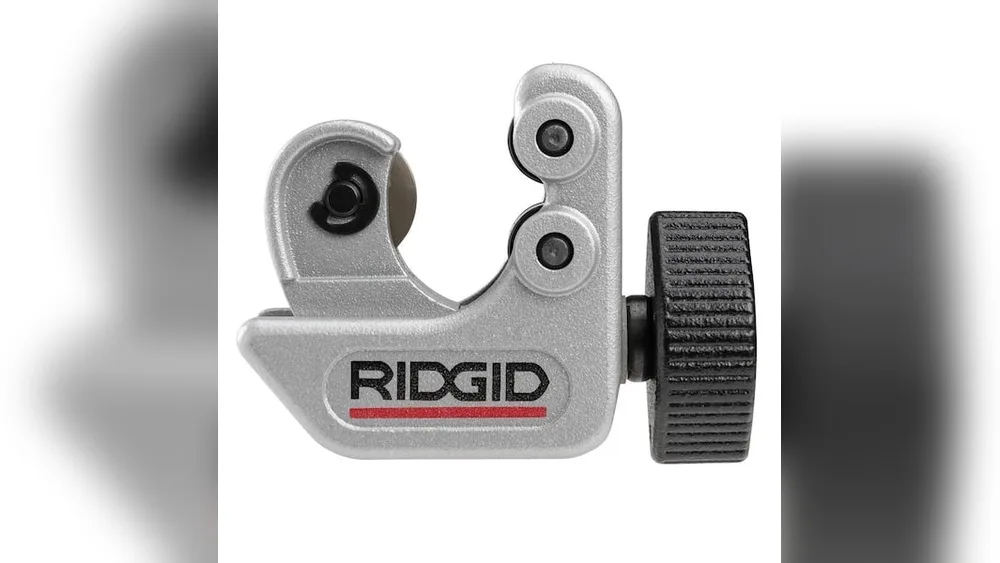
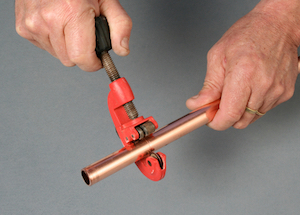
Let me start with the basics. A copper pipe cutter is a handheld tool. It looks like a small clamp with a round cutting wheel and two rollers. You place the pipe between the wheel and rollers, then tighten the tool and spin it around the pipe. With each turn, you tighten it a bit more. Soon, the wheel cuts all the way through.
Most people use this tool to cut copper pipes because copper is soft and easy to cut cleanly. But you might be surprised how many people, including myself, have tried it on other metals like aluminum.
Why Would You Want To Cut Aluminum With A Copper Pipe Cutter?
Honestly, it’s often about convenience. I remember once, I was fixing a leaky outdoor faucet. The replacement part was aluminum, but all I had on hand was my trusty copper pipe cutter. Running to the store wasn’t an option. So, like many DIYers, I wondered—would it work?
Sometimes, you only have one tool in your toolbox. Other times, you want a clean, straight cut, not a jagged edge from a hacksaw. Aluminum pipes are common in air conditioning, home brewing, and even some electrical work. So, it’s a fair question.
Can A Copper Pipe Cutter Actually Cut Aluminum?
Here’s the straight answer: Yes, a copper pipe cutter can cut aluminum. But, there’s a little more to the story.
Copper and aluminum are both soft metals, much softer than steel or iron. This is why the cutter works at all. The cutting wheel, usually made from steel or a hard alloy, bites into the metal as you turn the tool.
It works fine for both metals, but there are some important things to know before you start.
My First Time Cutting Aluminum With A Copper Pipe Cutter
I’ll never forget the first time I tried this. I started just like I would with a copper pipe—measured, marked, and clamped the aluminum pipe into the cutter. The first few turns felt smooth. The tool cut into the aluminum without any trouble.
But after a few spins, I noticed it was taking more effort than usual.
When the cut finished, I saw a clean edge, but there was a small “lip” or burr on the inside. That’s pretty normal, but it was a bit sharper and more pronounced than with copper. I learned quickly that aluminum tends to form a burr more easily, so you have to be careful when handling the cut piece.
How Does Cutting Aluminum Differ From Cutting Copper?
At first glance, copper and aluminum seem similar. But when you use a copper pipe cutter on both, you’ll notice some differences:
| Factor | Copper Pipe | Aluminum Pipe |
|---|---|---|
| Hardness | Softer, cuts easily | Slightly harder, but still soft |
| Burr formation | Usually small burrs | Larger, sharper burrs |
| Cut edge quality | Smooth, clean | Clean, but sometimes rough inside |
| Effort needed | Less effort | A bit more effort |
From my experience, the main difference is in the burrs. I always take a file or deburring tool and smooth the inside edge after cutting aluminum, to avoid cuts and make sure things fit well.
Step-by-step: How I Cut Aluminum With A Copper Pipe Cutter
If you want to try this yourself, here’s how I do it. These steps make sure you get the best result and avoid common mistakes.
1. Measure And Mark
Use a marker or sharp pencil to mark exactly where you want to cut. Aluminum is light in color, so make sure your mark is visible.
2. Secure The Pipe
I always clamp the pipe in a vise, or at least hold it steady on a workbench. Movement makes for uneven cuts.
3. Set The Cutter
Open your copper pipe cutter and place it over the mark. Tighten the knob until the cutting wheel just touches the pipe.
4. Start Cutting
Rotate the cutter around the pipe. After each turn, tighten it just a little more. Don’t force it—gentle pressure works best.
5. Finish The Cut
When you’re almost through, you’ll feel the cutter move more easily. Keep turning until the pipe separates.
6. Deburr The Edge
This step matters most with aluminum. Use a round file, deburring tool, or even sandpaper to smooth the inside edge.
7. Clean Up
Wipe away any shavings or dust before you fit the pipe.
If you skip the deburring, you risk sharp edges that can cut your hand or damage fittings.
When Does A Copper Pipe Cutter Work Best On Aluminum?
From my experience, a copper pipe cutter works best on thin-walled aluminum tubing. Most cutters are made for pipes between 1/4” and 1-1/4” in diameter. If your aluminum pipe is thicker, it will be harder to cut and might even damage the tool.
For example, when I cut thin aluminum pipes for a home brewing project, the cutter worked like a charm. But when I tried it on a thicker aluminum handrail, the tool struggled and the cut was messy. I had to switch to a hacksaw for a better result.
What Kind Of Aluminum Can You Cut?
Not all aluminum pipes are the same. Some are soft and easy to cut, others are tough and thick. Here’s a quick guide:
| Type of Aluminum Pipe | Cutting Difficulty | Recommended Tool |
|---|---|---|
| Thin-walled tubing (1/16″ to 1/8″) | Easy | Copper pipe cutter |
| Medium-walled tubing (1/8″ to 1/4″) | Moderate | Copper pipe cutter or hacksaw |
| Thick-walled pipe (>1/4″) | Hard | Hacksaw or power tool |
If you’re unsure, try the cutter on a scrap piece first. If it’s too hard to turn, switch tools.
Tips For A Clean, Safe Cut
There are a few simple tricks I’ve learned to make cutting aluminum with a copper pipe cutter safer and easier:
- Lubricate the Wheel: A drop of oil on the cutting wheel helps reduce friction and makes the cut smoother.
- Go Slow: Rushing leads to crooked cuts and bent pipes. Take your time.
- Don’t Over-tighten: Tightening too much can crush soft aluminum, making it oval instead of round.
- Deburr Right Away: Always smooth the inside edge right after cutting. It’s easy to forget, but saves hassle later.
- Wear Gloves: Aluminum burrs are sharp! I’ve sliced my fingers more than once by not wearing gloves.
Common Mistakes And How To Avoid Them
I’ve made plenty of mistakes along the way, so let me save you some trouble:
1. Forgetting To Deburr
The first time I cut aluminum, I skipped the deburring step. The result? My pipe didn’t fit into the connector and I ended up with a scratched hand.
2. Using Too Much Force
If you crank the cutter too hard, the pipe can deform. This happened to me with a thin tube—it turned oval and wouldn’t fit back in place.
3. Trying To Cut Thick Pipe
I once tried to cut a thick aluminum handrail with a copper pipe cutter. It barely made a dent, and I almost ruined the tool. For thick pipes, use a hacksaw or a power tool instead.
Alternatives To A Copper Pipe Cutter
Copper pipe cutters are great for small jobs and thin pipes. But what if they don’t work? Here’s what I use instead:
- Hacksaw: Cheap, easy to find, and works on any thickness. The cut isn’t as clean, but a file will smooth it out.
- Tubing Cutter for Aluminum: Some brands make cutters with harder wheels, designed for both copper and aluminum.
- Angle Grinder or Dremel: For big jobs, power tools are fast and powerful, but you need to be careful.
When You Shouldn’t Use A Copper Pipe Cutter
Even though copper pipe cutters can cut aluminum, there are times when you should not use one:
- The aluminum pipe is very thick (over 1/4” wall).
- The pipe is not round or is flattened.
- The cutter’s wheel is dull or damaged.
- You need a beveled edge for a special fitting.
If you try anyway, you could damage both the tool and the pipe.
How Long Do Copper Pipe Cutters Last When Cutting Aluminum?
From what I’ve seen, a copper pipe cutter will last for years if you only use it on copper. If you cut aluminum often, the cutting wheel will wear out faster. Aluminum is soft, but its oxide layer is tough and can dull the wheel.
I noticed my cutter didn’t slice as easily after a few aluminum jobs. Replacement wheels are cheap, so keep a spare handy.
Is It Worth Buying A Special Aluminum Pipe Cutter?
If you cut a lot of aluminum pipes, yes, it’s worth it. I bought a dedicated aluminum tubing cutter after struggling with some thick pipes. These cutters have stronger wheels and sometimes a built-in deburring tool. If you only cut aluminum once in a while, your copper pipe cutter is good enough.
Real-world Examples
Let me share a couple more stories from my own projects:
- Home Brewing: I used a copper pipe cutter to trim thin aluminum tubes for a beer cooling coil. The cut was clean, and after deburring, everything fit perfectly.
- Air Conditioning Repair: When I replaced a section of aluminum AC line, the cutter worked, but the burrs were nasty. Gloves and a deburring tool saved the day.
- DIY Furniture: Aluminum pipes for a custom shelf were easy to cut with my copper pipe cutter. I just had to be extra gentle to keep the pipes round.
In each case, the copper pipe cutter was quick, quiet, and made a straight cut. But I always finished by smoothing the edges for a safe, snug fit.

Safety Reminders
Never skip safety when cutting metal. Here are a few things I always do:
- Wear eye protection. Tiny metal shavings can fly up.
- Use gloves to protect your hands from sharp edges.
- Work in a well-lit area so you can see your cut clearly.
- Clean up all metal shavings when you’re done—those little bits get everywhere!
Where To Learn More
If you want more technical details about pipe cutters, materials, or metalworking, check out this article on Wikipedia. It covers the science behind the tool and the types you might find.

Frequently Asked Questions
Can A Copper Pipe Cutter Damage Aluminum Pipes?
If you use it gently and only on thin-walled pipes, a copper pipe cutter won’t damage aluminum. But if you tighten too much or try to cut very thick pipe, it can crush or deform the aluminum.
What Should I Do If The Cut Edge Is Rough Or Has Burrs?
Always use a deburring tool, round file, or sandpaper to smooth the inside and outside edges after cutting. This prevents injury and helps fittings slide on easily.
Is It Safe To Use A Copper Pipe Cutter On Painted Or Coated Aluminum Pipes?
It’s safe, but the cutter will remove the paint or coating at the cut edge. If appearance matters, touch up the paint after cutting.
Can I Use A Steel Pipe Cutter Instead?
Steel pipe cutters are made for harder metals and are usually bigger and heavier. They might work, but they may not make as clean a cut on soft metals like aluminum or copper.
How Do I Know When The Cutter Wheel Needs Replacing?
If the cutter starts to drag, or if the cuts become rough and uneven, the wheel is probably dull. Most pipe cutters let you swap out the wheel in minutes.
Cutting aluminum with a copper pipe cutter is possible, practical, and sometimes the best choice for small projects. With the right technique and a little care, you’ll get clean, safe results—just like I have, many times.
As an Amazon Associate, We earn from qualifying purchases