
If you’ve ever faced a clogged drain, you know how annoying it can be. I used to call a plumber for every blockage. But after spending too much money and waiting hours for help, I decided to tackle it myself. That’s when I learned how to use a manual drain snake. It was easier than I expected, and it saved me a lot of hassle. Today, I want to share everything I’ve learned about using a manual drain snake. If you’re new to this tool or feeling a bit nervous, don’t worry. I’ll walk you through each step and share practical tips from my own experience.
What Is A Manual Drain Snake?
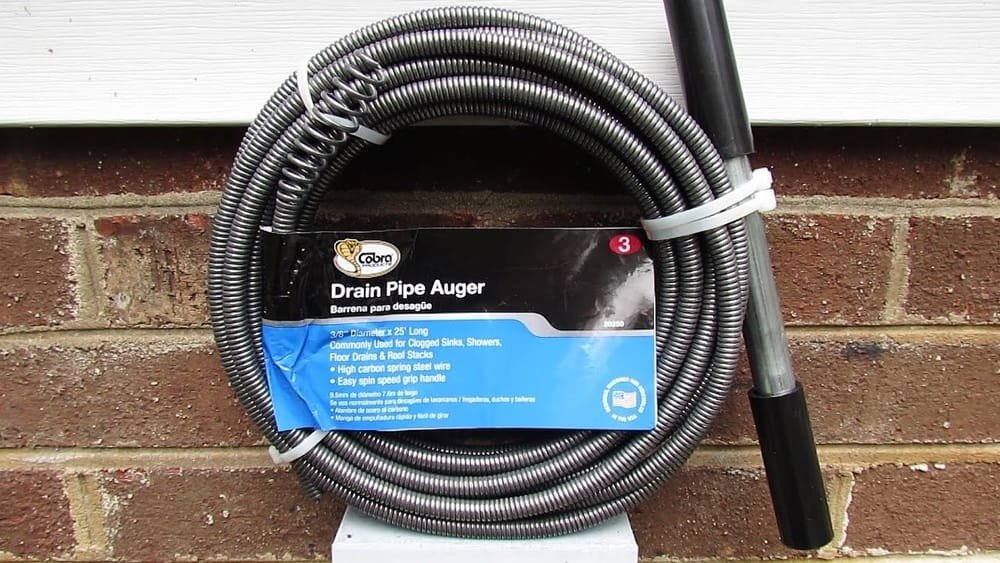
A manual drain snake (sometimes called a plumber’s snake or auger) is a simple tool that helps clear blockages in pipes. It’s a long, flexible metal cable with a spiral tip. You feed it down the drain and twist it by hand. The tip grabs or breaks up clogs so water can flow again.
When my kitchen sink was blocked last year, I bought my first drain snake. It looked intimidating at first. But after a few tries, I realized it’s actually straightforward. Manual snakes are great for home use because they don’t require electricity and work on most household drains.
Why Choose A Manual Drain Snake?
Many people try chemical cleaners or plungers first. I did too. But chemicals often don’t work for tough clogs, and plungers only help with shallow blockages. Manual drain snakes go deeper and tackle stubborn debris, like hair or grease.
Here’s what I noticed after using both:
| Method | Effectiveness | Safety | Cost |
|---|---|---|---|
| Manual Drain Snake | High (deep clogs) | Safe | Low (one-time purchase) |
| Chemical Cleaner | Low/Medium (surface clogs) | Can damage pipes | Ongoing cost |
| Plunger | Medium (surface clogs) | Safe | Low |
From my experience, a manual drain snake is the best balance of effectiveness, safety, and price.
Types Of Manual Drain Snakes
Before buying, I checked different types. Here are the main ones I found:
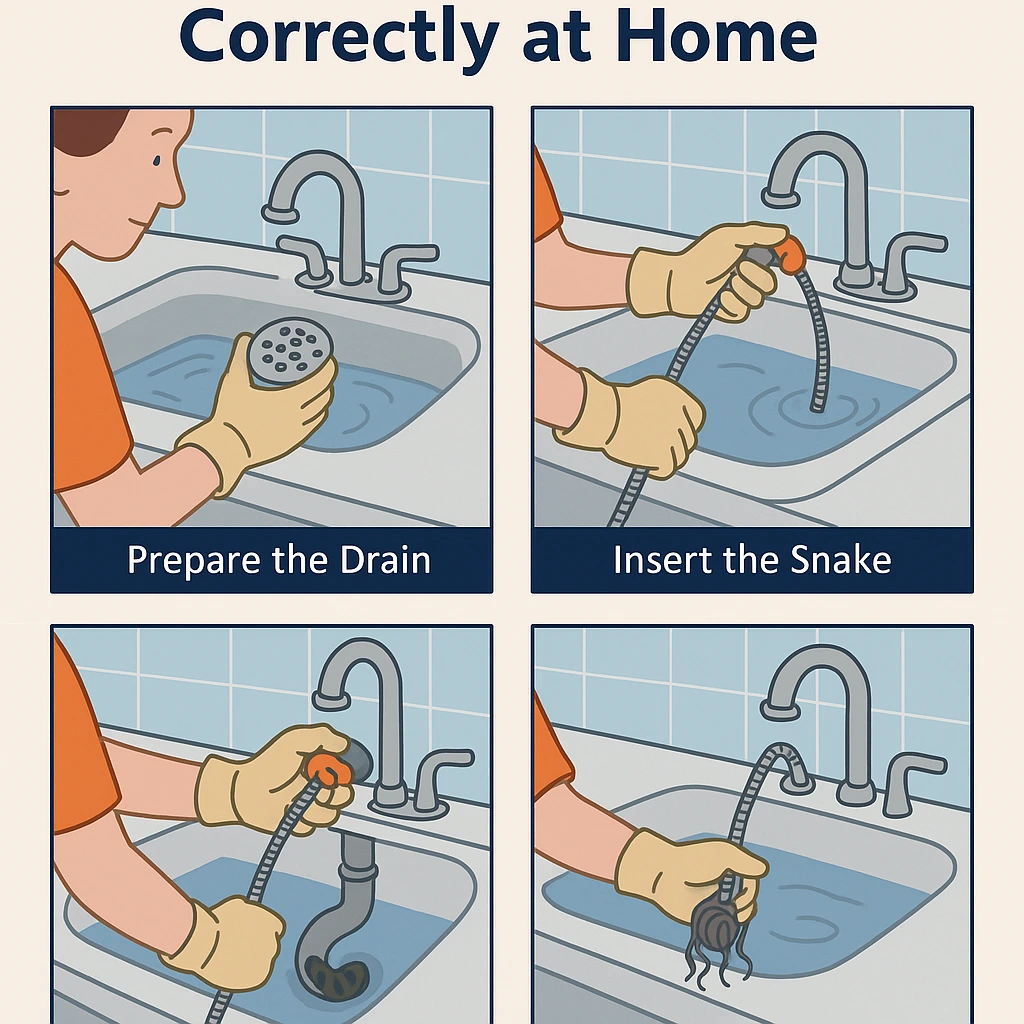
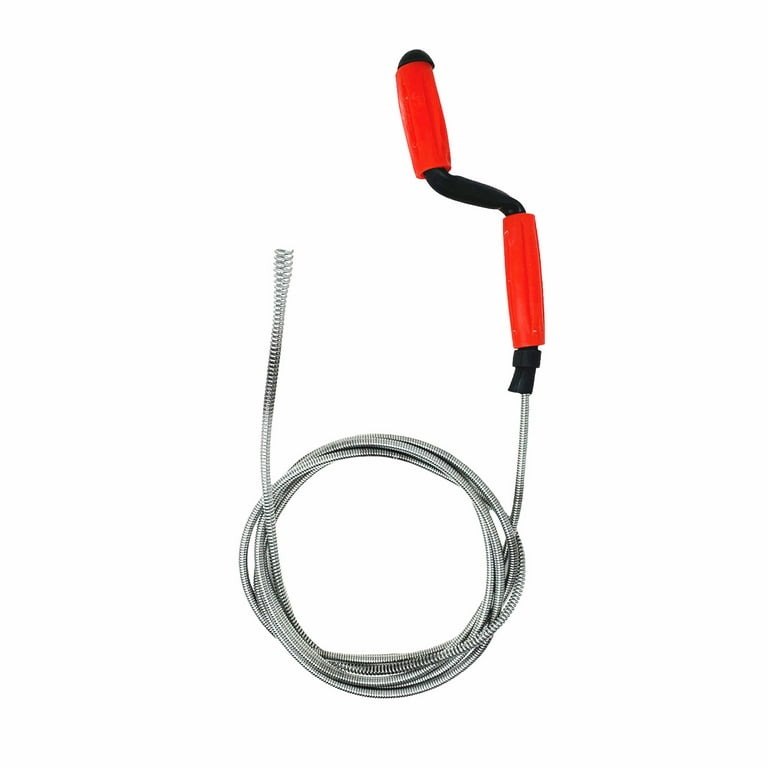
- Hand-crank drain snake: This is the classic version. You turn a handle to feed the cable down the pipe.
- Flat tape snake: The cable is a flat metal tape, good for narrow pipes.
- Toilet auger: Designed for toilets, with a protective cover so you don’t scratch porcelain.
I went with the hand-crank snake. It worked for sinks, tubs, and shower drains. If you only need to unclog toilets, the toilet auger is better.
| Snake Type | Best Use | Length | Price Range |
|---|---|---|---|
| Hand-crank | Sinks, tubs | 15–25 ft | $15–$35 |
| Flat tape | Small pipes | 10–20 ft | $10–$30 |
| Toilet auger | Toilets | 3–6 ft | $20–$40 |
Preparing To Use A Drain Snake
Getting ready is half the battle. I learned the hard way that a little prep makes things smoother.
What You’ll Need
- Manual drain snake
- Bucket (for water or debris)
- Rubber gloves (protect your hands)
- Old towels (to cover the area)
- Flashlight (if the area is dark)
I always lay down towels. Sometimes water spills out when you pull the snake back. Gloves are a must—drains are messy and you don’t want to touch anything gross.
Safety Tips
- Turn off water to the drain you’re working on.
- Don’t force the snake if it won’t go in. Forcing can damage pipes.
- Avoid chemicals before snaking. They can splash on your skin.
Once, I made the mistake of using a chemical cleaner first. When I used the snake, the chemical splashed up and burned my arm. Now, I always avoid chemicals if I plan to snake.
Step-by-step: How To Use A Manual Drain Snake
Here’s how I unclog drains at home. I’ll break it down step by step. Even if you’re a beginner, you can do this.
1. Remove The Drain Cover
Most sinks and tubs have a cover or stopper. I use a screwdriver or pliers to take it off. This gives better access for the snake.
2. Insert The Snake Slowly
Feed the tip of the snake into the drain opening. Hold the handle steady. Gently push the cable in. Don’t rush—slow and steady wins.
3. Start Turning The Handle
As the cable enters the pipe, start turning the handle clockwise. The snake will travel deeper. If you feel resistance, it’s likely the clog. Keep turning, but don’t force.
4. Break Up Or Grab The Clog
Once the tip reaches the blockage, twist and push. Sometimes, you hear a scraping sound. I usually turn the handle back and forth. This helps the snake break up hair, soap, or food stuck in the pipe.
One time, I pulled the snake back and found a huge wad of hair wrapped around the tip. It was gross, but it meant the drain was clear.
5. Pull Out The Snake
After you feel the blockage is gone, slowly pull the snake out. Have your bucket ready. Debris may come out with the cable.
6. Flush The Drain
Turn on the tap and let water run for a few minutes. If it drains quickly, you’re done! If it’s still slow, repeat the process.
7. Clean Up
Wash the snake with soap and water. Dry it before storing. Clean up any mess around the area.
Common Mistakes And How To Avoid Them
When I started, I made plenty of mistakes. Let me save you some trouble.
- Forcing the cable: Pushing too hard can bend or break the snake. Go slow.
- Skipping gloves: Drains are dirty. Always wear gloves.
- Not removing drain cover: It blocks the cable from entering fully.
- Using chemicals first: As I mentioned, they can splash and burn.
- Not cleaning the snake after use: If you don’t clean it, it smells bad and can rust.
A non-obvious tip: If your snake gets stuck, try reversing the handle slowly. This often frees it without damage.
When To Use A Manual Drain Snake
I’ve used my drain snake for:
- Kitchen sinks: Grease and food blockages
- Bathroom sinks: Hair and soap buildup
- Bathtubs/showers: Hair clogs
- Toilets: With a toilet auger
For main sewer lines or very deep clogs, a manual snake isn’t enough. That’s when you need a professional or a powered snake.
How Often Should You Snake Your Drains?
I snake my kitchen sink once every 6 months, even if it isn’t clogged. Preventive snaking keeps pipes clean and avoids big blockages. If you notice slow draining, it’s time to snake.
Choosing The Right Drain Snake
There are many brands and types. I tried a cheap model first. It broke after two uses. Now, I always check for:
- Sturdy handle: Cheap handles crack under pressure.
- Length: I prefer 20–25 feet for flexibility.
- Spiral tip: It grabs hair and debris better.
Some brands offer lifetime warranties. If you can, buy one with a guarantee.
| Brand | Length | Handle Material | Warranty |
|---|---|---|---|
| Cobra | 25 ft | Plastic | 1 year |
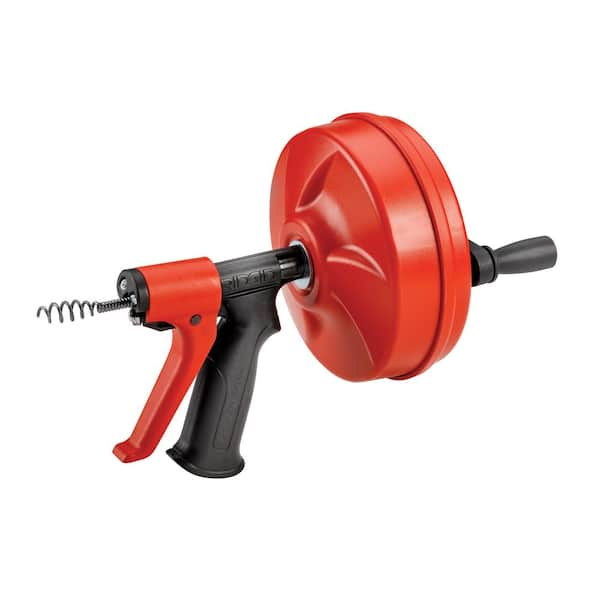
| RIDGID | 20 ft | Steel | Lifetime |
| General Tools | 15 ft | Plastic | None |
I found the RIDGID snake to be the most reliable. It’s a bit more expensive, but it lasts longer.
Practical Tips For Better Results
Here are some tricks I wish I knew earlier:
- Warm up the snake: Run hot water over the cable. It becomes more flexible and easier to feed.
- Use a flashlight: It helps you see inside the drain and spot the blockage.
- Twist, don’t push: The twisting motion breaks up clogs better than brute force.
- Have a helper: Sometimes, it helps to have someone hold the handle while you feed the cable.
Another tip: If your drain is still slow after snaking, check the trap underneath. It’s the U-shaped pipe. Sometimes debris collects there and needs to be cleaned manually.
What To Do If The Snake Doesn’t Work
Sometimes, even after snaking, the drain stays clogged. I faced this once in my bathroom. Here’s what I did:
- Checked the trap and cleaned it.
- Tried a longer snake (my first snake was only 10 ft).
- Called a plumber when nothing worked.
If your blockage is very deep or the snake can’t reach, you may need professional help. Main sewer lines require bigger tools.
Cleaning And Storing Your Drain Snake
After each use, I clean the snake with soap and water. I dry it thoroughly to prevent rust. I store it in a plastic bag in my garage. This keeps it clean and ready for next time.
Benefits Of Using A Manual Drain Snake
Since I started using a manual drain snake, I’ve saved a lot of money. Plumbers often charge $100–$200 per visit. My snake cost $25 and has lasted years.
It also gives peace of mind. If my drain is slow, I don’t panic. I just grab my snake and fix it in minutes. Plus, I avoid harsh chemicals that could damage pipes.
Real-life Example: My Worst Clog
Let me share a story. One morning, my kitchen sink wouldn’t drain. I tried a plunger—nothing happened. I poured in a chemical cleaner, but it didn’t work either.
Finally, I used my manual drain snake. I pushed the cable in about 15 feet. Suddenly, I felt resistance. After twisting for a few minutes, I pulled the cable out. A sticky ball of grease and food came out. The sink drained perfectly afterward.
This experience taught me that manual drain snakes are powerful. They handle tough clogs when other tools fail.
Frequently Asked Questions
What Size Drain Snake Should I Use For My Sink?
For most sinks, a 15–25 foot snake works well. Choose one with a spiral tip for better grip on hair and debris.
Can A Manual Drain Snake Damage Pipes?
If you use it gently and don’t force the cable, it’s safe. Forcing can scratch or break pipes, especially old ones. Always twist, never push hard.
Do I Need A Different Snake For Toilets?
Yes. Use a toilet auger for toilets. It’s made to protect the porcelain and reach deeper blockages.
How Often Should I Clean My Drain Snake?
Clean your snake after every use with soap and water. Dry it to prevent rust. Store it in a dry place.
Are Manual Drain Snakes Better Than Chemical Cleaners?
In most cases, yes. Manual snakes clear deep clogs and don’t damage pipes. Chemicals can be harsh and may only work for minor blockages. For more details, check this Wikipedia page.
Using a manual drain snake changed the way I deal with plumbing problems. It’s a tool that every homeowner should have. If you’re nervous, trust me—you can do it. Just follow the steps, take your time, and you’ll clear your drains easily.
As an Amazon Associate, We earn from qualifying purchases