
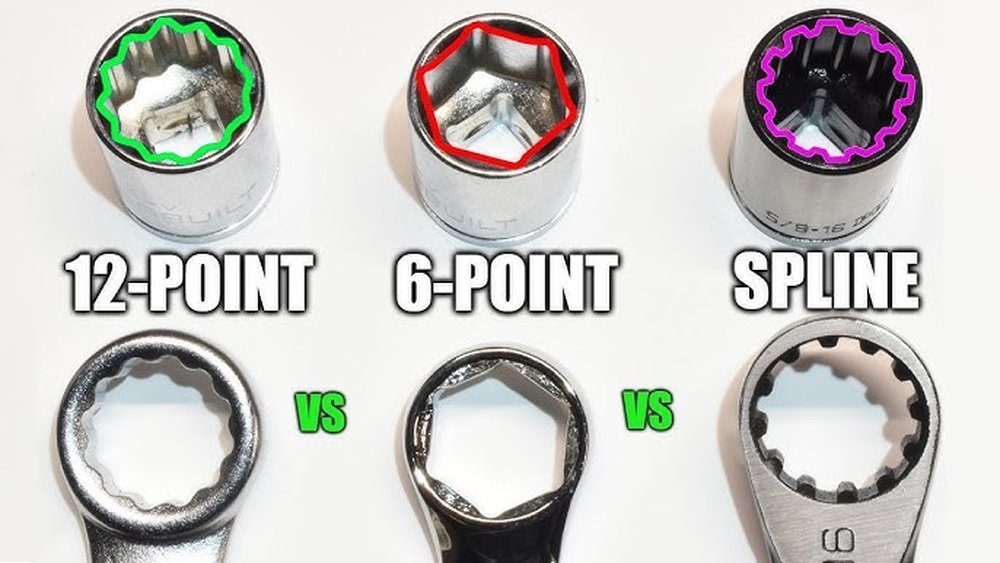
When you open your toolbox, you might see wrenches with different shapes inside the jaws. Some have six points, while others have twelve. At first glance, they look similar, but these details make a big difference in real-world use. Many people, even professionals, sometimes wonder which type to use and why. Understanding the difference between 6 point and 12 point wrenches can save time, prevent tool damage, and make tough jobs much easier.
A wrench is more than just a piece of metal—it’s your main connection to nuts and bolts. If you’ve ever stripped a bolt or hurt your knuckles because the wrench slipped, you know how important the right choice is. In this article, you’ll learn the main differences between 6 point and 12 point wrenches, their strengths, their weaknesses, and when to use each one.
We’ll cover everything, from how they grip bolts to which is best for tight spaces, and even share tips that many beginners overlook.
What Is A 6 Point Wrench?
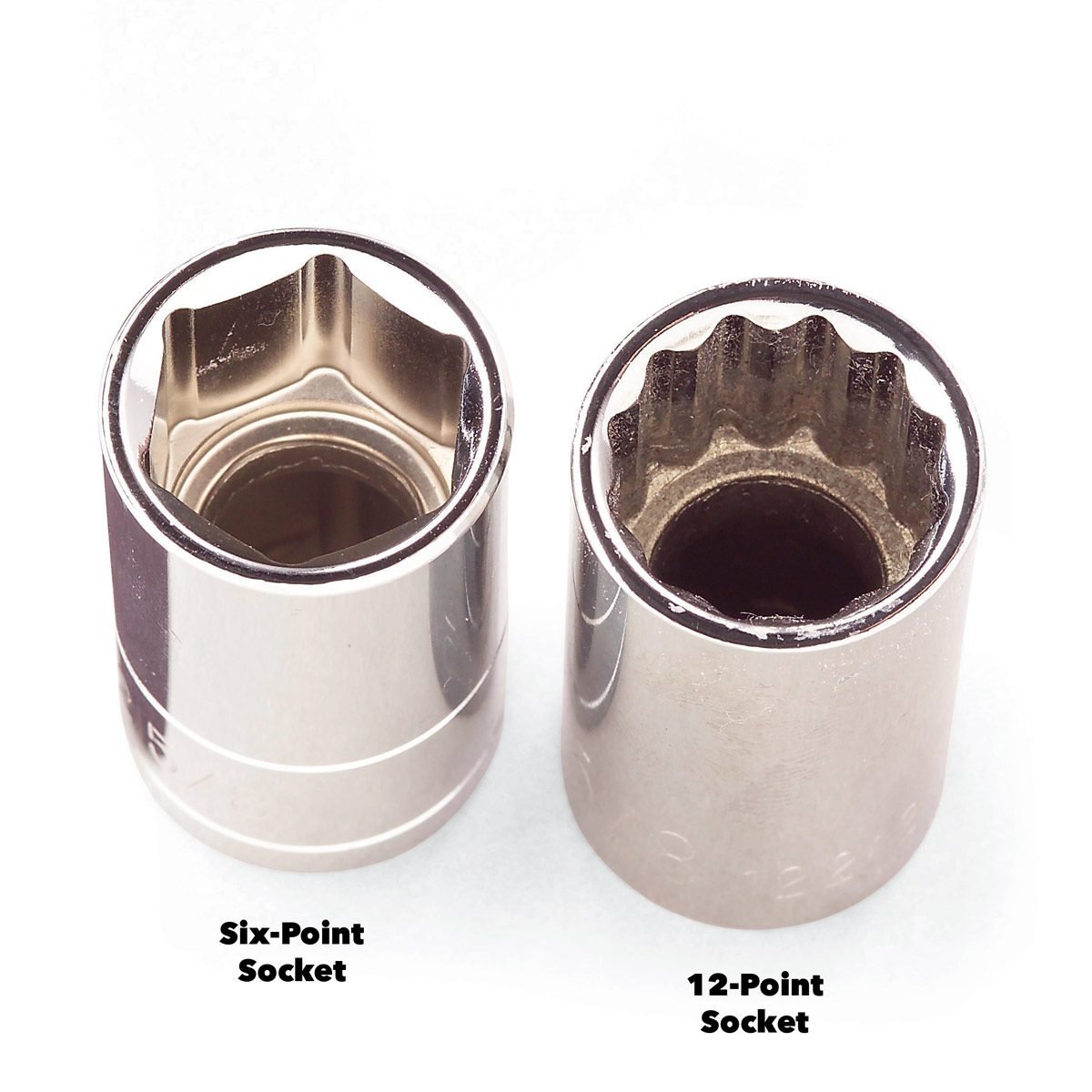
A 6 point wrench has a closed end shaped like a hexagon—six sides, just like most nuts and bolts. This shape matches the standard bolt head, giving a very secure grip.
How 6 Point Wrenches Work
When you use a 6 point wrench, the jaws contact the bolt on its flat sides, not the corners. This means the force is spread out evenly, reducing the chance of rounding off the bolt. These wrenches are popular in heavy-duty work, like automotive repair, machinery, and construction.
Benefits Of 6 Point Wrenches
- Maximum grip strength – The six-sided design grips bolt flats tightly.
- Less chance of slipping – Because they hold better, they’re less likely to slip and damage bolts.
- Strong and durable – They handle high torque, great for stubborn or rusted bolts.
- Protects fasteners – Less likely to round off corners, extending the life of your nuts and bolts.
Common Uses
6 point wrenches are the top choice for mechanics working on engines, suspension parts, or anywhere bolts are tight and hard to turn. They’re also used in industrial maintenance, especially where high torque is required.
What Is A 12 Point Wrench?
A 12 point wrench looks similar, but the closed end has twelve small points. This design lets you fit the wrench over the bolt in twice as many positions as a 6 point wrench.
How 12 Point Wrenches Work
With more contact points, a 12 point wrench can engage a nut or bolt every 30 degrees, instead of every 60 degrees like a 6 point. This is very helpful in tight spaces where you can’t swing the wrench much.
Benefits Of 12 Point Wrenches
- Easy to position – You can fit the wrench onto the bolt in more angles, saving time in cramped areas.
- Faster work – Less time spent finding the right fit, especially in engine bays or behind panels.
- Versatile – Can be used on both hex (6-sided) and double hex (12-sided) fasteners.
Common Uses
12 point wrenches are favorites for general mechanics, assembly work, and any job where space is limited. Electricians and HVAC technicians also use them when working around pipes or wiring.
6 Key Differences Between 6 Point And 12 Point Wrenches
Choosing between a 6 point and a 12 point wrench is about more than just the number of corners. Here are the six most important differences, each explained clearly so you can make the right choice for your job.
1. Grip Strength And Bolt Protection
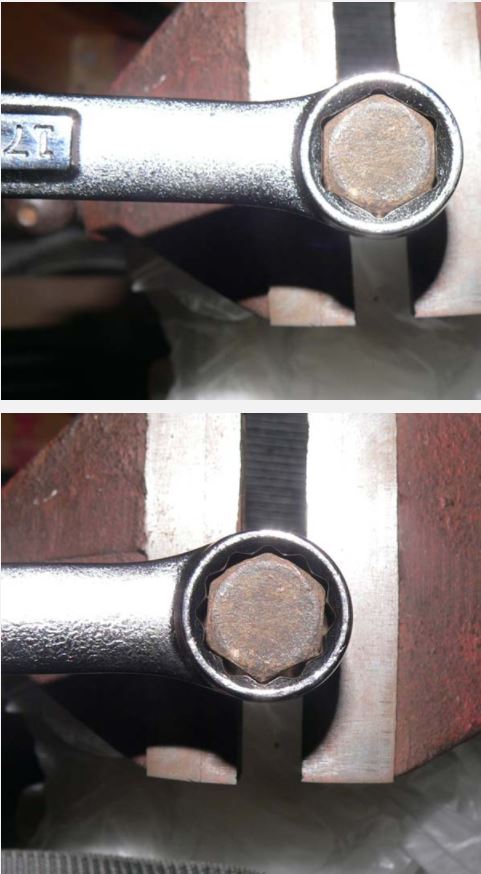
6 point wrenches grip the bolt on its flats, not the corners. This means the force is applied more evenly, making it much harder to round off or damage the bolt head. For stuck, rusted, or high-torque bolts, this extra grip really matters. If you often work on older cars or heavy equipment, a 6 point wrench is safer for your bolts.
12 point wrenches, on the other hand, contact the bolt at more places but with less surface area per contact. This increases the chance of slipping, especially on bolts that are already worn. If you use a 12 point wrench with a lot of force, you might strip the bolt.
2. Accessibility In Tight Spaces
12 point wrenches shine in tight spots. Because you can fit them onto the bolt in twice as many positions, you don’t need to swing your wrench as far to reposition. This is a big advantage under the hood of a car, inside machines, or behind walls. Even if you only have a little room to move, you can still turn the bolt.
6 point wrenches need more space to fit onto the bolt, since there are only six positions. In very tight places, this can slow you down or even make the job impossible.
3. Torque Handling
6 point wrenches are designed to handle more torque (twisting force). Because the jaws grip the flat sides of bolts, you can safely apply more force without damaging the wrench or the bolt. That’s why mechanics use them for wheel nuts, engine bolts, and suspension work.
12 point wrenches are not built for maximum torque. They are more likely to slip when you apply a lot of force. If you try to loosen a rusted bolt with a 12 point wrench, you might just round it off.
4. Versatility
12 point wrenches are more versatile because they fit both hex (6-sided) and double hex (12-sided) bolts. In some industries, you may come across 12-sided bolts, and only a 12 point wrench will fit.
6 point wrenches fit only standard hex bolts. If your job involves a lot of different fastener types, a 12 point set might be more useful.
5. Speed And Convenience
12 point wrenches allow for faster work because you can re-engage the wrench with less movement. This is helpful for assembly lines, maintenance, or any job with lots of repetitive bolt turning.
6 point wrenches are slower in this respect, since you need to lift and reposition the wrench more often.
6. Cost And Availability
Both types are easy to find, but 12 point wrenches are often included in basic tool kits, especially the cheaper ones. They are sometimes less expensive, but that’s not always true for higher-quality brands. 6 point wrenches can be a bit pricier, especially in heavy-duty sets, because they use more metal and are designed for higher stress.
| Feature | 6 Point Wrench | 12 Point Wrench |
|---|---|---|
| Grip Strength | Very High | Moderate |
| Best For | High Torque, Stuck Bolts | Tight Spaces, Fast Work |
| Access Positions | 6 | 12 |
| Cost | Medium–High | Low–Medium |
| Versatility | Hex Bolts Only | Hex & Double Hex Bolts |
When Should You Use A 6 Point Wrench?
A 6 point wrench is the best choice when you need strength and security. If you are removing lug nuts from a car, working on machinery, or dealing with rusty or frozen bolts, this is your go-to tool. The strong grip helps avoid stripping the bolt, which can be a nightmare to fix.
For jobs where you need to apply a lot of torque—like suspension, brakes, or engine components—a 6 point wrench is safer for both you and the hardware. Many experienced mechanics keep both types, but always reach for the 6 point first on tough bolts.
Pro Tip: If you only buy one good set, choose 6 point wrenches for most automotive and heavy-duty work.
When Should You Use A 12 Point Wrench?
A 12 point wrench is ideal for situations where space is tight and you need speed. Assembly lines, home repairs under sinks, HVAC installations, or electrical work often involve bolts in hard-to-reach places. Here, being able to fit the wrench onto the nut every 30 degrees makes a big difference.
If you work with 12-sided bolts (rare, but found in some machines and military applications), you must use a 12 point wrench. For light-duty work, where torque is not high, a 12 point wrench will get the job done quickly.
Pro Tip: In a cramped engine bay or behind furniture, the 12 point wrench can save your knuckles and your patience.
Real-world Examples And Mistakes Beginners Make
Let’s look at practical situations. Suppose you’re changing the oil on your car and need to remove a stubborn drain bolt. Using a 12 point wrench can cause the wrench to slip, rounding off the bolt head. If this happens, you may need to cut the bolt or use special tools to remove it—a real headache.
Or, if you’re installing a bathroom sink and the nut is tucked behind pipes, a 6 point wrench won’t fit in the small space. You’ll waste time trying, and might end up damaging the sink. Here, a 12 point wrench gets the job done with less effort.
Beginner mistakes:
- Using 12 point wrenches for heavy-duty bolts, which often leads to stripping.
- Assuming all wrenches are the same, and not checking the number of points.
- Over-tightening bolts with a 12 point wrench, risking damage to the tool and the bolt.
Tips For Choosing The Right Wrench Set
- Assess your needs – For automotive, heavy machinery, or construction, go for a 6 point set. For home repairs or assembly, a 12 point set is usually fine.
- Check material quality – Look for wrenches made from chrome vanadium steel or similar strong metals.
- Pay attention to fit – Always match the wrench size to the bolt. Loose wrenches damage bolts, no matter how many points.
- Keep both types – If budget allows, own both. Many professionals do this to cover all situations.
- Avoid cheap tools – Low-quality wrenches (often found in discount sets) can bend or break easily.
- Maintain your tools – Clean and store wrenches properly to extend their life and safety.
| Situation | Best Wrench Type | Reason |
|---|---|---|
| Removing rusted bolts | 6 Point | Prevents rounding, handles high torque |
| Assembly in tight space | 12 Point | More positions, easier fit |
| General maintenance | 12 Point | Speed and convenience |
| Heavy-duty repairs | 6 Point | Maximum strength, bolt protection |
Advanced Insights: What Most People Miss
Many beginners think more points always mean better grip. This is not true. Grip depends on surface area, not just the number of contact points. 6 point wrenches have wider contact areas, which is why they don’t round off bolts easily.
Another thing people overlook is material hardness. Some 12 point wrenches from cheap sets are made of softer metal. They may look shiny, but they can bend or wear out quickly. Investing in good tools pays off in the long run.

Frequently Asked Questions
What’s The Main Difference Between A 6 Point And A 12 Point Wrench?
The main difference is the number of contact points inside the wrench head. A 6 point wrench fits onto a bolt in six positions, giving a stronger grip. A 12 point wrench fits in twelve positions, making it easier to use in tight spaces but with less grip strength.
Can I Use A 12 Point Wrench On All Bolts?
You can use a 12 point wrench on most standard bolts, but it’s not recommended for high-torque or rusted bolts. For those, a 6 point wrench is safer and less likely to damage the bolt.
Are 6 Point Wrenches Better For Automotive Work?
Yes, 6 point wrenches are generally better for automotive tasks, especially on engine and suspension bolts, because they provide better grip and reduce the chance of rounding off bolts.
Why Do Some Tool Sets Include Only 12 Point Wrenches?
Many tool sets include only 12 point wrenches because they are more versatile and easier for general use, especially in tight spaces. However, they are not always the best choice for heavy-duty work.
Where Can I Learn More About Wrench Types And Their Uses?
You can find more detailed information on wrench types and applications at the Wikipedia page on wrenches.
Choosing between a 6 point and a 12 point wrench is not just about what’s available in your toolbox. Each has its strengths, and understanding these can help you work faster, safer, and with better results. Whether you’re a hobbyist or a professional, knowing which wrench to use and when is a skill that pays off every time you turn a bolt.
As an Amazon Associate, We earn from qualifying purchases