
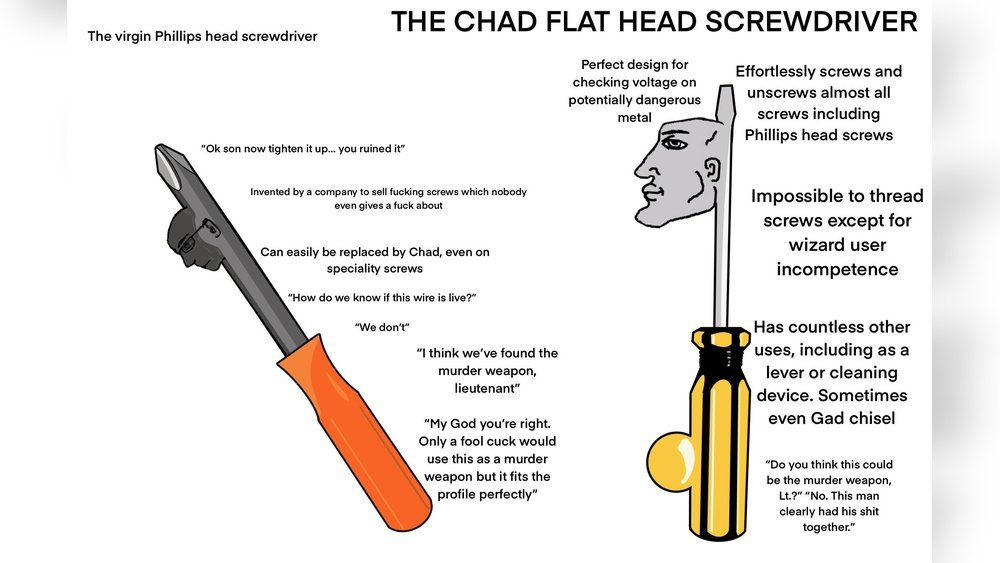
The simple act of driving a screw seems easy—until you pick the wrong tool. Walk into any toolbox or hardware store and you’ll see two main choices: the Phillips screwdriver and the flathead (also called slotted) screwdriver. These tools look basic, but each has unique strengths and weaknesses that can make your next project smooth—or frustrating. Whether you’re new to DIY, a hobbyist, or a professional, understanding the difference between these two screwdrivers can save you time, money, and even prevent damage to your work. Let’s explore their history, design, best uses, and how to choose the right one.
What Is A Phillips Screwdriver?
The Phillips screwdriver is the tool with a cross or “plus” shape at the tip. It fits into screws with a matching cross-shaped slot. This design was invented by Henry F. Phillips in the 1930s to improve assembly line work, especially for the fast-growing auto industry. The key feature of a Phillips screw is its ability to “cam out,” or slip out of the screw head, when too much torque is applied. This prevents over-tightening, which can strip the screw or damage the material.
Phillips screwdrivers come in several sizes, usually numbered from #0 (small) to #4 (large). The most common size for household use is #2. The cross design helps center the screwdriver automatically, making it easier to use with power tools and in quick assembly.
Key Advantages Of Phillips Screwdrivers
- Self-centering tip: Helps you align quickly, even with one hand.
- Prevents over-tightening: Cam-out feature protects screws and materials.
- Works well with power tools: The cross shape grips well in fast rotation.
- Widely used: Most electronics, appliances, and furniture use Phillips screws.
Drawbacks Of Phillips Screwdrivers
- Cam-out can be a problem: While it prevents over-tightening, it can slip out too soon.
- Not suitable for high-torque jobs: The design will force the tool to slip if you need a very tight fit.
- Screw head can strip: Especially if you use the wrong size or too much force.
What Is A Flathead (slotted) Screwdriver?
The flathead screwdriver has a single flat blade and fits into screws with a straight, single slot. This is the oldest type of screwdriver, dating back to the 15th century. Its simplicity means it’s found in almost every toolbox, and the screws are often used in woodworking, electrical work, and older furniture.
Flathead screwdrivers come in many blade widths and thicknesses, so picking the right size for your screw is important. Too narrow, and you risk damaging the screw; too wide, and it won’t fit.
Key Advantages Of Flathead Screwdrivers
- Simple, universal design: One flat blade can fit many screw sizes.
- Works in tight spaces: The thin blade can fit into narrow slots or gaps.
- Easy to make and find: Almost every hardware store will have many sizes.
Drawbacks Of Flathead Screwdrivers
- Slips easily: The blade can slip out of the slot, especially if not held straight.
- Less efficient with power tools: The blade can slip and damage the screw or surface.
- Not self-centering: You need to line up the blade carefully each time.
Head-to-head Comparison
To see how these two tools measure up, here’s a comparison of the most important factors:
| Feature | Phillips | Flathead |
|---|---|---|
| Tip Shape | Cross (+) | Flat (—) |
| Self-Centering | Yes | No |
| Cam-Out (Slip) | Designed to slip at high torque | Slips easily if not aligned |
| Power Tool Compatibility | Excellent | Poor |
| Common Uses | Electronics, appliances, vehicles | Woodworking, electrical, antiques |
| Availability | Very common | Universal |
Where Each Screwdriver Shines
Best Uses For Phillips Screwdrivers
Phillips screwdrivers are the go-to tool for:
- Assembling furniture: Most flat-pack furniture uses Phillips screws.
- Electronics repair: Laptops, phones, and gadgets often use small Phillips screws.
- Automotive work: Many car parts use Phillips fasteners.
- Appliance assembly: Washing machines, microwaves, and fridges use these screws.
The cross design helps you work quickly and avoid damaging the screw or product. If you use a power drill, the Phillips head’s self-centering shape means fewer slips and less frustration.
Best Uses For Flathead Screwdrivers
Flathead screwdrivers are ideal when:
- Working with older wood furniture: Antique or vintage pieces often use slotted screws.
- Doing electrical work: Many outlet covers and electrical boxes use flathead screws for a secure fit.
- Prying or scraping: The flat blade can double as a light pry bar or scraper in a pinch.
- Opening paint cans: The strong, flat tip can lift lids easily.
A flathead is also handy for quick fixes when you don’t have the exact right tool—a butter knife or coin can even fit a slotted screw in emergencies.

Durability And Wear
Both Phillips and flathead screwdrivers can last for years if well-made and used properly. But there are differences in how they wear out:
| Durability Factor | Phillips | Flathead |
|---|---|---|
| Tip Strength | Moderate (prone to rounding if misused) | High (can chip if used for prying) |
| Resistance to Stripping | Lower (cam-out can damage screw head) | Moderate (slips can damage both screw and tool) |
| Replacement Frequency | Medium | Low (unless abused as a pry tool) |
A common insight many beginners miss is that using the wrong size screwdriver is the fastest way to ruin both the tool and the screw. Always match the tip size to the screw.
Safety And Handling Tips
Using any screwdriver the wrong way can cause injury or damage. Here are some tips for safe and effective use:
- Use the right size: Both Phillips and flathead screwdrivers come in many sizes. The tip should fit snugly in the screw slot—loose tips slip and cause damage.
- Apply straight pressure: Keep the screwdriver aligned with the screw. Angled pressure increases the chance of slipping.
- Don’t use as a pry bar: Flathead screwdrivers are often abused as levers, but this can bend or chip the blade.
- Check the handle grip: Use a tool with a comfortable, non-slip handle for better control.
- Replace worn tools: Rounded or chipped tips make work harder and less safe.
One overlooked detail: a dull or worn screwdriver not only makes the job slower but also increases the risk of slipping and injury. Inspect your tools before starting any project.
Cost And Availability
Both Phillips and flathead screwdrivers are affordable and easy to find. A quality basic set with several sizes of each type usually costs between $10 and $30. Specialty or precision screwdrivers for electronics may cost a bit more, but for most home use, you don’t need to spend much.
Higher-priced screwdrivers often have features like:
- Magnetic tips: Hold screws in place for easier starting.
- Ergonomic handles: Reduce hand fatigue.
- Precision ground tips: Fit screws better and last longer.
Don’t buy the cheapest set you find—poorly made tools can round off quickly or snap under pressure.
Common Myths And Mistakes
Many people think any screwdriver can fit any screw if you push hard enough, but this causes more harm than good. Some common beginner mistakes include:
- Using a Phillips for a flathead screw: The cross tip won’t grip properly and can damage the screw.
- Forcing a flathead into a Phillips screw: This damages both the tool and the screw slot.
- Mixing up sizes: Using a tip that’s too small or large leads to stripping the screw or slipping.
A surprising insight: Some screws that look like Phillips are actually a different type, such as Pozidriv or JIS. Using a standard Phillips screwdriver can damage these screws. Always check the screw head shape before starting.
When To Choose Phillips Vs Flathead
If you’re starting a new project or looking to expand your tool kit, here’s a quick guide:
- Use Phillips when: You’re working with modern, mass-produced products, especially those assembled with power tools. They’re best for speed and safety.
- Use Flathead when: You need a simple, strong fit, especially in woodworking or electrical work. They’re also handy for tasks beyond driving screws.
Don’t rely on just one type. Most experienced DIYers and professionals keep several sizes of each in their toolbox.
Real-world Example: Furniture Assembly
Let’s say you’re building a bookshelf from a popular flat-pack brand. Most of the screws will be Phillips. Using the correct Phillips #2 screwdriver, the screws go in easily, and the tool centers itself. Try the same with a flathead, and you’ll quickly notice the blade slips and damages the screw head.
Now, if you’re repairing an old wooden chair with slotted screws, the flathead’s strong, simple design is perfect. The Phillips tip would just spin uselessly in the slot.
This is why both tools have survived for decades: each one solves different problems.
The Future: Are Flatheads Becoming Obsolete?
While many new products use Phillips or even newer designs (like Torx or Robertson), flathead screws are not going away. They remain common in electrical work and restoration projects. In fact, building codes in the US still require slotted screws in many electrical applications.
The simplicity of the flathead also means it’s easy to use with makeshift tools in emergencies.
A Quick Reference For Diyers
Here’s a summary for when to reach for each tool:
| Scenario | Best Choice | Why |
|---|---|---|
| Assembling new furniture | Phillips | Self-centering, prevents over-tightening |
| Repairing old wood | Flathead | Fits traditional slotted screws |
| Electrical outlet covers | Flathead | Required by code, strong fit |
| Electronics repair | Phillips | Precision, common in devices |
| General emergencies | Flathead | Can substitute with other flat objects |
Frequently Asked Questions
What’s The Main Difference Between A Phillips And A Flathead Screwdriver?
The Phillips screwdriver has a cross-shaped tip that fits into matching screws, while the flathead has a single flat blade for slotted screws. Each fits a different screw type and is designed for different tasks.
Can I Use A Phillips Screwdriver On A Flathead Screw Or Vice Versa?
No, you should always match the screwdriver to the screw. Using the wrong type can damage both the screw and the tool, and may even injure you if the tool slips.
Why Do Phillips Screwdrivers Slip Out Of The Screw Head?
This is called “cam-out” and is actually a design feature. It helps prevent over-tightening and damaging the screw or material. However, it can be annoying if you need a very tight fit.
Which Screwdriver Should I Buy First For My Toolbox?
A Phillips #2 screwdriver is the most versatile for most modern screws. Add a medium-sized flathead for electrical work and older furniture repairs. A small set with several sizes of both is ideal.
Are There Other Screwdriver Types I Should Know About?
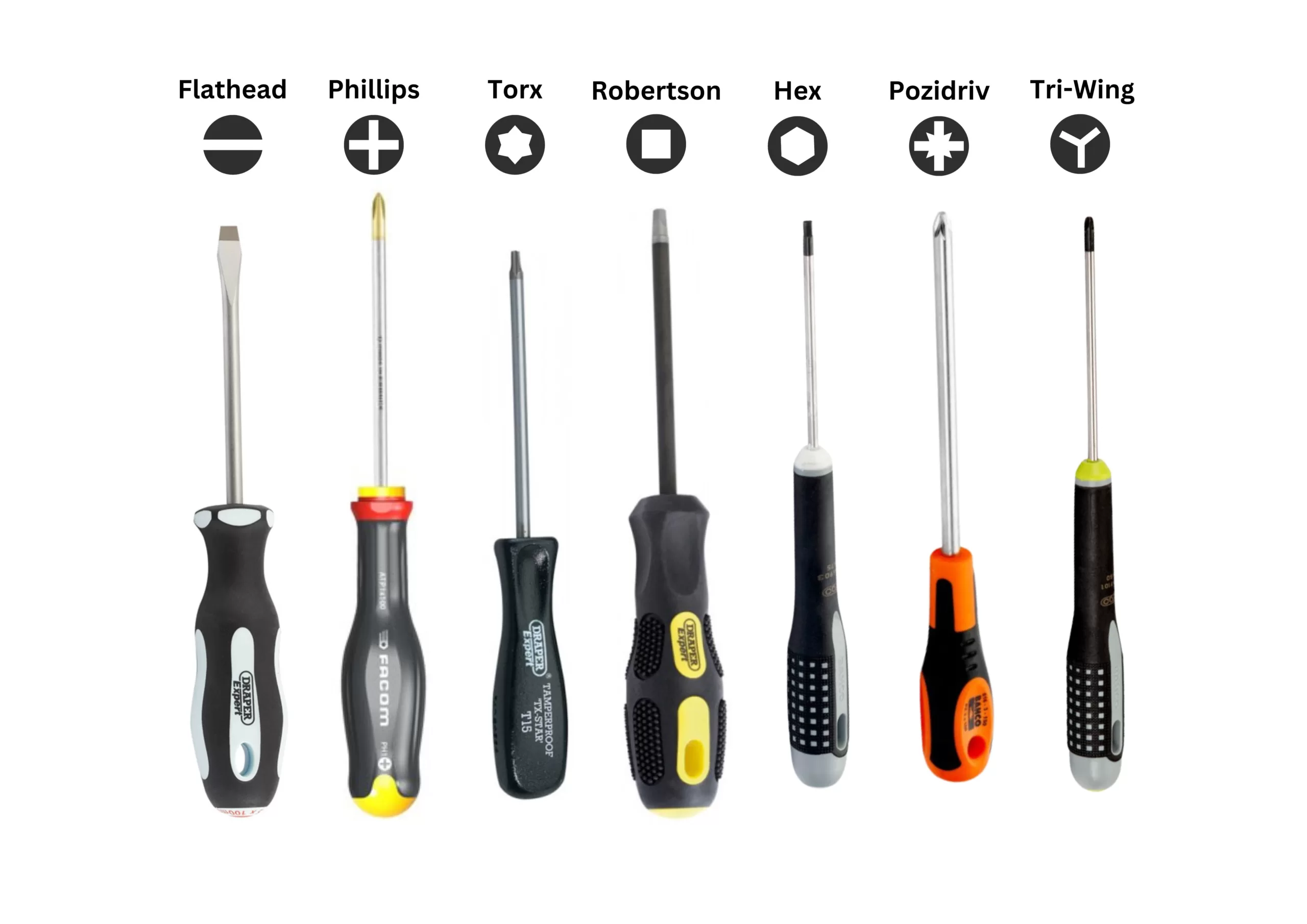
Yes, there are many: Torx (star-shaped), Robertson (square), Pozidriv, and more. Each has special uses. For most home projects, however, Phillips and flathead are the most important. For more details, see the Wikipedia page on screwdrivers.
Choosing the right screwdriver makes every job faster, safer, and less frustrating. With a solid understanding of Phillips and flathead screwdrivers, you’ll be ready for almost any basic repair or project. Always match your tool to your task, and your work will look and last better.
As an Amazon Associate, We earn from qualifying purchases