
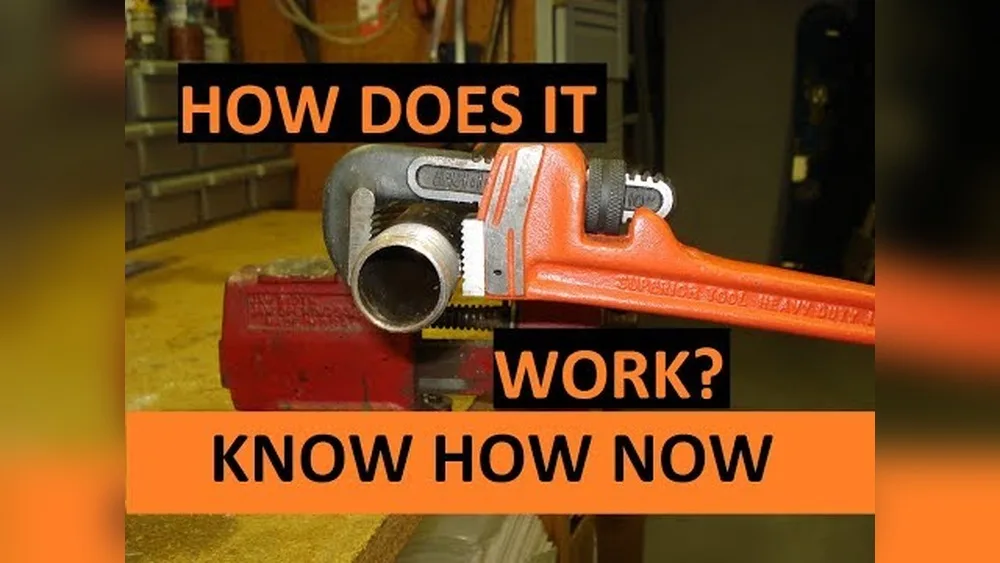
Have you ever needed a pipe wrench but didn’t have one handy? I have. More times than I care to admit! Over the years, I’ve worked on plumbing projects in my own home and helped friends with theirs. Sometimes, the right tool isn’t in the toolbox. But life doesn’t wait for the perfect moment or the perfect wrench.
If you’re stuck and thinking, “What can I use instead of a pipe wrench? ”—you’re not alone. I’ve tried almost every alternative you can imagine. Some work well, some just okay, and a few are better left in the drawer.
Here, I’ll walk you through the best substitutes for a pipe wrench, how to use them, and a few things I wish I’d known before I started.
Why You Might Need A Pipe Wrench Substitute
A pipe wrench is designed for gripping and turning pipes. Its teeth bite into metal and give you the leverage you need. But these wrenches are big, heavy, and not something everyone owns. Maybe yours broke, got lost, or you’re helping someone else and didn’t bring all your tools. Or perhaps you’re working in a tight space where a standard pipe wrench won’t fit.
That’s where substitutes come in. The trick is finding a tool that grips round, smooth surfaces firmly enough to turn them, without causing too much damage.
My Top Pipe Wrench Alternatives (and How Well They Work)
Here’s what I’ve used, what I’ve learned, and how each tool performed:
1. Adjustable Wrench (crescent Wrench)
This is my go-to when I can’t find my pipe wrench. An adjustable wrench has a sliding jaw and can fit different sizes of nuts and pipes. It’s easy to carry and most people have one.
But, there’s a catch. Pipes are round and smooth. The adjustable wrench doesn’t have teeth, so it sometimes slips. If you squeeze too hard, you might strip the pipe or bruise your knuckles. I’ve wrapped a rag or some duct tape around the pipe to get more grip, and that helps a lot.
Best for: Small jobs, tight spots, and soft metals
Watch out: Don’t use too much force or you’ll round off the pipe’s edges
2. Channel Lock Pliers (groove Joint Pliers)
Also called tongue-and-groove pliers, these are a favorite in my toolbox. Their jaws open wide, and the long handles give good leverage. The teeth grip pipes much better than smooth wrenches.
Channel locks can handle pipes up to 2 inches, sometimes more. I find these work great for stubborn fittings—especially in places where a pipe wrench is too big or awkward. One tip: always grip the pipe with the teeth facing the direction you want to turn. That way, they bite in instead of sliding off.
Best for: Medium-sized pipes, plumbing under sinks, tight spaces
Watch out: The teeth can scratch soft metal pipes, so be gentle
3. Strap Wrench
When I worked on my neighbor’s old copper pipes, I learned about the strap wrench. This tool uses a strong rubber or fabric strap that wraps around the pipe. It grips by friction instead of teeth, so it won’t scratch or crush the pipe.
Strap wrenches are perfect for polished, painted, or soft pipes. I especially like them for plastic or chrome fittings. They aren’t great for stuck or rusted joints, but for anything delicate, they’re magic.
Best for: Chrome, plastic, or painted pipes
Watch out: Not strong enough for heavy-duty or rusted pipes
4. Locking Pliers (vise-grips)
Vise-grips are a lifesaver when you need a tight, steady hold. You clamp them onto the pipe, lock them in place, and turn. I’ve used them on old galvanized pipes and even for removing stuck shower heads.
But vise-grips have a small jaw, so they only work on smaller pipes. They can also leave marks or dents if you squeeze too hard. One trick is to adjust the tension so they grip without crushing.
Best for: Small pipes, stuck fittings, odd shapes
Watch out: Can damage pipes if over-tightened
5. Standard Pliers
Let’s be honest: regular pliers aren’t perfect for pipes. But in a pinch, I’ve used them for tiny jobs, like tightening a loose nut or small copper pipe. They don’t have much leverage and can slip easily.
If you try this, grip as close to the joint as you can. Don’t force it—if it doesn’t budge, switch to something better.
Best for: Very small pipes and nuts
Watch out: Limited grip, easy to slip
6. Monkey Wrench
Some folks think a monkey wrench and a pipe wrench are the same. They aren’t. The monkey wrench has smooth jaws, so it’s better for nuts and bolts than round pipes. But I’ve used one by wrapping the pipe in a rubber strip for grip.
It’s heavy and can damage pipes if you’re not careful, but in a jam, it’s better than nothing.
Best for: Large nuts and bolts, flat-sided fittings
Watch out: Slips on smooth, round pipes
7. Oil Filter Wrench
I know, this sounds odd. But the oil filter wrench from my car kit has saved me when I needed to turn a slippery pipe. It works much like a strap wrench. The band wraps around the pipe and tightens as you turn.
It’s not designed for plumbing, but for plastic or thin-walled pipes, it can work. Just don’t use too much force.
Best for: Plastic pipes, light-duty jobs
Watch out: Not for heavy or stuck fittings
8. Chain Wrench
If you have one, a chain wrench is a powerful substitute. The chain wraps around the pipe and bites down as you turn the handle. I’ve used this tool when working on old, rusted pipes in tight spaces.
It’s heavy but gives incredible grip. Just be careful—the chain teeth can bite into soft metal.
Best for: Heavy-duty, rusted, or old pipes
Watch out: Can damage soft pipes
9. Homemade Solutions
Sometimes, you have to get creative. I’ve used a belt from an old pair of jeans as a strap wrench. I’ve also used a thick shoelace with a stick as a handle to twist small pipes. These homemade tools don’t have much leverage but can help in a pinch.
Another trick: wrap sandpaper (gritty side in) around the pipe before using pliers or a wrench. The sandpaper adds grip and keeps tools from slipping.
Best for: Light-duty jobs, emergencies
Watch out: Low leverage, not for stuck pipes

How These Tools Compare (my Hands-on Experience)
Let me show you how these tools stack up for different jobs. Here’s a table based on my real-world experience:
| Tool | Grip Strength | Pipe Damage Risk | Best Use |
|---|---|---|---|
| Adjustable Wrench | Medium | Low-Medium | Small to medium pipes |
| Channel Lock Pliers | High | Medium | Tight spaces |
| Strap Wrench | Low-Medium | Very Low | Chrome/plastic pipes |
| Locking Pliers | High | High | Stuck fittings |
| Monkey Wrench | Medium | Medium | Large nuts/bolts |
| Oil Filter Wrench | Low | Very Low | Plastic pipes |
| Chain Wrench | Very High | High | Heavy-duty pipes |
| Homemade | Low | Low | Emergency only |
Key Tips For Using Alternatives Safely
Over the years, I’ve learned a few lessons the hard way. Here’s what you should always keep in mind:
1. Protect The Pipe
If you’re using a tool with teeth (like pliers), wrap the pipe with a rag, tape, or rubber. This stops scratches and keeps the pipe looking good.
2. Don’t Force It
If a joint won’t move, don’t keep forcing it—especially with the wrong tool. You can bend or break pipes. Try a bit of penetrating oil and let it sit before trying again.
3. Use Leverage Carefully
Longer handles give more leverage, but also more risk. If you add a pipe over the handle for extra force, be careful not to snap the tool or the pipe itself.
4. Check For Leaks After
Any time you work on plumbing, check for leaks after you’re done. A small scratch or dent can turn into a drip later.
5. Work Slowly
Rushing leads to mistakes. Take your time to get a firm grip and steady turn.

When It’s Time To Get A Real Pipe Wrench
Using substitutes is fine for a quick fix or one-time job. But if you’re working on pipes often, get a real pipe wrench. They’re designed for the job and will save you time and frustration. I learned this after a few bruised knuckles and a couple of ruined fittings.
If you’re not sure what size to buy, a 14-inch pipe wrench handles most home jobs. Bigger ones are useful for larger pipes, but are heavy and can be tough to use in small spaces.
Here’s a quick comparison of wrench sizes and their best uses:
| Wrench Size | Pipe Diameter Range | Common Uses |
|---|---|---|
| 10-inch | Up to 1 inch | Small pipes, faucets |
| 14-inch | 1–2 inches | Most home plumbing |
| 18-inch | 2–2.5 inches | Larger pipes, main lines |
Why Some Alternatives Work Better Than Others
It took me a while to figure this out, but not every substitute works for every pipe. The secret is in the grip. Pipe wrenches have angled teeth that dig in as you turn. Most alternatives don’t. That’s why tools like strap wrenches and oil filter wrenches are gentle but might slip.
Pliers and vise-grips have teeth but can crush or scar pipes. Channel locks are a good middle ground, but you need a steady hand.
One thing beginners often miss: the direction you apply force matters. Always pull the tool toward you, not push away. It’s safer and gives you more control.
Another tip: matching the tool size to the pipe is key. Using a small wrench on a big pipe is a recipe for frustration.

What About Plastic And Old Pipes?
If you’re working on PVC, PEX, or other plastic pipes, always avoid tools with sharp teeth. I once cracked a plastic fitting by using pliers with too much force. Stick to strap wrenches or even your hands for gentle turns.
For old, rusty pipes, penetrating oil is your friend. Let it soak in, then try a chain wrench or channel locks for extra grip. Be patient—old pipes break easily.
Final Thoughts: My Advice For Your Next Plumbing Project
If you’re ever stuck without a pipe wrench, don’t panic. There are plenty of ways to get the job done with what’s already in your toolbox. From adjustable wrenches to homemade strap wrenches, each tool has its moment to shine.
But don’t force things. Protect the pipes, use the right amount of leverage, and always check for leaks when you’re finished. Over time, you’ll learn which substitute works best for each job—just like I did.
And if you find yourself fixing pipes more than once or twice a year, treat yourself to a real pipe wrench. It makes life so much easier.
For more on safe plumbing practices and tool tips, you can check out this helpful guide from Family Handyman.
Frequently Asked Questions
What Is The Best Substitute For A Pipe Wrench?
The best substitute depends on the job. For most pipes, channel lock pliers or an adjustable wrench work well. For delicate surfaces, a strap wrench is safest.
Can I Use Regular Pliers On Pipes?
You can, but only for small pipes or light jobs. Regular pliers don’t have much grip and can slip or damage the pipe. Use with caution.
How Do I Protect Pipes From Scratches When Using Alternatives?
Wrap the pipe with a rag, duct tape, or rubber strip before using a wrench or pliers. This cushions the surface and prevents scratches.
Is It Okay To Use A Homemade Strap Wrench?
Yes! I’ve used belts, shoelaces, and even strips of old towels as makeshift strap wrenches. They work for light jobs but won’t handle stuck or rusted pipes.
When Should I Buy A Real Pipe Wrench?
If you work on plumbing often, or if you’re dealing with large or stubborn pipes, it’s worth buying a pipe wrench. It saves time, effort, and reduces the risk of damaging your pipes.
As an Amazon Associate, We earn from qualifying purchases