
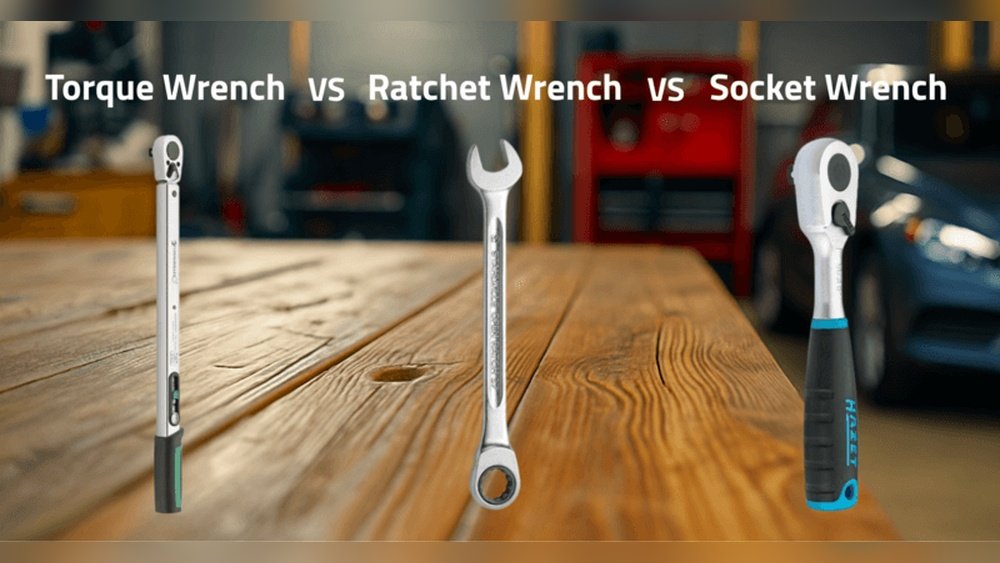
A torque wrench and a socket wrench are two tools that often look similar but serve different purposes. Both are common in automotive repair, home maintenance, and assembly work. If you are new to tools, it is easy to confuse them. But using the wrong tool can lead to damaged parts or unsafe results. Understanding the real differences between a torque wrench and a socket wrench helps you pick the right tool for each job, saving time and avoiding costly mistakes.
This article dives deep into what makes these tools unique. You will learn their key features, how they work, when to use each one, and how to avoid common errors. We will also compare their advantages and disadvantages, give examples, and answer questions people often have.
By the end, you will be confident in choosing the right wrench for your needs.
What Is A Socket Wrench?
A socket wrench is a hand tool used to tighten or loosen nuts and bolts. The tool has a handle and a ratcheting mechanism, which lets you turn fasteners quickly without removing the tool after each turn. The socket, which fits over the bolt head, can be swapped for different sizes.
Socket wrenches are popular in car repair, bicycle maintenance, furniture assembly, and many other tasks. They are valued for their speed and flexibility.
How Does A Socket Wrench Work?
The main part of a socket wrench is the ratchet handle. When you move the handle back and forth, the ratchet allows the socket to turn only in one direction. This means you do not need to reposition the tool every time you turn the bolt. You can also switch the ratchet to loosen or tighten.
Sockets are available in metric and standard sizes. You can attach sockets of different depths or shapes depending on the bolt or nut.
Types Of Socket Wrenches
- Standard Ratchet Wrench: The most common type. Comes in different drive sizes (1/4″, 3/8″, 1/2″).
- Flex-Head Ratchet: The head tilts for hard-to-reach places.
- Breaker Bar: A non-ratcheting handle used for extra leverage.
- T-handle Wrench: Offers more control, useful for delicate bolts.
Where Are Socket Wrenches Used?
- Automotive repairs (removing wheels, engine work)
- Bicycle assembly
- Home furniture assembly
- Household repairs
Socket wrenches make repetitive jobs easier and faster, especially in tight spaces.
What Is A Torque Wrench?
A torque wrench is a special tool designed to apply a specific amount of force (torque) to a nut or bolt. This is important where the tightness of screws or bolts affects safety and performance, such as in cars, bikes, and machines.
Applying too much force can break bolts or damage parts; too little force can make joints weak and unsafe.
How Does A Torque Wrench Work?
A torque wrench looks like a long socket wrench but has a built-in system to measure and control the force applied. Most torque wrenches “click” or signal when you reach the set torque.
There are several types:
- Click Type: The most common. It clicks when the preset torque is reached.
- Beam Type: Uses a scale and pointer to show torque as you turn.
- Digital Type: Shows the torque value on a screen, sometimes with a beep or vibration.
- Dial Type: Has a dial gauge for very precise readings.
Where Are Torque Wrenches Used?
- Car wheel lug nuts (for safe tire changes)
- Engine assembly
- Bicycle repairs (carbon parts require exact torque)
- Industrial machines
- Aerospace and construction
In these jobs, accuracy is critical. Using a regular socket wrench can damage parts or cause accidents.
Key Differences Between Torque Wrench And Socket Wrench
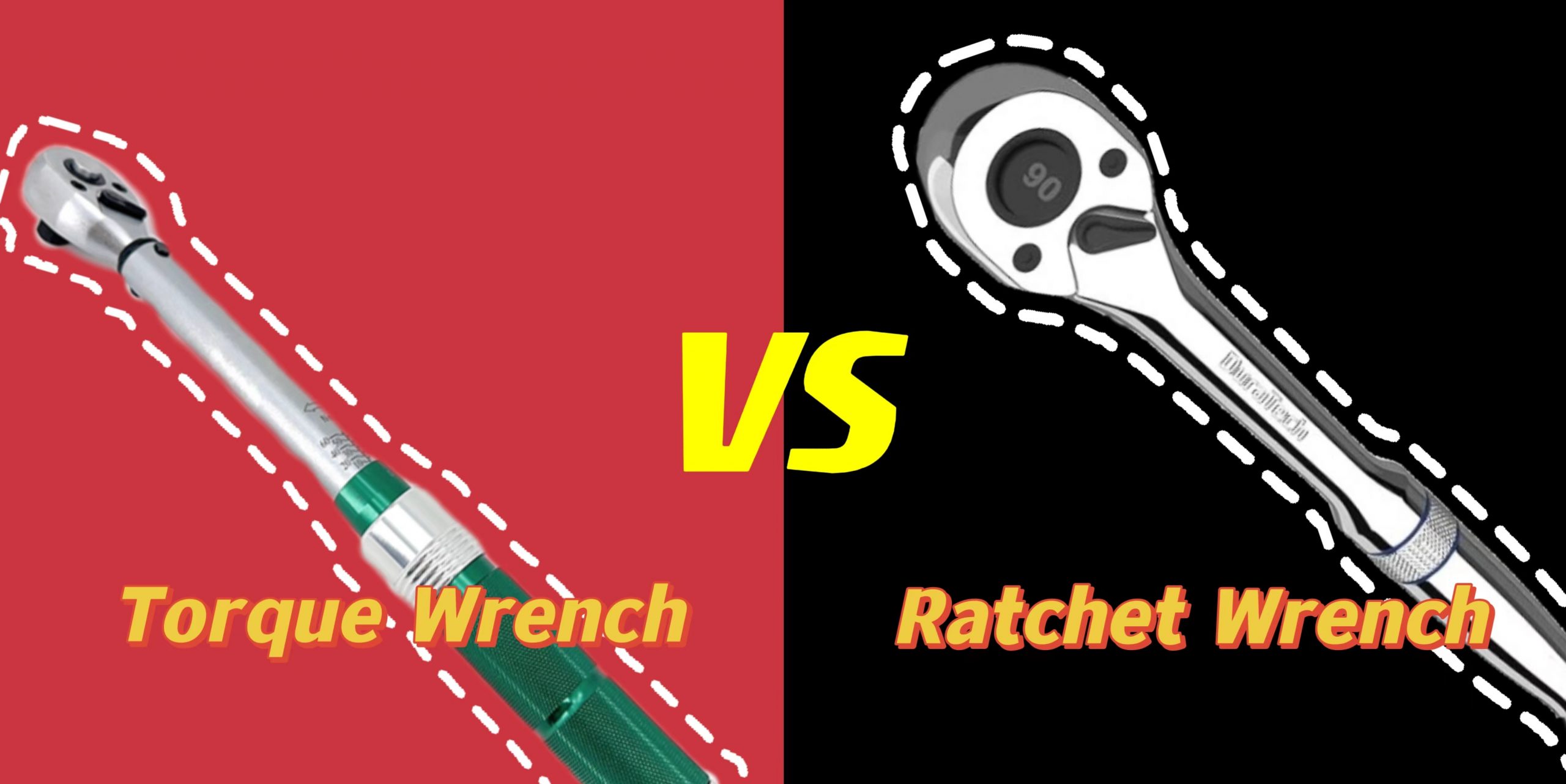
Although both tools use sockets and can look similar, their purpose and function are different. Here’s a direct comparison:
| Feature | Socket Wrench | Torque Wrench |
|---|---|---|
| Main Purpose | Fast tightening/loosening | Precise tightening to set force |
| Force Measurement | No | Yes |
| Common Use | General repair and assembly | Critical fasteners (safety-sensitive) |
| Price | Lower | Higher |
| Skill Needed | Basic | Needs more care and knowledge |
When Should You Use Each Tool?
Choosing between a torque wrench and a socket wrench depends on the job:
- Use a socket wrench for quick, general work where precise force is not critical.
- Use a torque wrench when the manufacturer specifies a torque value, or where safety and reliability matter.
Examples
- Changing car tires: Start removing lug nuts with a socket wrench. When reinstalling, use a torque wrench to tighten to the specified value (usually 80-100 ft-lbs).
- Bicycle carbon parts: Tighten bolts with a torque wrench, as over-tightening can damage expensive frames.
- Furniture assembly: A socket wrench is usually enough, unless the instructions specify torque.

Advantages Of Socket Wrenches
- Speed: The ratchet action makes work fast and efficient.
- Versatility: Many socket sizes fit one handle.
- Low Cost: Basic sets are affordable.
- Easy to Use: No need for special knowledge.
- Compact: Fits into tight spaces.
Disadvantages Of Socket Wrenches
- No Control Over Torque: Easy to over-tighten or under-tighten.
- Not for Critical Fasteners: Unsafe for car wheels, engine assembly, etc.
- Less Precision: Not designed for accuracy.
Advantages Of Torque Wrenches
- Precision: Ensures bolts are tightened to exact specifications.
- Prevents Damage: Avoids stripping threads or crushing parts.
- Required for Safety: Essential for cars, bikes, and machinery.
- Records and Tracking: Some digital models record settings for quality control.
Disadvantages Of Torque Wrenches
- Cost: Good models are expensive.
- Needs Calibration: Must be checked regularly for accuracy.
- Slower to Use: Takes time to set up and use.
- More Fragile: Dropping can affect accuracy.
Common Mistakes Beginners Make
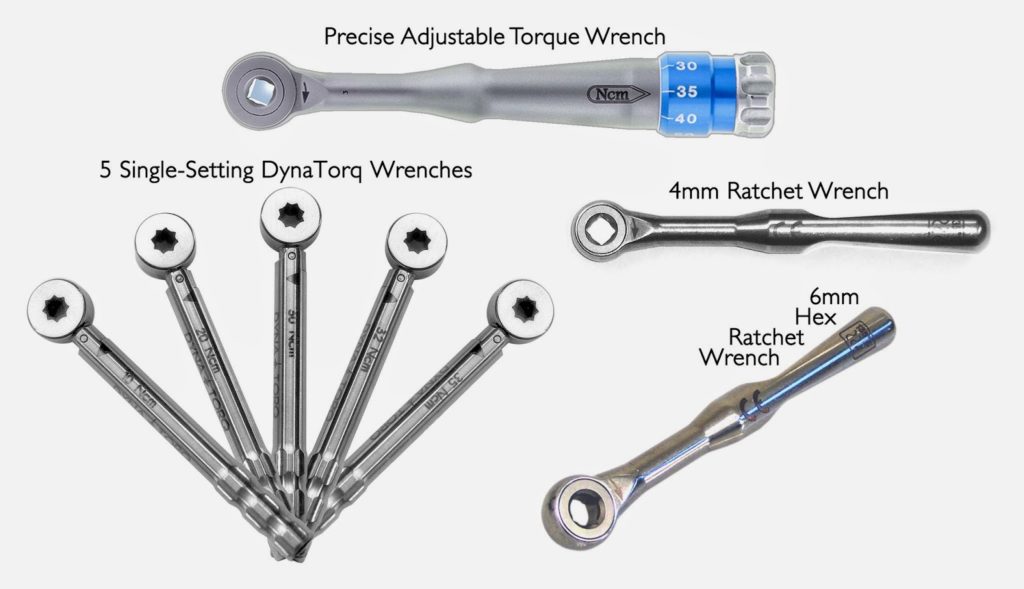
Many beginners use the wrong tool because they look similar. Here are mistakes to avoid:
- Using a socket wrench when you need exact torque: This can be dangerous, especially with car brakes, wheels, or bike parts.
- Not calibrating torque wrenches: If a torque wrench is out of calibration, it gives wrong readings.
- Forgetting to reset click torque wrenches to zero: Leaving a click-type torque wrench set under tension can ruin its accuracy.
- Pulling too hard with a socket wrench: This strips threads or breaks bolts.
- Using a torque wrench to loosen bolts: Most torque wrenches are designed only for tightening, not for breaking loose stuck bolts.
- Not using the correct drive size: Using a small drive for big bolts can damage the tool.
How To Choose The Right Wrench For The Job
Think about these points:
- Do you need precision? If yes, choose a torque wrench.
- Is speed more important? A socket wrench is faster for general work.
- Budget: Socket wrenches are cheaper, but a quality torque wrench is an investment for critical tasks.
- How often will you use it? If you only need to change tires twice a year, a basic beam-type torque wrench is enough.
- Type of fasteners: Smaller bolts need less torque; big bolts may need a heavy-duty torque wrench.
Real-world Data: Usage And Reliability
Studies show that over-tightening is a common cause of bolt failure in cars and machinery. For example, in automotive repair, it is estimated that nearly 30% of wheel stud failures come from incorrect torque. Mechanics recommend always using a torque wrench for wheels, brakes, and engine work.
A survey of home mechanics found that over 60% of beginners did not own a torque wrench, but 80% of car manuals now specify torque values for basic maintenance. This trend shows that torque wrenches are becoming more important, even for hobbyists.
Maintenance Tips For Both Tools
Proper care extends tool life and keeps them accurate.
Socket Wrench Care
- Clean after each use; remove dirt from ratchet.
- Lubricate ratchet mechanism as needed.
- Store in a dry place to prevent rust.
Torque Wrench Care
- Always reset to lowest setting after use (for click types).
- Calibrate at least once a year or after heavy use.
- Do not use as a breaker bar.
- Store in the case to protect accuracy.
A common insight many overlook: never drop a torque wrench. Even one drop can ruin its calibration, making it unsafe for precision work.
Cost Comparison
Socket wrenches range from $15 to $60 for a basic set, depending on quality and number of sockets.
Torque wrenches cost more:
- Beam type: $20 – $50
- Click type: $30 – $150
- Digital type: $80 – $300
Digital models offer features like memory, alarms, and displays, but are less durable for rough use.
Here’s a quick price comparison:
| Tool Type | Low-End Price | High-End Price |
|---|---|---|
| Socket Wrench Set | $15 | $60 |
| Beam Torque Wrench | $20 | $50 |
| Click Torque Wrench | $30 | $150 |
| Digital Torque Wrench | $80 | $300 |
Which Is Better? It Depends On The Task
Neither tool is “better” in all situations. A socket wrench wins for speed and convenience, while a torque wrench is the choice for safety and precision. Many professionals own both and use them together.
For example, when changing a car tire:
- Use a socket wrench to quickly remove and start tightening lug nuts.
- Use a torque wrench to finish tightening each nut to the correct torque.
This combination gives you speed and accuracy.
Practical Insights That Beginners Often Miss
- You cannot “feel” the correct torque with your hand. Even experienced mechanics use torque wrenches for critical bolts.
- Small bolts can break easily. Always check the recommended torque—even a little extra force can snap a bolt.
- Using an extension bar changes torque. If you add a long extension to a torque wrench, the actual torque at the bolt may be different unless the wrench is designed for it.
Safety Reminders
- Never use a damaged wrench, especially a torque wrench.
- Always check the manufacturer’s specifications for torque.
- Do not use a torque wrench to break loose frozen bolts.
Where To Buy And Learn More
You can find both tools at hardware stores, auto parts shops, and online. For deeper technical details, see the Wikipedia Torque Wrench page.
Frequently Asked Questions
What Happens If I Use A Socket Wrench Instead Of A Torque Wrench?
If you use a socket wrench when a specific torque is needed, you risk over-tightening or under-tightening. This can damage threads, break bolts, or create unsafe assemblies—especially in cars, bikes, or machines.
Can I Use My Torque Wrench As A Regular Ratchet?
It is not recommended. Using a torque wrench for regular loosening or tightening can damage its mechanism and reduce accuracy. Use a socket wrench for general work and save the torque wrench for precise tightening.
How Often Should I Calibrate My Torque Wrench?
Calibrate your torque wrench at least once a year, or after dropping it, or if you use it heavily. Regular calibration ensures accurate readings and safe results.
Are Digital Torque Wrenches Better Than Click Types?
Digital torque wrenches offer more features (like a screen, alarms, and memory), but click-type wrenches are more durable and less sensitive to rough use. Choose based on your needs and budget.
Do I Need Both A Socket Wrench And A Torque Wrench?
If you do both basic repairs and any safety-critical work (like changing car tires or assembling bikes), having both tools is best. Use the socket wrench for speed and the torque wrench for accuracy.
A torque wrench and a socket wrench are not the same tool. Each has a special role. Choosing the right one makes your work faster, safer, and more reliable. Remember: speed is good, but accuracy is essential when safety is on the line.
As an Amazon Associate, We earn from qualifying purchases