
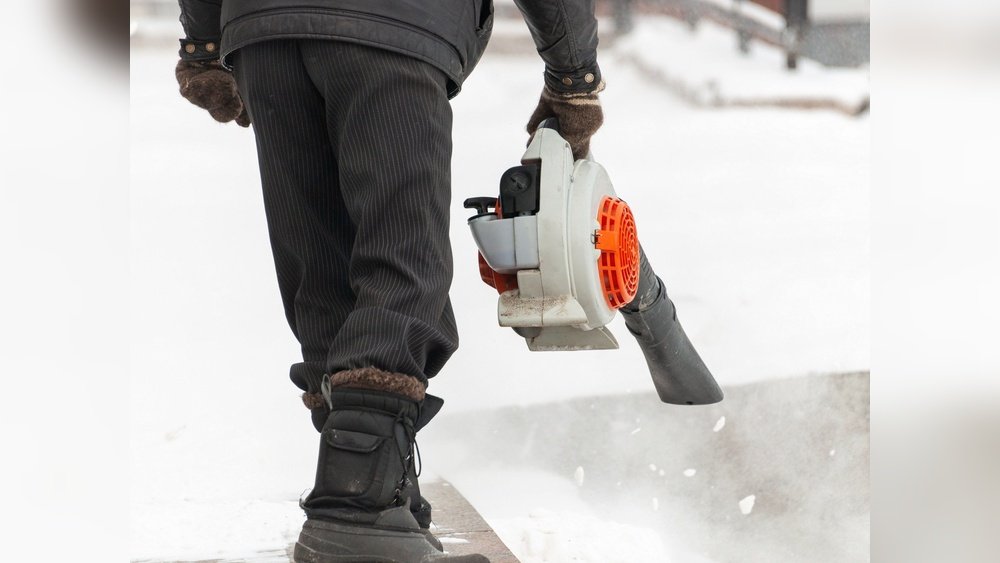
When the seasons change, so do the challenges in your yard. In autumn, leaves blanket your lawn and driveway. When winter arrives, snow piles up on the same surfaces. Two popular tools—snow blowers and leaf blowers—promise relief, but they’re designed for different tasks. Many homeowners wonder: Can a leaf blower handle snow? Is a snow blower worth the investment, or is a leaf blower enough? Understanding the differences, strengths, and limits of each tool can save you time, money, and frustration.
This article takes you deep into the world of snow blowers and leaf blowers. You’ll learn how each works, their pros and cons, and where each one truly shines. If you’re deciding between the two—or considering using both—this guide will help you make a confident, informed choice.
What Is A Snow Blower?
A snow blower is a machine made to clear snow from driveways, sidewalks, and other flat surfaces. It uses a rotating auger or impeller to scoop up snow and throw it out of the way, creating a clear path. Snow blowers are powerful, often heavy, and work well for deep or packed snow.
Types Of Snow Blowers
Snow blowers come in several designs, each with its own strengths:
- Single-stage snow blowers: These use one rotating part (the auger) to scoop and throw snow. They work best on light to moderate snow (up to 8 inches deep) and on smooth, paved surfaces.
- Two-stage snow blowers: These have an auger and a separate impeller. The auger gathers snow, and the impeller throws it farther. They handle deeper, heavier snow and rougher terrain.
- Three-stage snow blowers: These add an accelerator for even more power. They’re meant for large areas, heavy snow, and ice.
How Snow Blowers Work
Snow blowers run on either gasoline or electricity (corded or battery). The machine moves forward as the auger or impeller system lifts and throws the snow to the side, clearing a wide path in one pass. Most models let you adjust the direction the snow is thrown, so you can control where it lands.
What Is A Leaf Blower?
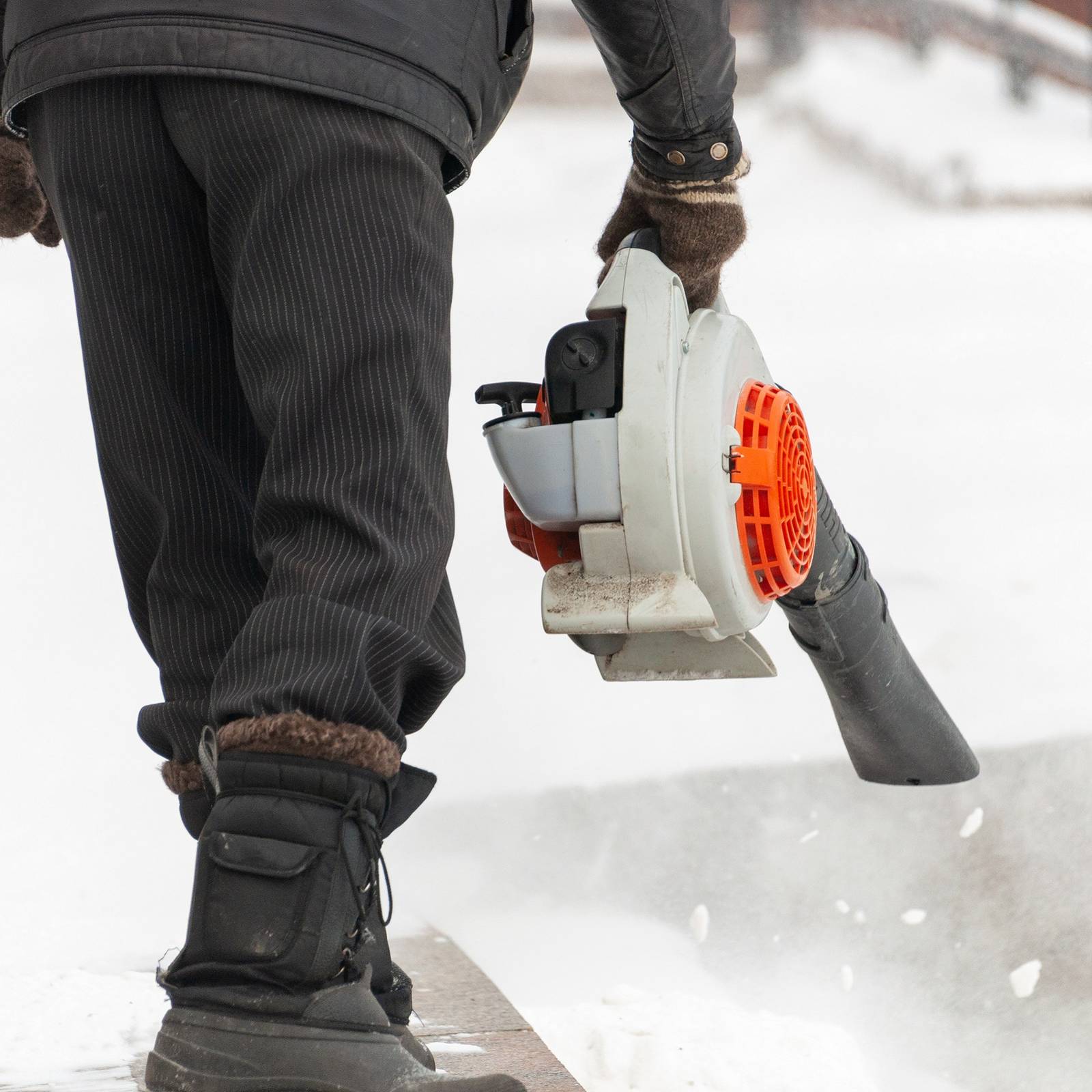
A leaf blower is a tool that moves air at high speed to push leaves, grass clippings, and light debris off surfaces. It’s lighter and more portable than a snow blower, making it perfect for yards, decks, and patios.
Types Of Leaf Blowers
Leaf blowers also come in different styles:
- Handheld leaf blowers: Small and easy to carry, ideal for small yards or patios.
- Backpack leaf blowers: Worn on your back, these are more powerful and suitable for larger areas.
- Walk-behind leaf blowers: These resemble small lawn mowers and are used for large properties or commercial work.
How Leaf Blowers Work
Leaf blowers have a motor that sucks in air and pushes it out through a narrow tube. The fast-moving air pushes leaves, dust, and small twigs where you want them. Leaf blowers can be powered by gas, cords, or rechargeable batteries.

Key Differences: Snow Blower Vs Leaf Blower
At first glance, both machines move things off your driveway or lawn. But their design, power, and use are different. Here’s how they compare:
| Feature | Snow Blower | Leaf Blower |
|---|---|---|
| Main Purpose | Removes snow | Moves leaves and debris |
| Material Handled | Heavy, wet, compacted snow and ice | Dry, light leaves and small debris |
| Power | High (gas/electric motor) | Medium to high (gas/electric/battery) |
| Weight | Heavy (20–300+ lbs) | Light to medium (5–25 lbs) |
| Cost | $150–$3,000+ | $30–$500 |
| Maintenance | Medium to high | Low to medium |
| Seasonal Use | Winter only | Spring, summer, fall (sometimes winter) |
Practical Example
Suppose you live in Minnesota, where snowfall is heavy and frequent. A snow blower is nearly essential for clearing your driveway after a storm. If you live in Georgia, where snow is rare but autumn leaves fall everywhere, a leaf blower is the better choice.
Performance: Which Tool Works Best For Each Job?
The main question: Can you use a leaf blower to clear snow? Or can a snow blower handle leaves? Here’s what you need to know.
Snow Removal
Snow blowers are made for snow. They can clear:
- Deep snow (over 6 inches)
- Heavy, wet snow
- Packed snow or ice
- Large areas quickly
Leaf blowers can move light, dry snow—such as a dusting (1 inch or less)—but struggle with heavy, wet, or deep snow. Most leaf blowers lose power in cold weather, and batteries drain faster.
Leaf And Debris Removal
Leaf blowers are faster and more efficient for leaves, small branches, and grass clippings. They let you control where the debris goes and work well on lawns, patios, and driveways.
Snow blowers are not built for leaves. The auger can clog, and the machine may not pick up small, dry items. Using a snow blower for leaves risks damaging the machine.
Unusual Uses
- Some people use leaf blowers to clear light powdery snow off cars, stairs, or decks. This works best if the snow is fresh and temperatures are above freezing.
- Some landscapers use snow blowers to clear gravel or mulch, but this requires special models and often voids warranties.
Cost Comparison
One of the biggest differences is the price.
| Type | Entry-Level Price | Mid-Range Price | High-End Price |
|---|---|---|---|
| Snow Blower | $150 | $600–$1,200 | $2,000–$3,000+ |
| Leaf Blower | $30 | $100–$250 | $400–$500 |
Snow blowers cost more because they are larger, more powerful, and have more complex parts. They often require more maintenance (oil changes, spark plugs, fuel stabilizer for gas models).
Leaf blowers are less expensive and need less upkeep. Battery-powered leaf blowers cost more, but they’re lighter and quieter.
When To Choose A Snow Blower
Buying a snow blower is smart if:
- You get regular snowfalls above 3 inches
- Your driveway or sidewalks cover a large area
- You need to clear snow quickly before work or school
- Shoveling is physically difficult or dangerous for you
Snow blowers save time, reduce back strain, and make winter safer. If your area gets a lot of snow, a snow blower is almost essential.
Snow Blower Buying Tips
- Choose a single-stage blower for flat, paved surfaces with less than 8 inches of snow.
- Pick a two-stage or three-stage model for gravel, slopes, or frequent deep snow.
- Electric models are quieter and need less maintenance but may not handle heavy snow as well as gas models.
- Look for features like headlights, heated grips, and self-propulsion for comfort.
When To Choose A Leaf Blower
A leaf blower is the better pick if:
- You rarely get snow, or it’s usually light
- Your main problem is leaves, grass, or small debris
- You want a tool for spring, summer, and fall cleanup
- You need something lightweight and easy to store
Leaf blowers are versatile and useful year-round, especially in wooded neighborhoods.
Leaf Blower Buying Tips
- Handheld models are best for small yards or patios.
- Backpack blowers suit larger yards or longer jobs.
- Corded electric blowers are quiet and eco-friendly but limit your range.
- Gas models are powerful but noisier and need more maintenance.
- Check for variable speed settings and easy-to-use controls.
Can One Tool Replace The Other?
The short answer: No, not completely. While there is some overlap, each tool is made for a specific job.
- Leaf blowers can clear a thin layer of powdery snow in a pinch, but not heavy or packed snow.
- Snow blowers are too powerful and heavy for leaves and may not pick up dry debris.
Trying to force one tool to do the other’s job often leads to poor results or damage.
Why Not Use A Leaf Blower For Snow?
- Most leaf blowers can only move snow if it’s dry and powdery.
- Wet or heavy snow will clog the blower or freeze inside it.
- Cold weather can reduce battery life and make starting harder.
- Using a leaf blower on snow-covered surfaces increases the risk of slipping.
Why Not Use A Snow Blower For Leaves?
- Leaves are too light and dry, so the auger may miss them.
- Debris can clog the chute.
- Using a snow blower this way can break parts not designed for dry debris.
Environmental Impact
Both tools have an effect on the environment, but in different ways.
Gas-powered snow blowers and leaf blowers create emissions, noise, and air pollution. In some cities, gas leaf blowers are banned due to noise and pollution. Electric models are quieter and cleaner but may not be as powerful.
Snow blowers use more fuel and energy because they handle heavier work. In contrast, most leaf blowers use less fuel per hour.
Tip: Consider battery or electric models if you want to reduce noise and emissions. Always check your local rules—some areas restrict when you can use noisy blowers.
Maintenance And Storage
Both machines need regular attention, but snow blowers require more care.
Snow Blower Maintenance
- Check oil and gas before each use (for gas models)
- Inspect belts, augers, and impellers for wear
- Lubricate moving parts before and after the season
- Drain fuel or add stabilizer before storing in spring
- Check tires or tracks for proper inflation
Leaf Blower Maintenance
- Clean air filters regularly
- Check for clogs in the blower tube
- Charge or replace batteries as needed
- Store indoors to protect from rain or snow
- Use fresh fuel for gas models
Tip: Never leave gas-powered equipment with fuel sitting inside for months, as it can gum up the engine.
Safety Considerations
Both machines need careful use, but snow blowers have more safety risks.
Snow Blower Safety
- Always wear gloves, eye protection, and hearing protection
- Never put your hands inside the auger or chute, even if the machine is off
- Watch for ice, rocks, or hidden objects in the snow
- Turn off the blower before clearing jams
Leaf Blower Safety
- Wear eye and hearing protection
- Avoid blowing debris toward people, cars, or pets
- Don’t use the blower on wet or icy surfaces
Tip: Read the manual and learn the safety features before your first use.
Practical Insights Most Beginners Miss
- Battery life drops in cold weather. Both snow blower and leaf blower batteries lose power faster when it’s below freezing. Always keep batteries charged indoors.
- Surface type matters. Single-stage snow blowers can pick up gravel and throw it—sometimes through windows—if used on unpaved surfaces. Use two-stage models for gravel driveways.
- Not all snow is equal. Wet, heavy snow can overwhelm a snow blower not designed for it. Dry, powdery snow is much easier to clear.
- Noise can be a big deal. Gas-powered blowers are very loud—often above 85 decibels, which can damage hearing over time.
- Storage space is important. Snow blowers are bulky and need more storage. If you have limited space, a leaf blower is easier to manage.
Alternatives And Creative Uses
You don’t always need a blower. Some alternatives:
- Shovels: Good for small areas, but hard on your back.
- Brooms: Can sweep light, dry snow or leaves.
- Sweeper attachments: Some tractors or mowers can use sweeper tools for debris or snow.
Creative uses for leaf blowers:
- Drying off cars after washing
- Cleaning gutters (with special attachments)
- Removing light snow from outdoor furniture
Creative uses for snow blowers:
- Clearing gravel paths (with caution and correct models)
- Making snow piles for kids to play on
Real-world Examples
- In Buffalo, New York, where snow can pile up overnight, a family uses a two-stage snow blower to clear a 100-foot driveway in 20 minutes. A neighbor uses a leaf blower for light snow on his porch, but switches to a shovel for anything deeper.
- In Oregon, where leaves fall heavily but snow is rare, a landscaping crew uses backpack leaf blowers to clear parking lots quickly, finishing the job in half the time it would take with rakes.

Expert Opinions And Data
- According to the U.S. Consumer Product Safety Commission, more than 5,000 people are treated for snow blower injuries each year, usually from trying to clear jams by hand.
- The Environmental Protection Agency reports that one hour of using a gas-powered leaf blower creates as much smog-forming pollution as driving a car over 1,100 miles.
- Most battery-powered snow blowers and leaf blowers provide 20–45 minutes of run time per charge, which is enough for small-to-medium jobs but not for large driveways.
For more information on snow blower safety and proper use, see the CDC’s snow blower safety tips.
Summary Table: Snow Blower Vs Leaf Blower
Here’s a quick look at the main differences and uses:
| Task | Best Tool | Why |
|---|---|---|
| Heavy snow (over 3 inches) | Snow Blower | Powerful, clears deep snow fast |
| Light dusting of snow (under 1 inch) | Leaf Blower | Quick, easy for small areas |
| Large leaf piles | Leaf Blower | Moves leaves efficiently |
| Packed snow or ice | Snow Blower | Handles heavy, compacted snow |
| Year-round cleanup | Leaf Blower | Works for leaves, grass, light snow |
Making Your Decision
When choosing between a snow blower and a leaf blower, start with your main problem. If you live where snow is a constant winter battle, a snow blower is a smart investment. If your biggest headache is autumn leaves, or you want a tool for all seasons, a leaf blower is better.
Some homeowners end up with both tools, using each one as the weather changes.
Don’t be tempted to force one tool to do it all. Using the wrong tool can waste time, damage equipment, or even cause injuries. Look for models with good reviews, strong warranties, and the right features for your climate and yard size.
If you’re new to these machines, ask neighbors or local hardware stores what works best in your area. Sometimes, renting a snow blower for the winter or a leaf blower for the fall makes sense, especially if you have limited storage or budget.
Frequently Asked Questions
Can I Use A Leaf Blower To Remove Snow?
Yes, but only for light, powdery snow and in small areas. Leaf blowers are not powerful enough for heavy, wet, or deep snow. They work best for clearing cars, steps, or porches after a light snowfall.
Is It Safe To Use A Snow Blower For Leaves?
No. Snow blowers are not designed for leaves or light debris. The auger can clog, and small items may jam the machine. It’s safer and more effective to use a leaf blower for leaves.
Which Is Cheaper To Own: A Snow Blower Or A Leaf Blower?
A leaf blower is much cheaper to buy and maintain. Snow blowers are more expensive and need more storage, fuel, and upkeep. If you only have light snow, a leaf blower is more cost-effective.
Are Electric Or Battery-powered Models Good For Both Tools?
Electric and battery-powered snow blowers and leaf blowers are quieter and easier to maintain but may not have as much power as gas models. They’re best for small-to-medium jobs and areas with access to power outlets.
What Should I Do If My Tool Jams Or Stops Working?
Turn off the machine and unplug it or remove the battery before checking for clogs. Never put your hands near moving parts. Use a stick or tool to clear jams safely. If you’re unsure, take the machine to a repair shop.
Choosing the right tool—snow blower or leaf blower—depends on your climate, yard, and what you need to clear. Each has strengths and limits, and understanding them helps you work smarter and safer every season.
As an Amazon Associate, We earn from qualifying purchases