
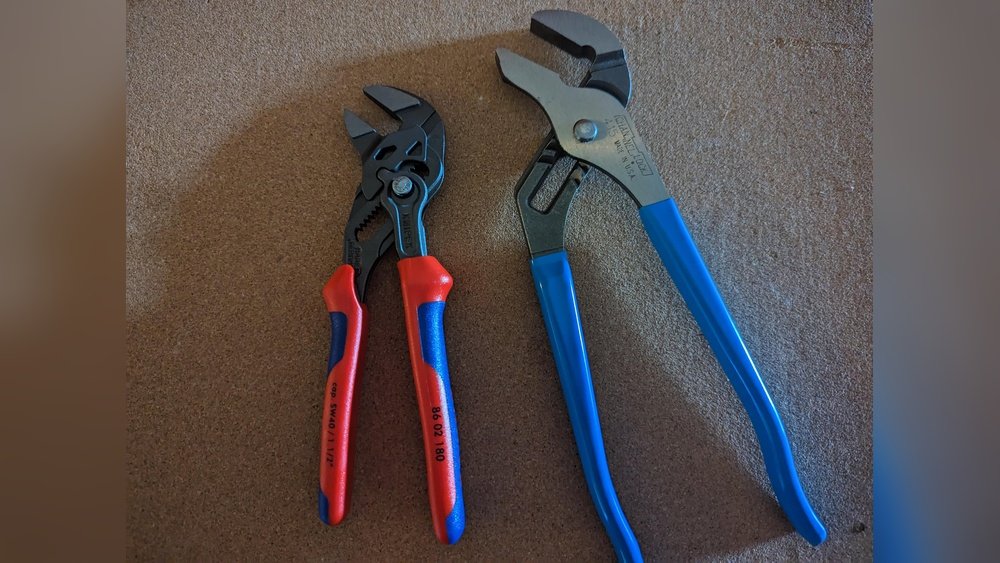
Choosing the right tool can make any plumbing or mechanical job simpler, faster, and safer. But when you face a stubborn pipe or a tight-fitting nut, do you reach for channel locks or a pipe wrench? These two tools look similar to beginners, but their designs, uses, and advantages are very different. Knowing which one to use — and when — can save you time, protect your materials, and even prevent injuries. Let’s dive deep into the differences, best uses, and key tips for channel locks vs pipe wrenches, so you can feel confident the next time you open your toolbox.
What Are Channel Locks?
When people say “channel locks,” they usually mean tongue-and-groove pliers. In fact, Channel Lock is a brand name, but it’s become so popular that many use it to describe this tool in general.
Channel locks are made up of two handles, two jaws, and an adjustable pivot. The jaws have grooves that let you change the opening width easily, so you can grip objects of different sizes. The jaws are flat and sometimes have a curve, which helps with gripping nuts, bolts, and pipes.
Channel locks come in many sizes, from 6 inches up to 20 inches. The most common size for home use is 10 inches. They are light, easy to adjust, and fit in most toolboxes. Because they are so versatile, both professionals and DIYers use them for plumbing, car repairs, and even household tasks like tightening garden hoses.
How Channel Locks Work
The adjustable groove design is what makes channel locks special. By sliding the lower jaw along a set of grooves, you can quickly set the tool to hold onto different sizes of objects. The handles give you leverage, so you can turn, pull, or hold parts firmly. You squeeze the handles together to keep pressure on the object, and the jaws grip it tight.
What Is A Pipe Wrench?
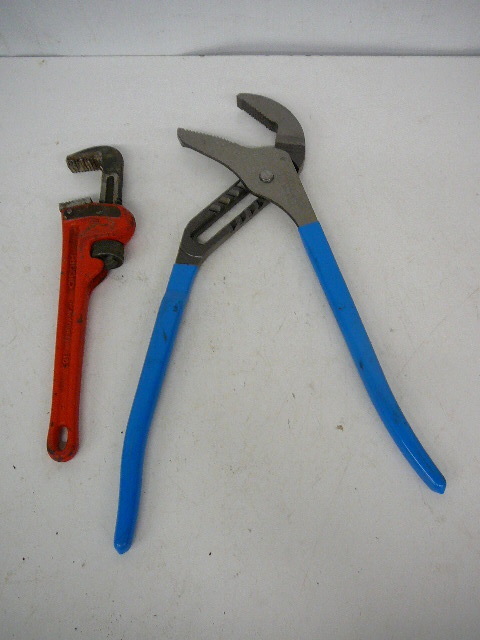
A pipe wrench is a heavy-duty tool made for gripping and turning pipes. Its design includes a strong, fixed upper jaw and an adjustable lower jaw. The jaws have sharp, angled teeth that bite into metal pipes, giving a solid grip even on round, slippery surfaces.
Pipe wrenches are larger and heavier than channel locks, usually starting at 10 inches but going up to 48 inches or more. The classic pipe wrench is made of steel or aluminum, with a long handle for extra leverage. They are used mainly by plumbers and workers who need to assemble or disassemble metal pipes.
How A Pipe Wrench Works
The self-tightening action is the secret to the pipe wrench’s power. When you turn the handle, the jaws clamp down harder on the pipe. The sharp teeth dig in, which keeps the tool from slipping. This makes pipe wrenches perfect for loosening or tightening old, stuck, or rusty pipes — jobs where other tools might lose their grip.
Key Differences: Channel Locks Vs Pipe Wrench
Understanding the main differences helps you pick the right tool for each job. Here’s a comparison to clarify their unique features.
| Feature | Channel Locks | Pipe Wrench |
|---|---|---|
| Design | Flat, serrated jaws, adjustable groove | Curved, toothed jaws, adjustable lower jaw |
| Best Use | Holding, gripping nuts/bolts, light plumbing | Turning and loosening pipes, heavy plumbing |
| Grip Strength | Strong, but less than pipe wrench | Very strong due to self-tightening teeth |
| Material | Steel, lighter weight | Heavy steel or aluminum |
| Damage Risk | Less likely to damage surfaces | Teeth can scratch or crush soft pipes |
Main Takeaway
Use channel locks for general gripping and turning tasks where you want to avoid damaging surfaces. Use a pipe wrench when you need maximum grip on metal pipes, especially for plumbing.
When To Use Channel Locks
Channel locks shine in many situations. Here are the most common times you’ll reach for them:
- Tightening or loosening nuts and bolts: Their flat jaws fit around hex-shaped nuts easily.
- Holding small pipes or fittings: For plumbing jobs that need a steady grip but not too much force.
- Turning hose connections: Garden hoses, washing machine hoses, and more.
- Electrical work: Holding conduit or wire connectors.
- Car repairs: Gripping stubborn parts in tight spaces.
Because channel locks have a wide jaw opening, you can use them for many different sizes of parts without switching tools. They are fast to adjust, so you don’t waste time on the job.
Non-obvious Tip
Many beginners squeeze channel locks too hard, thinking it gives more grip. But this actually wears out your hand and can slip off the part. Adjust the jaw to fit the part snugly, then use steady pressure. If the tool keeps slipping, the jaw size is wrong — not your grip strength.
When To Use A Pipe Wrench
Pipe wrenches are the go-to tool for plumbing, but their best uses are more specific:
- Assembling or taking apart threaded metal pipes: The teeth bite into the pipe to prevent slipping.
- Loosening rusted or stuck pipes: The self-tightening action increases grip as you turn.
- Working with large or heavy pipes: Especially when extra leverage is needed.
- Commercial and industrial plumbing: Pipe wrenches are strong enough for big jobs.
Pipe wrenches are not for every material. Using them on plastic pipes or soft metal can crush or damage the surface. Always check the pipe material before choosing your tool.
Non-obvious Tip
Many people use a pipe wrench on the wrong side of the pipe. The wrench should always be placed so that the force tightens the jaws as you pull. If it slips, reverse the wrench or check your grip — this small detail makes a huge difference in safety and performance.
Pros And Cons: Channel Locks
Let’s look at what makes channel locks a great choice, and where they can fall short.
Advantages
- Versatile: One tool for many tasks.
- Lightweight: Easy to carry and use for long periods.
- Won’t damage surfaces: Jaws are less likely to scratch or crush.
- Quick adjustment: Saves time switching between different nuts, bolts, or fittings.
Disadvantages
- Less grip on round pipes: May slip on smooth, large pipes.
- Limited leverage: Not as much force as a pipe wrench.
- Can wear out: Cheap models may loosen or lose grip over time.
Pros And Cons: Pipe Wrench
Pipe wrenches have their own strengths and weaknesses.
Advantages
- Maximum grip: Self-tightening teeth stop slipping, even on stuck pipes.
- Strong leverage: Long handle means more force with less effort.
- Essential for plumbing: No substitute for taking apart old pipes.
Disadvantages
- Heavy and bulky: Hard to use in tight spaces or for long periods.
- Can damage pipes: Teeth can scratch or crush, especially softer materials.
- Not for every job: Overkill for nuts, bolts, or small fittings.
How To Choose: Key Factors
When deciding between channel locks and a pipe wrench, ask yourself these questions:
What Material Are You Working With?
- Use channel locks for nuts, bolts, and pipes made of copper, plastic, or other soft metals.
- Choose a pipe wrench for iron, steel, or other strong metal pipes.
What Size Is The Job?
- For small fittings, channel locks are faster and easier to control.
- For large pipes, a pipe wrench gives better grip and leverage.
How Much Grip Do You Need?
- If you need to turn something that’s rusted, stuck, or extra tight, a pipe wrench is best.
- For general holding or light turning, channel locks do the job with less risk of damage.
Do You Need To Protect The Surface?
- Channel locks are less likely to scratch or deform the part.
- Pipe wrenches can leave marks, so use with care or on pipes that won’t show.
Real-world Examples
To make things clearer, here are some real situations:
Fixing a leaky faucet: Use channel locks to grip and turn the nut under the sink. The jaws won’t damage the chrome surface, and you can adjust the size quickly if space is tight.
Replacing a steel pipe in the basement: Use a pipe wrench. The teeth bite into the old pipe, and the long handle helps you break loose stuck threads.
Connecting a washing machine hose: Channel locks are perfect. The jaws fit the hose fitting, and you don’t risk over-tightening and breaking the plastic.
Taking apart an old radiator: Pipe wrench is the tool. Old, rusted joints need the extra grip and leverage.
Safety And Maintenance Tips
Both tools are simple to use, but a few best practices will make your work safer and your tools last longer.
Safety Tips
- Wear gloves: Both tools can pinch fingers or slip if your hands are sweaty.
- Check your grip: Make sure the tool is adjusted to fit the part before applying force.
- Don’t force it: If the tool slips, stop and adjust. Forcing can damage both the tool and the part.
- Use two tools if needed: Sometimes you need one tool to hold and another to turn. For example, hold a pipe steady with channel locks while turning a fitting with a pipe wrench.
Maintenance Tips
- Keep tools clean: Wipe off dirt, grease, and water after use.
- Oil moving parts: A drop of oil keeps the jaws sliding smoothly.
- Check teeth and jaws: Worn teeth or grooves reduce grip. Replace or sharpen if needed.
- Store properly: Keep tools dry to avoid rust.
Common Mistakes To Avoid
Even experienced users sometimes make simple mistakes. Here are two that are easy to miss:
- Using channel locks on very tight pipes. The jaws can slip and round off the pipe or nut. If something is hard to move, switch to a pipe wrench.
- Over-tightening with a pipe wrench. The jaws can crush thin pipes or fittings. Tighten just enough to seal, then stop.
Many beginners also use the wrong size tool. Using an oversized pipe wrench on a small pipe or a small channel lock on a large nut reduces control and grip. Always match the tool size to the job.
Alternatives To Channel Locks And Pipe Wrenches
Sometimes, neither tool is perfect. Here are other options you might consider:
- Adjustable wrench (Crescent wrench): Good for nuts and bolts, but not pipes.
- Strap wrench: Uses a rubber strap; ideal for polished or fragile surfaces.
- Locking pliers (Vise-Grips): Great for holding, but not as much leverage as a pipe wrench.
Knowing when to reach for these alternatives can save you from damaging parts or wasting time.

Channel Locks And Pipe Wrenches: Which Brands To Trust
While many brands make these tools, some are known for quality and reliability.
Channel Locks: The original Channel Lock brand is trusted by professionals, as are Knipex and Irwin.
Pipe Wrenches: Ridgid is the industry standard, known for their red pipe wrenches. Milwaukee and Crescent also make strong, reliable models.
Cheap, no-brand tools may look the same but often wear out quickly, slip, or break. Investing in a good brand saves money (and frustration) in the long run.
How Professionals Use Both Tools Together
On bigger jobs, plumbers often use both tools at the same time. For example, when loosening a pipe joint, they might use a pipe wrench to turn the fitting and channel locks to steady the pipe. This prevents twisting or damaging other connections.
Here’s another example: If you’re working in a tight spot behind a sink, you might use channel locks to hold a nut while using a pipe wrench on the pipe. The combination gives control and strength, with less risk of damage.
Comparison Table: Quick Reference
If you need a fast way to decide, this side-by-side chart helps.
| Task | Best Tool | Why |
|---|---|---|
| Tightening hose connections | Channel Locks | Gentle grip, easy adjustment |
| Removing rusted steel pipe | Pipe Wrench | Strong teeth, self-tightening |
| Turning large nuts | Channel Locks | Flat jaws fit nut shape |
| Disassembling old plumbing | Pipe Wrench | Maximum grip, leverage |
| Protecting delicate surfaces | Channel Locks or Strap Wrench | Less likely to scratch |
Cost And Value
Both tools are affordable, but price differences reflect quality. Good channel locks cost $15–$40. Pipe wrenches can range from $20 for a basic 10-inch model to over $100 for large, professional sizes.
While it’s tempting to buy cheap, consider:
- Channel locks: Cheaper models may have loose joints, making it hard to grip.
- Pipe wrenches: Low-quality teeth wear out quickly, losing their grip.
Investing in a high-quality tool means safer, faster, and less frustrating work.
Lifespan And Durability
With proper care, both tools can last for decades. In fact, many professional plumbers use the same pipe wrench for 20 years or more. The main things that shorten tool life are rust, neglect, and using the wrong tool for the job.
If you notice jaws slipping or teeth wearing down, it’s time to repair or replace the tool. Storing tools in a dry place and keeping them clean will keep them working for years.
Environmental Impact
Channel locks and pipe wrenches are both made mostly of steel, which is recyclable. When tools wear out, they can be recycled instead of thrown away. Choosing quality tools also means you buy less often, reducing waste.
Learning To Use The Tools
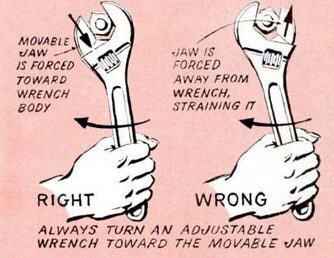
For beginners, channel locks are easier to master. Just adjust the jaws and squeeze. Pipe wrenches take a bit more practice, especially learning how to position the tool for the best grip.
A common mistake is holding a pipe wrench too loosely. Make sure the jaws are adjusted so the teeth grip the pipe as you apply force. Practice on old parts before tackling real plumbing in your home.
Where To Learn More
If you want to see these tools in action, online videos and tutorials are a great help. For a deeper dive into the history and design of these tools, the Wikipedia page on pipe wrenches is a useful resource.
Frequently Asked Questions
Can I Use Channel Locks Instead Of A Pipe Wrench?
You can use channel locks for small pipes or fittings, but they do not grip round pipes as tightly as a pipe wrench. For tough plumbing jobs, a pipe wrench is safer and more effective.
Will A Pipe Wrench Damage My Pipes?
Pipe wrenches have sharp teeth that can scratch or crush soft pipes, like copper or plastic. Use with care, and only on strong metal pipes. For delicate surfaces, choose channel locks or a strap wrench.
Which Tool Should Every Homeowner Buy First?
If you only buy one, channel locks are more versatile for home repairs. They handle nuts, bolts, and some plumbing. But for major plumbing jobs, a pipe wrench is essential.
How Do I Prevent Slipping With These Tools?
Make sure the jaws are adjusted properly to fit the part. Apply steady, even pressure. If the tool slips, stop and check the fit — do not force it.
What Size Pipe Wrench Or Channel Locks Do I Need?
For most homes, a 10-inch or 12-inch channel lock and a 14-inch pipe wrench cover common tasks. Larger sizes are for heavy, industrial work.
Choosing between channel locks and a pipe wrench is not just about grabbing the nearest tool. By understanding their differences, strengths, and best uses, you’ll work smarter, avoid damage, and get your projects done right the first time.
As an Amazon Associate, We earn from qualifying purchases