
Choosing between a plunge saw and a circular saw can be confusing for both beginners and experienced woodworkers. Both tools look similar at first glance, and they can even share some tasks. But when you look closer, they have clear differences that affect how they cut, the quality of the results, and their safety. Understanding these differences is important before buying or using either tool. This guide breaks down everything you need to know, so you can pick the right saw for your needs and avoid common mistakes.
What Is A Plunge Saw?
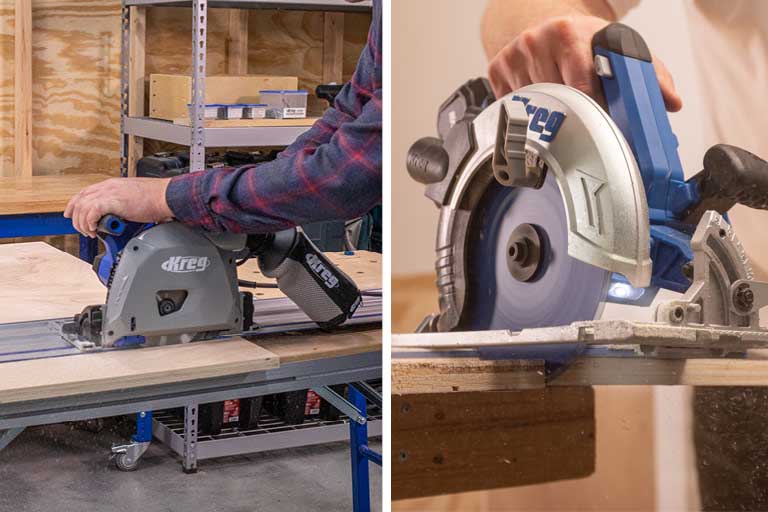
A plunge saw is a type of circular saw, but with a special design. It sits on top of a guide rail and allows you to “plunge” the blade directly into the workpiece from above. Unlike a standard circular saw, the blade is hidden inside the machine until you lower it onto the material.
With a plunge saw, you get:
- Precise start and stop points: You can start cutting anywhere on the material, not just at the edge.
- Cleaner cuts: Guide rails keep the cut straight and reduce tear-out.
- Better safety: The blade is covered until you push it down, reducing the risk of accidents.
Plunge saws are often used for cabinet making, flooring, and custom furniture, where accuracy and clean edges are important.
What Is A Circular Saw?
A circular saw is one of the most common power tools for cutting wood, plastic, and even metal. The blade is always exposed below the base plate. To start a cut, you usually position the saw at the edge of your material, turn it on, and push forward.
Key features:
- Versatility: Cuts plywood, 2x4s, and even some masonry with the right blade.
- Portability: Lightweight and easy to carry around a job site.
- Speed: Fast for making straight cuts, crosscuts, and rip cuts.
Circular saws are ideal for framing, rough carpentry, and DIY home improvement projects.

Key Differences Between Plunge Saw And Circular Saw
To really understand these tools, you need to see how they compare in important areas.
| Feature | Plunge Saw | Circular Saw |
|---|---|---|
| Blade Exposure | Hidden until triggered | Always exposed below base |
| Cut Start Point | Anywhere on material | Usually at edge |
| Guide Rail Use | Standard | Optional, less accurate |
| Cut Quality | Very clean, minimal tear-out | More tear-out, rougher edges |
| Price | Higher | Lower |
When Should You Choose A Plunge Saw?
A plunge saw really shines in these situations:
- Cabinet making: You need smooth edges for doors and panels.
- Cutting expensive materials: Veneered plywood, melamine, or laminated boards are costly and need precise cuts.
- Making cutouts in the middle: For example, creating a sink hole in a countertop or a window in a panel.
- Trim work and finish carpentry: Any project where visible edges must look perfect.
- Sheet goods: Cutting large sheets of plywood, MDF, or particle board is easier and cleaner with a plunge saw and guide rail.
A non-obvious advantage: plunge saws are much better at keeping dust under control. Many models have built-in dust ports, which is important if you work indoors or care about air quality.

When Should You Use A Circular Saw?
A circular saw is best for:
- Framing and rough carpentry: Speed is more important than perfectly clean edges.
- Deck building: Cutting pressure-treated lumber, joists, and outdoor materials.
- Demolition: The saw is tough and not too expensive to replace if damaged.
- Quick straight cuts: When you need to trim boards to length or width.
- On-the-go projects: Its small size and portability make it easy to carry and use anywhere.
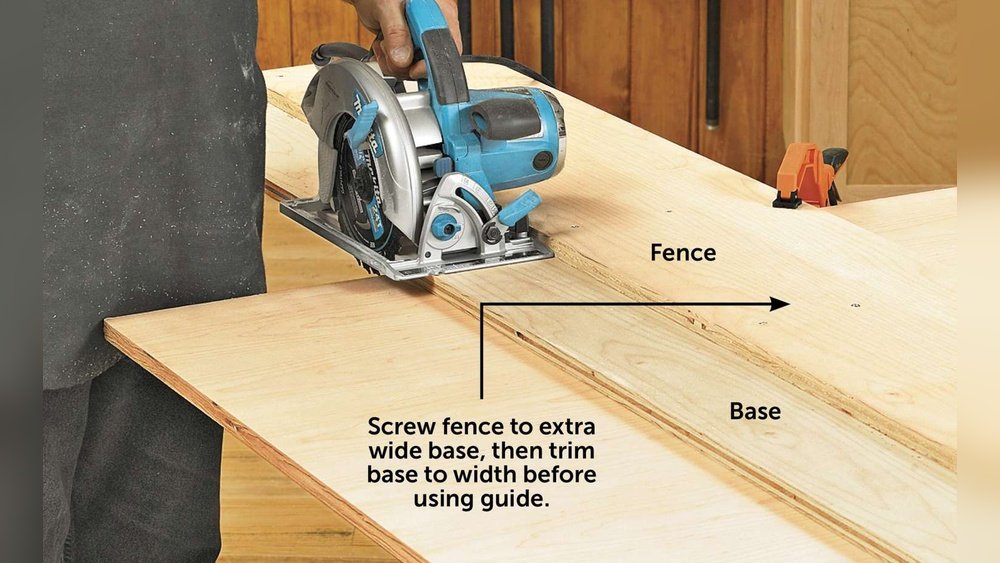
A tip most beginners miss: circular saws can be used with a straightedge guide (like a piece of wood clamped to the workpiece) for more accurate cuts, but this is not as precise as a plunge saw’s rail system.
Cut Quality Comparison
One of the biggest reasons people choose a plunge saw is cut quality. The guide rail ensures the saw moves perfectly straight, and the blade design reduces splintering. This is important for visible edges.
With a circular saw, cuts are often rougher and can have tear-out (splinters or chips at the edge). You can improve the results by using a high-quality blade and taping the cut line, but it is still not as clean as a plunge saw.
Here’s a quick comparison:
| Material | Plunge Saw Result | Circular Saw Result |
|---|---|---|
| Plywood | Clean, smooth edge | Some tear-out, rougher |
| Laminated Board | No chipping | Chips possible |
| 2×4 Framing Lumber | Very clean, but slow | Fast, edge not important |
Safety Features
Plunge saws are often safer than circular saws for beginners because the blade is not exposed until you press down. This means fewer accidents from picking up or moving the tool.
Circular saws have an exposed blade under the base plate. There’s a spring-loaded guard, but accidents can happen if you are not careful. Always unplug or remove the battery before changing blades.
Both tools can kick back (jump backward toward the user) if the blade binds. Always stand to the side, not directly behind the saw.
A hidden safety insight: plunge saws with guide rails are less likely to wander off the line, which means your hands stay further from the blade compared to “freehand” cuts with a circular saw.
Cost And Value
Plunge saws are generally more expensive. A good-quality plunge saw with a guide rail can cost $300–$700 or more. Circular saws start around $50 for basic models, with pro models up to $200.
You should consider:
- How often you need perfect cuts.
- Whether you already own a circular saw.
- If you plan to work with expensive sheet goods regularly.
If you only need rough cuts, a circular saw offers better value. But if you want professional results, a plunge saw may save you money by reducing wasted material and time.
Common Mistakes To Avoid
Many beginners believe any circular saw can do the job of a plunge saw. While you can make straight cuts with a circular saw and a straightedge, you will not get the same accuracy, especially for repeated cuts or expensive materials.
Another mistake: buying a plunge saw but not using the guide rail correctly. The rail must be placed firmly and aligned with your cut line. Always check for dust or debris under the rail, as this can throw off your cut.
Some users ignore blade quality. A dull or wrong type of blade can ruin your results with either saw. Always match the blade to your material.
Which Tool Is Right For You?
Choosing between a plunge saw and a circular saw depends on your projects.
Ask yourself:
- Do you need perfect, clean cuts for visible surfaces? Choose a plunge saw.
- Are you working on framing, decks, or demolition? Go with a circular saw.
- Is your budget tight? A circular saw covers most basic needs.
- Will you cut a lot of plywood or laminated panels? A plunge saw with a guide rail will pay off in accuracy and time saved.
Remember, many professional woodworkers own both tools. They use the plunge saw for finish work and the circular saw for rough cuts.
Real-world Examples
Imagine building a kitchen cabinet. You need to cut veneered plywood for the doors and sides. A plunge saw with a rail will give you factory-quality edges. If you use a circular saw, even with care, you might see splinters or uneven cuts that are hard to hide.
For a deck, speed is more important than clean edges. A circular saw is faster and lighter, so it’s the better choice.
One insight: some high-end circular saws now come with optional rails, but they still can’t match the plunge saw’s plunge mechanism for in-board cuts.
Maintenance And Longevity
Both tools require similar maintenance:
- Keep blades sharp and clean.
- Check for dust buildup in moving parts.
- Inspect the power cord or battery.
Plunge saws’ rails can get damaged if dropped or bent, affecting accuracy. Store rails flat and handle with care.
Circular saws are rugged but can go out of alignment if abused. Check the base plate for square cuts regularly.
Noise And Dust Control
Plunge saws are generally quieter, especially when cutting sheet goods. Most have dust collection ports that connect to shop vacuums, keeping your workspace cleaner.
Circular saws throw more dust and are louder. If you work indoors or in a shared space, this can be a big factor.
Environmental Impact
Both saws use electricity (corded or battery). Plunge saws, because of their cleaner cuts, can reduce wasted material. Circular saws may need more sanding or trimming, which means more scrap.
If you care about sustainability, consider dust collection and efficient cutting as part of your decision.
Where To Learn More
If you want to see these saws in action and compare brands, check out Popular Woodworking for hands-on reviews and tips.
Frequently Asked Questions
What Is The Main Difference Between A Plunge Saw And A Circular Saw?
The main difference is how the blade enters the material. A plunge saw can start cutting anywhere on the board, thanks to its plunge action and guide rail. A circular saw usually starts at the edge, with the blade always exposed below the base.
Can A Circular Saw Do Everything A Plunge Saw Can?
No. While a circular saw can make many straight cuts, it cannot make internal plunge cuts or guarantee the same level of cut quality, especially on expensive materials.
Do I Need A Guide Rail For A Plunge Saw?
Yes, the guide rail is a key part of the plunge saw system. It ensures perfectly straight, splinter-free cuts and safe operation. Without the rail, you lose much of the plunge saw’s accuracy advantage.
Are Plunge Saws Worth The Extra Cost?
If you do a lot of finish carpentry, cabinetry, or work with sheet goods, the extra cost pays for itself in saved time, less waste, and better results. For rough work, a circular saw is usually enough.
What Safety Gear Should I Use With These Saws?
Always wear safety glasses and hearing protection. Use a dust mask if cutting indoors or with materials that produce fine dust. Read the manual for each tool before use and follow all safety instructions.
—
Deciding between a plunge saw and a circular saw is not just about price or power. Think about the quality of cut you need, your typical projects, and how much you value speed versus perfection. Both tools have a place in the workshop.
If you start with a circular saw, you can always upgrade to a plunge saw as your skills grow and your projects demand more precision. Making the right choice now will save you time, money, and frustration for years to come.
As an Amazon Associate, We earn from qualifying purchases