
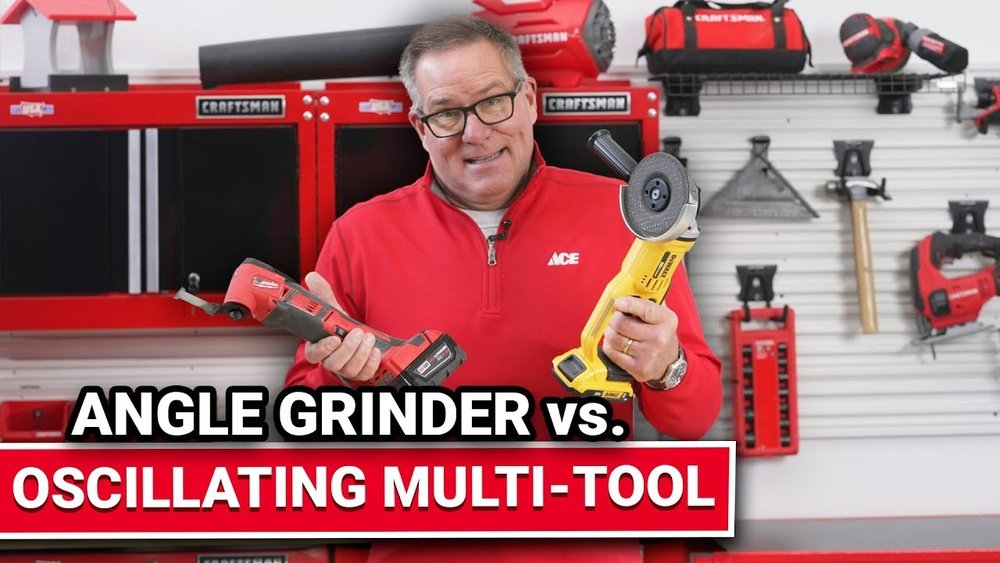
Many people working with wood, metal, or home repairs often wonder: should they use an angle grinder or an oscillating tool? Both tools are popular and seem similar, but they are actually quite different. Choosing the right one can save you time, money, and frustration. This guide will help you understand the strengths and limits of each tool, so you can pick the best one for your projects—even if you’re just starting out.
What Is An Angle Grinder?
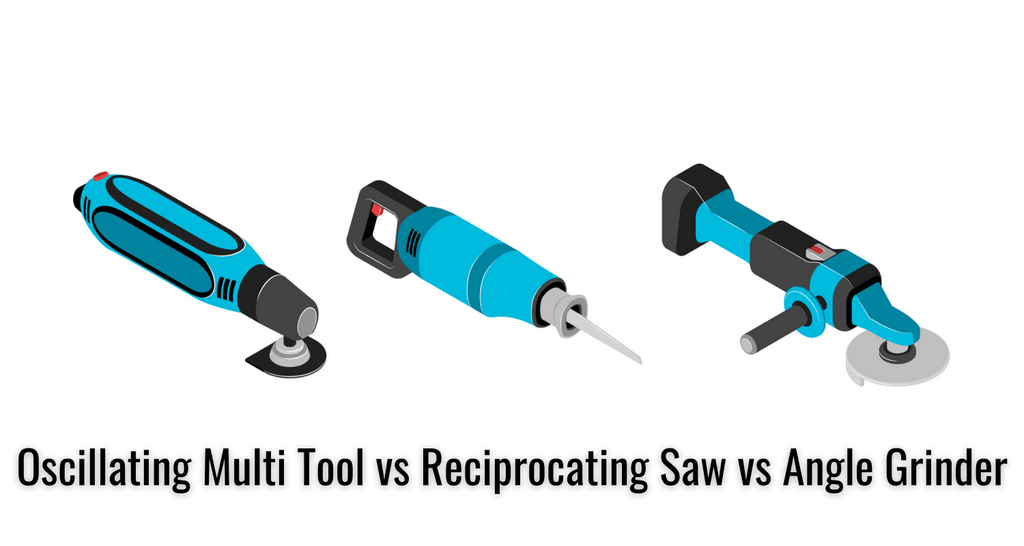
An angle grinder is a power tool that uses a spinning disc to cut, grind, or polish materials. Most angle grinders run at very high speeds, often 8,000 to 12,000 revolutions per minute (RPM). The discs can be made for cutting metal, grinding concrete, or even sanding wood. Angle grinders are often used in metalworking, construction, and auto repair.
A typical angle grinder is larger than an oscillating tool and requires two hands to use safely. The tool is known for its power and can make quick work of tough materials.
Common Uses For Angle Grinders
- Cutting metal pipes or rods
- Removing rust or old paint
- Sharpening blades and tools
- Grinding welds smooth
- Cutting tiles, bricks, or concrete (with the right disc)
Key Features
- Disc size: Usually 4.5 to 9 inches
- Power: Most models are corded and use 6–15 amps
- Speed: Very fast, up to 12,000 RPM
- Weight: 4–7 pounds
What Is An Oscillating Tool?
An oscillating tool, also called a multi-tool, uses a blade or attachment that moves back and forth in tiny arcs. The movement is usually between 11,000 and 20,000 oscillations per minute (OPM), but each movement is very small. Oscillating tools are light, compact, and can handle a wide range of tasks by changing the accessory.
The main benefit is versatility. With the right attachment, you can cut wood, drywall, metal, and plastic. You can also sand, grind, scrape, and polish.
Common Uses For Oscillating Tools
- Cutting door jambs for new flooring
- Making plunge cuts in drywall or wood
- Sanding tight corners
- Removing grout or old caulk
- Scraping paint or glue
Key Features
- Accessory size: Usually 1–2 inches wide
- Power: Corded (2–4 amps) and cordless (12–20V) models
- Speed: 11,000–20,000 OPM
- Weight: 2–4 pounds
Angle Grinder Vs Oscillating Tool: Direct Comparison
To help you see the differences clearly, here is a side-by-side comparison:
| Feature | Angle Grinder | Oscillating Tool |
|---|---|---|
| Cutting Power | High (thick metal, masonry) | Medium (thin metal, wood, drywall) |
| Precision | Low to Medium | High |
| Versatility | Medium | Very High |
| Safety | More risk (sparks, kickback) | Safer (less force, no sparks) |
| Size & Weight | Larger, heavier | Compact, lightweight |
| Noise & Vibration | Loud, strong vibration | Quieter, less vibration |
When To Choose An Angle Grinder
Angle grinders shine when you need raw power and speed. If your project involves metal pipes, thick bolts, or hard materials like concrete, an angle grinder will finish the job quickly. For example, cutting through a rusty steel fence post would take seconds with an angle grinder but much longer with an oscillating tool.
Best Situations For Angle Grinders
- Heavy-duty cutting or grinding: Metal, stone, or concrete
- Large surface area work: Removing rust or smoothing welds
- Fast demolition: Breaking up tiles or bricks
What Beginners Often Miss
Many new users underestimate how dangerous angle grinders can be. Sparks, flying debris, and accidental slips are common. Always wear safety goggles, gloves, and avoid using the tool with one hand. Also, never use a disc not rated for your grinder’s speed.
When To Choose An Oscillating Tool
Oscillating tools excel at precision work and tight spaces. They’re perfect for home repairs, remodeling, and detail jobs. For example, if you need to cut a small notch in wood without damaging the surrounding area, an oscillating tool does this with ease.
Best Situations For Oscillating Tools
- Detailed cuts: Door jambs, trim, drywall, or flooring
- Close-up sanding: Corners, edges, or small areas
- Scraping or grout removal: Old caulk, paint, or grout lines
What Beginners Often Miss
Oscillating tools are only as good as their blades. Cheap blades dull quickly, making the tool feel weak. Invest in high-quality accessories for the best results. Also, don’t force the tool—let the blade do the work.
Strengths And Weaknesses
Here’s a quick look at what each tool does best and where it falls short.
| Tool | Strengths | Weaknesses |
|---|---|---|
| Angle Grinder | – Fast cutting and grinding – Handles thick, hard materials – Good for large, rough jobs | – Less precise – Heavier and bulkier – Risk of injury if misused |
| Oscillating Tool | – Excellent for detail and precision – Light and easy to control – Many attachments for different jobs | – Slower for big jobs – Not for very hard materials – Good blades can be expensive |
Real-life Examples
Imagine you’re remodeling a bathroom. You need to:
- Cut old metal pipes
- Remove tile grout
- Sand a tight corner by the bathtub
- Trim the bottom of a door for new flooring
With an angle grinder, you can cut the pipes quickly. But you’ll struggle to remove grout without damaging tiles or to sand corners. The oscillating tool, with the right blade, removes grout and sands corners perfectly—but will be slow or even struggle with thick pipes.
Most professionals keep both tools in their kit, using each for what it does best.
Cost Differences
The price of these tools can influence your decision.
- Angle grinders start at $40 for basic models, but good brands with safety features cost $60–$120. Discs are usually cheap, $2–$10 each.
- Oscillating tools start around $60, but high-quality kits are $100–$200. Attachments cost $8–$30 each, and you may need several for different jobs.
Don’t forget to budget for accessories and safety gear.
Choosing The Right Tool For Your Needs
Ask yourself these questions:
- What materials will I work with?
- Metal, concrete, masonry: Choose angle grinder
- Wood, drywall, soft metals, plastics: Choose oscillating tool
- Do I need speed or precision?
- Fast, rough work: Angle grinder
- Careful, detail work: Oscillating tool
- How much space do I have?
- Tight corners: Oscillating tool
- Open areas: Angle grinder
- How important is safety and noise?
- Quiet, safe: Oscillating tool
- OK with noise and sparks: Angle grinder
If you’re new to DIY, start with an oscillating tool. It’s easier to control and covers more small home projects. If you need to cut a lot of metal or concrete, invest in an angle grinder.
Safety Tips For Both Tools
No matter which tool you use, safety should always come first.
- Angle grinder: Always use two hands. Wear safety goggles, gloves, and hearing protection. Check discs for cracks before use. Never remove the guard.
- Oscillating tool: Wear eye protection, especially when cutting metal. Don’t force the blade—let it cut at its own speed. Keep fingers away from the blade path.
An often-overlooked tip: after heavy use, both tools get hot. Let them cool before changing blades or discs.
Maintenance And Longevity
Taking care of your tools makes them last longer and work better.
- Angle grinder: Clean vents to prevent overheating. Replace worn discs early. Lubricate moving parts if recommended.
- Oscillating tool: Keep attachment heads clean. Check for loose screws. Replace blades when dull to avoid extra strain on the motor.
A well-maintained tool can last for years. Skipping maintenance leads to short life and poor performance.
Environmental Impact
Both tools use electricity, but oscillating tools usually consume less power. Using the right tool for the job not only saves energy but also reduces waste from broken blades or materials. Some companies now offer cordless, battery-powered versions that are more eco-friendly.

Professional Vs Diy Use
Professionals often own both tools, switching between them as needed. DIY users can do most home tasks with an oscillating tool but will need an angle grinder for heavy-duty work. If you plan to tackle big renovations, consider renting an angle grinder first to see if it fits your needs.
Where To Learn More
If you want to go deeper into the technical details or safety standards, the Wikipedia page on angle grinders offers a wealth of information.
Frequently Asked Questions
What Is The Main Difference Between An Angle Grinder And An Oscillating Tool?
The main difference is the motion and power. An angle grinder uses a spinning disc for cutting and grinding hard materials fast. An oscillating tool moves a blade or pad back and forth in tiny arcs, making it better for detail work and tight spaces.
Can An Oscillating Tool Cut Metal Like An Angle Grinder?
Oscillating tools can cut thin metal, like nails or pipes, but not as quickly or cleanly as an angle grinder. For thick or hard metal, an angle grinder is much more effective.
Which Tool Is Safer For Beginners?
An oscillating tool is generally safer. It makes less noise, produces no sparks, and is easier to control. However, you should still follow all safety instructions and wear eye protection.
Is It Worth Owning Both Tools?
If you do a lot of different projects, yes. Each tool has strengths the other doesn’t. For small home repairs, an oscillating tool is enough. For heavy-duty work, you’ll want an angle grinder too.
What Are Some Common Mistakes When Using These Tools?
With angle grinders, new users often use the wrong disc or skip safety gear, leading to accidents. With oscillating tools, many people use dull blades or force the tool, causing poor results and wear. Always use the right attachment and let the tool do the work.
Choosing between an angle grinder and an oscillating tool comes down to the job you need to do. If you focus on what you really need, you’ll pick the right tool—and your work will be easier, faster, and safer.
As an Amazon Associate, We earn from qualifying purchases