
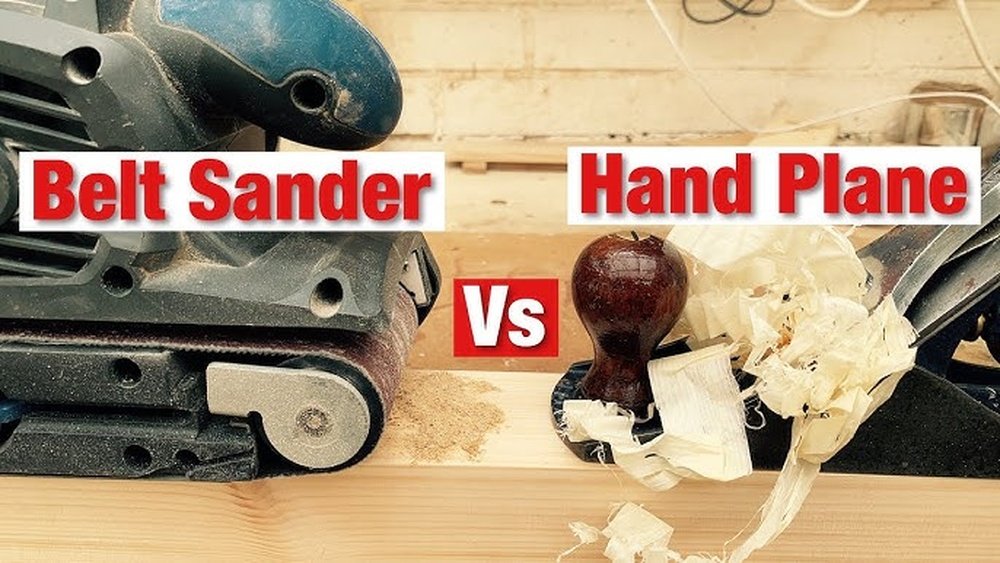
If you enjoy woodworking or DIY projects, you probably know the value of smooth surfaces and precise thickness. But when it comes to choosing tools for these tasks, many people get confused between a planer and a belt sander. Both tools can change the surface of wood, but they work in very different ways. Picking the right tool can save you time, money, and effort — but making the wrong choice can lead to frustration and poor results.
In this article, you’ll discover the clear differences between a planer and a belt sander, how each one works, what they do best, and how to decide which tool matches your project needs. We’ll also look at real examples, common mistakes, and some pro tips that most beginners never hear.
If you want your wood projects to look professional, read on.
What Is A Planer?
A planer is a woodworking tool designed to shave off thin layers from the surface of wood. Its main job is to make boards smooth and to ensure they have an even thickness from end to end. Planers come in both hand and electric versions, but most people think of electric thickness planers when talking about modern workshops.
How Does A Planer Work?
A typical planer has a set of sharp rotating blades inside a housing. You feed the wood through the machine, and the blades slice off a thin layer from the top. You can adjust how much material is removed by changing the cutting depth.
This allows you to get perfectly flat and uniform boards.
Key Uses Of A Planer
- Smoothing rough-sawn lumber
- Making boards a uniform thickness
- Flattening warped or twisted boards (with some skill)
- Preparing wood for joinery or furniture making
Advantages Of Using A Planer
- Speed: Removes material quickly across wide surfaces
- Precision: Ensures boards are perfectly parallel and even
- Consistency: Every pass gives a uniform thickness
Limitations Of A Planer
- Can’t remove deep gouges or knots easily
- Does not smooth across wood grain or end grain
- Needs boards to be already mostly flat or supported
What Is A Belt Sander?
A belt sander is a power tool that uses a loop of sandpaper moving at high speed to smooth wood, plastic, or even metal surfaces. It’s one of the fastest ways to sand large areas and can be used for shaping as well as smoothing.
How Does A Belt Sander Work?
A belt sander has two rollers, with a sandpaper belt stretched tightly around them. As the rollers spin, the belt moves in a constant loop. You press the tool against the workpiece, and the moving sandpaper grinds away the surface.
You can change the grit of the sandpaper to make the sanding rougher or smoother.
Key Uses Of A Belt Sander
- Smoothing rough surfaces
- Removing paint or old finishes
- Shaping wood edges or rounding corners
- Sanding large flat areas quickly
Advantages Of Using A Belt Sander
- Versatility: Works on wood, plastic, and metal
- Aggressive Material Removal: Removes surface fast
- Portability: Can sand in different locations and angles
Limitations Of A Belt Sander
- Can leave scratches or gouges if used poorly
- Hard to maintain perfectly flat surfaces
- Not designed for making boards thinner
Planer Vs Belt Sander: Core Differences
Choosing between a planer and a belt sander depends on your task. While both tools remove material, they do it in very different ways and for different reasons.
Here’s a simple comparison to make things clear:
| Feature | Planer | Belt Sander |
|---|---|---|
| Main Function | Thickness & flatness | Smoothing & shaping |
| Material Removal | Shaves thin layers evenly | Grinds surface with sandpaper |
| Precision | High (keeps wood parallel) | Medium (depends on user skill) |
| Surface Finish | May need sanding after | Smoother, but can be uneven |
| Common Uses | Preparing boards, joinery | Finishing, paint removal |
Two Non-obvious Insights
- Planers don’t replace sanding. Many beginners think using a planer means you can skip sanding. In reality, a planer leaves slight marks called “snipe” or “tear-out” that often need sanding to remove.
- Belt sanders can damage flatness. Pressing too hard or sanding in one spot can create dips or waves in your wood, which are difficult to fix later.
Typical Projects: Which Tool To Use?
Knowing what you want to build helps you choose the right tool. Let’s look at common scenarios:
Leveling And Thicknessing Boards
If you have rough-sawn or uneven lumber and need every board to match in thickness, a planer is the only real choice. It will quickly flatten and thin each piece so they fit together perfectly.
Removing Old Paint Or Finishes
A belt sander is your best friend for removing paint, varnish, or stubborn surface dirt. Planers are not designed for painted or dirty wood — blades will dull quickly and the surface can be ruined.
Preparing For Fine Finishes
After using a planer, you often need to follow up with a belt sander (or a finish sander) to get a silky-smooth surface. The planer gets the wood flat and even, and the sander prepares it for stain or paint.
Shaping And Rounding Edges
If you want to create curves, bevels, or rounded corners, a belt sander gives you more control. Planers are made for flat surfaces and cannot shape edges.
When To Use Both Tools Together
For professional results, many woodworkers use both a planer and a belt sander in sequence:
- Start with the planer to get boards flat and the same thickness.
- Finish with the belt sander to remove minor marks, smooth the surface, and prep for finishing.
This combination saves time and produces a surface that’s both accurate and beautiful.
Safety And Maintenance
Both planers and belt sanders are powerful tools. Using them safely and keeping them in good condition is vital for quality work and avoiding accidents.
Planer Safety Tips
- Always check the wood for nails or screws before planing. Metal can damage the blades and cause injury.
- Feed the wood slowly and never force it.
- Wear ear and eye protection — planers are very loud.
Belt Sander Safety Tips
- Hold the sander firmly with both hands.
- Start the sander before touching the wood, and lift it off before turning off.
- Keep fingers and loose clothing away from the moving belt.
Maintenance Advice
- Planer: Clean the blades often and sharpen or replace them as needed. Check for sap or resin buildup.
- Belt Sander: Replace worn belts, and empty dust bags regularly. Clean dust from vents to avoid overheating.
Cost And Value
The price of these tools can vary a lot, based on size, brand, and power. Here’s a quick price comparison for typical homeowner models:
| Tool | Average Price Range | Common Extras Needed |
|---|---|---|
| Planer | $300–$700 | Replacement blades, dust collection |
| Belt Sander | $50–$250 | Sandpaper belts, dust bags |
A good planer is a bigger investment, but it can save a lot of money if you often buy rough lumber or build furniture. Belt sanders are more affordable and easier to store, making them a common choice for beginners.
Common Mistakes And How To Avoid Them
With Planers
- Ignoring wood grain direction: Planing against the grain causes tear-out (rough spots). Always try to feed the wood with the grain.
- Planing dirty or painted wood: This damages the blades and gives poor results.
With Belt Sanders
- Staying in one spot too long: This creates dips and uneven surfaces.
- Using the wrong grit: Start with coarse grit for heavy removal, and move to finer grits for smoothing. Skipping grits leads to scratches.

Which Tool Should You Buy First?
If you’re just starting out, here’s how to decide:
- Buy a planer if you work with rough lumber, want to make your own panels, or need perfect thickness.
- Buy a belt sander if you mostly refinish, smooth, or shape wood and don’t need to change the thickness.
If your budget allows, both tools together will give you the most flexibility.
Alternatives And When To Use Them
- Hand planer: For small jobs or precise shaving, a manual hand planer works but is slow.
- Orbital sander: Good for final smoothing after using a belt sander, but much slower for heavy material removal.
- Jointer: Flattens one face or edge of a board before planing, often used in combination with a planer.
Environmental And Health Factors
Both tools create a lot of dust and noise. Always use dust collection systems and wear masks to protect your lungs. Planers are especially loud, often over 100 decibels, so proper ear protection is a must. Fine wood dust can be harmful over time, so good ventilation is important.
Real-world Example: Building A Tabletop
Suppose you want to build a solid wood tabletop. You start with rough planks:
- Use a planer to get all boards the same thickness and flat.
- Edge glue the boards to form a wide panel.
- Sand the surface with a belt sander to blend the joints and remove any marks.
- Finish with finer sanding and apply your stain or varnish.
Without a planer, your tabletop may not be flat. Without a sander, the surface may feel rough and show tool marks.
Pro Tips Most Beginners Miss
- Always check for moisture content before planing. Wet wood can clog the blades and warp later.
- For the smoothest surface with a belt sander, move in long, even strokes and never tip the tool on its edge.
External Resource
For more in-depth information on woodworking tools, check out this Woodworking article on Wikipedia.

Frequently Asked Questions
What Is The Main Difference Between A Planer And A Belt Sander?
A planer is designed to make wood flat and even in thickness, while a belt sander smooths and shapes the surface. Planers remove thin layers evenly, but sanders grind the surface with sandpaper.
Can I Use A Belt Sander Instead Of A Planer?
No. A belt sander cannot make boards a uniform thickness or perfectly flat. It’s mainly for surface smoothing, not for sizing lumber.
Is A Planer Or Belt Sander Better For Beginners?
A belt sander is usually easier and less expensive for beginners. However, if your projects need flat, even boards, a planer is worth the investment.
What Safety Gear Should I Use With These Tools?
Always use ear and eye protection. Wear a dust mask to protect your lungs, especially when using a belt sander, and keep loose clothing away from moving parts.
Which Tool Should I Buy First For Home Projects?
If you work with rough lumber or make furniture, start with a planer. If you mostly refinish or smooth surfaces, a belt sander is more useful.
Choosing between a planer and a belt sander is not just about the tool — it’s about the results you want. Pick the tool that matches your main tasks, and you’ll get better, faster, and more satisfying results in your woodworking journey.
As an Amazon Associate, We earn from qualifying purchases