
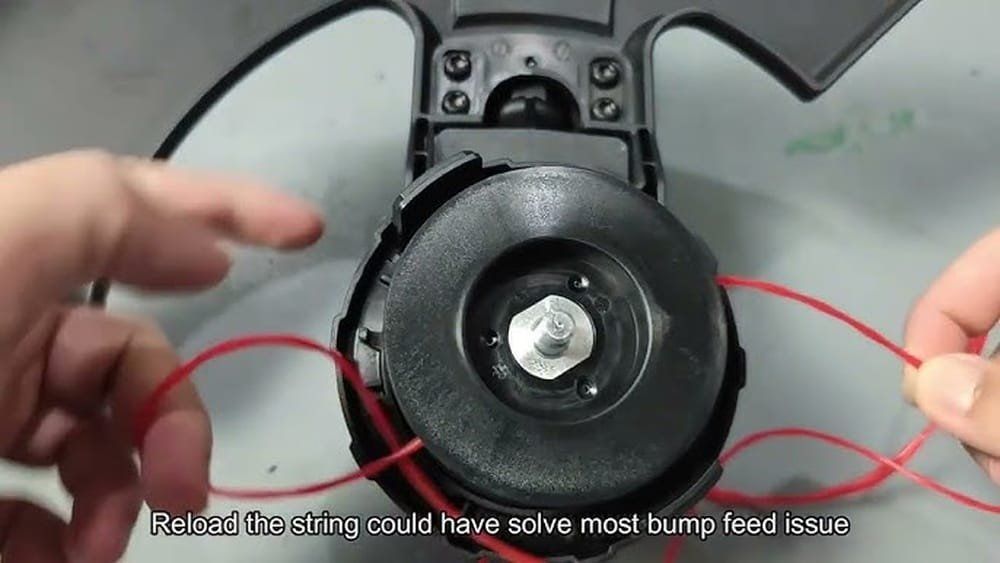
If you’ve ever owned a Milwaukee string trimmer, you know how great they can be for keeping the yard tidy. But when the string doesn’t feed like it should, it can turn a simple job into a huge headache. I’ve been there—sweating in the sun, jabbing the head on the ground, waiting for that “click” that means more line is coming out. Sometimes, nothing happens. If your Milwaukee string trimmer is not feeding, I want to share everything I’ve learned from fixing my own trimmer (and helping friends with theirs). You’ll find practical tips, easy troubleshooting steps, and a few things most people miss.
Why The String Won’t Feed: My First Experience
I remember the first time my trimmer stopped feeding. I was halfway through edging my driveway when the line just wouldn’t come out. I kept tapping, but nothing. I ended up pulling the spool apart and made a mess. That’s when I realized I didn’t really understand how the bump feed head worked.
Most Milwaukee trimmers use a bump feed system. You tap the head on the ground, and the line should come out. When it doesn’t, there’s usually a simple reason. Sometimes it’s the line, sometimes it’s the way you loaded it, and other times, it’s a deeper issue. Let’s break down the most common causes and what you can do.
Main Reasons A Milwaukee String Trimmer Won’t Feed
After years of using string trimmers, I’ve found these to be the main reasons the line won’t feed:
- Incorrectly wound spool
- Jammed or tangled line
- Wrong trimmer line size
- Worn or damaged bump head
- Broken spring or internal parts
- Dirt and debris inside the head
- Low-quality or old line
- Overfilled spool
- Battery or power issues
Let’s go through these one by one with real examples.
Incorrectly Wound Spool
This is the problem I run into most often. If you don’t wind the line neatly and in the right direction, it gets stuck. With my first Milwaukee trimmer, I rushed this step. The line crossed over itself and jammed inside the head.
After that, I always took a minute to wind the line tight and even.
Jammed Or Tangled Line
Sometimes, a small piece of line gets caught under another layer. The trimmer can’t pull it out. I’ve found that this usually happens when I use too much force when bumping or if the line is brittle.
Wrong Trimmer Line Size
Milwaukee trimmers need a certain line thickness. If you use line that’s too thick or too thin, it won’t feed. I once bought bargain line that was a bit thinner, and the bump feed stopped working. Always check your manual for the right size.
Worn Or Damaged Bump Head
The bump head is the part you hit on the ground. Over time, it wears out. One spring weekend, I noticed my trimmer head was cracked. The line wouldn’t advance no matter what. I had to replace the bump knob, and everything worked fine again.
Broken Spring Or Internal Parts
Inside the trimmer head, there’s a small spring. If it snaps or comes loose, the bump feed won’t work. This happened to a friend’s Milwaukee trimmer after several years. We had to open the head and replace the spring. It’s a cheap fix but easy to miss.
Dirt And Debris Inside The Head
After trimming along fences and gardens, little bits of grass and dirt can get inside the head. Once, my trimmer started acting up after a rainy week. I took the head apart and found packed mud inside. Cleaning it out fixed the problem.
Low-quality Or Old Line
Trimmer line gets old. If it sits in your shed for a year, it can get brittle. Cheap line also breaks more easily. I learned the hard way that it’s worth paying for good line. It feeds better and lasts longer.
Overfilled Spool
If you try to fit too much line on the spool, it won’t come out. I did this once, thinking I’d have to reload less often. Instead, the trimmer jammed after a few minutes.
Battery Or Power Issues
If the battery is weak, the trimmer might not spin fast enough to feed the line. I’ve noticed this when my battery gets low—it’s harder to feed the line. Make sure your battery is fully charged.
How I Fix A Milwaukee String Trimmer That’s Not Feeding
Here’s what I do, step by step, when my trimmer line won’t feed. Most of these steps take just a few minutes.
Step 1: Turn Off And Unplug (or Remove Battery)
Safety first. I always remove the battery before touching the head. A trimmer can start accidentally and cause injury.
Step 2: Inspect The Bump Head
I flip the trimmer over and check for cracks, missing parts, or anything unusual. If the bump knob is worn out, I know it’s time to replace it.
Step 3: Open The Trimmer Head
I press the tabs or unscrew the cap (depending on the model). Then I pull out the spool. Here’s where I look for tangles, knots, or dirt.
Step 4: Check The Line
I unwind a bit of line to see if it’s wound correctly. It should be neat, tight, and not crossing over itself. If the line is brittle or broken, I replace it.
Step 5: Clean The Head
I use a brush or a cloth to wipe out any dirt, grass, or debris inside the head. Sometimes, a quick clean makes all the difference.
Step 6: Rewind Or Replace The Line
If the line was tangled or too short, I cut a new piece and rewind it tightly, following the arrow on the spool. The arrows show which way to wind.
Step 7: Reassemble And Test
I snap or screw the head back on, pop in the battery, and give it a test. If it feeds, I’m good to go. If not, I check the spring and other parts.
Step 8: Replace Worn Parts
If the bump head or spring looks damaged, I order a replacement. Milwaukee parts are easy to find online or at hardware stores.
How To Prevent Feeding Problems: What I Learned
After years of trimming, I’ve picked up a few habits that help prevent feeding problems.
- Always use the right line size: Milwaukee usually recommends 0.080″ or 0.095″ line.
- Don’t overfill the spool: Leave a little space at the edge.
- Wind the line tight and even: Avoid crossing layers.
- Store line indoors: Heat and sunlight make line brittle.
- Keep the trimmer head clean: A quick wipe after each use helps.
One tip most people miss: Soak your trimmer line in water for 24 hours before loading. This keeps it flexible and less likely to break. I tried this after reading about it online, and it really works.

Comparing Milwaukee Trimmer Models
Some models are easier to load and less likely to jam. Here’s a simple look at three common Milwaukee trimmers I’ve used.
| Model | Line Size | Spool Capacity | Common Issues |
|---|---|---|---|
| Milwaukee M18 FUEL | 0.080″ / 0.095″ | 16 ft | Line jams if overfilled |
| Milwaukee M18 Brushless | 0.080″ | 14 ft | Bump knob wears out |
| Milwaukee M12 Sub Compact | 0.080″ | 10 ft | Shorter run time, less power |
When To Replace Parts Vs. Repair
Sometimes, fixing the trimmer is easy. Other times, you need new parts. Here’s how I decide:
| Problem | Repair | Replace |
|---|---|---|
| Tangled Line | Rewind line properly | — |
| Broken Spring | — | Buy new spring |
| Worn Bump Knob | — | Replace bump knob |
| Dirt in Head | Clean head | — |
| Damaged Spool | — | Replace spool |
Common Mistakes I’ve Made (so You Don’t Have To)
Looking back, I’ve made a few mistakes with my Milwaukee string trimmer. Here’s what I wish I’d known:
- Using cheap line: It saves a few dollars but causes more jams and breaks.
- Loading too much line: More is not better. Stick to the recommended length.
- Ignoring the manual: Every model is a bit different. The arrows on the spool matter.
- Forcing the bump feed: If it doesn’t feed, stop and check. Don’t keep hitting the ground harder.
- Not cleaning the head: Dirt builds up fast. Clean it every few uses.
Real-world Example: Fixing My Neighbor’s Trimmer
Last summer, my neighbor’s Milwaukee trimmer stopped feeding. He was ready to toss it out. I offered to take a look. We found:
- The line was wound backward.
- The spool was packed too full.
- The bump knob was cracked.
We rewound the line properly, replaced the knob, and cleaned out a ton of dirt. It worked perfectly after that. He was surprised how simple the fix was. Sometimes, a few small steps make all the difference.
Milwaukee Vs. Other Brands
I’ve used other brands like Ryobi and DeWalt. Milwaukee stands out for its power and battery life, but feeding problems happen with all brands. Here’s a quick comparison of my experience:
| Brand | Feeding Reliability | Ease of Repair | Parts Availability |
|---|---|---|---|
| Milwaukee | Good | Easy | High |
| Ryobi | Fair | Medium | High |
| DeWalt | Good | Easy | Medium |
When To Call For Help
Most feeding problems are easy to fix yourself. But if the motor isn’t spinning or the head is badly damaged, it might be time for a pro. Milwaukee has great support. You can find parts, manuals, and help on their official website.

Frequently Asked Questions
Why Does My Milwaukee Trimmer Line Keep Breaking?
Usually, it’s old or low-quality line. Make sure you use the right thickness and store your line indoors.
How Do I Know Which Way To Wind The Line?
There’s usually an arrow on the spool. Follow the direction of the arrow for your model.
Can I Use Any Brand Of Trimmer Line?
Yes, as long as the diameter matches Milwaukee’s recommendations (usually 0. 080″ or 0. 095″).
What Should I Do If The Bump Head Is Stuck?
Remove the battery, then gently pry the head apart. Clean out any dirt and reassemble.
How Often Should I Replace The Bump Knob Or Spring?
If you trim often, check these parts every season. Replace them if they look worn or cracked.
I hope my story helps you keep your Milwaukee string trimmer feeding smoothly. A little care goes a long way, and most problems are easier to fix than you think. If you run into trouble, don’t give up—try these tips and get back to enjoying your yard.
As an Amazon Associate, We earn from qualifying purchases