
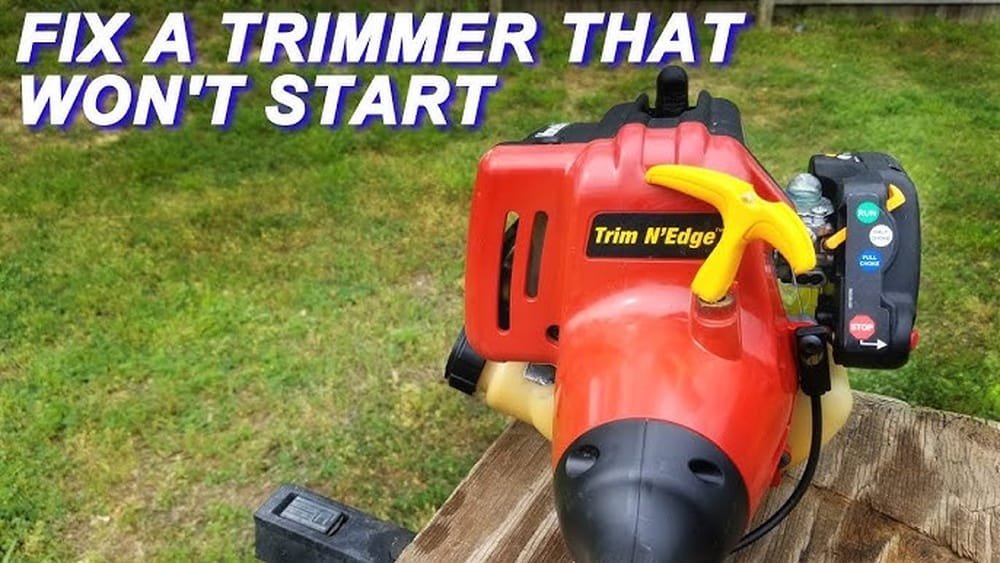
If you’ve ever grabbed your Homelite string trimmer for a quick yard clean-up only to find it won’t start, you know how frustrating it can be. I’ve been there—sweat on my brow, weeds waving at me, and that stubborn machine just sitting there. The good news? Most starting problems aren’t that hard to fix. Over the years, I’ve learned a lot from wrestling with my own trimmer. Let me walk you through what I’ve discovered, step by step, using language you don’t need a manual to understand.
Why Your Homelite String Trimmer Won’t Start
When your trimmer refuses to start, it’s usually because of a few common issues. Sometimes it’s something simple, like an empty gas tank. Other times, it’s a clogged filter or a spark plug that’s gone bad. I’ll break down every possible reason I’ve run into, explain how I fixed it, and share tips so you can avoid the same headaches.
First Things First: Safety And Setup
Before you start poking around, always make sure the trimmer is off and cool. Don’t smoke or use open flames near fuel. Wear gloves if you’re dealing with gas or oil. I learned the hard way that even a small fuel spill can ruin your day.
The Basics: Fuel And Oil
In my experience, bad fuel is the number one culprit. If your Homelite trimmer has been sitting all winter, the gas may have gone bad. Old gas loses power and can clog small engine parts. Here’s what I do:
- Check if there’s gas in the tank. If it smells sour or looks dark, it’s probably old.
- Drain the old fuel. I use a hand pump or just tip the trimmer (carefully).
- Fill with fresh, regular unleaded gas. For most Homelite models, a 40: 1 gas-to-oil mix is best. That means for every 1 gallon of gas, mix in 3.2 ounces of two-cycle oil.
If you use straight gas or the wrong oil, the engine can seize up. I made that mistake once—never again! Always check your model’s manual for the exact mix.
Quick Reference: Gas And Oil Mix
| Mixture Ratio | Gasoline | 2-Cycle Oil | For Which Engines? |
|---|---|---|---|
| 40:1 | 1 gallon | 3.2 oz | Most Homelite trimmers |
| 50:1 | 1 gallon | 2.6 oz | Some new models |
Air Filter Troubles
A dirty air filter can choke your engine, just like trying to run a marathon with a stuffy nose. I didn’t realize how fast these filters clog up. If your trimmer won’t start, pull out the air filter. If it’s caked with dirt or grass, it’s time to clean or replace it.
How I clean the filter:
- Remove the cover and pull out the foam filter.
- Wash it in warm, soapy water.
- Let it dry fully before putting it back. Never run the engine with a wet filter.
If the filter is torn or won’t come clean, buy a new one. They’re cheap and make a big difference.
Spark Plug Problems
A bad spark plug is like trying to start a fire with wet matches. The first time my trimmer wouldn’t start, I spent an hour on the fuel before I checked the plug. Lesson learned.
Here’s what I do:
- Remove the spark plug with a wrench.
- Inspect the tip. If it’s black, oily, or worn down, it’s time to replace it.
- The gap between the electrodes matters. For Homelite, it’s usually 0.025 inch. I use a small gap tool, but a credit card is about the right thickness if you’re in a pinch.
- Screw in the new plug, but don’t over-tighten.
If you keep a spare spark plug in your garage, you’ll thank yourself later.
Primer Bulb And Carburetor Issues
Most Homelite trimmers have a primer bulb. This small bulb pulls fuel into the carburetor. If it’s cracked or doesn’t spring back, replace it. If fuel isn’t reaching the carburetor, the engine won’t start.
Carburetor problems are a bit trickier. Dirt and old fuel can clog the tiny passages. If you’re comfortable, you can clean the carburetor yourself. I use a carb cleaner spray and a small brush. But if you’re not sure, take it to a shop.
A deep clean can bring an old trimmer back to life.
When To Clean Or Replace The Carburetor
| Symptom | Possible Carb Problem | What I Do |
|---|---|---|
| Won’t start after storage | Gummed up with old fuel | Drain, use fresh fuel, spray carb cleaner |
| Starts but dies quickly | Clogged jets | Remove and clean carburetor |
| Bulb won’t fill with fuel | Cracked bulb or blocked line | Replace bulb or fuel line |
Flooded Engine
Sometimes I get impatient and pull the starter cord too many times. This can flood the engine—too much fuel, not enough air. If you smell strong gas and the trimmer won’t start, it might be flooded.
What I do:
- Switch the choke to “run.”
- Hold the throttle wide open.
- Pull the starter cord a few times. It may take 10 or more pulls, but usually, the extra fuel clears out.
Don’t keep pulling with the choke on; it only makes things worse.
Choke And Starting Procedure
I used to get mixed up with the choke settings. Most Homelite trimmers have a lever marked “choke. ” When starting cold, set it to “full choke. ” Once the engine sputters, move to “half choke,” then “run. ”
If you try to start on “run” with a cold engine, you’ll be pulling forever. Follow this sequence:
- Prime bulb 5-6 times.
- Set choke to “full.”
- Pull starter until it fires.
- Switch to “half choke.”
- Pull again until engine runs.
- Move to “run.”
It took me a few tries to get this right, but now it’s second nature.
Fuel Lines And Filters
Over time, fuel lines can crack or become brittle, especially if you use ethanol-blended gas. I once spent an hour troubleshooting, only to find a split line leaking fuel inside the tank.
Check the lines for cracks or leaks. If they’re soft or sticky, replace them. There’s also a small fuel filter inside the tank, usually attached to the end of the fuel line. Fish it out with a hook or bent wire and inspect it.
If it’s dirty, swap it for a new one.
Recoil Starter Problems
If you pull the starter cord and it doesn’t catch, or it feels loose, the recoil starter may be broken. This happened to me after a few seasons of hard use.
Sometimes the spring inside loses tension, or the rope snaps. Replacing the recoil starter isn’t too hard, but you need the right parts. Most hardware stores carry starter kits for Homelite trimmers.

Electrical Problems
Some Homelite trimmers have a small kill switch or on/off button. If this switch is faulty, the trimmer won’t start, no matter what. I once forgot I had turned the kill switch off—talk about embarrassing!
Check the switch and wiring. If it’s loose or corroded, fix or replace it.
Compression Issues
If your trimmer is old and you’ve tried everything else, it might have low compression. This means the engine’s internal seals are worn out, so it can’t build up the pressure needed to run. You can check this by pulling the starter cord. If there’s very little resistance, compression may be low.
Fixing low compression usually means a full engine rebuild. For most of us, it’s cheaper to replace the trimmer.
Quick Troubleshooting Checklist
Here’s a summary of what I check, in order:
- Fresh gas with correct oil mix
- Clean or new air filter
- Good spark plug, correct gap
- Primer bulb and fuel lines
- Carburetor clean and working
- Choke settings
- Recoil starter
- Kill switch
- Compression

How I Maintain My Trimmer To Prevent Starting Problems
After years of trial and error, I follow a simple routine that keeps my trimmer running:
- Use fresh, properly mixed fuel every season.
- Clean or replace the air filter every few months.
- Change spark plug once a year.
- Drain fuel before winter storage.
- Run the engine dry before storing.
- Check fuel lines and primer bulb for wear.
- Start the trimmer at least once a month, even in the off-season.
It’s amazing how these small habits add years to your trimmer’s life.
What Most People Miss: Two Insights From Experience
- Ethanol in gas can destroy small engines. Ethanol attracts water, which leads to corrosion. I use fuel stabilizer or buy ethanol-free gas if I can find it.
- Seasonal storage matters. I used to just leave gas in the tank all winter. Now I drain it or run the engine dry. This stops varnish buildup and keeps the carburetor clear.
When To Call For Help
If you’ve tried everything and your Homelite string trimmer still won’t start, it might be time to see a pro. Some repairs, like fixing compression or deep carburetor cleaning, need special tools. Don’t be afraid to ask for help—it can save you hours of frustration.
For official manuals or support, check the Homelite Service & Support page. They have detailed guides and videos for almost every model.
Frequently Asked Questions
Why Won’t My Homelite Trimmer Start After Winter?
Most often, it’s because of old gas or a clogged carburetor. Drain the fuel, use fresh gas, and check the air filter and spark plug. Cold storage can also cause fuel lines to crack.
How Do I Know If My Trimmer’s Spark Plug Is Bad?
Remove the plug and look at the tip. If it’s black, oily, or damaged, replace it. You can also test for spark by grounding the plug against the engine and pulling the starter—no spark means it’s bad.
What’s The Right Fuel Mix For Homelite Trimmers?
Most use a 40:1 mix of gasoline and two-cycle oil. That’s 1 gallon of gas to 3.2 ounces of oil. Check your manual to be sure.
How Can I Prevent My Trimmer From Flooding?
Don’t over-prime or pull the starter too many times with the choke on. If it floods, switch to “run,” hold the throttle, and pull the cord to clear extra fuel.
When Should I Replace The Air Filter?
Check it every 10 hours of use or at the start of each season. Replace if it’s very dirty, torn, or won’t come clean with soap and water.
—
Getting a Homelite string trimmer to start doesn’t have to be a mystery. I’ve learned these steps through years of frustration, sweat, and a few good laughs. If you tackle each part one at a time, you’ll usually find the problem fast.
And with a little care, your trimmer will run strong every season. Happy trimming!
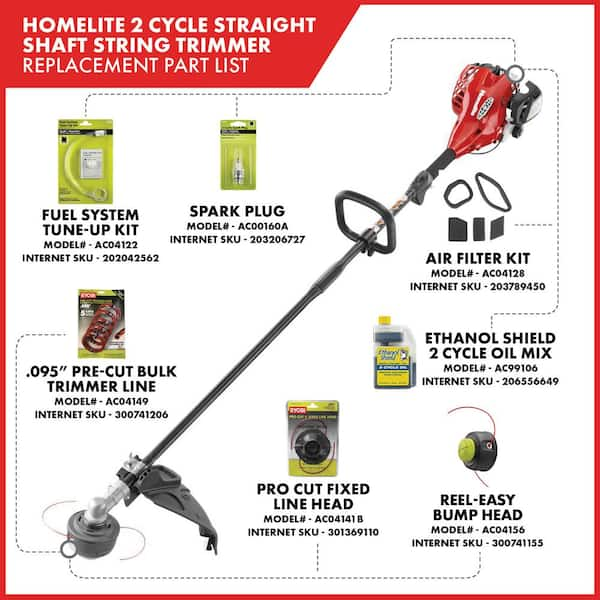
As an Amazon Associate, We earn from qualifying purchases