
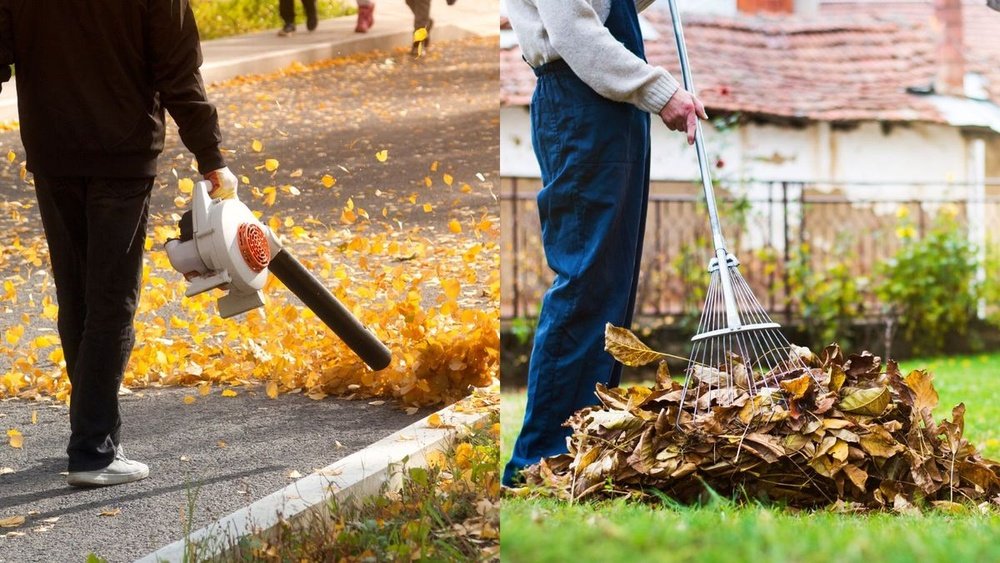
When fall arrives, many homeowners face the same question: leaf blower or rake? Both tools promise to help clear away fallen leaves, but they do the job in very different ways. Choosing the right one is not always easy. It depends on your yard, your preferences, and even your physical health. Some people love the quiet rhythm of raking, while others want to finish the task quickly with a powerful blower.
This article will guide you through everything you need to know about leaf blowers and rakes. You will learn how each tool works, their pros and cons, costs, environmental impact, and even some surprising facts that most people miss. By the end, you will be ready to choose the best tool for your lawn and your lifestyle.
What Is A Leaf Blower?
A leaf blower is a machine that uses air to move leaves and debris. It usually has a motor (gas, electric, or battery-powered) that blows air through a tube. You point the tube at leaves, and the wind pushes them into piles.
There are three main types:
- Gas-powered leaf blowers – These are powerful and good for large yards, but they can be noisy and produce fumes.
- Corded electric leaf blowers – Lighter and quieter, but you need an outdoor power outlet and the cord can get in the way.
- Battery-powered leaf blowers – Portable and quiet, but the battery may not last as long on big jobs.
Leaf blowers are also used for more than just leaves. People use them to clear grass clippings, dirt, and even light snow.
What Is A Rake?
A rake is a simple hand tool with a long handle and a row of tines (teeth) at the end. You pull the rake through grass or dirt to gather leaves into piles. There are different kinds, but the most common for leaves is the fan rake or lawn rake. It has flexible, wide tines made from metal, plastic, or bamboo.
Rakes have been used for centuries. They are quiet, require no fuel or electricity, and give you a good workout. Some people find raking relaxing, almost like a form of light exercise or meditation.
How Does Each Tool Work?
Leaf Blower Operation
When you start a leaf blower, the motor spins a fan inside. This fan creates a strong stream of air, which comes out of the nozzle. By aiming the nozzle, you can push leaves in the direction you want. Most blowers let you adjust the speed or power.
This is helpful for moving wet or heavy leaves, or when you need a gentler touch around flower beds.
Some leaf blowers are backpack-style, with the motor and fan on your back, and a flexible tube in your hand. Others are handheld, which are lighter but less powerful.
Rake Operation
Using a rake is simple but can be tiring. You grip the handle, pull the tines through the grass, and leaves gather in front of the rake. When you have enough, you lift the pile and move it to a bag or compost bin.
Raking takes more time and energy than blowing, especially for large yards or heavy leaf fall. But it gives you more control, and you can pick up every last leaf if you want.
Key Differences At A Glance
Here’s a quick side-by-side view of leaf blowers vs rakes:
| Feature | Leaf Blower | Rake |
|---|---|---|
| Power Source | Gas, electric, battery | Manual (human-powered) |
| Speed | Fast (especially for large areas) | Slower |
| Noise | Loud (gas blowers), moderate (electric), quiet (battery) | Very quiet |
| Physical Effort | Low to medium | High |
| Cost | Higher initial price | Very low |
| Maintenance | Needs some (fuel, batteries, cleaning) | Minimal |
| Environmental Impact | May create emissions (gas), uses electricity | Eco-friendly |
Pros And Cons Of Leaf Blowers
Advantages
- Speed – A leaf blower can clear a large yard in a fraction of the time it takes to rake.
- Less physical work – Good for people with back problems or limited strength.
- Versatility – Can move leaves, grass clippings, dirt, and light snow.
- Reach – Gets leaves out of bushes, from under decks, and off hard-to-reach places.
Disadvantages
- Noise – Gas blowers can be as loud as 100 decibels, which is like a chainsaw.
- Cost – Leaf blowers range from $40 to $400 or more.
- Maintenance – Needs fuel, oil, batteries, or cords. Parts can wear out.
- Pollution – Gas models emit fumes and greenhouse gases. Even electric ones use energy.
- Can blow dust and allergens – May make allergies worse or disturb neighbors.
Pros And Cons Of Rakes
Advantages
- Quiet – You can rake early in the morning or late at night without disturbing anyone.
- Low cost – Most rakes cost $10 to $40 and can last for years.
- Eco-friendly – No emissions, no electricity, fully manual.
- Exercise – Raking burns about 225 calories per hour, according to Harvard Medical School.
- Full control – Easy to collect every leaf, even in flower beds or tight corners.
Disadvantages
- Time-consuming – Raking a large yard can take hours.
- Physical strain – Can cause sore muscles, blisters, or back pain if you’re not careful.
- Less efficient with heavy or wet leaves – Wet leaves can be hard to move.
- Limited reach – Hard to get leaves out of dense shrubs or off gravel.
Cost Comparison: Leaf Blower Vs Rake
The price of each tool is a big factor for many homeowners. Here’s a breakdown:
| Tool Type | Initial Cost | Maintenance Cost (Yearly) | Lifetime (Years) |
|---|---|---|---|
| Leaf Blower (Gas) | $120–$400 | $20–$60 (fuel, oil, tune-ups) | 5–8 |
| Leaf Blower (Electric/Battery) | $40–$200 | $5–$20 (electricity/batteries) | 3–7 |
| Rake | $10–$40 | Almost $0 | 5–15 |
Don’t forget to factor in bags or yard waste disposal. Both tools require you to bag or compost the leaves in most cities.
Environmental Impact
Leaf Blowers
Gas-powered models create the most pollution. According to the California Air Resources Board, one hour of using a gas leaf blower can produce as much smog-forming pollution as driving a car for over 1,100 miles. They also emit carbon monoxide and other harmful gases.
Electric blowers are cleaner, but they still use energy from power plants, which may burn coal or natural gas. Battery-powered models are better, but making and recycling batteries has its own impact.
Another problem: leaf blowers can blow dust, pollen, mold, and even animal droppings into the air. This can be a health risk for people with allergies or asthma.
Rakes
A rake has almost no negative environmental effect. It uses only your energy and makes no noise or emissions. It also does not disturb insects or small animals as much as a blower.
One insight: leaving some leaves on your lawn can help the environment! Leaves are food and shelter for butterflies, beetles, and other wildlife. Removing every leaf is not always best for nature.
Physical Effort And Health Effects
Leaf Blower
Most people find leaf blowers easy to use. You need to carry the machine (5–20 pounds depending on the type), aim the nozzle, and walk around your yard. It’s less tiring than raking, but holding a heavy blower for a long time can strain your shoulder or wrist.
One thing beginners miss: prolonged use of a loud blower without ear protection can damage hearing. Always wear earplugs or earmuffs with gas models.
Rake
Raking is good aerobic exercise and helps strengthen your arms, legs, and back. But it’s easy to overdo it. People with back problems, arthritis, or other health issues should take breaks, use good posture, and wear gloves to avoid blisters.
Some people enjoy the peace of raking and use it as a way to relax. But for others, it’s a tiring chore.
Noise And Neighborhood Rules
Noise is a big issue with leaf blowers, especially gas-powered ones. Some cities have banned them or limited the hours you can use them. For example, in California, more than 100 cities have rules against gas blowers.
Check your local laws before buying or using a blower. If you live in a quiet neighborhood, a rake is less likely to cause problems with neighbors.

Efficiency In Different Conditions
Large Yards
If you have a big yard (more than 1/4 acre), a leaf blower can save hours of work. It’s also better for moving leaves from driveways, patios, and gravel.
Small Or Complicated Spaces
For small lawns, gardens with many flower beds, or yards with lots of obstacles (trees, fences, ornaments), a rake gives more control. You can get into tight spots without blowing mulch or soil everywhere.
Wet Leaves
Leaf blowers struggle with wet, heavy leaves. Even powerful blowers may leave some behind. A rake can pick them up, but it takes more effort. Some people use both: blowers for dry leaves, rakes for wet patches.
Which Tool Is Safer?
Both tools are generally safe when used correctly, but there are some risks.
- Leaf blowers can blow debris into your eyes, so always wear safety glasses. The noise can damage hearing. Gas blowers also get hot and should be kept away from children and pets.
- Rakes can cause blisters, splinters, or muscle strains. Always check the handle for rough spots, and use gloves.
Maintenance And Longevity
Leaf Blower
To keep a blower working well, you need to:
- Clean or replace the air filter regularly
- Check and clean the spark plug (for gas models)
- Keep the fan free of debris
- Store batteries correctly (for battery models)
- Drain fuel for winter storage
A leaf blower can last 3–8 years with good care, but repairs can be costly if the motor fails.
Rake
Rakes need very little care. Store them indoors to prevent rust (for metal tines) or cracking (for wood handles). If a tine bends, you can often straighten it. Some plastic rakes break more easily, but replacements are cheap.
Surprising Insights Most People Miss
- Leaves are not just trash. They are valuable for compost, mulch, and supporting wildlife. You don’t need to remove every leaf. Try using leaves in your garden beds or compost bin instead of throwing them away.
- Mixing both tools is common. Many homeowners use a leaf blower for the main job, then a rake for finishing touches. This gives both speed and control.
- Wet leaves can be slippery. Whether you rake or blow, always be careful walking on wet leaves—they are a major cause of falls in autumn.
- Noise fines can be expensive. In some cities, using a gas blower outside allowed hours can result in fines of $100–$500.
- Electric blowers are getting better. Battery technology has improved, so modern cordless blowers can run up to an hour and are almost as strong as gas models.
Real-world Examples
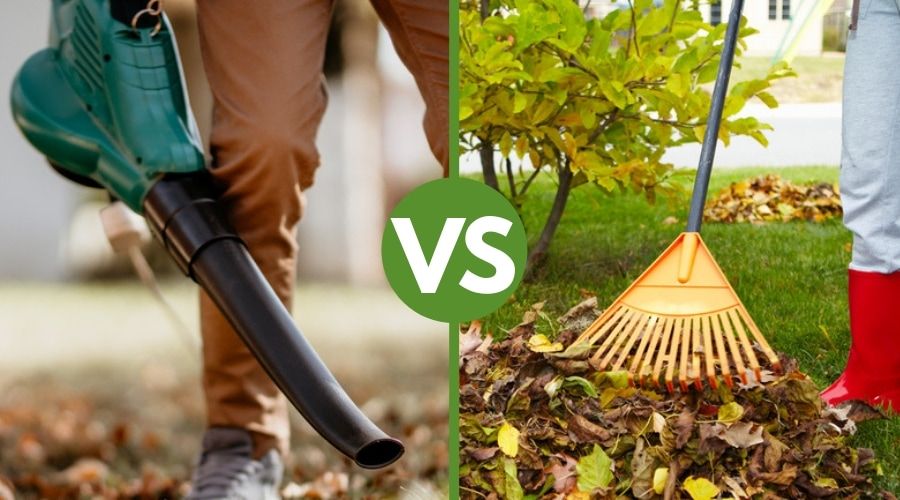
- Suburban homeowner: Maria has a 1/3 acre yard with lots of trees. She uses a battery blower for most of the leaves, and then rakes the flower beds. She says, “The blower saves me so much time, but I like raking for the final cleanup.”
- City gardener: Tom manages a small urban garden. He only uses a rake, because it’s quiet and precise. “I don’t want to annoy my neighbors, and raking gives me a good workout,” he says.
- Landscaping business: Pro crews often use backpack blowers for speed, but they always carry rakes for detail work.
Choosing The Right Tool For You
To make the best choice, think about these questions:
- How big is your yard? Large yards favor blowers; small spaces favor rakes.
- Do you have physical limitations? A blower is easier on your back and arms.
- What’s your budget? Rakes are cheaper, but blowers save time.
- How much do you care about noise and pollution? Rakes win for peace and the environment.
- Are there local rules? Always check for blower bans or noise laws.
- Do you want exercise? Raking is a form of cardio.
- Do you need to do more than just leaves? Blowers can handle grass, light snow, and debris.
- Is speed important? Blowers are much faster on big jobs.
If you’re still not sure, consider renting a blower for a day or borrowing one from a neighbor. You may find that using both tools together gives the best results.
Leaf Blower Vs Rake: Which Is Better?
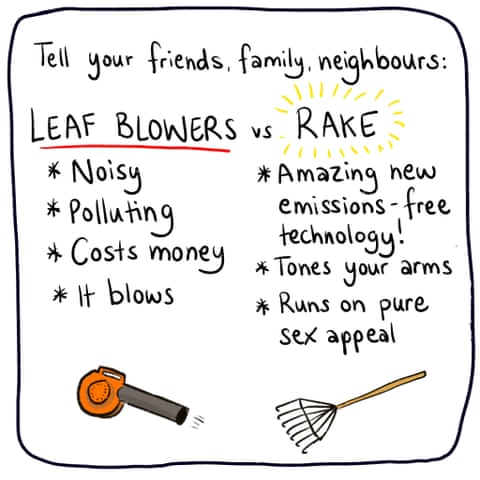
There is no single “best” tool. Each has strengths and weaknesses. Most homeowners choose based on their yard size, health, budget, and personal values.
Leaf blowers are best for:
- Large or open yards
- People with limited time or physical strength
- Clearing driveways and patios
- Getting leaves from hard-to-reach spots
Rakes are best for:
- Small to medium yards
- Quiet neighborhoods or cities with blower bans
- People who enjoy physical activity
- Detailed cleanup in flower beds or gardens
Some people even decide to buy both. Use a blower for the big jobs and a rake for the finishing touches.
Frequently Asked Questions
What’s The Fastest Way To Clear Leaves From A Lawn?
A leaf blower is usually the fastest tool for large, open lawns. For small areas or places with many obstacles, a rake can be just as quick, especially if the leaves are dry and light.
Are Leaf Blowers Banned In Some Places?
Yes, many cities in the US have banned gas-powered leaf blowers due to noise and air pollution. Always check your local city’s website for rules before buying or using one. For more, see Wikipedia.
Is Raking Leaves Good For Your Health?
Raking is a moderate aerobic exercise. It burns calories, strengthens muscles, and can help reduce stress. However, people with back problems or certain medical conditions should be careful and take breaks.
Can A Leaf Blower Damage My Lawn?
If you use a high-power blower on bare soil or young grass, it can blow away mulch or even damage plants. Use a lower setting near flower beds or fragile areas.
Should I Remove All Leaves From My Lawn?
Not always. A thin layer of leaves can protect grass and improve soil as they break down. Remove thick piles to prevent mold or smothering, but consider leaving some leaves for wildlife and mulch.
Final Thoughts
The battle of leaf blower vs rake is really about finding what works best for you. If you want speed, power, and less physical work, a leaf blower may be the right choice. If you value quiet, low cost, and a bit of exercise, choose a rake. Many people find that using both tools, in the right situation, gives the best results for their yard and their peace of mind. Whatever you choose, remember that clearing leaves is also about enjoying your time outdoors and taking care of your little piece of nature.
As an Amazon Associate, We earn from qualifying purchases