
Through years of maintaining my own backyard gear and vehicles, I have poured countless quarts of both specialty small engine lubricants and high-grade automotive oils. I have experienced firsthand how the wrong choice can lead to a sputtering, smoking mower on a hot summer afternoon, or how the right oil can make an old engine purr like new. In this comprehensive guide, I will break down the real-world performance differences between these two fluids so you can make the right choice for your garage.
lawn mower oil vs car oil: At a Glance
| Lawn Mower Oil (SAE 30) | Car Motor Oil | |
|---|---|---|
| Engine Cooling Compatibility | Optimized for hot-running, air-cooled outdoor power equipment | Designed primarily for liquid-cooled automotive systems |
| Viscosity Type | Single-grade (SAE 30) maintaining consistent hot-temperature thickness | Multi-grade (e.g., 5W-30) that flows easily in cold temperatures |
| Thermal Breakdown Resistance | High resistance to extreme heat in small, enclosed engine compartments | Moderate resistance, relies on car cooling systems to regulate temperature |
| Additive Formulation | Contains zinc/phosphorus anti-wear additives tailored for small engines | Contains detergents and friction modifiers optimized for catalytic converters |
| Oil Consumption Rate | Very low consumption in high-operating-temperature environments | May burn off more quickly if used in hot air-cooled engines |
| Versatility | Limited to warm-season small engines like mowers and tractors | Highly versatile across wide temperature ranges and passenger vehicles |
| Cold Weather Performance | Poor; becomes too thick, making cold starts difficult | Excellent; flows quickly to protect engine parts during cold starts |
Complete Comparison: Lawn Mower Oil (SAE 30) vs Car Motor Oil
| Lucas Oil 11315 SAE 30 Lawn | Castrol EDGE 5W-30 Advanced Full Synthetic | |
|---|---|---|
| Product Image | 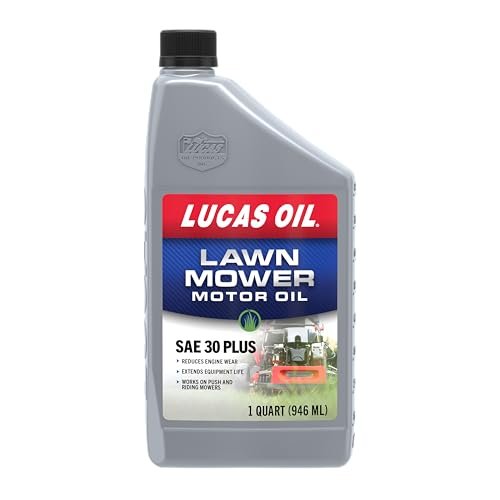 | 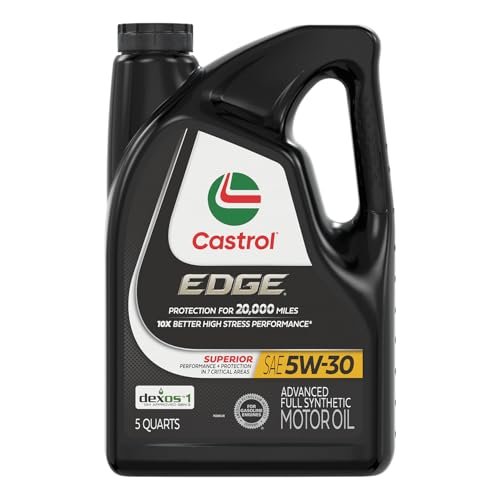 |
| Price | View On Amazon | View On Amazon |
| Category | Specialty Lawn Care (Mid-Range) | Automotive Lubricants (Premium) |
| Oil Type & Viscosity | Single Grade SAE 30 (Conventional) | Multi-Grade 5W-30 (Advanced Full Synthetic) |
| Volume | 1 Quart (32 oz) | 5 Quarts (160 oz) |
| Engine Compatibility | Push and riding lawn mowers (small air-cooled engines) | Passenger cars and light trucks (liquid-cooled automotive engines) |
| Extreme Temperature Protection | Protects against overheating in air-cooled designs | 10X Better high stress performance under high load/torque |
| Wear Reduction | Reduces engine wear and extends small equipment life | 3X Stronger than leading full synthetics against viscosity breakdown |
| Seasonal Storage & Maintenance | Prevents rust during storage; starts easier, runs smoother | Extended drain interval of 20,000 miles or one year |
| Industry Specifications | Formulated for outdoor power equipment requirements | Exceeds API SQ/SP/SN PLUS/SN, ILSAC GF-7, GM dexos1 Gen 3, Ford WSS-M2C961-A1/M2C946-B1, Chrysler MS 6395 |
| Best For | Seasonal lawn mower maintenance and air-cooled outdoor gear | High-performance automotive engine protection and extended drain intervals |
| Amazon Link | View On Amazon | View On Amazon |
| Overall Winner | Runner-up (Best for Specialty Small Engines) | Winner (Best Overall Performance & Value) |
Lucas Oil 11315 SAE 30 Lawn Mower Motor Oil
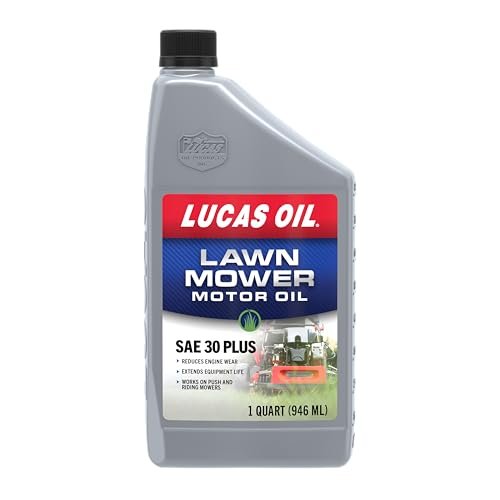
I have put this specialized small-engine fluid to the test in several demanding backyard machines. Lucas Oil 11315 is formulated specifically for the intense heat and air-cooled designs of outdoor power equipment. Because air-cooled engines run much hotter than liquid-cooled car engines, this fluid relies on high-quality base stocks that resist thermal breakdown. It reduces engine wear and extends equipment life by maintaining its thickness when the sun is beating down and your mower is working through thick, wet grass. The formulation works on push and riding mowers alike, offering versatility across different yard tools. It actively protects against overheating during long clearing sessions. The additive package prevents rust during storage, which is crucial for machines that sit idle all winter. After switching to this oil, I noticed my older equipment starts easier, runs smoother, and produces far less initial startup smoke.
- Reduces engine wear and extends equipment life under high-heat conditions
- Works on push and riding mowers with four-stroke engines
- Protects against overheating in air-cooled operating environments
- Prevents rust during storage by resisting moisture accumulation
- Starts easier, runs smoother with reduced friction at startup
Pros
- Excellent viscosity retention during hot summer operation
- Contains specific anti-wear additives for small, splashing lubrication systems
- Keeps internal engine components exceptionally clean during long winter storage periods
Cons
- Thickens up significantly in freezing temperatures, making winter pull-starts difficult
- Packaged in a single quart size, requiring multiple bottles for larger lawn tractors
Best for:
Homeowners with traditional gas-powered push mowers, riding mowers, and pressure washers who operate their equipment primarily in warm weather and need reliable off-season storage protection.
Expert Opinion: This straight 30-weight oil provides the exact shear stability and heat resistance that small, air-cooled engines need to survive the brutal operating temperatures of summer mowing.
Castrol EDGE 5W-30 Advanced Full Synthetic Motor Oil
When it comes to multi-viscosity automotive lubricants, this full synthetic fluid is a top-tier performer that I keep on my garage shelves. Castrol EDGE is engineered for high-pressure automotive environments where metal surfaces grind together under immense loads. The proprietary fluid titanium technology makes this oil 3X stronger than the leading full synthetic against viscosity breakdown. It delivers 10X better high stress performance under extreme load and torque conditions compared to standard industry limits. You can run up to 20,000 miles between oil changes in passenger vehicles, showing just how stable the synthetic base remains over time. The multi-viscosity rating means it flows like a 5-weight oil in freezing temperatures for rapid startup protection, then thickens to a protective 30-weight film once the engine reaches operating temperature.
- 3X Stronger than the leading full synthetic to prevent metal-on-metal contact
- 10X Better high stress performance under high load and torque conditions
- 20,000 miles between oil changes for long-lasting engine protection
- Excellent low-temperature flow for quick, wear-free cold starts
- Formulated to minimize engine deposits and varnish buildup
Pros
- Outstanding performance in both extreme cold and extreme heat
- Highly resistant to thermal breakdown under intense mechanical stress
- Superior fuel economy benefits in modern automotive engines
Cons
- Lacks specific zinc additives that older, flat-tappet small engines require
- Slippery synthetic properties can sometimes cause minor leaks in older mower gaskets
Best for:
Drivers looking for premium, long-lasting protection for modern passenger cars, SUVs, and light trucks, especially those operating in extreme temperature climates.
Expert Opinion: The advanced synthetic chemistry of this multi-grade oil offers unparalleled protection for high-tech automotive engines, keeping critical parts clean over thousands of miles.
Lawn Mower Oil vs Car Oil: Key Differences That Matter
Understanding the practical differences in the lawn mower oil vs car oil debate requires looking past the labels on the bottles to see how these lubricants behave inside an engine.
Performance Comparison
Lawn mower engines and car engines operate in completely different ways. A typical push mower relies on air cooling and a splash lubrication system, which flings oil around the crankcase using a small dipping pin. This design subjects the oil to intense heat and shear forces. A straight SAE 30 oil like the Lucas Oil formulation stays thick under these hot conditions, preventing the oil film from tearing.
Automotive engines are liquid-cooled and use a pressurized oil pump. A multi-viscosity synthetic like Castrol EDGE 5W-30 is designed to flow quickly through narrow oil passages immediately after startup. While the synthetic car oil can handle high heat, its thin cold-start viscosity can sometimes slip past the piston rings of a hot, air-cooled mower engine. This can lead to increased oil consumption and blue smoke.
Price and Value Analysis
When analyzing the cost, you must look at volume. A single quart of specialty lawn mower oil generally costs more per ounce than a large five-quart jug of automotive synthetic oil. If you only have one small push mower that requires twenty ounces of oil once a year, buying the dedicated Lucas Oil quart is cheap insurance. However, if you have a fleet of equipment or a large lawn tractor, buying premium car motor oil in bulk offers a much lower cost per quart.
Build Quality and Chemistry
The chemical additive packages in these fluids are tailored to their respective targets. Lucas SAE 30 contains high levels of zinc and phosphorus. These classic anti-wear additives protect flat-tappet lifters in older, simpler engine designs.
Castrol EDGE uses modern, low-ash additives designed to protect catalytic converters in cars. These modern automotive formulations have lower levels of zinc to prevent emissions system damage. Using car oil in an older flat-tappet small engine can sometimes lead to accelerated camshaft wear over several seasons.
User Experience Differences
Using these oils reveals distinct physical differences. The straight SAE 30 oil is thick and pours slowly, feeling heavy in the hand. It stays on engine parts during months of storage, ensuring there is a protective film when you pull the starter cord in the spring.
The 5W-30 synthetic car oil pours like water when cold. It circulates instantly, which is ideal for a car parked outside in January. If you put that same thin synthetic into a worn mower engine on a ninety-degree day, you might notice the engine running slightly louder. You may also need to check the dipstick more often as the thin oil bypasses worn seals.
Which Should You Choose?
Selecting the right lubricant depends on your specific machine, the local weather, and how you store your equipment.
You should choose Lucas Oil SAE 30 if you own a standard push mower, riding mower, generator, or pressure washer with an air-cooled engine. This is the ideal choice for summer yard work. It is also the best option if your equipment sits in an unheated shed for six months of the year, as the rust inhibitors will protect the internal iron parts from moisture.
You should choose Castrol EDGE 5W-30 if you are servicing your daily driver vehicle, SUV, or light truck. This synthetic oil is also a great choice for winter-use outdoor power equipment like snowblowers. The light 5W rating allows the engine to crank over easily in sub-zero temperatures, saving your back from starter cord strain.
For traditional lawn care gear operated in the heat of summer, stick with a high-quality, dedicated straight SAE 30 small engine oil. It resists thinning out under extreme heat, prevents oil consumption, and keeps your mower running reliably season after season. Reserve the advanced multi-grade synthetic car oil for your garage vehicles and winter snowthrowers where rapid cold-weather flow is essential.
Frequently Asked Questions
Q: Can I use 10W-30 car oil in my lawn mower instead of SAE 30?
A: Yes, many modern lawn mower manufacturers allow the use of 10W-30 car oil, but you should monitor the oil level closely. Multi-grade automotive oils can consume faster in hot, air-cooled engines, requiring more frequent top-offs.
Q: Is lawn mower oil vs car oil basically the same thing?
A: No, they are not the same. While both lubricate metal parts, lawn mower oil is usually a straight-weight fluid containing higher levels of zinc for extreme heat, while car oil is a multi-viscosity fluid designed for pressurized systems and emissions control.
Q: Will using synthetic car oil ruin my lawn mower engine?
A: No, synthetic car oil will not ruin your mower. However, high-quality synthetic oils can sometimes find their way past older paper gaskets and worn piston rings, causing minor leaks or increased oil consumption.
Q: Why do air-cooled engines require different oil than liquid-cooled car engines?
A: Air-cooled engines experience wilder temperature swings and run much hotter than liquid-cooled car engines. They need oil that resists thinning out at high temperatures without the help of a radiator.
Q: What happens if I use straight SAE 30 lawn mower oil in my car during the winter?
A: You should never put straight SAE 30 oil in a modern car during winter. The oil will be too thick to circulate through the engine passages at startup, which can cause severe engine damage within minutes.
Q: How often should I change the oil in my push lawn mower?
A: Most manufacturers recommend changing the oil once a year, or after every 50 hours of use, whichever comes first. Changing the oil before winter storage is highly recommended to remove acidic contaminants.
As an Amazon Associate, We earn from qualifying purchases