
Over my years of maintaining various outdoor power equipment, I have tested both straight-weight and multi-grade lubricants to see how they actually perform when the summer heat kicks in. In this comparison, I will share my hands-on experience using Lucas Oil SAE 30 and STP Premium Synthetic Blend 10W-30 in different engines. You will learn how temperature, engine wear, and formulation affect your mower’s lifespan so you can make the right choice for your garage.
lawn mower oil sae 30 vs 10w30: At a Glance
| SAE 30 Lawn Mower Oil | 10W30 Lawn Mower Oil | |
|---|---|---|
| Viscosity Type | Single-grade (straight-weight) oil | Multi-grade (multi-viscosity) oil |
| Optimal Operating Temp | Warm to hot summer weather (above 40°F) | Wide temperature range, including cold starts |
| Cold Weather Starting | Poor; becomes too thick in cold temperatures | Excellent; flows easily in cold temperatures |
| Oil Consumption Rate | Low; maintains thickness and resists burning off | Higher; may consume more oil in hot weather |
| Engine Compatibility | Best for older, air-cooled flat-head engines | Best for modern overhead valve (OHV) engines |
| High-Heat Protection | Excellent; maintains consistent film strength | Good, but can thin out under extreme heat |
| Maintenance Frequency | Standard; requires regular level checks | Higher; requires frequent level checks due to consumption |
Complete Comparison: SAE 30 Lawn Mower Oil vs 10W30 Lawn Mower Oil
| Lucas Oil 11315 SAE 30 Lawn | STP Premium Synthetic Blend 4 Cycle | |
|---|---|---|
| Product Image | 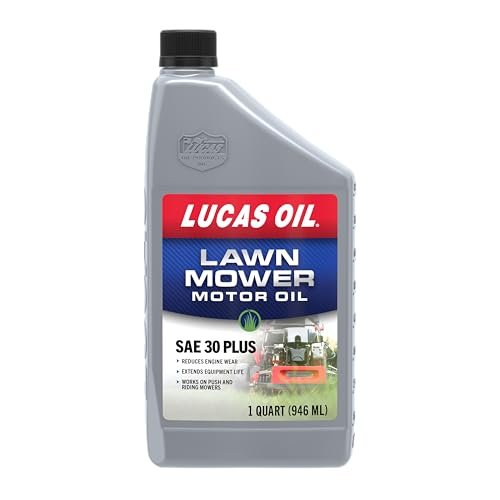 | 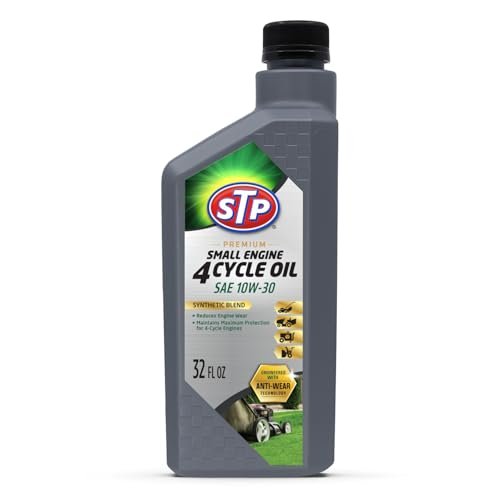 |
| Price | View On Amazon | View On Amazon |
| Category | Premium Conventional Oil | Premium Synthetic Blend |
| Viscosity & Formula | SAE 30 Monograde; formulated for high-temp stability and wear reduction | SAE 10W-30 Multigrade; synthetic blend with antioxidants and detergents |
| Engine Protection & Wear | Reduces engine wear, extends equipment life, and protects against overheating | Fights thermal breakdown to maintain oil durability and effectiveness in high heat |
| Engine Cleanliness | Prevents rust and corrosion during off-season storage | Active detergents keep components clean and control carbon/buildup deposits |
| Equipment Compatibility | Optimized for push mowers and riding mowers | Versatile use across lawnmowers, generators, tractors, snow blowers, and outdoor power equipment |
| Performance & Startup | Promotes easier starts and smoother engine operation | Prevents buildup to ensure reliable start-ups and consistent engine performance |
| Best For | Warm-weather mowing and preventing storage rust in push/riding mowers | Multi-season outdoor power equipment requiring reliable cold-starts and clean operation |
| Amazon Link | View On Amazon | View On Amazon |
| Overall Winner | Runner-up (Best for Dedicated Summer Mowers) | Winner (Best Overall Versatility & Protection) |
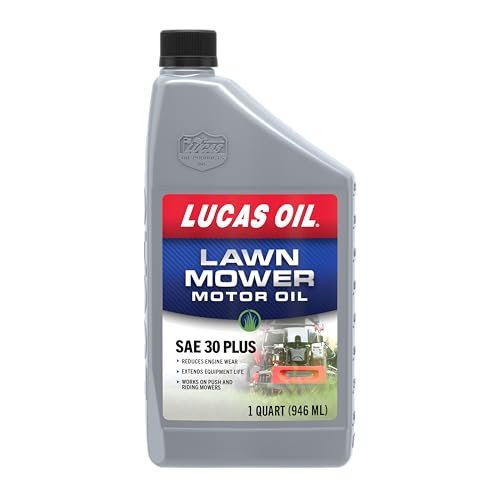
Lucas Oil 11315 SAE 30 Lawn Mower Motor Oil – 1 Quart
I have run this straight 30-weight oil in several older flat-head Briggs & Stratton engines, and it remains a staple in my workshop for hot summer maintenance. The specialized formula reduces engine wear and extends equipment life by maintaining a consistent film strength that does not thin out when the sun is beating down. It works on push and riding mowers alike, providing a reliable barrier that protects against overheating during long clearing sessions. When the mowing season ends, the high-quality base stocks prevent rust during storage so you do not have to worry about internal corrosion. During spring start-up, I noticed that engines filled with this fluid start easier and run smoother compared to those left with cheap, degraded oil.
- High-viscosity index formula resists thinning in extreme summer temperatures
- Premium additives prevent rust and corrosion during long winter storage months
- Exceptional shear stability protects critical internal engine components under heavy load
Formulated specifically for air-cooled small engines running at high operating temperatures
Keeps older engines running quietly without excessive oil consumption
- Excellent thermal stability prevents varnish and carbon deposit buildup
Minimizes friction to help older starter cords pull with less effort
Thickens significantly in cold weather, making it difficult to use below 40 degrees Fahrenheit
- Lacks the multi-grade flexibility needed for winter equipment like snow blowers
- Slightly more expensive than generic store-brand straight-weight oils
Best for:
Owners of older push mowers, riding tractors, and air-cooled engines who operate their equipment strictly in warm summer weather and want maximum protection against heat-induced wear.
Expert Opinion: This straight-weight lubricant provides the ultimate shear protection for warm-weather mowing, preventing the oil consumption issues that often plague older engines running on multi-grade oils.
STP Premium Synthetic Blend 4 Cycle Small Engine Oil, SAE 10W-30
This synthetic blend fluid has spent a lot of time in my overhead-valve engines, especially those that need to run in shifting seasonal temperatures. The SAE 10W-30 motor oil for small engines is formulated for small engines in lawnmowers, generators, tractors, snow blowers, and other outdoor power equipment. I found that antioxidants fight thermal breakdown to enhance oil durability, helping the SAE 10W-30 oil handle high temperatures without losing its effectiveness. To keep internal parts moving freely, detergents help keep small engine components clean and control carbon deposits, preventing buildup that can affect performance and start-up.
- Synthetic blend formulation provides superior cold-weather flow and hot-weather protection
- Advanced antioxidants prevent thermal breakdown under heavy, prolonged engine loads
- Active cleaning detergents minimize harmful carbon and varnish deposits on pistons
Multi-grade viscosity rating makes it suitable for both summer mowing and winter snow blowing
Flows instantly upon cold starts to protect the engine during those crucial first seconds
- Highly versatile fluid works across a wide variety of seasonal outdoor power tools
Synthetic components offer longer drain intervals compared to standard conventional oils
Can lead to higher oil consumption in older, loosely toleranced flat-head engines
- Costs more per quart than standard conventional single-grade oils
- May require more frequent oil level checks during peak summer heat
Best for:
Homeowners who want a single, versatile oil for year-round use in modern overhead-valve mowers, generators, and winter snow blowers.
Expert Opinion: The synthetic blend technology in this fluid offers the perfect balance of easy starting in chilly autumn mornings and reliable thermal protection when the midday summer sun peaks.
lawn mower oil sae 30 vs 10w30: Key Differences That Matter
Performance comparison
When comparing lawn mower oil sae 30 vs 10w30, temperature is the deciding factor. The Lucas Oil SAE 30 is a single-grade oil. It maintains a thick, protective film in scorching heat, but it becomes thick and sluggish when temperatures drop. This makes pull-starting a cold engine difficult. The STP 10W-30 is a multi-grade oil containing viscosity index improvers. It flows like a 10-weight oil in cold weather for quick starts, then protects like a 30-weight oil once the engine reaches operating temperature. However, those viscosity modifiers can break down under extreme heat, sometimes causing modern engines to consume more oil than they would with a straight SAE 30.
Price/Value analysis
Lucas Oil offers incredible value if you run a basic landscaping operation or have a standard suburban yard. A single quart lasts a long time because the straight-weight formula does not burn off easily in older machines. STP Premium Synthetic Blend costs slightly more upfront. You get that money back in versatility. Buying one bottle that services your summer riding mower and your winter generator saves you from keeping multiple half-empty bottles on your garage shelves.
Build quality comparison
The chemical makeup of these two oils targets different engine designs. Lucas utilizes a highly refined conventional base stock packed with zinc and anti-wear additives. This classic formulation is perfect for older flat-head engines with wider clearances between moving parts. STP uses a synthetic blend base. This mixture resists chemical breakdown much longer than pure conventional oil. The modern detergent package in the STP blend is superior at suspending tiny carbon particles, keeping overhead valve trains spotless.
User experience differences
Using the Lucas SAE 30 feels reassuring in my older machines. The engine note sounds deeper, mechanical noise is dampened, and I rarely have to top off the reservoir between changes. On the flip side, using the STP 10W-30 in my newer overhead-valve mower makes pull-starting an absolute breeze. The starter rope pulls back with minimal resistance, and the engine catches on the very first tug, even on brisk autumn mornings. You just have to check your dipstick more frequently when using 10W-30 in hot weather, as it tends to bypass piston rings slightly faster than the heavier SAE 30.
Which Should You Choose?
Selecting the correct lubricant depends on your climate and the age of your outdoor power equipment. If you live in a region with hot summers and only mow when the grass is dry and the air is warm, the Lucas Oil SAE 30 is your best option. It provides a thick barrier against friction, protects older engines with wider tolerances, and will not burn off during a long afternoon of cutting.
If you live in an area with unpredictable seasonal transitions, the STP Premium Synthetic Blend 10W-30 is the smarter choice. This multi-grade option works beautifully for homeowners who use their machines in early spring or late autumn. It is also the ideal pick if you want to use the same bottle of oil for your summer lawn tractor and your winter snow blower.
For standard push mowers operated in normal summer conditions, straight SAE 30 remains the gold standard for preventing engine wear. For modern overhead-valve engines and multi-season utility machines, the synthetic blend 10W-30 offers the starting reliability and cleanliness you need to keep your equipment running for years.
Frequently Asked Questions
Q: Can I use 10W30 instead of SAE 30 in my lawn mower?
A: Yes, you can use 10W-30 in most modern lawn mowers, especially those with overhead valve engines. However, using 10W-30 in hot weather can cause the engine to consume oil more quickly, so you must check the oil level before every use.
Q: What is the main difference when comparing lawn mower oil sae 30 vs 10w30?
A: The main difference lies in temperature versatility. SAE 30 is a single-grade oil designed strictly for warm-weather use, while 10W-30 is a multi-grade oil formulated to flow easily in cold temperatures while still protecting the engine when it gets hot.
Q: Will using 10W-30 oil damage my older flat-head lawn mower engine?
A: It will not cause immediate damage, but older flat-head engines have wider internal clearances. Running 10W-30 in these machines during hot weather can lead to rapid oil consumption and potential overheating if the fluid level drops too low.
Q: Why does my mower engine consume more oil with 10W-30 than with SAE 30?
A: The viscosity index improvers in 10W-30 allow the oil to thin out at cold temperatures for easier starting. In high heat, this thinner profile can slip past worn piston rings and burn off in the combustion chamber more easily than a straight SAE 30.
Q: Which oil is better for winter storage preparation?
A: Lucas Oil SAE 30 is highly effective for winter storage because its thick, stable formula coats internal engine components and prevents rust. If you plan to run the engine during winter, however, you should switch to STP 10W-30.
Q: Can I mix SAE 30 and 10W-30 oil in my mower crankcase?
A: You can mix them in an emergency, but it is not recommended for regular maintenance. Mixing different oil weights alters the viscosity characteristics, reducing the overall effectiveness of the additives in both formulations.
Q: Is synthetic blend oil better than conventional oil for small engines?
A: Synthetic blends offer better resistance to thermal breakdown and deposit formation, making them excellent for hard-working engines. Conventional SAE 30 remains highly effective for older, simpler engines that operate only in hot weather.
Q: How does the choice of lawn mower oil sae 30 vs 10w30 affect pull-starting?
A: In temperatures below 50 degrees Fahrenheit, SAE 30 becomes thick and creates significant resistance when you pull the starter cord. A 10W-30 oil remains fluid in the cold, allowing the engine to spin freely and start with much less effort.
As an Amazon Associate, We earn from qualifying purchases