
If you’ve ever stared at your overgrown lawn and wondered how to tidy up those messy edges, you’re not alone. I’ve been there—standing in my backyard, string trimmer in hand, wishing someone had just shown me the basics. Over time, I learned that using a string trimmer isn’t only about pulling a trigger and waving it around.
There’s a right way to use it safely and efficiently. Let me walk you through everything you need to know, from unpacking your trimmer to getting those crisp, clean lines along your driveway.
What Is A String Trimmer And Why Use One?
A string trimmer—sometimes called a weed eater or weed whacker—is a garden tool that uses a fast-spinning nylon string to cut grass and weeds. It’s perfect for spots your lawn mower can’t reach, like fence lines, garden beds, and around trees. I found that once I started using one, my yard looked much neater. It’s not just for “trimming”—it’s for making your yard look finished.
My Early Mistakes
When I first tried a string trimmer, I thought it would be easy. I made a few mistakes: I cut too low and scalped the grass, and once I broke the string by hitting a rock. These mistakes taught me to go slow and pay attention. If you’re new, don’t worry—everyone starts somewhere.
Choosing The Right String Trimmer
Not all trimmers are the same. Choosing the right one makes the job easier and safer. Here’s what I learned:
| Type | Power Source | Best For |
|---|---|---|
| Electric (Corded) | Electric outlet | Small yards, close to power source |
| Battery (Cordless) | Rechargeable battery | Medium yards, no cords to manage |
| Gas-powered | Gasoline | Large areas, thick weeds, heavy-duty use |
I started with a corded electric model. It was light and quiet, but the cord was annoying. When I switched to a battery-powered trimmer, I felt so free! No cord to drag around. If you have a large yard or thick weeds, a gas trimmer is best, but it’s heavier and needs more maintenance.
Key Features To Look For
- Weight: If the trimmer is too heavy, your arms will get tired.
- Cutting width: Wider is faster, but less precise.
- Adjustable shaft: Helps you find a comfortable working height.
- Bump feed or auto feed: This controls how new string comes out.
If you’re just starting, don’t buy the most expensive one. Start simple.
Getting Ready: Safety First
I’ve seen people use trimmers in flip-flops. Please, don’t do that! The string spins fast and can throw rocks or sticks. Here’s what I always wear:
- Closed-toe shoes or boots
- Long pants
- Safety glasses
- Gloves (optional, but helpful)
Clear the area first. Pick up rocks, sticks, and anything you don’t want thrown at your shins. One time, I ignored this and a small stone hit my ankle—ouch! After that, I never skip this step.
Setting Up Your String Trimmer
Setting up your trimmer right makes the work easier. Each type is a bit different, but here’s what I do:
For Electric And Battery Trimmers
- Charge the battery or plug in the cord.
- Check that the string spool is loaded and not too short.
- Adjust the handle and shaft for your height. You shouldn’t have to bend over.
For Gas Trimmers
- Fill with fresh gasoline (and oil, if needed).
- Prime the engine and start it according to the manual.
- Check the string and guard.
Always read the manual for your model. I once put the string in backward and it didn’t cut at all. Manuals aren’t exciting, but they save you time.
How To Hold And Move The String Trimmer
When I first started, I held the trimmer too close to my body and got grass all over myself. Here’s what works best:
- Hold the main handle with your dominant hand.
- Place your other hand on the support handle.
- Keep your arms relaxed and elbows bent.
- Stand up straight. Don’t hunch.
Move slowly, swinging the trimmer side to side like a gentle sweep. Let the string do the work—don’t force it into the grass.
Basic Techniques For Cutting
There are two main ways to use a string trimmer: trimming and edging.
Trimming
This means cutting grass in spots where the mower can’t reach. I usually walk forward, swinging the trimmer side to side. I keep the string tip just above the ground. This stops me from scalping the grass or hitting dirt.
Edging
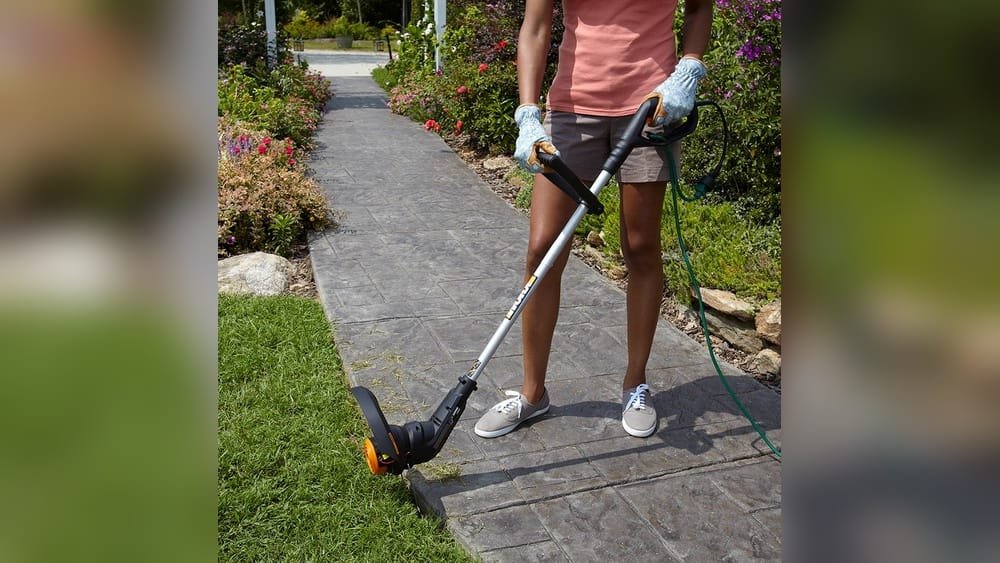
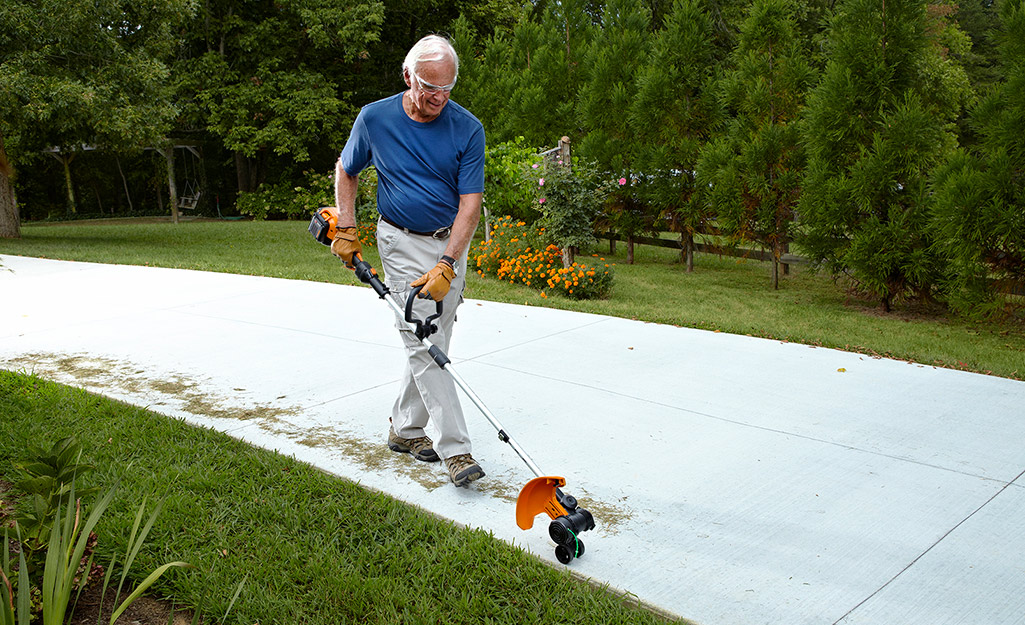
Edging creates a sharp line along driveways or sidewalks. I tilt the trimmer so the string spins vertical, not flat. My first time edging, I made a messy line. It took practice to keep my hand steady. I learned to walk slowly and keep my eyes on where the string meets the edge.
Tapering
Tapering is blending grass along fences, flowerbeds, or walls. Tilt the trimmer slightly, so only the string tip touches the grass. This gives a soft, blended look instead of a harsh cut.
Real-life Tips I Learned The Hard Way
After a few summers, I picked up these habits:
- Start with short bursts. Don’t hold the trigger down the whole time. Short bursts use less string and give better control.
- Trim when grass is dry. Wet grass sticks to everything and clogs the guard.
- Keep the string at the right length. Too short and it won’t cut well. Too long and it can jam.
- Work in sections. Tackle one area at a time. Don’t rush.
- Watch for hidden obstacles. Once I hit a garden hose and ruined it. Always look first.
Maintaining Your String Trimmer
A well-kept trimmer lasts longer and works better. Here’s what I do every few weeks:
| Task | How Often | Why It Matters |
|---|---|---|
| Clean debris from guard and string head | After every use | Prevents clogging and overheating |
| Check and replace string | When string is short or worn | Keeps cutting sharp and efficient |
| Check battery charge or gas level | Before each use | Avoids stopping midway |
| Inspect for damage | Monthly | Stays safe, spots issues early |
A simple trick: I keep a small brush and rag in my shed. After trimming, I clean off grass and dirt. It takes two minutes and saves a lot of hassle.

Changing The String: What Most People Miss
Almost everyone struggles the first time they have to put in new string. I’ve broken a few spools myself! Here’s how I do it now:
- Buy the right diameter and length of string for your model. Too thick or thin won’t fit.
- Unplug or turn off the trimmer. Safety first!
- Open the spool cover (usually clips or screws).
- Wind the string evenly, following the arrows on the spool.
- Leave about six inches sticking out, then snap the cover back on.
A lot of people wind the string too tight or uneven. This causes jams. Take your time, and don’t rush. If you get stuck, check YouTube for your specific model—there are lots of helpful videos.
Common Mistakes To Avoid
Looking back, I made some silly errors. Here’s what you can skip:
- Scalping the lawn: Cutting too low damages grass and soil.
- Ignoring safety gear: Rocks and sticks can fly fast—always wear glasses.
- Letting string get too short: When you hear the trimmer bog down, check the string.
- Trimming wet grass: Wait until it dries.
- Not cleaning after use: Debris can cause overheating and damage.
The biggest mistake? Trying to finish too fast. Take it slow—your yard will thank you.
When To Use A String Trimmer (and When Not To)
It’s tempting to use the trimmer everywhere, but it’s not for big, open lawns. I use my mower for the main part, then the trimmer for:
- Around tree trunks
- Along fences and garden beds
- Under benches or swings
- Edging sidewalks and driveways
Don’t use it for thick branches or woody weeds. That’s a job for pruning shears or a brush cutter.
Caring For Your Yard After Trimming
Once you’re done, I always take a few extra steps. I sweep or blow away the clippings from paths and patios. This makes everything look tidy. Sometimes, I water the edges to help the grass recover. If you accidentally gouged a spot, sprinkle a little soil and seed.
Is A String Trimmer Worth It?
In my opinion, yes. It saves time and keeps your yard looking sharp. The first few tries might feel awkward, but you’ll get the hang of it. Over time, I started to enjoy the process—it’s a little like painting, but with grass.
Advanced Tips For A Professional Finish
If you want your yard to look like a pro did it, try these:
- Edge first, mow second. This way, the mower picks up the cuttings.
- Use two passes. First pass trims, second pass cleans up missed spots.
- Angle the trimmer. A slight tilt helps blend the edge into the lawn.
- Step back and check your work. Every few minutes, pause and look from a distance.
One thing I learned: Don’t chase every blade. Accept “good enough”—nature isn’t perfect.

Environmental Tips
Trimmers can be noisy and create pollution. I switched to a battery model to cut noise and fumes. Also, I avoid trimming wildflower patches—bees and butterflies love them. Small changes make a big difference.
If you want to read more about the science behind lawn care, check out this Wikipedia page for detailed info.
Frequently Asked Questions
How Often Should I Use A String Trimmer?
For most lawns, once a week during the growing season is enough. If your grass grows fast or you want sharp edges, trim every 4-5 days. Less is more—over-trimming can stress the grass.
What’s The Best Way To Avoid Breaking The String?
Avoid hitting hard surfaces like rocks, fences, or concrete. Keep the string at the correct length, and let the tip do the cutting. If you keep breaking string, try a thicker or stronger brand.
Can I Use A String Trimmer On Wet Grass?
It’s best to wait until the grass is dry. Wet grass sticks to the trimmer, making it less effective. It also clumps and can cause the string to jam.
How Do I Know What Size String To Buy?
Check your trimmer’s manual or look for a sticker on the tool. Most home trimmers use. 065” to. 080” diameter string. Bigger, gas-powered models can handle thicker string.
Is A Battery Trimmer Better Than A Gas Trimmer?
For small to medium yards, I love battery trimmers. They’re quiet, light, and easy to start. Gas trimmers are more powerful, but heavier and need more care. Choose based on your yard size and how much power you need.
Using a string trimmer changed how I care for my yard. It’s not hard, but it does take a little practice and patience. Soon, you’ll be making clean edges and neat lines like a pro. Happy trimming!
As an Amazon Associate, We earn from qualifying purchases