
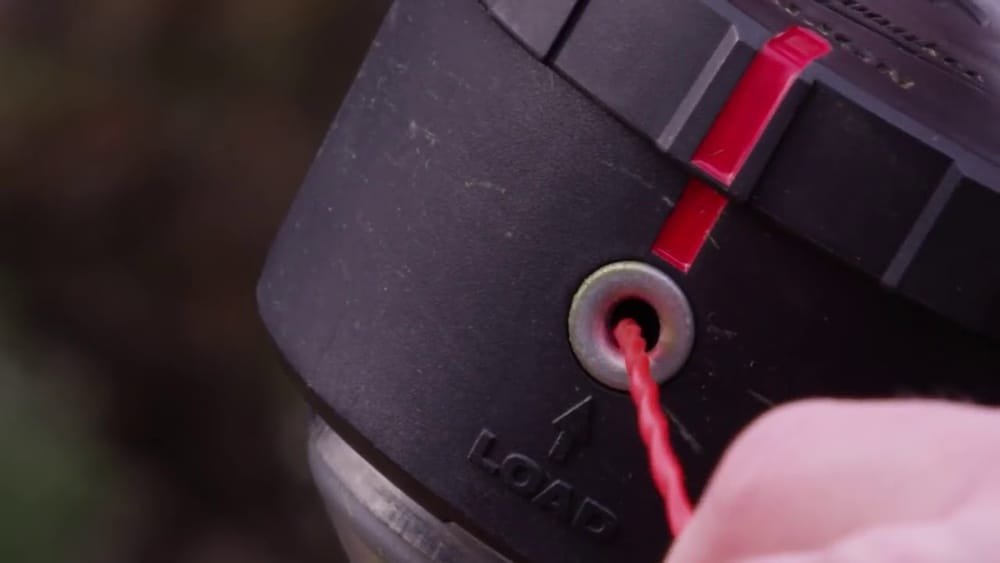
If you’ve ever owned a Milwaukee string trimmer, you know it’s a game-changer for yard work. The first time I got mine, I thought it would be easy to reload the string. Turns out, there’s a bit of a learning curve. I made mistakes, got frustrated, and even ruined a spool or two. But after a few tries, I found a way that made sense. Today, I want to share what I learned with you—step by step, in clear, simple language. If you want your trimmer to work its best, or you just want to avoid the mess I made, keep reading. I’ll walk you through everything, from picking the right string to loading it like a pro.
Why Loading Your Milwaukee String Trimmer Matters
When I first started using my trimmer, I didn’t realize how much the string type and loading method could affect performance. If you use the wrong string or don’t load it right, you’ll run into problems:
- The string might break too often.
- The line could jam inside the head.
- The trimmer won’t cut cleanly, and you’ll get frustrated.
I’ve learned that a few extra minutes spent loading the string the right way can save you a lot of hassle later. It also helps your tool last longer. For anyone new to this, I promise it’s not as hard as it looks once you know the steps.
Understanding Your Milwaukee String Trimmer
Before you start, let’s get familiar with the tool. I use the Milwaukee M18 FUEL String Trimmer, but these tips work for most Milwaukee models. The main parts you’ll handle are:
- Trimmer head: Where the line feeds out.
- Spool: The part inside the head that holds the line.
- Line/string: Usually 0.080-inch or 0.095-inch for this brand.
When I first opened mine, I took a minute to check the manual. If you’re not sure about your model, look for the sticker with the model number. It’s usually near the battery or motor.
Picking The Right Trimmer Line
This part confused me at first. Milwaukee trimmers can handle a few different line sizes, but I noticed that the 0.080-inch line is best for light jobs. It cuts grass and weeds but doesn’t use much battery. The 0.095-inch line is thicker and better for tough weeds or edging.
Here’s a quick comparison I made when I tested both:
| Line Size | Best For | Battery Use | Durability |
|---|---|---|---|
| 0.080-inch | Light grass, basic trimming | Low | Good |
| 0.095-inch | Thick weeds, heavy use | Medium | Excellent |
If you’re not sure, start with the 0.080-inch. You can always go up if you need more cutting power.
Tools And Materials You’ll Need
Before I reload my trimmer, I always gather everything I need. This saves me from running back and forth. Here’s what I keep handy:
- Replacement trimmer line (cut to about 15 feet for Milwaukee heads)
- Scissors or a sharp knife (to cut the line)
- Gloves (optional, but they help with grip)
- Clean cloth (to wipe any dirt off the spool)
I also like to have a small brush nearby. Sometimes, grass or dirt gets stuck inside the head.
Step-by-step: How To Load A Milwaukee String Trimmer
Let’s get to the heart of it. The first few times I tried this, I rushed and got it wrong. Now, I slow down and make sure each step is right. Trust me—it’s worth it.
1. Turn Off And Unplug The Trimmer
This sounds obvious, but I once forgot and almost cut myself. Always remove the battery before working on your trimmer. Safety first.
2. Remove The Spool Cap
The Milwaukee head is designed for quick reloading. Here’s what I do:
- Hold the trimmer head with one hand.
- With the other hand, press the tabs on both sides of the head.
- Pull the cap straight off. Sometimes, it sticks if there’s dirt—give it a gentle wiggle.
If you see old string or grass, clean it out now.
3. Take Out The Spool
Gently pull the spool out of the head. Take note of how the old line is wound. The direction matters! If you wind it backward, the line feeds out wrong and jams.
I always check for an arrow on the spool. Milwaukee usually prints one to show which way to wind.
4. Cut Your Trimmer Line
Measure out about 15 feet of new line. I use a tape measure the first time, then use that piece as a guide for the next reloads. Too much line, and it won’t fit; too little, and you’ll have to reload sooner.
5. Insert The Line Into The Spool
Find the small hole or anchor point on the spool. Push one end of your line into the hole—usually about half an inch is enough. Bend it slightly so it stays in place.
Then, start winding. This part can be tricky. I used to wind it tight, but that caused jams. Now, I keep the wraps neat and even, without overlapping too much.
6. Wind The Line The Right Way
Follow the arrow on the spool. Most Milwaukee spools wind clockwise, but check yours. If you wind the wrong way, the line won’t feed out.
Keep a little tension as you wind, but don’t pull too hard. If the line kinks or crosses over, stop and straighten it out.
7. Leave A Six-inch Tail
When you finish winding, leave about six inches of line sticking out. This tail will feed through the eyelet when you put the spool back.
8. Place The Spool Back In The Head
Hold the spool so the tail lines up with the eyelet (the hole in the trimmer head). Feed the tail through the eyelet, then drop the spool back in place.
Press down gently until you hear it click or feel it seat. If it doesn’t sit flat, double-check that the line isn’t caught underneath.
9. Snap The Cap Back On
Line up the cap with the tabs and push it until it snaps. Give it a gentle tug to make sure it’s secure.
10. Check The Line
Before you insert the battery, gently pull the tail. It should come out smoothly. If it sticks, the line may be tangled or wound too tight. If needed, open it up and try again.
11. Test The Trimmer
Pop in the battery and turn on the trimmer. Tap the head on the ground to see if the line advances. Milwaukee trimmers have a “bump feed” system. If the line feeds out, you did it right!
Common Mistakes And How To Avoid Them
I wish someone had warned me about these. Here are the mistakes I made (so you don’t have to):
- Winding the line backward: Double-check the arrow.
- Overfilling the spool: Stick to 15 feet or less.
- Crossing the line: Keep wraps neat and even.
- Forgetting safety: Always remove the battery first.
- Jamming the cap: If it doesn’t click, don’t force it—check for dirt.
If you make a mistake, don’t worry. I’ve had to reload my spool more than once in a single session. It gets easier each time.
How Often Should You Replace The Line?
When I first started, I waited until the line was completely gone. This left me stuck halfway through a job. Now, I check the line before every use. If it’s less than a couple inches, or it looks frayed, I reload.
On average, I reload after about 30 to 40 minutes of trimming thick weeds. Light work lasts longer. If you notice the trimmer struggling or the cut isn’t clean, check your line.
Different Milwaukee Trimmer Heads
I’ve used both the original head and the Easy Load Trimmer Head from Milwaukee. The Easy Load model is, well, easier to reload. You don’t have to take the spool out—you can thread the line straight through and twist the head to wind it up.
Here’s a quick comparison of my experience:
| Trimmer Head Type | Reloading Steps | Speed | Ease for Beginners |
|---|---|---|---|
| Standard Head | Remove cap, spool, wind line, replace | 2-3 minutes | Moderate |
| Easy Load Head | Thread line, twist head | 1 minute | Very Easy |
If you’re buying a new trimmer, I recommend the Easy Load head. It saves time and is perfect if you don’t want to deal with spools.

Tips For Smoother Trimming
After a few seasons, I picked up some extra tips that made my life easier:
- Always use fresh line. Old line gets brittle and breaks often.
- Store your line in a cool, dry place. Heat and sunlight can weaken it.
- Keep the trimmer head clean. Dirt can make the line jam.
- Wear gloves. Some lines are sharp, and winding them by hand can hurt.
- Don’t force the head open. If it sticks, clean around the tabs before trying again.
And here’s a tip I learned the hard way: If your line keeps breaking at the head, check for tiny burrs or sharp edges. Sometimes, rocks or hard surfaces can damage the eyelet. A quick sanding or replacing the head can fix it.
When To Replace The Trimmer Head
No matter how careful you are, the trimmer head can wear out. I noticed mine wasn’t feeding line smoothly after a year of heavy use. If you see cracks, broken tabs, or the bump feed stops working, it’s time to swap it out.
Milwaukee sells replacement heads, and you can find them in most hardware stores. Make sure you get one that matches your model.
Troubleshooting: If The Line Won’t Feed
Sometimes, the line just won’t come out—no matter what you do. Here’s what I check:
- Is the line wound too tight or crossed over? Open the head and rewind if needed.
- Is the line jammed in the eyelet? Pull gently or remove the spool.
- Is the line too short? Replace it with a fresh piece.
- Are there burrs on the eyelet? Sand them smooth.
Most problems come from winding mistakes or old line. Take your time, and don’t be afraid to start over.
Environmental Impact: Choosing The Right Line
I care about my yard, but I also care about the planet. Some trimmer lines are made from recycled materials. They cost a little more, but I’ve found they work just as well. Also, always pick up old bits of line from your lawn.
It’s plastic, and animals can eat it by mistake.
If you’re interested in more eco-friendly options, you can check out resources like Wikipedia to learn about biodegradable trimmer lines.

Why Reloading Gets Easier Over Time
I used to dread reloading my trimmer. Now, it takes me less than two minutes. Like anything, practice makes perfect. The more you do it, the faster and neater you’ll get. I even taught my neighbor, and now he thinks I’m a pro!
So don’t worry if you struggle at first. Every mistake teaches you something new.
Frequently Asked Questions
How Do I Know If My Milwaukee Trimmer Needs More Line?
If you notice the cutting width gets smaller, or the line is less than two inches long, it’s time to reload. Some trimmers also make a higher-pitched noise when the line is short.
Can I Use Any Brand Of Trimmer Line?
You can, but I stick with Milwaukee or other high-quality brands. Cheap line breaks more easily and can jam the head.
What’s The Best Way To Keep The Line From Breaking?
Keep your line fresh, avoid hitting rocks, and use the right thickness for your yard. Thicker line lasts longer but uses more battery.
How Do I Make The Line Last Longer?
Wind the line evenly, keep the head clean, and don’t force the trimmer through thick branches or debris.
Is It Safe To Reload The Trimmer Myself?
Yes, as long as you remove the battery first and follow the steps. I’ve never had an accident when I followed basic safety rules.
Reloading your Milwaukee string trimmer might seem tricky at first, but with a little practice, it becomes second nature. I hope my personal tips and mistakes help make your experience smoother. Remember: take your time, use the right line, and always put safety first. Your yard—and your trimmer—will thank you.
As an Amazon Associate, We earn from qualifying purchases