
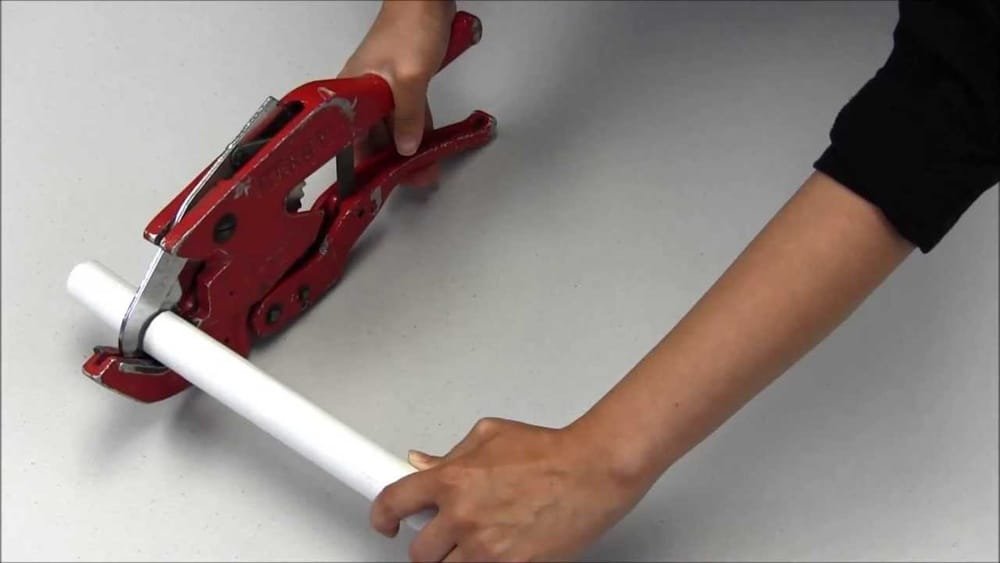
Using a PVC pipe cutter sounds simple, but it took me a few tries to get it right. The first time I picked one up, I thought, “How hard can this be? ” But after a few crooked cuts and a cracked pipe, I realized there’s more to it.
If you’ve ever struggled with cutting PVC pipe, or if you want to avoid common mistakes, let me walk you through what I’ve learned. I’ll share everything I wish I’d known from the start—so you can get perfect, clean cuts every time.
What Is A Pvc Pipe Cutter And Why Use One?
When I started working with PVC pipes, I used a hacksaw. It worked, but the edges were always rough. I had to sand them every time. Then, I tried a PVC pipe cutter, and it was a game-changer. These cutters are designed just for plastic pipes. They give a straight, smooth cut with almost no effort.
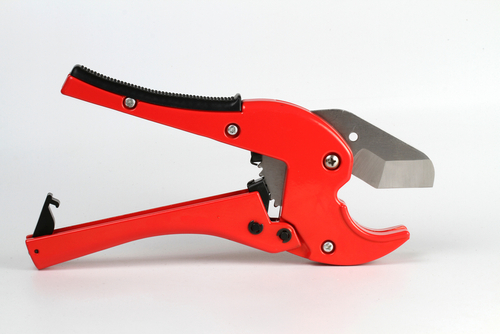
There are different types, but the most common for home use are ratcheting cutters and scissor-style cutters. Both are handheld, easy to use, and don’t need electricity. For larger pipes, you might see something called a “guillotine” or “wheel” cutter.
But for most plumbing, garden, or DIY projects, the small ones are perfect.
Here’s why I always use a PVC pipe cutter now:
- Cleaner cuts: No ragged edges or plastic dust.
- Faster: I can cut a pipe in seconds.
- Safer: Less risk of slipping or cutting myself.
Types Of Pvc Pipe Cutters I’ve Used
Let me break down the main types, because choosing the right one makes everything easier.
| Type | Best For | My Experience |
|---|---|---|
| Ratcheting Cutter | Pipes up to 2 inches | Easy to use. Needs less force. Great for thick pipes. |
| Scissor-Style Cutter | Pipes under 1.25 inches | Quick and light. Good for small jobs. |
| Guillotine Cutter | Large diameter pipes | Very clean cuts, but bulky and more expensive. |
| Wheel Cutter | Thin-wall pipes | Slow but precise. Not my favorite for thick pipes. |
Most of the time, the ratcheting cutter is what I reach for. The ratchet action means you squeeze the handle several times, and the blade slowly slices through. It’s smooth and needs less hand strength.
Preparing To Use A Pvc Pipe Cutter
Preparation makes all the difference. At first, I’d grab the pipe and start cutting. But I learned that a little setup leads to cleaner, more accurate results.
Gather Your Tools
Here’s what I always have on hand:
- PVC pipe cutter (choose the right type)
- Measuring tape or ruler
- Marker (I use a black Sharpie)
- Cloth or rag (to wipe the pipe)
- Safety glasses (plastic can snap)
Inspect The Pipe
Before cutting, I check for cracks or deformities. Cutting a damaged pipe can cause it to shatter or split. I also clean off any dirt, oil, or stickers. A clean pipe is much easier to cut, and dirt can dull the blade.
Mark The Cut
This step seems obvious, but I used to skip it and just guess. I ended up with pipes that didn’t fit well. Now, I measure twice and mark once. I use a marker to draw a clear line around the pipe where I want to cut.
For the straightest line, I wrap a piece of paper around the pipe and trace along its edge.
How To Use A Pvc Pipe Cutter Step By Step
Here’s my exact process. I’ve made all the beginner mistakes, so I’ll point out what to watch for.
- Open the Cutter Completely: Make sure the blade is fully open before starting. If it’s a ratcheting model, squeeze the handles until the blade is all the way back.
- Align the Blade: Place the pipe in the cutter, lining up the blade with your marked line. Take your time—accuracy here means a perfect fit later.
- Hold the Pipe Steady: Use your non-cutting hand to hold the pipe. Press it against a solid surface or the ground if possible.
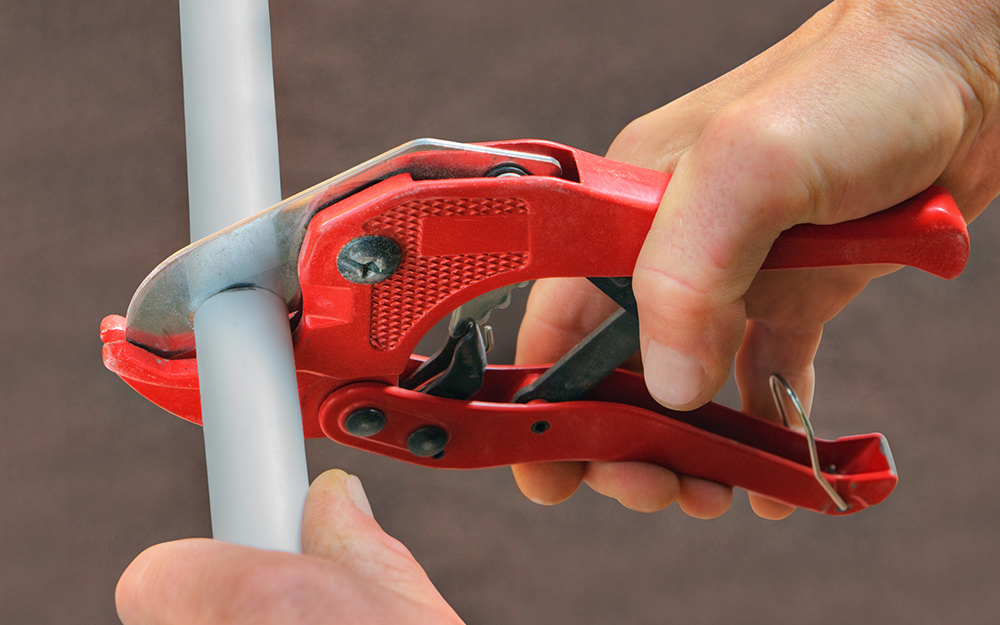
- Squeeze Handles Firmly: For ratcheting cutters, squeeze and release the handles in slow, steady pumps. The blade will move down with each squeeze.
- Rotate Slightly (If Needed): For larger pipes, I sometimes rotate the cutter a bit between squeezes. This helps the blade cut evenly.
- Finish the Cut: Keep squeezing until the blade goes all the way through. Don’t rush or force it—let the tool do the work.
- Check the Edge: Look at the cut. If there’s a small lip of plastic, I use a utility knife or sandpaper to smooth it out.
Here’s a quick summary of the process:
| Step | Tip from My Experience |
|---|---|
| Open cutter and align blade | Double-check your mark before cutting |
| Secure pipe | Hold tight, but don’t squeeze too hard or you’ll crush it |
| Cut with even pressure | Slow and steady gives the cleanest cut |
| Inspect and deburr | Always smooth the edge for best results |
Cutting Different Sizes And Types Of Pvc Pipe
Not all pipes are the same. I learned this when I tried to cut a thick irrigation pipe with a small scissor cutter. The blade bent, and the pipe cracked. Here’s what I do now:
- For pipes under 1 inch, a scissor-style cutter works fast.
- For 1 to 2 inch pipes, I always use a ratcheting cutter.
- For over 2 inches, I borrow a guillotine cutter from a friend or use a saw if nothing else is available.
Also, not all plastic pipes are PVC. There’s CPVC, PEX, and ABS. My cutter works on most, but I check the label. Some pipes are harder or softer. If the blade has trouble, I stop and check if it’s the right tool.
Common Mistakes And How I Avoid Them
I’ve made my share of mistakes. Here are some I see most often and how I fix them:
- Crooked Cuts: This happens when I rush or skip marking. Now, I always mark and double-check alignment.
- Crushing the Pipe: If I squeeze too fast, the pipe can flatten. I cut slowly and use even pressure.
- Dull Blades: A dull blade makes ugly cuts. I check the cutter before starting. Replacing blades is quick and cheap.
- Not Deburring: Skipping this step leads to poor pipe connections. I always smooth the edge, even if it looks clean.
- Wrong Tool for the Job: Using a small cutter on a thick pipe is a recipe for trouble. I use the right size cutter, even if it means waiting to borrow one.
These lessons cost me time and a few ruined pipes. But now, I get professional results every time.
Tips For Getting The Best Results
Here are some tricks I’ve picked up:
- Warm the Pipe: If the pipe is cold, it can crack. I warm it up in the sun or with a hair dryer (not too hot!) Before cutting.
- Rotate the Cutter: On thicker pipes, a gentle twist as you cut helps the blade bite evenly.
- Replace Blades Regularly: Even the best cutter gets dull. I keep a spare blade handy.
- Use Two Hands: For tough cuts, I press the handles together using both hands for more control.
- Keep the Cutter Clean: After each job, I wipe down the cutter. Dirt and glue can make the blade sticky.
One thing beginners often miss: the outside edge of the pipe matters most. If it’s rough, fittings won’t seal well. I always check and smooth both inside and outside edges.
Safety Advice I Always Follow
Cutting PVC seems safe, but I’ve had small bits of plastic fly up and hit me. Once, a piece got in my eye. Now, I never skip safety glasses. Also, I keep my hands away from the blade, especially when resetting the cutter.
Never force a jammed blade. If the cutter gets stuck, I open it, clean out any bits, and try again. Forcing it can break the tool or hurt your hand.
How To Maintain Your Pvc Pipe Cutter
A well-maintained cutter lasts for years. I learned this after my first cheap cutter rusted shut.
- Clean after use: Wipe off water, glue, or dirt.
- Oil the hinge: A drop of oil keeps the action smooth.
- Sharpen or replace the blade: Most cutters let you swap the blade. I do this when I notice rough or hard cuts.
- Store in a dry place: I keep mine in a toolbox, not outside.
I also check for cracks in the handles or any loose screws. Tightening these keeps the tool safe and easy to use.
When To Use A Saw Instead
Sometimes, a cutter isn’t enough. For very thick pipes, or if I need a super straight cut for a visible project, I use a fine-tooth saw and a miter box. The cutter is best for speed and convenience, but a saw is good for special cases.

Pvc Pipe Cutter Vs. Other Cutting Tools
I tried other tools before settling on a dedicated cutter. Here’s how they compare:
| Tool | Pros | Cons |
|---|---|---|
| PVC Pipe Cutter | Clean, fast, safe | Limited to certain pipe sizes |
| Hacksaw | Works on all sizes | Rough edges, needs cleanup |
| Power Saw | Quick for big jobs | Messy, risk of melting plastic |
For most home and garden projects, the pipe cutter wins every time.
Where To Get Quality Pvc Pipe Cutters
I bought my first cutter at a local hardware store. There are many brands, and prices range from $10 to $40 for home models. For heavy-duty work, expect to pay more. Look for a solid, comfortable grip and a replaceable blade.
If you want more details about different cutter types, check out this overview on Wikipedia.
Frequently Asked Questions
How Do I Know If My Pipe Cutter Blade Is Dull?
If the cutter takes extra effort or leaves rough, uneven edges, the blade is probably dull. I change the blade when I notice these signs.
Can I Use A Pvc Pipe Cutter On Other Types Of Plastic Pipe?
Yes, most cutters work on pipes like CPVC and PEX. But always check the tool’s label. Some plastics are harder and need a stronger cutter.
What Size Pipe Can I Cut With A Standard Pvc Pipe Cutter?
Most home cutters handle pipes from 1/2 inch to 2 inches in diameter. For larger pipes, you’ll need a heavy-duty or special cutter.
Do I Need To Sand The Pipe After Cutting?
I always smooth the edge with sandpaper or a utility knife. This helps with tight, leak-free joints.
Is There A Way To Make My Cuts Straighter?
Yes! I wrap a piece of paper around the pipe and mark along its edge. This keeps my cut line perfectly straight.
Cutting PVC pipe doesn’t have to be hard or messy. With the right cutter and a bit of care, you’ll get clean, accurate results every time—just like I do now. If you follow these steps, you’ll save time, avoid frustration, and maybe even start to enjoy your plumbing projects.
As an Amazon Associate, We earn from qualifying purchases