
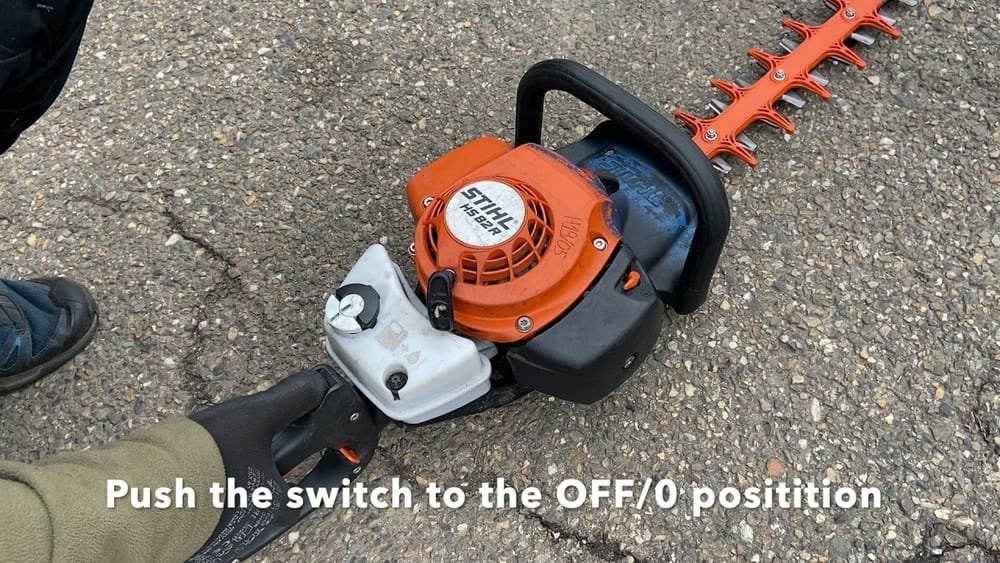
Starting a Stihl hedge trimmer can feel a bit scary if you have never used one before. I remember the first time I tried. My hands were sweaty, and I kept checking the manual over and over. But after a few tries, I realized it’s not as hard as it looks.
If you want to learn how to start a Stihl hedge trimmer, I’ll walk you through it step by step. I’ll share what worked for me, where I got stuck, and tips that saved me time. By the end, you’ll feel ready to get your trimmer running without stress.
Why Choose A Stihl Hedge Trimmer?
When I was shopping for my first hedge trimmer, I did a lot of research. I wanted something that was reliable and strong, but also easy to use. I found out that Stihl is a trusted brand. Gardeners and professionals all over the world use their tools. What stood out for me were the sharp blades, strong engine, and great safety features. Stihl hedge trimmers last a long time if you take care of them. Plus, there are both gas-powered and electric models, so you can pick what fits your yard.
I chose a gas-powered model because my garden is big, and I needed more power. But if you have a small yard, an electric or battery-powered model could be better. What matters is knowing your needs before you buy.
Understanding The Basics
Before you start, it helps to know your trimmer. Stihl makes different models, but most work the same way. Here are a few parts you’ll see:
- Primer bulb (small rubber button)
- Choke lever (switches between “choke” and “run”)
- Throttle trigger (makes the blades move)
- Starter rope (pull cord)
- On/Off switch
Take a minute to look at your trimmer. Find these parts so you won’t be confused later. I like to keep the manual nearby the first few times, just in case I forget.

Safety First: Don’t Skip This Step
I learned early that safety isn’t just for pros—it’s for all of us. My friend once got a small cut because he didn’t wear gloves. It taught me to always put safety first. Before starting, I do this:
- Wear gloves, goggles, and long sleeves. Sharp blades can hurt.
- Check your area. Remove sticks, rocks, or anything that could fly up.
- Keep kids and pets away. It’s easy to get distracted.
- Inspect the trimmer. Look for loose screws, cracked fuel lines, or broken parts.
Don’t rush these checks. It only takes a few minutes and can save you from a big problem later.
Preparing Your Stihl Hedge Trimmer
Getting your trimmer ready is as important as starting it. Here’s what I do:
1. Check The Fuel
For gas models, you need fresh fuel mix (usually gasoline and 2-stroke oil). I once used old gas, and my trimmer wouldn’t start. Now, I only use fresh fuel and mix it right. The usual ratio is 50:1, but always check your manual.
If you have a battery-powered or electric model, make sure the battery is charged or the cord is plugged in.
2. Inspect The Blades
Dull or dirty blades can make trimming hard. I clean the blades after every use and check for damage. If they’re bent or dull, I sharpen or replace them.
3. Make Sure The Area Is Clear
Lay your trimmer on a flat spot, away from anything that could get tangled. I once tried starting mine near a bush and got leaves stuck in the blades. Not fun.
Step-by-step: How To Start A Stihl Hedge Trimmer
Let’s get to the main part. Here’s how I start my Stihl hedge trimmer, step by step.
1. Lay The Trimmer On The Ground
Always put it on flat ground. I like to use my driveway. Make sure the blades are away from you and nothing is touching them.
2. Set The On/off Switch To “on”
This sounds simple, but I’ve forgotten before. If the switch is off, the trimmer won’t start. The switch is usually a red or black lever.
3. Prime The Engine
Find the primer bulb. It’s a small, soft button near the carburetor. Press it about five times. You’ll see fuel moving through the clear line. This helps the engine start faster.
4. Set The Choke
Move the choke lever to the “choke” or “cold start” position. If the engine is already warm (you just used it), you may not need to choke. The first time I started mine, I left the choke on too long and flooded the engine. If that happens, just wait a few minutes and try again.
5. Pull The Starter Rope
Hold the trimmer steady with one hand. With your other hand, pull the starter cord firmly. Don’t yank too hard, but don’t be too gentle either. It usually takes two or three pulls for mine to start.
After the engine “coughs” or tries to start, move the choke to the “run” position. Pull the cord again. It should start up and run smoothly.
6. Squeeze The Throttle
Once it’s running, gently squeeze the throttle trigger to keep it going. Let the engine warm up for a minute before you start trimming.
7. For Electric Models
If you have an electric model, things are easier. Just plug it in, press the safety button, and squeeze the trigger. For battery models, insert the battery, hold the safety button, and pull the trigger.
Here’s a simple table comparing the start-up steps for different Stihl trimmer types:
| Model Type | Fuel Needed | Starting Method |
|---|---|---|
| Gas-powered | Gas + 2-stroke oil | Prime, choke, pull cord |
| Battery-powered | Charged battery | Insert battery, press button |
| Electric corded | Plug to outlet | Press button, squeeze trigger |
What To Do If Your Trimmer Won’t Start
I’ve had days when my trimmer just refused to start. It’s frustrating, but there’s usually a simple fix.
- Check the fuel. Old gas or wrong mix can cause problems.
- Look at the spark plug. If it’s dirty or loose, clean or tighten it.
- Air filter. A clogged air filter can choke the engine.
- Flooded engine. If you smell gas, wait a few minutes before trying again.
One time, I found a spider web in my air filter! After I cleaned it, the trimmer started right away. Small things can make a big difference.
Here’s a quick table of common problems and how I fix them:
| Problem | Possible Cause | Solution |
|---|---|---|
| Won’t start at all | Switch off, bad fuel, spark plug | Switch on, use fresh fuel, check plug |
| Engine sputters | Dirty air filter | Clean or replace air filter |
| Runs but dies | Flooded engine, old gas | Wait, then try again with new fuel |
Maintenance Tips: Keeping Your Trimmer In Top Shape
Starting is just the beginning. A well-kept trimmer lasts longer and is safer. Here’s what I do:
1. Clean The Blades
After every use, I wipe the blades with a clean rag. If sap builds up, I use a little oil. Sharp, clean blades cut better and are safer.
2. Check The Air Filter
Every month, I take out the air filter and tap it to remove dust. If it looks dirty, I wash or replace it.
3. Inspect The Spark Plug
At least once a season, I check the spark plug. If it’s black or crusty, I clean it with a brush. Sometimes I need to replace it if it looks worn out.
4. Store Properly
After the season, I drain the fuel and store my trimmer in a dry place. This keeps the engine parts from getting sticky. I learned this the hard way when I left gas in my old trimmer over winter—it wouldn’t start in spring.
Here’s a quick chart to help you remember basic care:
| Maintenance Task | How Often | What I Do |
|---|---|---|
| Clean blades | After each use | Wipe and oil blades |
| Check air filter | Monthly | Tap or wash filter |
| Inspect spark plug | Each season | Clean or replace |
| Drain fuel | End of season | Empty tank, store dry |
Extra Tips Most Beginners Miss
There are a few things I learned only after using my trimmer for a while. I wish someone had told me at the start.
- Don’t over-prime. Pressing the primer bulb too many times can flood the engine. Five times is enough.
- Let the engine warm up. I used to start trimming right away, but letting it run for a minute makes the job smoother and keeps the engine healthy.
- Never point the blades at yourself. Sounds obvious, but when you’re in a rush, it’s easy to forget.
- Always unplug or remove the battery before cleaning. This is super important for safety.

Knowing When To Get Help
Sometimes, even with the best care, things go wrong. If your trimmer still won’t start after these steps, it might be time to see a pro. I once spent hours trying to fix a carburetor problem myself and ended up making it worse.
Taking it to a dealer saved me a lot of time and money.
You can find certified Stihl service centers easily. Their experts can handle tough repairs and check for hidden issues. If you’re not sure where to find one, the official Stihl Dealer Locator can help.
Frequently Asked Questions
How Often Should I Change The Fuel In My Stihl Hedge Trimmer?
I change my fuel every month if I use the trimmer often. Old fuel can cause starting problems. Always use fresh, properly mixed fuel for gas models.
Can I Use Regular Motor Oil Instead Of 2-stroke Oil?
No, you should always use 2-stroke oil made for small engines. Regular motor oil can damage the engine and make it hard to start.
Why Does My Trimmer Stop After A Few Minutes?
This usually means the air filter is dirty, the spark plug needs cleaning, or the fuel is old. Check these parts first.
Is It Normal For The Trimmer To Smoke A Little When Starting?
A little smoke at startup is normal, especially with new fuel mix. If it keeps smoking, check your oil ratio or air filter.
What Should I Do If The Starter Cord Is Hard To Pull?
Try to move the blades by hand (when the trimmer is off and unplugged). If they’re stuck, clean them. If the cord is still hard, there may be an engine problem—get it checked by a pro.
Starting a Stihl hedge trimmer doesn’t have to be scary. With a bit of practice and these steps, you’ll feel confident every time. I found that taking my time, using the right fuel, and keeping the trimmer clean made all the difference.
Now, I can get my yard looking neat without the stress I had in the beginning. If you follow these tips, you’ll be ready to start your Stihl hedge trimmer and tackle your garden with a smile.
As an Amazon Associate, We earn from qualifying purchases