
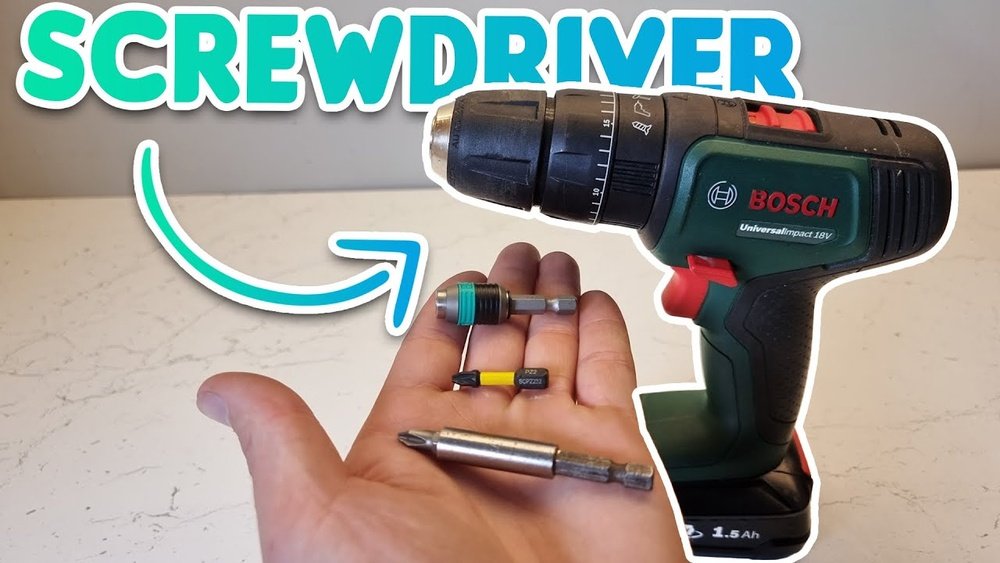
Sometimes, I just don’t want to dig through my toolbox for a screwdriver when I’m doing a quick job around the house. Maybe you’ve been there too. A few years ago, I realized my trusty drill could do more than just make holes—it could actually drive screws and make my life a lot easier. I’ve used a drill as a screwdriver for all sorts of projects: building a bookshelf, fixing wobbly chairs, even hanging curtains. If you want to know how to use a drill as a screwdriver, I’m happy to share what I’ve learned. It’s easier than you might think, and with a few tips, you’ll get great results.
Why Use A Drill As A Screwdriver?
At first, I was a bit nervous about using my drill for screws. Would it strip the screw heads? Would I damage the wood? But once I tried, I saw how much time I could save. A drill is usually faster than a manual screwdriver.
It can also handle tough materials that would make your hand ache with a regular screwdriver. If you have a lot of screws or big projects, a drill is a real lifesaver.
One thing I noticed: you need the right bit and settings. Otherwise, you might run into problems. But once you get the hang of it, you may never reach for a manual screwdriver again unless you’re working with delicate or very small screws.
Understanding Your Drill
Before you get started, let’s talk about the drill itself. There are two main types: corded and cordless. I’ve used both. Cordless drills are my favorite because you can move around without worrying about a cord. Corded drills have more power, but you need an outlet nearby.
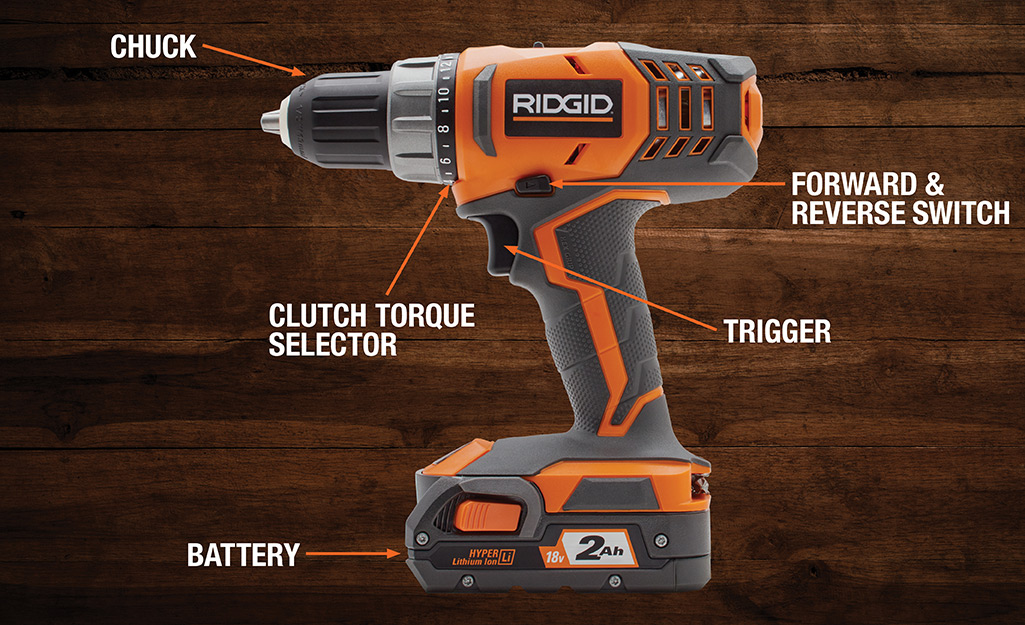
Most drills have a few key parts:
- Chuck: This is the part that holds your drill bit or screwdriver bit.
- Trigger: Squeeze this to make the drill spin.
- Direction switch: Lets you choose forward (driving screws in) or reverse (removing screws).
- Clutch: Adjusts the torque, or turning force. This is super important for driving screws safely.
It’s worth looking at your drill’s manual, especially if you haven’t used it for driving screws before. I didn’t at first, and I missed some handy features.
Here’s a quick comparison of the main drill types and what they’re best for:
| Drill Type | Power Source | Best For | Downside |
|---|---|---|---|
| Corded Drill | Electric outlet | Heavy-duty tasks, long work sessions | Less portable |
| Cordless Drill | Rechargeable battery | DIY, moving around, outdoor projects | Battery can run out |
| Impact Driver | Usually battery | Driving lots of screws, tough materials | Not for drilling holes |
Choosing The Right Bit
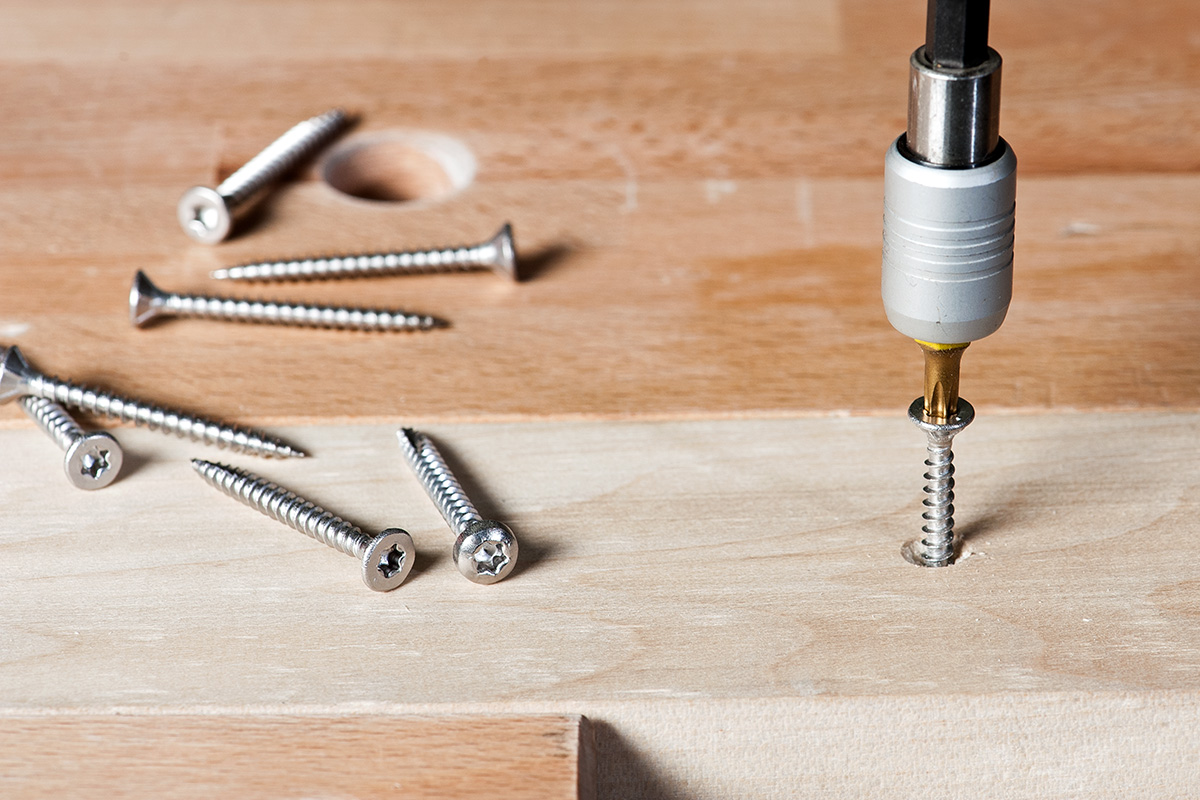
This is where I made my first mistake. I tried using a drill bit instead of a screwdriver bit. It didn’t work at all! You need a screwdriver bit that matches your screw’s head. Most screws are either Phillips (cross-shaped) or flathead (straight line), but there are others like Torx or square.
Here’s what to look for:
- The bit should fit snugly in the screw head.
- If it’s too loose, you’ll strip the screw.
- If you’re not sure, test a few bits on an old screw first.
I keep my bits in a small case, so I don’t lose them. It saves time when I’m in the middle of a project.
Setting Up Your Drill
Now for the fun part—getting your drill ready to drive screws. I always follow these steps:
- Insert the Bit: Open the chuck by turning it counterclockwise. Put in the bit, then tighten the chuck by turning it clockwise. Some drills have a keyless chuck, so you just twist with your hand.
- Set the Clutch: Turn the clutch to a low or medium setting. This helps prevent overdriving or stripping the screw. You can adjust higher if you need more power.
- Check the Direction: Make sure the drill is set to rotate forward for driving screws in.
- Adjust the Speed: If your drill has speed settings, use a lower speed for better control.
Before I start, I always test on a scrap piece of wood. It helps me avoid mistakes on my real project.
Driving Screws With A Drill
When I first started, I pressed the trigger all the way. Big mistake! The screw went in too fast and split the wood. Here’s what works better:
- Hold the drill straight, so the bit lines up with the screw.
- Place the tip of the bit in the screw head.
- Squeeze the trigger gently. Start slow.
- As the screw bites into the wood, keep steady pressure.
- Stop when the screw is flush with the surface.
If the screw doesn’t go in all the way, I back it out, check for obstructions, and try again. For really hard materials, I sometimes drill a small pilot hole first.
Common Mistakes And How To Avoid Them
I’ve made plenty of mistakes using my drill as a screwdriver. Here are some of the most common ones, and how you can avoid them:
- Using the Wrong Bit: If the bit doesn’t match the screw, you’ll strip the head. Always double-check the fit.
- Overdriving the Screw: Too much torque can bury the screw or split the wood. Use the clutch and go slow.
- Drill at an Angle: If you’re not straight, the screw might go in crooked. Take a second to line it up.
- Not Using a Pilot Hole: For hardwood or large screws, drill a small hole first. This prevents splitting.
- Letting the Bit Slip: If the bit jumps out, it can damage your project. Keep steady pressure and a firm grip.
When Not To Use A Drill As A Screwdriver
Believe it or not, sometimes a manual screwdriver is better. If you’re working with tiny screws, thin materials, or delicate electronics, a drill can be too powerful. I learned this the hard way when I cracked a plastic light switch cover.
For small or sensitive tasks, I stick with a hand tool.
My Favorite Projects Using A Drill As A Screwdriver
Let me share a few stories. Last year, I built a set of shelves in my garage. There were more than 50 screws! Using my drill saved hours and kept my wrist from getting sore. I also assembled a flat-pack desk.
The instructions said to use a manual screwdriver, but my drill finished the job in half the time.
One trick I love: when driving long screws into hard wood, I rub a little soap on the threads. It helps the screw glide in without extra force.
Comparing Drill Vs. Screwdriver
When I talk to friends about tools, they often ask if a drill is really better than a screwdriver. Here’s what I’ve found:
| Feature | Drill | Manual Screwdriver |
|---|---|---|
| Speed | Very fast | Slower |
| Control | Needs practice | High control |
| Fatigue | Low fatigue | Can tire your hand |
| Best For | Large jobs | Small, delicate jobs |
Drill Features That Make Driving Screws Easier
When I shopped for my latest drill, I looked for a few things that make driving screws much simpler:
- Variable speed trigger: Lets you control how fast the bit spins. This is great for starting screws slowly.
- Adjustable clutch: Stops the drill from turning when the screw is tight.
- Keyless chuck: Makes changing bits quick and easy.
- Lightweight design: Easier to handle for longer jobs.
If you’re buying a drill and want to use it for screws, check for these features. It’s worth it.
Safety Tips
I always try to be careful when using power tools. Here’s what helps me stay safe:
- Wear safety glasses: Bits can break, and wood chips can fly.
- Tie back long hair and loose clothes: You don’t want anything caught in the drill.
- Keep fingers away: Don’t hold the screw too close when starting.
- Work in a clear area: Make sure your workspace is tidy so you don’t trip or drop the drill.
I also unplug my corded drill or remove the battery before changing bits.
Cleaning And Maintaining Your Drill
A well-kept drill works better and lasts longer. I make a habit of:
- Brushing dust and debris off the chuck and vents.
- Checking the battery and charging it before storing.
- Wiping down bits and keeping them in a dry place.
- Occasionally adding a drop of oil to moving parts if the manual says it’s okay.
These small steps have kept my drill running smoothly for years.

Extra Tips For Beginners
Here are a few things I wish someone had told me sooner:
- Start slow: Let the drill do the work. Going too fast can cause slips.
- Keep extra bits handy: Bits can get lost or worn out.
- Practice on scrap first: Try out your settings and technique before working on your real project.
- Don’t force it: If a screw is stuck, back it out and check the hole.
And one more: if you’re driving screws near edges or into thin material, go extra slow. It’s easy to split the wood if you’re not careful.
Troubleshooting Common Problems
Sometimes, even when I do everything right, things go wrong. Here are some problems I’ve faced and what I do:
- Bit keeps slipping: Try a new bit or a different size.
- Screw head strips: Use a screw extractor or grip the screw with pliers.
- Battery dies mid-job: Keep a spare battery charged and ready.
- Screw won’t go in: Check for knots in the wood or try a pilot hole.
Most Issues Have A Simple Fix. Don’t Get Discouraged!
Useful Accessories
If you want to take things to the next level, there are a few accessories I recommend:
- Magnetic bit holder: Keeps the screw on the bit, which is handy if you’re working overhead.
- Flexible extension: Lets you reach tight spots.
- Depth stop: Prevents driving screws too deep.
- Bit set with many shapes: Covers all types of screws you might find.
I’ve collected these over time, and each one has made a difference on tricky jobs.
Environmental And Cost Benefits
Using a drill as a screwdriver is not just about speed. It can also save energy—your own! Plus, you might not need to buy extra tools if you already have a drill. That’s good for your wallet and the planet.
Less clutter, fewer tools to store, and more money for your next project.
If you want more technical details about drills and their uses, you can check out this Wikipedia page about drills.
Frequently Asked Questions
Can I Use Any Drill As A Screwdriver?
Most modern drills can drive screws. Just make sure you have the right bit and clutch setting. Some heavy-duty hammer drills are not ideal for small screws.
What Type Of Bits Do I Need?
You need screwdriver bits that match your screw heads. The most common are Phillips and flathead, but there are many others like Torx, square, and hex.
What If My Drill Doesn’t Have A Clutch?
You can still use it, but be extra careful. Use a gentle trigger finger and go slow to avoid overdriving screws.
How Do I Stop The Screw From Stripping?
Make sure the bit fits well, use steady pressure, and don’t force the drill. If you notice the bit slipping, stop and check your setup.
Is It Safe To Use A Drill As A Screwdriver On Electronics?
I wouldn’t recommend it. Drills are usually too powerful for electronics and tiny screws. Use a manual screwdriver for sensitive work.
Using your drill as a screwdriver is one of those small tricks that makes home projects much easier. With a bit of practice, you’ll get fast, smooth results—and maybe even enjoy the job a little more. If you’re just starting out, take your time and don’t worry if you make a mistake.
I’ve been there, and every project is a chance to learn something new.
As an Amazon Associate, We earn from qualifying purchases