
Have you ever found yourself standing ankle-deep in soapy water, frustrated because your bathtub just won’t drain? I know exactly how that feels. A few months ago, my bathtub started draining slower and slower. I tried plunging, pouring hot water, and even those chemical cleaners you see at the store. Nothing worked. That’s when I learned about using a drain snake, and honestly, it changed how I handle clogged drains forever.
If you’ve never used a snake before, don’t worry—I hadn’t either. I’m here to walk you through what I did, what I learned, and the simple steps you can follow to unclog your own bathtub drain. Trust me, it’s easier than you might think.
Let me share my story, step by step, with all the tips and tricks I wish someone had told me.
Why Bathtub Drains Get Clogged
Before I actually tried fixing my drain, I wanted to know what was causing the problem. Most of the time, bathtub clogs come from a mix of hair, soap scum, and sometimes little bits of dirt or shampoo lids that accidentally slip down the drain.
Over time, hair catches on the inside walls of the drain pipe. Soap and oils stick to the hair, and soon you’ve got a sticky, stubborn mess. In my case, I found a tangled glob of hair and soap after snaking out the drain.
It was gross but also a huge relief to finally see what was stopping the water.
Some people think only long hair causes clogs, but I’ve learned that even short hair can build up over weeks or months. If you have pets that you wash in the tub, their fur can make clogs even faster.
What Is A Drain Snake?
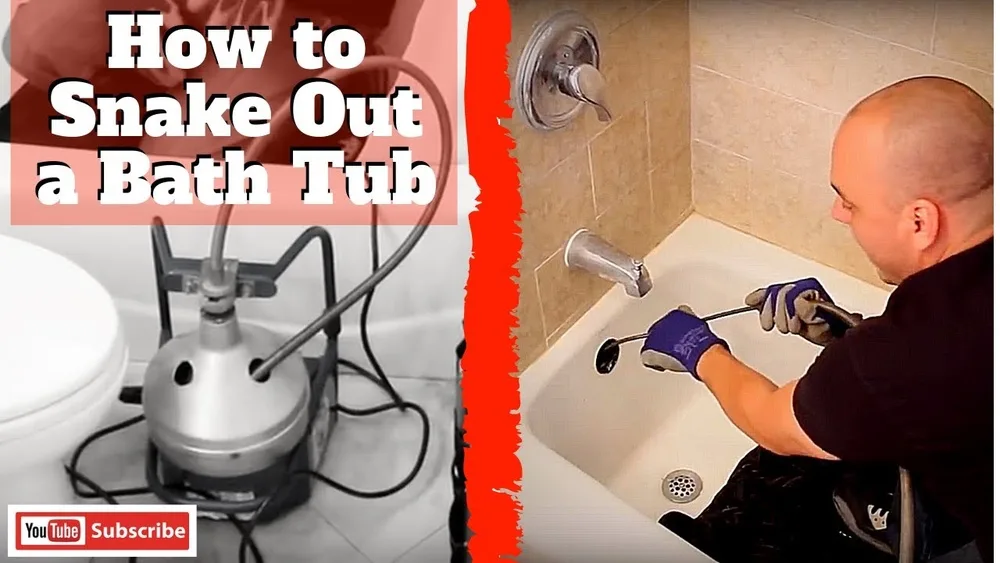
The first time I heard the term drain snake, I pictured a big, scary tool. But it’s actually pretty simple. A drain snake (sometimes called a plumber’s auger) is a long, flexible steel cable with a handle on one end. The tip is designed to break up or grab clogs deep in your pipes.
You can buy a basic hand-crank snake at most hardware stores, and it usually costs between $15 and $40 depending on the length and quality. There are also electric versions, but for most bathtub clogs, a manual snake works just fine.
I picked up a 25-foot hand-crank snake, which was more than enough for my bathroom.
Tools And Supplies You Need
Let’s go over what you’ll need before you start. Here’s what I used:
- Drain snake (manual or hand-crank)
- Bucket (to catch dirty water or debris)
- Old towels or rags (protect your floor)
- Rubber gloves (trust me, you’ll want them)
- Screwdriver (for removing the drain cover)
- Flashlight (to see inside the drain)
- Cleaning spray (for cleanup afterward)
- Plastic bag (for the stuff you pull out)
You don’t need any fancy equipment. If you’re like me, you probably have most of these things at home already.
How To Prepare Before You Snake The Drain
I learned the hard way that preparation makes everything easier. Here’s what I did before snaking my drain:
- Clear the area around the bathtub. Remove shampoo bottles, soap, and anything else that might get in the way.
- Lay down towels or rags. This helps protect your floor from dirty water and keeps things cleaner.
- Put on gloves. You’ll be dealing with hair and gunk—better safe than sorry.
- Unscrew the drain cover. Most tubs have a metal or plastic cover held by one or two screws. Use your screwdriver to remove it and set the screws aside where you won’t lose them.
- Check for visible clogs. Sometimes, you can pull out hair or debris right at the surface with your fingers or a bent wire hanger. In my case, the clog was deeper.
:max_bytes(150000):strip_icc()/bathtub-drain-2718981-hero-145b42fd8a544b1cb9a03f5a91d26438.jpg)
Step-by-step Guide: Unclogging A Bathtub Drain With A Snake
Here’s the part that made all the difference for me. I’ll break it down into easy steps, just like I did it.
1. Insert The Snake
Take the end of the snake and gently push it into the drain opening. At first, it might feel like it’s not going anywhere, but keep turning the handle and feeding the cable in slowly. If you feel resistance, don’t force it—just twist and push a bit more.
2. Feed The Snake Deeper
Keep pushing and turning the handle. The snake will move through the curved pipes below the drain (called the trap). This is usually where hair and soap collect.
When I did this, I could feel the snake hit something soft but stuck. That’s the clog!
3. Break Up Or Grab The Clog
Turn the handle clockwise to spin the tip of the snake. This helps the tool break up the clog or grab onto it. I felt a sudden “give,” like the cable broke through something. Sometimes you’ll hear a sucking sound as water starts to drain.
That’s a good sign!
4. Pull Out The Snake
Slowly pull the snake back out. Be careful here. The cable will likely have hair and gunk wrapped around it. I had a huge, slimy clump when I pulled mine out—honestly, it was a bit gross, but also satisfying.
Wipe off the debris with your rag or drop it straight into your plastic bag.
5. Test The Drain
Once you’ve removed the snake, run hot water into the tub for a few minutes. Watch how fast it drains. For me, the water rushed out like new. If it’s still slow, you might need to snake the drain one more time.
6. Clean Up
Spray down the area with cleaner, wipe everything dry, and reattach the drain cover. Don’t forget to wash your hands and throw away the gloves and any rags you used.
Visual Comparison: Before And After Snaking
When I did this, I noticed a huge difference right away. Here’s a simple comparison:
| Before Snaking | After Snaking |
|---|---|
| Water draining very slowly | Water drains quickly and smoothly |
| Standing water after a shower | No more standing water |
| Bad smell from the drain | Odor is gone |
This simple fix solved my problem in less than 30 minutes.
Manual Vs. Electric Drain Snake: Which Is Better?
When I first researched snakes, I wondered if I should get an electric one. Here’s what I found out:
| Manual Drain Snake | Electric Drain Snake |
|---|---|
| Cheaper (about $15–$40) | More expensive (often $100+) |
| Easy for most clogs | Stronger, handles bigger clogs |
| Works well for bathtubs and sinks | Best for tough or deep clogs |
| Less risk of damaging pipes | Can be too powerful for small drains |
For regular bathtub clogs, a manual snake worked great for me. If you have very old or fragile pipes, it’s safer too.
What Not To Do: Common Mistakes I Learned From
Let me save you some trouble by sharing mistakes I made (and others often do):
- Don’t force the snake. If it won’t go through, don’t push hard—you could damage the pipe or get the cable stuck.
- Don’t use chemical drain cleaners before snaking. They can splash back when you pull out the snake, and they sometimes damage pipes or your skin.
- Don’t skip gloves. The stuff that comes out is nasty and can carry germs.
- Don’t forget to check the overflow drain. Some bathtubs have a second opening near the top. If your clog doesn’t clear, try snaking through the overflow.
- Don’t ignore slow drains. If water is draining slowly, fix it before it gets worse.
One thing most beginners miss: some clogs are further down the line, not just under the tub. If your bathtub and bathroom sink both drain slowly, the clog may be in the main pipe. In that case, you might need a longer snake or even professional help.
:max_bytes(150000):strip_icc()/bathtub-drain-2718981-02-97fbda4b92074b43ae9758d1121752e8.jpg)
How Often Should You Snake Your Bathtub Drain?
From my experience, you shouldn’t need to snake your tub often. If you start to notice slow draining, do it right away before things get worse. For me, I do a quick check every 6 months, just to be safe.
If you want to prevent clogs, you can buy a hair catcher for your drain. These little strainers trap hair before it goes down and are easy to clean. Since I started using one, I haven’t had any more clogs.
Safety Tips When Using A Drain Snake
- Always wear rubber gloves and old clothes.
- Keep the area well-lit so you can see what you’re doing.
- Never use a snake on a drain you’ve recently poured chemicals into.
- Clean the snake after use with hot, soapy water.
I learned to be extra careful with old pipes. If you feel the snake catching on something hard, stop and pull back. You don’t want to scratch or break a pipe.

Real-world Example: How Long It Took Me
The first time I used a snake, I was nervous. But from start to finish, the whole process took about 30 minutes. Most of that time was getting ready and cleaning up. Actually snaking the drain took less than 10 minutes.
If you’re a beginner, set aside 45 minutes to an hour, just to go slow and not rush. With practice, it gets faster.
When To Call A Plumber
Sometimes, even after snaking, the drain is still slow. Here’s when you might need a professional:
- The clog is deep, and the snake can’t reach it.
- You hear gurgling sounds in other drains when running water.
- Water backs up into other fixtures (like the toilet or sink).
- You’re not comfortable taking apart pipes or dealing with tough clogs.
Plumbers have longer, stronger snakes and special cameras to look inside pipes. If you’ve tried everything and it’s still not working, it’s okay to ask for help.
For more on when to DIY or call a pro, check out Family Handyman’s advice.
Quick Comparison: Diy Snaking Vs. Hiring A Plumber
Here’s a quick look at cost and time:
| DIY Snaking | Professional Plumber |
|---|---|
| $15–$40 for a snake | $100–$250 per visit |
| 30–60 minutes of your time | Schedule and wait for service |
| Easy for most clogs | Handles tough or deep clogs |
For most simple clogs, I found the DIY method much faster and cheaper.
Frequently Asked Questions
How Do I Know If My Bathtub Clog Is Serious?
If water drains very slowly or not at all, and you’ve tried snaking with no luck, the clog might be deep in your pipes. If other drains in your home are also slow, it could be a bigger plumbing issue.
Can I Use A Regular Wire Or Coat Hanger Instead Of A Snake?
A wire hanger can help with clogs near the drain opening, but it won’t reach deep blockages. A real drain snake is flexible and long enough to get through the pipe’s curves.
Is It Safe To Use A Snake On Old Pipes?
Yes, but be gentle. Old pipes can be fragile. Never force the snake. If you feel hard resistance, pull back and try again.
What Should I Do If The Snake Gets Stuck?
Don’t panic. Try gently twisting and pulling. If it won’t budge, don’t yank hard—this could damage the pipe. Sometimes, reversing the turning direction helps. If it still won’t come out, call a plumber.
How Can I Keep My Bathtub Drain From Clogging Again?
Use a drain hair catcher and clean it regularly. Avoid pouring oils, coffee grounds, or large bits of soap down the drain. Running hot water after each bath or shower helps keep things clear.
Fixing a clogged bathtub drain with a snake is simpler than it seems. After doing it myself, I feel much more confident about handling home repairs. If you follow these steps, you’ll probably get the same great results I did.
And the next time your tub starts to drain slowly, you’ll know just what to do.
As an Amazon Associate, We earn from qualifying purchases