
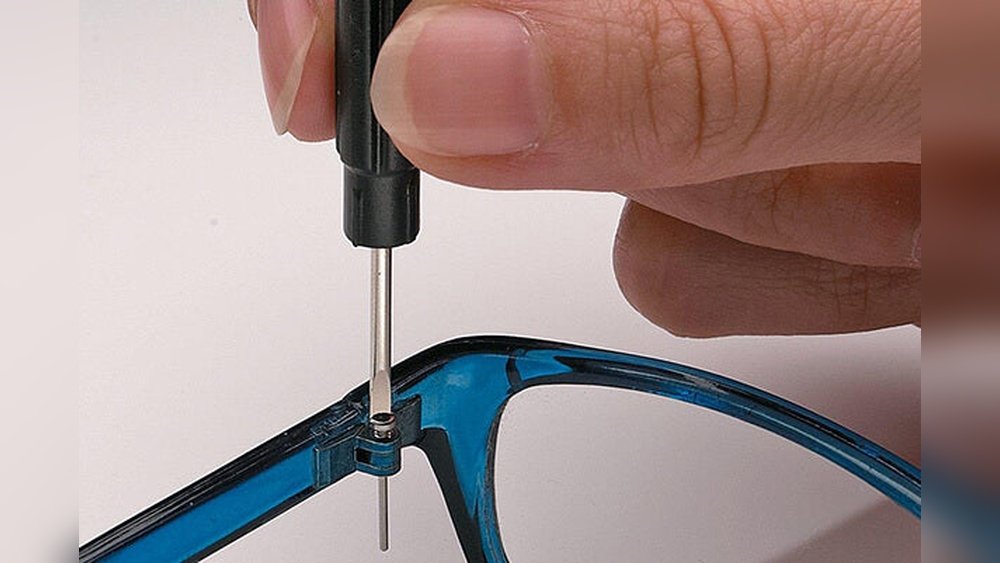
Tightening Glasses With A Screwdriver: My Step-by-step Guide
I still remember the first time my glasses slid right off my nose during a busy day. I felt embarrassed, annoyed, and a little helpless. I thought fixing glasses was a job for professionals. But after learning how to tighten glasses with a screwdriver, I felt so much more in control.
If you’re tired of loose frames or wobbly arms, you’re not alone. I want to share my experience and walk you through every step so you can do it too, safely and confidently.
Why Glasses Become Loose
You might wonder, why do glasses get loose at all? From my own experience, it mostly happens because of small screws at the joints. These screws hold the arms (also called temples) to the frame. With daily wear, opening and closing, and even cleaning, these screws can start to back out.
Sometimes, the nose pads also have tiny screws that loosen over time.
I noticed my glasses started slipping after a few months of use. At first, I kept pushing them up my nose. But after a while, the problem got worse. A friend pointed out that this is very common, especially if you take your glasses on and off often.
Tools You’ll Need
Before I started, I made sure I had the right tools. Don’t worry—there’s nothing fancy here. Most items can be found at home or bought cheaply.
- Small screwdriver: You need a small Phillips or flat-head screwdriver. Most eyeglasses use a Phillips head, but some use flat-head.
- Clean surface: I always use a light-colored cloth or towel. It helps prevent losing screws if they fall.
- Magnifying glass: Not required, but it helps if you have poor eyesight or the screws are very tiny.
- Steady hands: This sounds obvious, but it’s true. If you feel nervous, take a few deep breaths before you start.
Optional but helpful:
- Tweezers: For picking up or holding small screws.
- Extra screws: Many eyeglass repair kits come with these.
- Flashlight: Good lighting makes everything easier.
How To Identify The Right Screw
Glasses can have several screws, but you want the right one. I learned this the hard way when I tightened the wrong screw and made my glasses even more crooked!
There are usually two main places:
- Hinge screws: These connect the arms to the frame. If your arms are wobbly, this is the one to tighten.
- Nose pad screws: If your nose pads move around, these need attention.
To check, I gently moved the arms. If they felt loose, I looked at the hinge area. If the nose pads wobbled, I checked those screws.
Choosing The Right Screwdriver
When I first tried fixing my glasses, I used a regular household screwdriver. Big mistake! It was much too large and damaged the screw head. You need a precision screwdriver made for small electronics or eyeglasses.
Here’s a simple comparison of screwdrivers I’ve tried:
| Type | Size | Best For | My Experience |
|---|---|---|---|
| Regular Household Screwdriver | 3-5 mm | Large appliances | Too big, damaged screws |
| Precision Phillips | 1-2 mm | Eyeglasses | Perfect fit, no damage |
| Precision Flat-head | 1-2 mm | Some glasses | Worked for flat screws |
Always use the smallest size that fits snugly in the screw head. If you don’t have one, eyeglass repair kits are cheap and easy to find online or at pharmacies.

Step-by-step: How I Tighten Glasses With A Screwdriver
Let me walk you through the process I use every time my glasses get loose. It’s simple if you go slow and stay patient.
Step 1: Set Up Your Work Area
I always work at a table with a clean, flat surface. I lay down a white towel to catch any screws that might fall. Good lighting is important—no one wants to chase a tiny screw across the floor.
Step 2: Inspect The Glasses
With my glasses in hand, I check each hinge by gently opening and closing the arms. If one side moves more than the other, that’s the loose side. I also check the nose pads, just in case.
Step 3: Choose The Right Screwdriver
I pick the smallest screwdriver that fits the screw head. I test the fit by gently placing it in the slot—if it slips, I choose a smaller size.
Step 4: Tighten The Screw
This is where patience matters. I place the screwdriver into the screw head and turn it clockwise (to the right). I use gentle pressure—just enough to make the screw snug, but not so much that I strip it. If the screw doesn’t move, I stop and check the size again.
Step 5: Test The Fit
After tightening, I move the arm back and forth. If it feels firm but not stiff, I’m done. If it’s still loose, I give it another small turn. I never over-tighten, because that can strip the screw or crack the frame.
Step 6: Repeat For The Other Side
Even if only one side is loose, I check the other side too. Sometimes both sides need adjustment.
Step 7: Check Nose Pads (if Needed)
If my nose pads were wobbly, I repeat the same steps for those screws. These are even smaller, so I’m extra careful.
Step 8: Clean Up
When I’m finished, I wipe my glasses with a soft cloth and store the screwdriver somewhere safe for next time. I can’t count how many times I lost it before I started keeping it in a drawer.
What If A Screw Is Missing?
This happened to me once. I was tightening a screw and it popped out, bounced off the table, and disappeared. I panicked. Don’t worry if this happens! Most pharmacies or online stores sell eyeglass repair kits with extra screws.
Here’s a quick look at what’s usually inside these kits:
| Item | Use | My Rating |
|---|---|---|
| Precision Screwdriver | Tightening screws | Essential |
| Extra Screws | Replacing lost screws | Very helpful |
| Nose Pads | Replacing worn pads | Good to have |
| Mini Magnifying Glass | Seeing tiny parts | Useful for detail |
If you drop a screw, use a flashlight and a magnet to search for it. If you can’t find it, these kits are a lifesaver.
Common Mistakes To Avoid
Based on my own mishaps, here are mistakes I made and how you can avoid them:
- Using the wrong screwdriver: Too large or too small will slip and strip the screw.
- Over-tightening: I once cracked a plastic frame by turning too hard. Stop when it feels snug.
- Working over a cluttered area: Screws are tiny and bounce far. Use a towel or tray.
- Tightening the wrong screw: Check which part is loose before you start.
- Forgetting to check both sides: Sometimes both hinges are loose.
When Not To Tighten Glasses Yourself
Sometimes, it’s better to let a pro handle it. I learned this after I snapped a plastic frame by overtightening. If you see any of these signs, visit an optician:
- Cracks in the frame: Don’t risk breaking them.
- Bent arms or frame: Bending can damage the shape.
- Stripped screw head: If the screwdriver slips and the slot is worn out, a pro has special tools.
Most opticians will tighten your glasses for free or for a small fee. It’s worth it if you’re unsure.

How Often Should You Tighten Your Glasses?
From my own routine, I check my glasses about once a month. If you’re active or take your glasses off often, check more often. Even a few seconds of tightening can save you from accidents or costly repairs.
Here’s a quick summary of how often I check different parts:
| Part | How Often I Check | Why |
|---|---|---|
| Hinge Screws | Monthly | Most likely to loosen |
| Nose Pads | Every 2-3 months | Less stress, but can loosen |
| Frame Shape | When cleaning | Check for bends or cracks |
Extra Tips I’ve Learned
Over the years, I picked up a few helpful tricks:
- If you have trouble holding small screws, dab a bit of clear nail polish on the threads before inserting them. It helps keep them in place.
- If your glasses are old and screws keep loosening, try a tiny drop of thread locker (like Loctite), but only a little, or you might never get the screw out!
- Never use glue on the screws. Glue can damage the frame and make future repairs impossible.
- If your screwdriver keeps slipping, wrap a rubber band around the tip for extra grip.
- Always keep your repair kit in the same spot, so you don’t lose it.
When To Seek Professional Help
While tightening screws is easy, some repairs are better left to experts. For example, if your frame is bent, or if you have rimless glasses, don’t risk it. I once tried fixing a rimless pair and ended up making it worse.
Some opticians use special tools that prevent damage. If you’re not sure, ask for help. It’s better to spend a few dollars than to buy new glasses.
Where To Find More Help
If you want to see more about eyeglass repairs or even watch videos, I recommend checking out guides from trusted sources. For example, the Wikipedia page on eyeglasses offers a lot of background on frames and parts.

Frequently Asked Questions
What If My Screw Is Stuck And Won’t Turn?
If your screw is stuck, don’t force it. Try adding a tiny drop of oil (like sewing machine oil) and let it sit for a few minutes. This can loosen rust or debris. If it still won’t move, take it to a professional.
Can I Use A Knife Or Other Tools Instead Of A Screwdriver?
I’ve tried using a knife or scissors in a pinch, but it’s risky. These tools can slip and damage the screw or your glasses. A proper precision screwdriver is safest.
What Do I Do If I Lose A Screw?
If you lose a screw, don’t panic. Eyeglass repair kits come with replacement screws. Match the size as closely as possible. If you can’t find a kit, visit an optical shop.
How Tight Should The Screw Be?
The screw should be snug but not hard to turn. If the arm moves smoothly but doesn’t wobble, it’s tight enough. Over-tightening can break the frame.
Are All Glasses Screws The Same Size?
No, screws can vary. Most are very small (1-2 mm), but it’s best to use the one that matches your frame. Some designer brands use special sizes.
Taking care of your glasses is easy once you know how. I hope sharing my experience helps you keep your glasses fitting well and your vision clear. With a little practice, you’ll feel like a pro too!
As an Amazon Associate, We earn from qualifying purchases