
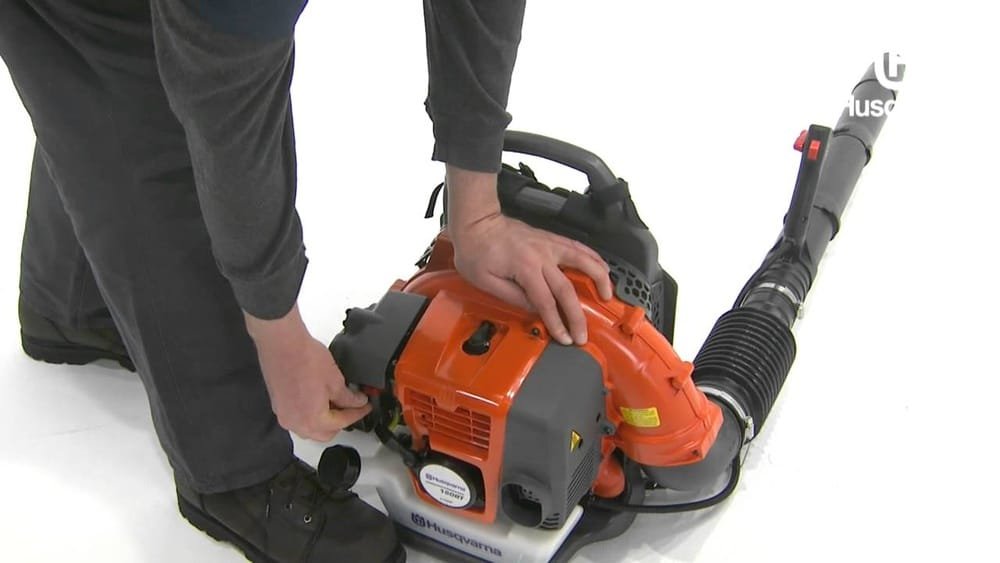
Starting a Husqvarna leaf blower might look simple, but the first time I tried, I learned there’s more to it than just pulling a cord. I’ve owned my Husqvarna for a few seasons now. At the beginning, I made a few mistakes that cost me time and left me frustrated.
Through trial and error, I learned the best way to get it started quickly and safely. Today, I want to share my experience so you can avoid those hiccups.
If you’re new to leaf blowers, or just bought your first Husqvarna, you’re in the right place. I’ll walk you through every step, from preparing your blower to troubleshooting if it refuses to start. I’ll also point out what most people miss—those small things that make a big difference.
Let’s get started.
Understanding Your Husqvarna Leaf Blower
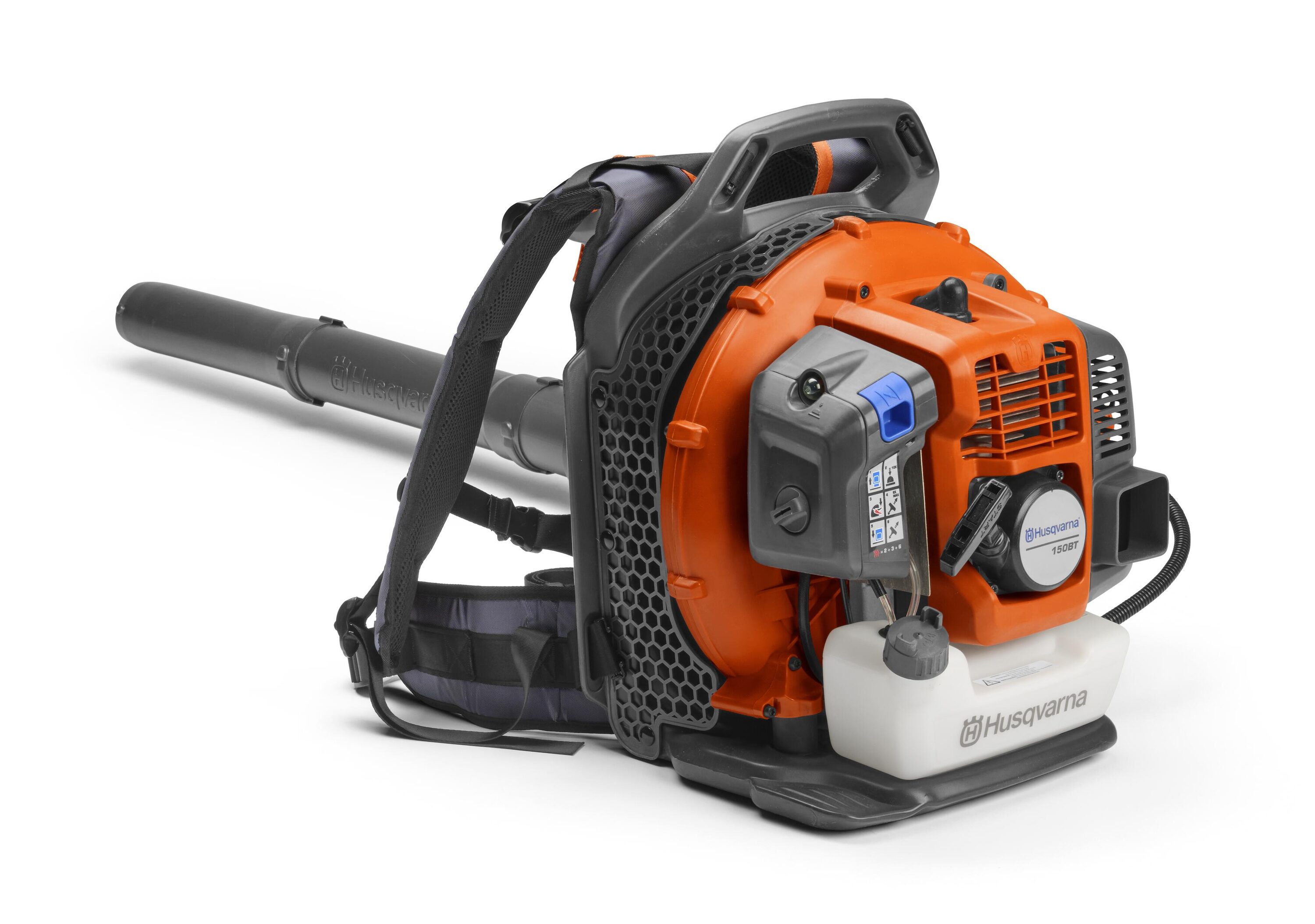
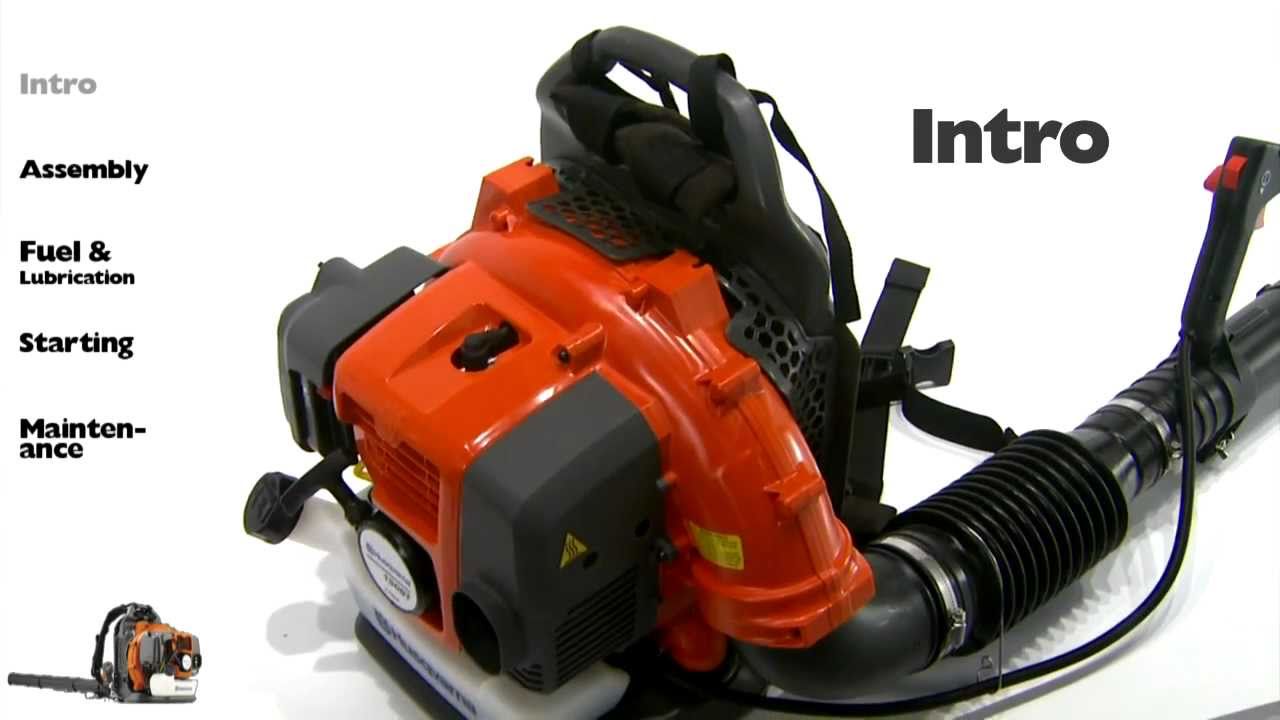
Before starting, I always like to know what I’m working with. Husqvarna makes different models—some are gas-powered, some are battery-powered. Most of what I’ll share is based on my experience with the gas-powered Husqvarna 125B, but the steps are similar for other Husqvarna models.
Gas-powered blowers have a small two-stroke engine. They need a mix of gas and oil. If you use only gas, you’ll damage the engine. Battery models are simpler, but let’s focus on the gas version first.
Gathering What You Need
I learned early that missing just one item can ruin your day. Here’s my simple checklist:
- Pre-mixed fuel (gasoline and 2-stroke oil, usually 50: 1 ratio)
- Fresh air filter (a dirty one makes starting hard)
- Spark plug wrench
- Safety gear (goggles and gloves)
- User manual (optional, but helps if you get stuck)
Having everything ready saves time. Once, I tried starting mine with last year’s leftover gas. It wouldn’t start no matter what I did. Fresh fuel is a must.
Checking The Leaf Blower Before Starting
If you skip these checks, you risk engine damage or wasting your effort. I speak from experience. Here’s what I do every time:
- Check the fuel: Open the tank and look inside. If the fuel is old or smells sour, I pour it out and add fresh mix.
- Inspect the air filter: I pop off the cover and look at the filter. If it’s dirty, I clean or replace it. A clogged filter makes starting harder.
- Check the spark plug: I use a wrench to remove it and look for carbon buildup. If it’s black or wet, I clean or replace it.
- Look for loose parts: I shake the blower gently and listen for rattles. Tighten any loose screws or nuts.
- Check the primer bulb: This small bulb should not be cracked. I press it to see if it moves fuel.
These checks take less than five minutes but save a lot of frustration. One time, my blower refused to start because the spark plug wire was loose. A quick check fixed the problem.
Fueling Up Properly
This is something beginners often get wrong. I did, too. Husqvarna blowers need a 50:1 mix of unleaded gasoline and two-stroke oil. Don’t guess—measure it.
| Fuel Amount | 2-Stroke Oil | Mix Ratio |
|---|---|---|
| 1 gallon (3.8 L) | 2.6 oz (77 ml) | 50:1 |
| 0.5 gallon (1.9 L) | 1.3 oz (38 ml) | 50:1 |
I use a special fuel mixing bottle to get it right. After adding oil, shake the container well to mix. Never use pure gasoline. It will ruin the engine fast.
Step-by-step: How I Start My Husqvarna Leaf Blower
Now, let’s get to the main part. These steps work for most Husqvarna gas leaf blowers.
1. Move To A Safe Area
I always start my blower outdoors, on flat ground, away from kids and pets. The fumes are not safe indoors.
2. Set The Blower On The Ground
Place the blower on a level surface. Make sure it won’t tip over.
3. Set The Choke
If the engine is cold, I move the choke lever to the full choke position. The choke is usually marked with a symbol. For a warm engine, I set it to run.
4. Prime The Engine
I press the primer bulb about 6 times. This bulb is usually clear, so you can see fuel inside. Press slowly, and watch for fuel moving through the line.
5. Pull The Starter Cord
Here’s where I used to get stuck. I hold the blower with one hand and use the other to pull the cord quickly. It often takes 2–4 pulls before the engine tries to start or sputters.
6. Move The Choke To Half
As soon as I hear the engine sputter, I move the choke to half or run. If I leave it on full choke too long, the engine floods.
7. Pull The Cord Again
I pull the starter cord again until the engine starts. Usually, it takes another 1–2 pulls. As soon as the engine is running, I let it idle for 10–20 seconds.
8. Let The Engine Warm Up
I give the engine a few seconds to warm up before using the throttle. This keeps the engine running smooth.
9. Squeeze The Throttle And Get To Work
Once it’s idling well, I squeeze the throttle. The blower should run strong. If it stalls, I repeat the steps above.
Battery-powered Husqvarna Leaf Blowers
I also have a battery-powered Husqvarna 320iB for quick jobs. These are much simpler. Here’s how I start mine:
- Charge the battery fully.
- Slide the battery into the blower until it clicks.
- Press the power button.
- Squeeze the trigger to start blowing.
There’s no mixing fuel or priming the engine. Still, check for debris in the air intake, and always store batteries indoors.
Common Mistakes And How To Avoid Them
I’ve learned the hard way that little mistakes can stop you cold. Here are a few I made:
- Using old fuel: Fresh is best. Old fuel gums up the carburetor.
- Flooding the engine: Too much choke or too many pulls can flood it. If it happens, I wait five minutes, then try again with no choke.
- Not priming enough: Skipping the primer bulb makes starting tough.
- Ignoring air filters: A dirty filter chokes the engine.
- Weak starter pull: A slow, gentle pull won’t start the engine. Use a quick, firm motion.
If you avoid these, you’ll save yourself a lot of frustration.
Troubleshooting: What To Do If It Won’t Start
Sometimes, even after doing everything right, my blower won’t start. Here’s what I check:
- Is there fuel? Even if you think so, double-check.
- Is the spark plug working? Remove, clean, and check the gap.
- Is the air filter clean? Swap it out if it’s clogged.
- Is the primer bulb working? If it’s cracked, it won’t pump fuel.
- Did you flood the engine? Wait, then try again with no choke.
If all else fails, I check the manual or watch a video from Husqvarna’s official support. Sometimes, a carburetor cleaning is needed, but that’s rare if you use fresh fuel.
Maintenance Tips For Easy Starting
Regular maintenance is my secret to easy starts. Here’s what I do:
- Replace the spark plug once a season.
- Clean or replace the air filter every month.
- Run the blower dry before winter storage. This keeps the carburetor from gumming up.
- Use ethanol-free gasoline if possible. It stores better.
- Store in a dry, cool place.
Following these steps, my blower starts on the first or second pull every spring.
Safety Reminders
Starting a leaf blower isn’t dangerous, but I’ve seen accidents. Always:
- Wear eye protection—debris can fly up.
- Wear hearing protection—these blowers are loud.
- Never start indoors—carbon monoxide can build up.
- Keep hands and loose clothing away from the fan.
I once forgot my goggles and got dust in my eye. Never again.

Comparing Gas Vs. Battery Husqvarna Leaf Blowers
If you’re still deciding between gas and battery models, here’s a quick comparison from my experience:
| Feature | Gas-Powered | Battery-Powered |
|---|---|---|
| Starting Steps | More steps, fuel mixing | Simple, push button |
| Maintenance | Regular upkeep needed | Minimal |
| Noise | Loud | Quieter |
| Power | More powerful | Good for small jobs |
| Weight | Heavier | Lighter |
Both have their place. For big yards, I stick to gas. For patios or small lawns, battery is easier.
Real-world Example: My First Start Vs. Now
I’ll never forget my first try. I pulled the starter cord ten times, got frustrated, and almost gave up. The problem? I forgot to prime the bulb and used old fuel. Now, I start my Husqvarna 125B in less than a minute.
The difference comes down to routine. I check the basics, use fresh fuel, and I’m patient with the choke. It’s a small thing, but it makes yard work feel less like a chore.
Two Insights Most People Miss
First, people often forget the primer bulb is not just for show. If you don’t see fuel moving in the bulb, your blower won’t start, no matter how many times you pull the cord.
Second, the spark plug gap matters. I once bought a new spark plug, put it in, and still had trouble. The gap was off by a fraction. After adjusting it to the recommended size (usually about 0.025 inches), the blower started right up. Most manuals show the right gap for your model.
Where To Find More Help
If you get stuck, don’t be afraid to check your user manual or visit the official site. I found helpful tips at the Husqvarna Support Center. Videos and diagrams can make things clear in seconds.
Frequently Asked Questions
How Often Should I Replace The Air Filter?
I replace mine every season or more often if I use the blower a lot. If you work in dusty conditions, check it monthly. A clean filter helps your blower start and run better.
What Fuel Mix Should I Use For My Husqvarna Leaf Blower?
Use a 50:1 ratio of unleaded gasoline to two-stroke oil. Always mix well before pouring it into the tank. Never use only gas or only oil.
Why Does My Blower Start, Then Stop Right Away?
This usually means the air filter is dirty, the spark plug is fouled, or there’s old fuel in the tank. Check and clean these parts, and use fresh fuel.
Is It Bad To Leave Fuel In The Blower Over Winter?
Yes, it can gum up the carburetor. I run my blower until it’s out of fuel before storing it for winter. You can also use a fuel stabilizer if you must leave fuel in.
Can I Use My Blower In Wet Weather?
I avoid using mine in rain or wet conditions. Water can damage the engine and create a slipping hazard. Wait until things are dry for the best results.
Starting a Husqvarna leaf blower gets easier with practice. If you follow these steps and check the basics, you’ll save time and keep your blower running for years. I hope my experience helps you get out there and tackle your yard work with confidence.
As an Amazon Associate, We earn from qualifying purchases