
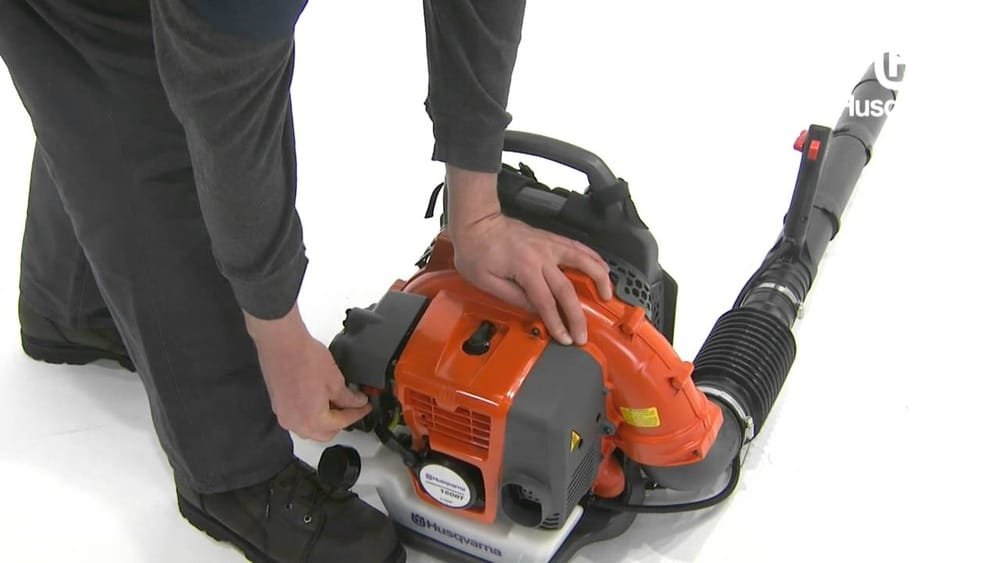
Starting a backpack leaf blower might sound simple, but my first time was a real learning experience. I remember standing in my backyard, feeling a bit lost, staring at this powerful tool on my back. The instructions were there, but they felt confusing and full of technical words.
I know how that feels, and that’s why I want to share what I learned, in simple steps, using easy language. If you’ve never started a backpack leaf blower before, don’t worry. I’ll walk you through it, step by step, with real stories and tips from my own experience.
Getting To Know Your Backpack Leaf Blower
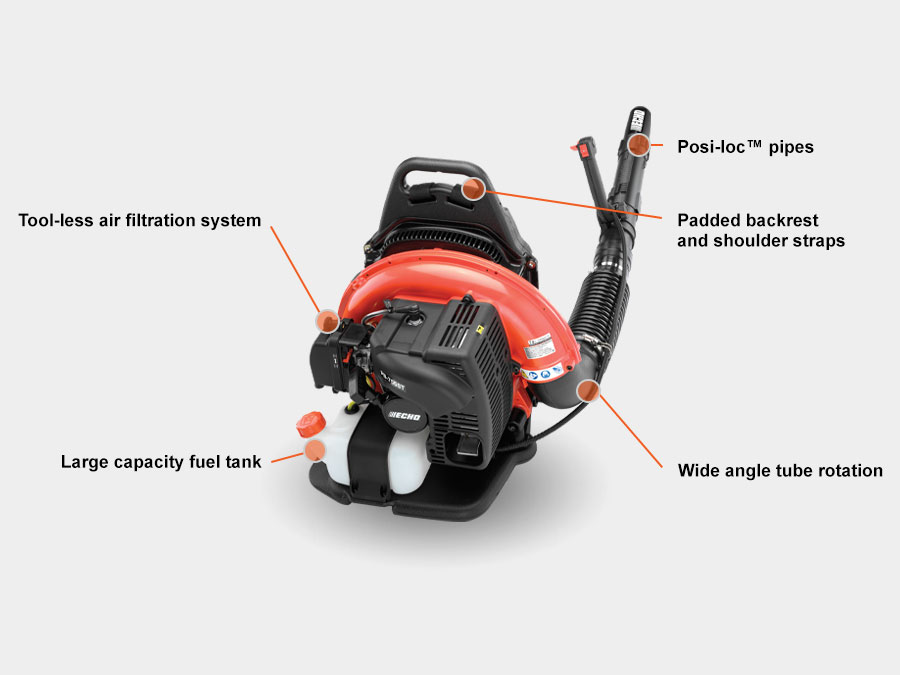
When I first bought my blower, I was surprised by how many different types there were. Some run on gas, some on batteries, and a few are electric. I picked a gas-powered model because my yard is big and I wanted more power. But before you start, it’s important to know what kind you have. Each type is a little different.
Types Of Backpack Leaf Blowers
Here’s a quick comparison that helped me understand which was right for me:
| Type | Main Power Source | Best For | Noise Level |
|---|---|---|---|
| Gas-powered | Gasoline (2-stroke or 4-stroke) | Large yards | High |
| Battery-powered | Rechargeable battery | Small/medium yards | Medium |
| Electric (corded) | Plug-in electric | Small areas near outlets | Low |
I learned quickly that gas models are a bit heavier and louder, but they have more power and don’t need to be plugged in. If you want a simple, quiet tool, a battery or electric blower might suit you better.
But for my thick fall leaves, gas was the way to go.
Safety First: What You Must Know
Before I ever started my blower, I made sure to think about safety. These machines are strong, and the air can blow small stones or sticks fast enough to hurt. I made a few mistakes early on, like not wearing ear protection.
Trust me, your ears will thank you if you use some.
Here are the basics I always follow now:
- Wear eye protection. Sunglasses help, but real safety glasses are best.
- Protect your hearing. The noise can be very loud, especially with gas models.
- Wear gloves. They help with grip and keep your hands safe from vibration.
- Dress properly. Long pants and closed shoes keep your skin safe from debris.
- Clear your area before starting. Check for rocks, toys, or sticks.
I ignored a few of these tips at first, and it made my work harder. Now, I never skip them.
Preparing Your Backpack Leaf Blower
Before you can even think about starting your blower, you need to prepare it. I remember trying to start mine when it was out of fuel—nothing happened, of course. Here’s what I learned to check each time:
Check The Fuel (for Gas Models)
Most gas backpack blowers use a 2-stroke engine, which means you have to mix oil and gasoline. My first mistake was using straight gasoline, and the blower sputtered and stopped. The right mix is super important, or you can damage the engine.
Most brands use a 50:1 mix (50 parts gas to 1 part oil), but check your manual. I use a simple measuring bottle to get it right. If you’re not sure, there are pre-mixed fuels you can buy. They cost more, but make things easier.
Battery And Cord Checks
If you have a battery-powered blower, make sure the battery is fully charged. I once tried to clear my driveway with a half-charged battery, and it died halfway through. For electric models, check the cord for damage and make sure it’s long enough for your yard.
Inspect The Blower
Every time before I start, I look for these things:
- Loose or missing parts
- Cracks in the tubes
- Fuel or oil leaks
- Blockages in the air intake
Catching a problem early will save you time and money later. I once found a stick jammed in the blower tube. If I had started it, the blower could have been damaged.
Step-by-step: How I Start My Backpack Leaf Blower
Now for the part that used to make me nervous! The first few times, I struggled with the steps. But after a while, it became second nature. Here’s my process, broken down simply.
1. Put On The Backpack Properly
I slide my arms through the straps like a school backpack. Adjusting the straps is key. If they’re too loose, the blower feels heavy. Too tight, and it’s uncomfortable. I always make sure it sits snug on my back, not hanging low.
2. Prime The Engine (gas Models)
Most gas blowers have a small primer bulb near the engine. I press it 5-6 times until I see fuel moving through the clear tube. The primer helps get fuel into the carburetor, making it easier to start.
3. Set The Choke
The choke lever controls how much air goes into the engine when you start it cold. If the engine is cold (hasn’t run in a while), I set the choke to “closed.” If it’s warm, I leave the choke open or halfway, depending on the model.
4. Engage The Throttle Lock
Some models have a throttle lock or cruise control. I set it to a medium speed so the engine gets enough fuel when starting. If I forget this step, sometimes the engine doesn’t start or stalls out.
5. Pull The Starter Cord
I hold the blower steady with one hand, and pull the starter cord with the other. I learned to pull smoothly and not yank too hard. The first few times, it took 2-3 pulls. Now, if the blower is primed and choked right, it usually starts on the first try.
If the engine sputters but doesn’t start, I move the choke to “half” and try again. After it starts, I move the choke to “open” so the engine runs smoothly.
6. Warm Up The Engine
I let the blower run for 30 seconds to a minute before using it. This warms up the engine and makes it work better. If I start blowing leaves too soon, the engine can bog down or stall.
7. Check For Smooth Operation
Before I begin working, I squeeze the throttle and listen. If the engine sounds rough or the blower shakes a lot, I stop and check everything again. A smooth, steady sound means it’s ready to go.
Quick Steps For Battery/electric Models
If you have a battery or electric blower, starting is much simpler:
- Insert the battery or plug in the cord.
- Put on the backpack and adjust the straps.
- Press the power or start button.
- Squeeze the trigger to control the speed.
No choke, no priming, just simple power.
Common Problems I Faced (and How I Fixed Them)
I wish I could say my blower started perfectly every time. But I had some issues, especially in the beginning. Here are a few problems I ran into, and what I did to solve them.
Engine Won’t Start
Sometimes, even when I did everything right, the engine wouldn’t start. I learned to:
- Check if the fuel is fresh. Old gas can cause problems.
- Make sure the spark plug is clean and tight.
- Look at the air filter. If it’s dirty, the engine won’t get enough air.
- Double-check the choke and primer steps.
Once, my blower just wouldn’t start, and I realized the kill switch was on “off. ” Easy fix, but easy to miss.
Engine Starts, Then Dies
This happened when I forgot to open the choke after starting. The engine needs more air after it starts, so I always move the choke to “open” after a few seconds.
Blower Feels Weak
If the airflow is weak, I check for:
- Blocked tubes or air intake
- Low throttle setting
- Old or dirty fuel
Once, a small piece of plastic blocked the tube. Removing it made a huge difference.
Why Maintenance Matters (from My Experience)
At first, I thought I could just use the blower and put it away. But after a few weeks, it got harder to start. I realized maintenance is important for easy starting and long life.
Here’s what I do regularly:
- Clean or change the air filter every month.
- Check and clean the spark plug every 3 months.
- Use fresh fuel and the right oil mix.
- Clean the blower tubes and cooling fins.
- Store the blower in a dry place.
I also learned not to leave fuel in the tank over winter. Old fuel can clog the carburetor and cause starting problems in spring.

Data: How Long Does Starting Take?
When I first started, it took me a few minutes, especially with mistakes. Now, starting my gas blower takes less than a minute most days.
Here’s a breakdown of my average times:
| Step | My First Time | Now (Average) |
|---|---|---|
| Prep (fuel, straps, checks) | 5 minutes | 2 minutes |
| Starting the engine | 3 minutes | 30 seconds |
| Total time | 8 minutes | 2.5 minutes |
Practice really does make perfect with these tools.
Two Surprising Lessons I Learned
There are a couple of things I wish I’d known sooner:
- Cold weather can make starting harder. I found that storing my blower in a warmer place, like the garage, helps a lot. When it’s really cold, the engine oil gets thick, and the starter cord is harder to pull.
- The right posture matters. Wearing the backpack correctly and standing on level ground makes a big difference. If you’re off-balance, the blower feels heavier, and starting it is awkward. I learned to always stand steady before pulling the cord.

My Best Tips For New Users
If you’re starting a backpack leaf blower for the first time, here’s what I would tell a friend:
- Read the manual, even if it’s boring. You’ll find brand-specific tips.
- Always use fresh fuel and the right oil mix.
- Don’t rush—slow, steady pulls on the starter work better than fast yanks.
- If it doesn’t start, take a break, check your steps, and try again.
- Keep your blower clean and well-maintained for easier starts every time.
And if you’re ever unsure, look up a quick video or check with a neighbor who has experience. I did both, and it saved me a lot of trouble.
If you want more details about engine basics or want to understand two-stroke vs four-stroke engines, I found this Wikipedia article helpful.
Frequently Asked Questions
What Fuel Mixture Should I Use For My Gas Backpack Blower?
Most gas blowers use a 50:1 fuel-to-oil ratio, but always check your user manual. Using the wrong mix can damage the engine. If you’re not sure, you can buy pre-mixed fuel at most hardware stores.
Why Won’t My Backpack Blower Start Even After Several Pulls?
This could be due to old fuel, a dirty air filter, a loose spark plug, or a problem with the choke setting. Make sure the kill switch is on “run,” the fuel is fresh, and the air filter is clean.
How Often Should I Maintain My Backpack Leaf Blower?
I clean the air filter every month, check the spark plug every three months, and use fresh fuel every time. After each use, I also wipe down the blower and check for loose parts.
Is It Normal For The Blower To Be Hard To Start In Cold Weather?
Yes, cold temperatures can make engines harder to start. Store your blower in a warm place if possible, and let it warm up a bit before use.
Can I Use Regular Car Oil For The Fuel Mix?
No, you should use oil made for two-stroke engines. Car oil can cause buildup and damage the engine. Always use the recommended oil type in your manual.
Starting a backpack leaf blower can feel tricky at first, but with practice and a few good habits, it becomes easy. Take your time, stay safe, and soon it’ll feel like second nature. If you run into problems, remember you’re not alone—I’ve been there too.
Happy leaf blowing!
As an Amazon Associate, We earn from qualifying purchases