
When my bathtub started draining slow, I felt frustrated. I tried chemical cleaners, but nothing worked. The water just sat there, refusing to go down. I knew it was time to take matters into my own hands. That’s when I decided to learn how to snake a bathtub drain.
If you’re in the same boat, don’t worry—I’ll walk you through everything step by step, just like I wish someone had done for me.
Why Bathtub Drains Get Clogged
First, it helps to know why this happens. In my case, it was a mix of hair, soap, and shampoo gunk. Over time, these things stick together and form a thick mass under the drain cover. If you live with long-haired people (like I do), you’ll see the problem even sooner.
A slow drain is more than just annoying. Standing water can smell bad and even cause mold. Ignoring it can lead to bigger plumbing issues. I found that out the hard way after putting off the fix for too long.
What You Need Before You Start
Let’s talk about tools. I went to the local hardware store and asked lots of questions. Here’s what you’ll need if you want to do it right the first time:
- Drain snake (or auger): I chose a 15-foot manual snake with a hand crank. It cost about $30.
- Screwdriver: Flathead or Phillips, depending on your drain cover.
- Rubber gloves: Things can get gross. Trust me, you’ll want these.
- Bucket: To catch dirty water and gunk.
- Old towels: For drying and wiping up spills.
- Flashlight: Seeing under the drain can be tricky.
Optional but helpful:
- Needle-nose pliers: For pulling out hair clumps.
- Wire coat hanger: If you don’t have a snake, this can work in a pinch (but it’s not as good).
- Cleaning brush or old toothbrush: For scrubbing the drain after snaking.
Here’s a quick look at the tools and what they do:
| Tool | Purpose | My Experience |
|---|---|---|
| Drain snake | Breaks and pulls out clogs deep inside | Works best for stubborn, deep clogs |
| Needle-nose pliers | Grabs hair and debris near the top | Great for surface blockages |
| Wire hanger | Homemade tool to fish out hair | Okay for small clogs, but less effective |
Getting Ready: Preparation Steps
Before I started snaking, I made sure to prepare the area. Here’s what I did, and I highly recommend you do the same:
- Clear the area: I removed shampoo bottles, soap, and anything around the tub.
- Lay down towels: I put old towels around the tub to catch drips.
- Wear gloves: I learned this the hard way after touching dirty hair.
- Open a window: Drains can smell bad when opened.
It takes just a few minutes, but it makes cleanup much easier. Once, I skipped this step and ended up with black gunk on my bathroom rug. Not fun!
Step-by-step: How I Snaked My Bathtub Drain
Now, let me walk you through the process as I experienced it.
1. Remove The Drain Cover
First, I had to get to the actual clog. Most tubs have a metal drain cover. Sometimes it’s held by one screw, sometimes two. I used a Phillips screwdriver.
- Tip: If the cover sticks, wiggle it gently. Don’t force it or you might bend the metal.
- Anecdote: My cover was so grimy, I had to clean it with an old toothbrush before putting it back.
2. Check For Visible Clogs
With the cover off, I looked down the drain with my flashlight. I could actually see a clump of hair.
- I used needle-nose pliers to grab as much as I could.
- If you don’t have pliers, try a bent wire hanger.
- Pull out what you can, but don’t push it deeper.
This step often solves slow drains. If water still drains slowly, move to the next part.
3. Insert The Drain Snake
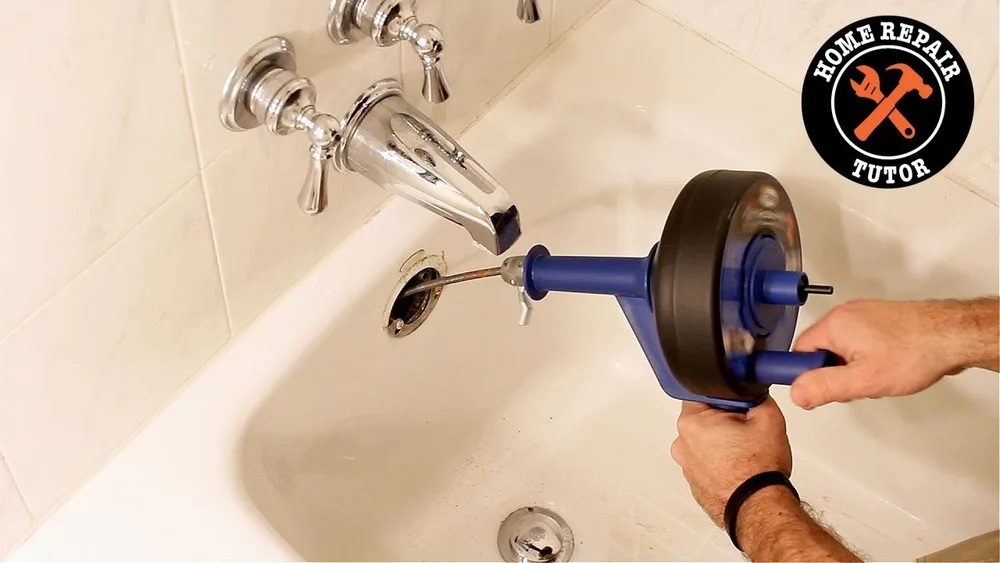
Here’s where things got interesting. I fed the metal coil down the drain, turning the handle gently.
- Go slow. If you feel resistance, don’t force it.
- When the snake “catches” something, you’ll feel it.
- Turn the handle to break up or grab the clog.
Non-obvious tip: If your tub has an overflow plate (the round metal piece above the drain), sometimes it’s better to snake through that opening. It gives a straighter path to the clog. I learned this by watching a plumber video. I tried both ways, and the overflow method worked better for my tub.
4. Pull Out The Clog
Once I felt the snake hook onto something, I slowly pulled it out, turning the handle. Sometimes hair and soap gunk came up attached to the snake.
- Wipe the snake with paper towels as you pull it out.
- Have your bucket ready—this part gets messy.
- Repeat the process until the snake comes out clean.
Don’t be surprised if you have to do this two or three times. My first try only got half the clog.
5. Flush The Drain
After pulling out what I could, I ran hot water down the drain. If the water still drained slow, I snaked it again.
- Use a kettle to pour very hot water (not boiling) down the drain.
- This melts any leftover soap residue.
Insight: Sometimes, the problem is deeper in the pipe. Most manual snakes reach 15 feet. If you still have a problem, it might be a bigger issue (like a blocked main pipe).
6. Clean Up
Once the drain worked, I cleaned all the tools, wiped down the tub, and replaced the drain cover. It’s important to disinfect the area, since drain gunk can carry bacteria.
- I used a cleaning spray and an old brush for the drain cover.
- I threw away the gloves and towels I used.
Troubleshooting: What If It Doesn’t Work?
Not every clog is simple. A few times, I had trouble. Here’s what I learned:
- Snake won’t go in: The drain design might block the snake. Try the overflow opening.
- Snake gets stuck: Gently turn the handle back and forth while pulling.
- Still clogged after snaking: The clog may be too deep. Consider calling a plumber.
Here’s a quick comparison of when to DIY and when to call for help:
| Situation | DIY Snaking | Call Plumber |
|---|---|---|
| Clog near drain | Usually works | Rarely needed |
| Multiple drains slow | Sometimes works | Best to call |
| Snake stuck or can’t reach clog | Try overflow method | Call for help |
Mistakes I Made (so You Don’t Have To)
I wish someone had told me these things before I started:
- Don’t use too much force. The snake can kink or break inside the pipe. I bent my first snake trying to “muscle” it through.
- Don’t use chemical cleaners before snaking. If you pour chemicals, then snake, you risk splashing harmful liquid on your skin or eyes.
- Don’t forget towels. The mess surprised me the first time. Water and black slime can stain your bathroom floor.
How To Keep Your Drain Clear After Snaking
After all my effort, I didn’t want to do this again soon. Here’s what worked for me:
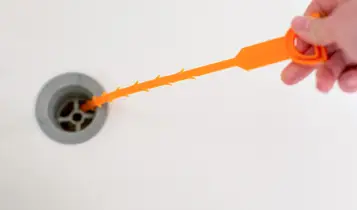
- Use a hair catcher: I bought a silicone drain cover for $5. It catches hair before it enters the drain.
- Flush with hot water weekly: Pour a kettle of hot water down the drain to clear soap residue.
- Avoid grease and oils: Don’t rinse oily bath products down the tub.
- Clean the stopper: Every month, I remove and wash the drain cover.
These small habits make a big difference. I used to snake my drain every 6 months. Now, I do it maybe once a year.
When To Call A Professional
Most bathtub clogs can be fixed with a drain snake. But sometimes, you need help.
- If you hear gurgling in other drains, the main pipe may be blocked.
- If water backs up into the sink or toilet, it’s a bigger problem.
- If you smell sewage, call a plumber right away.
Plumbers can use longer, motorized snakes or even cameras to find deep clogs. It costs more, but saves time and stress.

Extra Tips Only Experts Know
After dealing with many clogs, I picked up a few tricks:
- Take photos: If you have trouble, take photos of your drain setup and show them at the hardware store. Staff can help you pick the right tools.
- Label your snake: I put tape on mine that says “bathroom use only,” so I don’t mix it with kitchen tools.
- Store your tools dry: After cleaning, dry your snake and pliers to prevent rust.
Most people forget these steps, but they keep your tools (and home) in better shape.
Real Example: How Long Does It Take?
The first time I snaked my tub, it took me about an hour. Now I can do it in 15 minutes. Here’s a breakdown:
| Step | Time (First Try) | Time (Now) |
|---|---|---|
| Preparation | 10 minutes | 2 minutes |
| Snaking | 30 minutes | 10 minutes |
| Cleanup | 20 minutes | 3 minutes |
Don’t worry if it takes you longer the first time. You’ll get faster with practice.
:max_bytes(150000):strip_icc()/bathtub-drain-2718981-02-97fbda4b92074b43ae9758d1121752e8.jpg)
Where To Learn More
If you’re curious about plumbing or want to see professional tips, check out this Family Handyman guide. They have step-by-step videos and extra troubleshooting ideas.
Frequently Asked Questions
How Often Should I Snake My Bathtub Drain?
You should snake your drain when it starts to run slow or before it gets fully blocked. For me, once a year is enough if I use a hair catcher and do basic maintenance.
Can I Use A Chemical Drain Cleaner Instead?
I used chemicals once, but they didn’t work for hair clogs. They can also damage pipes over time, especially old metal ones. Snaking is safer and more effective for most blockages.
What If My Snake Gets Stuck In The Drain?
If the snake gets stuck, don’t panic. Turn the handle gently back and forth and try to pull out slowly. If it won’t budge, stop and consider calling a plumber to avoid damaging the pipe.
Is It Safe To Snake A Drain Myself?
Yes, it’s safe if you follow basic safety steps: wear gloves, avoid chemicals, and go slow. Watch your fingers near the snake and clean up thoroughly afterward.
Will Snaking Damage My Tub Or Pipes?
If you use gentle pressure and the right tools, it won’t hurt your tub or pipes. Don’t use excessive force. If you have old, fragile plumbing, consider a plumber for extra safety.
Solving a bathtub clog can feel overwhelming, but once you learn how, it’s empowering. Next time your drain slows down, you’ll know exactly what to do—and you might even find it a little satisfying to fix things yourself.
As an Amazon Associate, We earn from qualifying purchases