
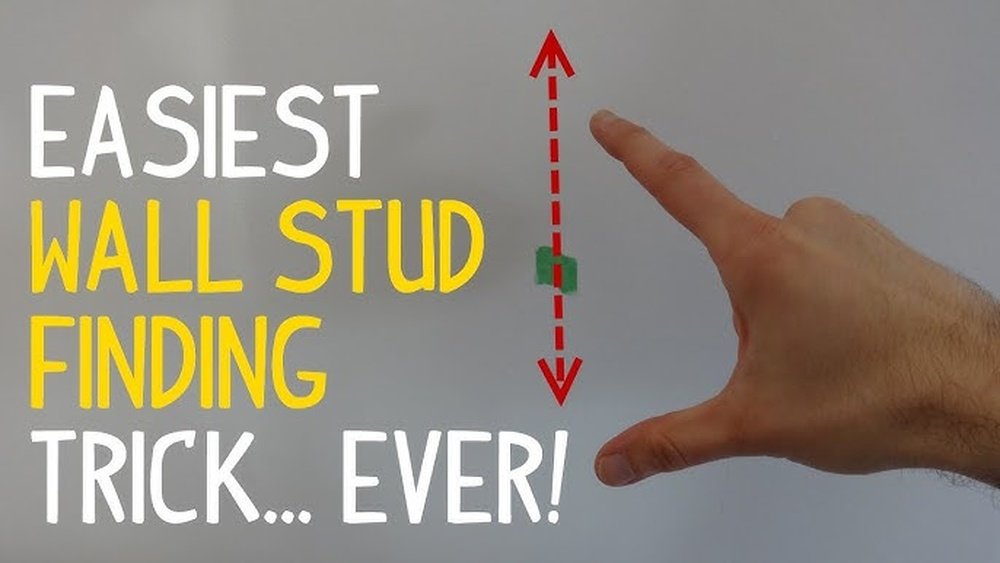
Finding a stud in the ceiling might sound simple, but when I tried it for the first time, I realized it’s not as easy as just knocking and guessing. If you want to hang something heavy, like a punching bag or a ceiling fan, you can’t risk missing the stud.
I’ve made mistakes in the past—once, my first light fixture crashed down the next morning because I thought I “felt” the stud. I want to share everything I learned, step by step. I’ll keep things clear and use plain English, just like I’m talking to a friend over coffee.
If you’re nervous about drilling into your ceiling, you’re not alone. Let’s walk through this together, so you’ll have the confidence to find that stud for good.
Why Finding A Stud In The Ceiling Matters
When I first moved into my old apartment, I tried to hang a plant right above the kitchen table. I used a plastic anchor straight into the drywall. Two days later, the pot came crashing down. That’s how I learned the hard way—ceiling drywall can’t hold much weight. Studs are solid wood beams that give real support.
If you want to hang anything heavier than a small lamp, you need to find the stud. Otherwise, the thing you hang could fall and hurt someone, or damage your ceiling.
How Ceilings Are Built: What Are You Looking For?
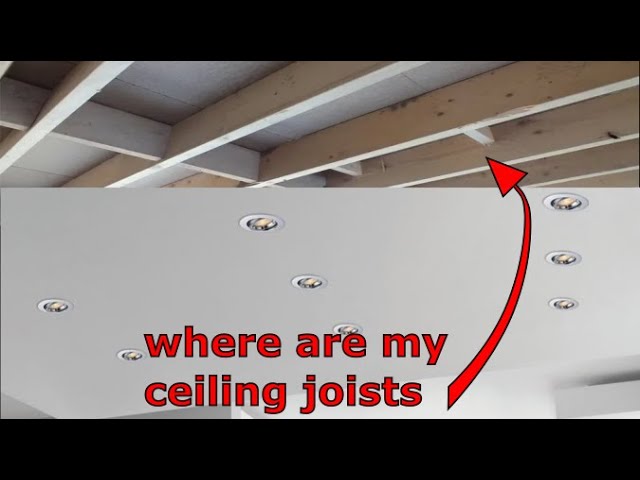
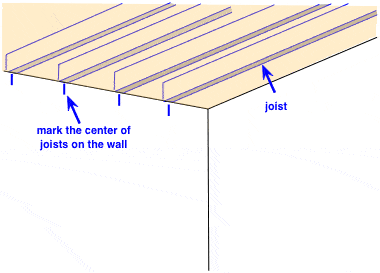
Before you start, it helps to know what’s above your head. Most ceilings in North America are made with wood joists (another word for ceiling studs). These are strong beams that run across the ceiling. Drywall is screwed to them. The joists are usually spaced either 16 inches or 24 inches apart. Some older homes may be different, but that’s the usual distance.
Here’s a quick comparison of two common types of ceiling framing I’ve come across:
| Type | Spacing | Material | Best For |
|---|---|---|---|
| Wood Joist | 16 or 24 in. | Pine or Fir | Hanging heavy things |
| Metal Joist | 24 in. | Steel | Commercial buildings |
Knowing what you’re working with will make the job easier.
Tools That Make Stud-finding Easier
I used to think you could just knock on the ceiling and listen for a solid sound. That sometimes works, but it’s not foolproof. These days, I use a few tools for the job:
- Stud finder – This is my favorite. It’s an electronic device that senses changes in density behind the drywall. Some models even beep when you hit the edge of a stud.
- Tape measure – Helps check for joist spacing.
- Flashlight – For looking in attic access or at ceiling texture.
- Drill or small nail – For making a test hole once you think you found the stud.
- Painter’s tape – To mark your spot without making a mess.
I once tried using a magnet, hoping it would find the screws holding the drywall to the joist. It sometimes works, but it’s not always reliable in the ceiling. If you have a stud finder, use it!
Steps To Find A Stud In The Ceiling
Let’s get to the actual process. I’ve tried lots of ways over the years, and here’s what works best for me.
1. Look For Clues
Start by looking around the area. If you see a ceiling light fixture, it’s almost always attached to a stud or joist. Sometimes, you can even see a little bump or line in the paint where the joist is.
Windows and walls also give clues. Joists often run perpendicular to the shortest room dimension. For example, in a 10×12 foot room, the joists probably go across the 10-foot span.
2. Use A Stud Finder
Hold the stud finder flat to the ceiling and move it slowly. Start near a wall, because the first joist is usually close to the edge. My tip: run the finder in a straight line, and keep it level. When it beeps or lights up, you’ve found the edge. Mark this spot with a piece of painter’s tape. Move a few inches and go again. When it lights up again, that’s the other edge of the joist.
I always make a small pencil mark between the two pieces of tape. That’s the center, and it’s the strongest spot for hanging heavy things.
3. Measure From The Wall
Once you find one stud, measure 16 or 24 inches from your spot. Run the stud finder again. If it goes off, you know the joists are spaced evenly.
Here’s a quick guide I made to remember the most common distances:
| Distance from Wall | Type of Room | Usual Joist Spacing |
|---|---|---|
| 16 in. | Bedroom, Kitchen | Standard |
| 24 in. | Garage, Basement | Wider Joists |
4. Check In The Attic (if You Can)
If you have access to the attic, you can look for the joists directly. I’ve crawled up there many times, flashlight in hand, just to double-check. This is the most reliable method, but not always possible in apartments or finished homes.
5. Knock And Listen
I use this as a backup method. Tap the ceiling with your knuckles or a broom handle. When you hit a stud, the sound is dull and solid. Between joists, it sounds hollow. This method takes practice and is less reliable if you’re nervous about making mistakes.
Still, it’s a good way to double-check.
6. Use A Test Hole
Once you’re pretty sure, use a small finish nail or a drill with a thin bit. Push it through the ceiling where you made your mark. If you hit resistance, you found the stud. If not, fill the small hole with spackle and try again nearby.
I sometimes use a toothpick in the hole to check for wood dust. If the end feels hard and comes out with wood shavings, you’re on the stud.
Common Mistakes And How To Avoid Them
I learned a few things the hard way. Here are some mistakes I made and how you can avoid them:
- Trusting only the stud finder – Sometimes, pipes or wires trick the stud finder. Always double-check with another method.
- Not measuring twice – If you skip this, you could drill in the wrong spot. Measure from the wall and between marks.
- Ignoring the attic – If you have access, always look. It’s much easier to see the structure from above.
- Rushing – I once drilled five holes in a row because I was in a hurry and missed the stud every time. Take your time.
- Drilling too big of a test hole – Start with a small nail or drill bit. Large holes are hard to fix.
What If Your Ceiling Is Concrete Or Metal?
Not all ceilings have wood joists. If you live in a newer apartment or a commercial building, you might have metal or concrete above you. Here’s what I noticed:
- Metal joists: You can still use a stud finder, but you’ll need special screws for metal, not wood.
- Concrete: A stud finder won’t work. You’ll need a hammer drill and anchors made for concrete. Hanging heavy things is possible, but harder.
If you’re not sure, tap the ceiling. Concrete sounds very solid, while drywall over a joist sounds different. When in doubt, ask your landlord or a contractor for advice.
Safety Tips Before You Drill
I always check for safety before making any holes:
- Look for wires: Most wires run parallel to the joists. Don’t drill right next to light fixtures unless you’re sure.
- Wear safety glasses: Even small holes can drop dust in your eyes.
- Use a ladder safely: I once stood on a chair, and it wobbled. Always use a ladder with someone holding the base if possible.
- Don’t overload: Even if you find the stud, check the weight limit for the hook or anchor you’re using.
How Much Weight Can A Ceiling Stud Hold?
This was a question I asked myself when I wanted to hang a heavy swing. The answer depends on:
- The size of the joist
- The condition of the wood
- The type of hook or anchor you use
In general, a 2×6 or 2×8 wood joist in good shape can hold 50 to 100 pounds with the right hardware. Always check the packaging on the hook for weight limits.
Alternative Methods If You Can’t Find A Stud
Sometimes, the stud just isn’t where you want it. Here’s what I do in those cases:
- Use a toggle bolt or molly anchor for lighter loads (less than 20 pounds)
- Add a wooden board between two joists in the attic, then hang from the board
- Adjust where you want to hang your item, so it lines up with a stud
For really heavy items, I never trust drywall anchors alone. It’s not worth the risk.
Real-life Example: Hanging A Ceiling Fan
Last summer, I installed a new ceiling fan in my living room. I used my stud finder, measured from the wall, and double-checked in the attic. I drilled a small test hole and felt the bit catch on solid wood.
The fan has been up ever since, and it’s rock-solid. When in doubt, always go slow and check your work.
Non-obvious Tips Most People Miss
After many tries, I noticed a couple things you might not hear elsewhere:
- Ceiling texture can hide clues: Sometimes, “popcorn” or textured ceilings make it hard to see the lines where the joists run. Shine a flashlight at an angle—you might see a faint shadow where the stud is.
- Odd stud spacing: In older homes, stud spacing isn’t always 16 or 24 inches. I once found a joist at 19 inches! Always check more than once.
- Ceiling joists can twist: Over the years, wood can move. That’s why a stud finder might beep in one spot, but the joist actually shifts a few inches away further down. Move your finder slowly and check the full length if you want to be sure.
When To Call A Pro
If you’re not comfortable, or if you find pipes or wires where you want to drill, it’s smart to call a handyman or contractor. They have special tools and know how to avoid mistakes. I’ve saved time and money by asking for help when I’m unsure.

Frequently Asked Questions
What Is The Easiest Way To Find A Ceiling Stud?
In my experience, the easiest way is to use a stud finder. Move it slowly along the ceiling until it signals a stud. Always double-check by measuring and tapping for a solid sound.
Can I Hang Something Heavy If I Can’t Find A Stud?
I wouldn’t recommend it. Drywall alone can’t hold much weight. If you really have no stud, use heavy-duty anchors for light items only. For anything over 20 pounds, find a stud or get help from a pro.
Are Ceiling Studs Always 16 Or 24 Inches Apart?
Most of the time, yes. But I’ve seen older homes with odd spacing, like 19 inches. Always check more than once to be sure.
Can I Damage Wires Or Pipes When Looking For A Stud?
Yes, it’s possible. Most wires run along the joists, but sometimes they go through them. If you’re near a light or bathroom, be extra careful. If you’re unsure, call a professional.
Is There A Way To Find Ceiling Studs Without A Stud Finder?
Yes, but it’s harder. You can tap and listen for a solid sound, look for clues like light fixtures, or check in the attic. You can also use a thin nail to test, but go slow and patch any small holes you make.
Finding a stud in the ceiling can seem scary at first, but with patience and a few tricks, you can do it safely. Take your time, double-check your work, and don’t be afraid to ask for help if you need it. For more details on building structures, you can check this Wikipedia page on joists. I hope my experience helps you avoid the mistakes I made and gives you confidence for your next project!
As an Amazon Associate, We earn from qualifying purchases