
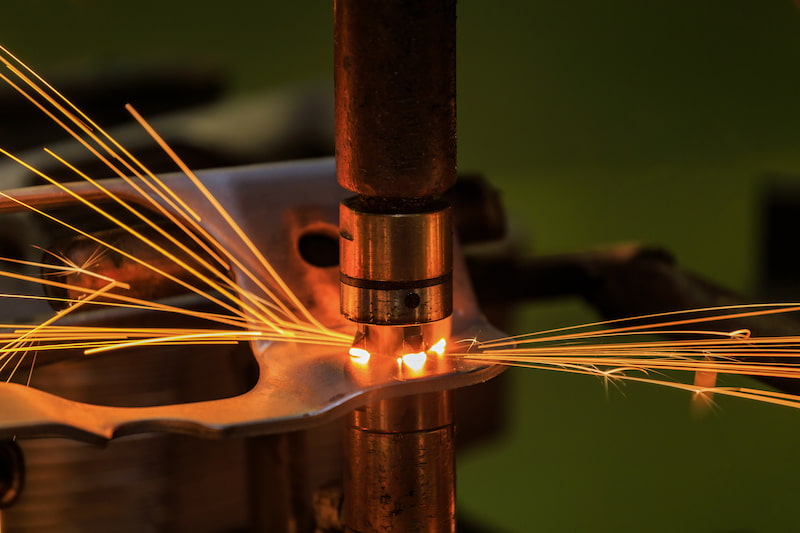
When I first saw a spot welder in action, I was amazed. Two pieces of metal joined together in just seconds, with a bright flash and a small puff of smoke. It looked almost like magic. But after using spot welders in my own projects, I learned there’s a lot going on behind that quick zap.
If you’re curious about how a spot welder works and what’s actually happening when you press those handles together, let me share what I’ve learned through hands-on experience.
What Is A Spot Welder?
A spot welder is a machine that joins two metal sheets by pressing them together and passing a strong electric current through the contact point. You might have seen them in car factories, making the seams in car bodies, or maybe in a home workshop, joining thin metal pieces for DIY projects.
When I first used a spot welder, I noticed how simple it looked—just two arms, some cables, and a power switch. But behind this simple look is a clever process that uses heat, pressure, and electricity in just the right way. The result is a strong, clean weld at the exact spot where the two metal pieces meet.
The Science Behind Spot Welding
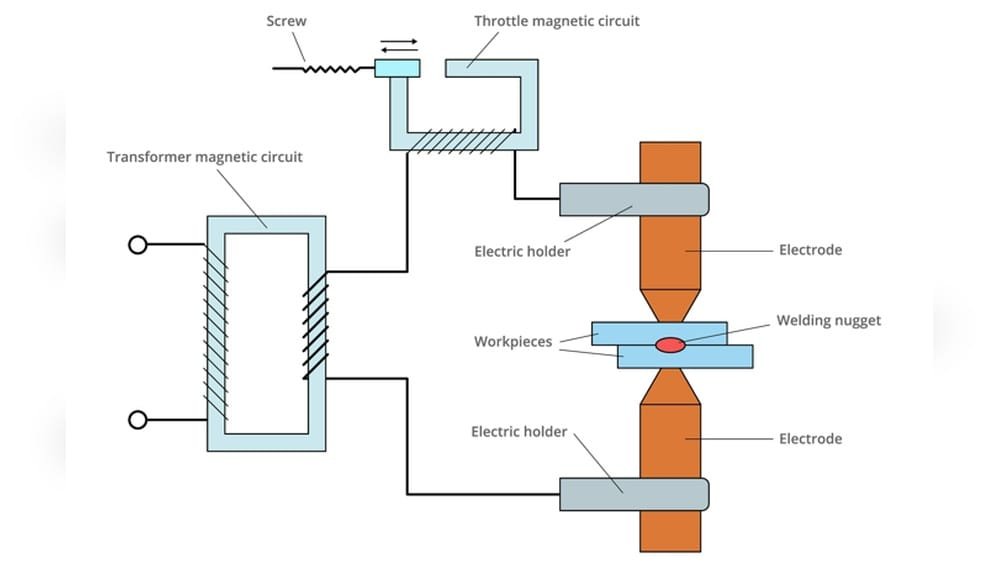
Spot welding works by using resistance heating. Let me break down what happens, step by step, when you use a spot welder:
- The welder has two copper electrodes. These are the tips that touch the metal.
- You place the two metal sheets between these electrodes.
- When you press the handle (or foot pedal), the electrodes squeeze the metal together.
- The machine sends a short burst of high electric current through the electrodes. This current passes through the metals right where they touch.
- Because the metals resist the flow of electricity, they get hot—very hot, but only at the contact point.
- This heat melts the metal at the spot, and the pressure from the electrodes helps fuse the pieces together.
- The current stops, the metal cools, and you have a solid weld.
The key is that the heat is created only at the spot where the metals touch. The copper electrodes stay cool because copper doesn’t resist electricity as much as steel. This keeps the heat focused and avoids burning the whole piece.

Main Parts Of A Spot Welder
After working with a few different machines, I noticed all spot welders have some basic parts in common. Here’s what you’ll find:
| Part | What It Does |
|---|---|
| Electrodes | Made of copper, they press against the metal and deliver the electric current. |
| Arms | Hold the electrodes and help apply pressure. |
| Transformer | Changes high voltage from the wall into low voltage, high current for welding. |
| Timer/Control | Controls how long the current flows, so the weld is just right. |
| Cooling System | Keeps electrodes and internal parts cool during work. |
When I built my first battery pack, I remember the copper electrodes getting warm after a few welds. That’s why cooling—like water lines running through the arms—makes a big difference if you’re doing lots of spot welds in a row.
Types Of Spot Welders
There’s more than one type of spot welder, and each serves different needs. Here are the main ones I’ve used or seen:
1. Handheld Spot Welders
These are small and portable. I’ve used them for battery tabs and thin metal sheets. They’re easy to handle but not as powerful as bigger machines.
2. Bench Spot Welders
These sit on a workbench. They have a foot pedal, so you can hold the metal with both hands. I use these for small parts and hobby projects.
3. Pedestal Spot Welders
Much larger, with a heavy frame. You see these in workshops and small factories. They can weld thicker metal and run for longer.
4. Robotic Spot Welders
Used in car factories and big production lines. Robots move the arms to weld many spots quickly and with great accuracy.
Each type has its strengths. For home use, a handheld or bench welder is usually enough. But for cars or industrial work, you need the power and speed of a pedestal or robotic machine.

How To Use A Spot Welder: My Step-by-step Process
When I first tried spot welding, I was nervous. But after a few tries, I found a simple routine that works every time:
1. Prepare The Metal
Clean the surfaces where you want to weld. Even a thin layer of rust or oil can ruin the weld. I use a wire brush or sandpaper.
2. Set Up The Welder
Adjust the arms and electrodes so they line up with the spot you want to weld. If your welder has a timer, set it to the right value for your metal thickness.
3. Position The Metal
Place the metal sheets between the electrodes. Make sure they’re flat and pressed together with no gaps.
4. Apply Pressure
Close the handles or press the foot pedal to squeeze the metals together. Good pressure is key for a strong weld.
5. Start The Weld
Trigger the welder. You’ll hear a buzz or click, and see a bright spark. The current flows for just a second or two.
6. Release And Check
Let go of the pressure and check your weld. It should look like a small, round mark. Try to pull the pieces apart. If they stay together, you did it right.
7. Repeat
Move to the next spot and repeat the process.
One mistake I made early on was not cleaning the metal enough. Even a little dirt can cause a weak weld. Now, I always spend a few extra seconds brushing off the metal before every weld.
Spot Welding Vs. Other Welding Methods
People often ask me why I choose spot welding over other methods. Here’s how spot welding compares to some common welding types:
| Welding Type | Best For | Main Benefits | Main Drawbacks |
|---|---|---|---|
| Spot Welding | Sheet metal, battery tabs | Fast, no filler, minimal heat spread | Limited to thin metals, only works on overlap joints |
| MIG Welding | Thicker metal, repairs | Versatile, strong joints, can weld many shapes | Slower, more heat, needs filler wire |
| TIG Welding | High-quality, delicate work | Precise, clean welds, can weld many metals | Slow, needs skill, expensive |
| Arc Welding | Structural steel, outdoor work | Simple gear, strong welds | Messy, less control, more heat spread |
I pick spot welding when I need speed and don’t want to add any extra material. It’s perfect for joining battery cells, making metal boxes, or fixing thin car parts. But for thicker metal or different joint shapes, I switch to MIG or TIG welding.
Factors That Affect Spot Weld Quality
From my experience, getting a good spot weld depends on a few key things:
- Material Thickness: Thinner metals weld easier. If the metal is too thick, the heat won’t melt through both layers.
- Cleanliness: Dirt, oil, or paint can block the current and weaken the weld.
- Pressure: Too little pressure, and the weld is weak. Too much, and you squash the metal or damage the electrodes.
- Current and Time: Not enough current, the weld won’t form. Too much, and you burn holes through the metal.
I once tried to weld stainless steel with settings meant for mild steel. The welds just didn’t hold. That’s when I learned to always check the settings and make a few test welds before starting a real project.
Common Mistakes And How To Avoid Them
I’ve made my share of mistakes with spot welders. Here are some that beginners (and even experienced welders) sometimes make:
- Dirty Surfaces: Always clean the metal before welding.
- Wrong Settings: Adjust the timer and current for your specific metal.
- Not Enough Pressure: Make sure the electrodes squeeze the metal firmly.
- Overheating Electrodes: Take breaks and let them cool, or use a welder with water cooling.
- Welding Too Close to the Edge: Weld at least one electrode diameter away from the edge, or the metal may burn through.
Avoiding these mistakes made my welds much stronger and more reliable.
Safety Tips I Learned
Spot welding is safer than some other types, but there are still real risks. Here’s what I always do:
- Wear eye protection to guard against sparks.
- Use gloves to avoid burns and electric shock.
- Work in a well-ventilated area to avoid breathing smoke.
- Keep water away from the welder’s electrical parts.
One thing that surprised me: the electrodes can get very hot, even if you don’t see any flames. I burned my fingers once by touching them too soon after a weld. Now I wait a minute before handling the tips.
Applications Of Spot Welding
I’ve used spot welders for all sorts of jobs, but they’re most common in these areas:
- Automotive manufacturing: Car bodies have thousands of spot welds.
- Battery packs: Joining nickel strips to battery cells.
- Sheet metal work: Making boxes, trays, and cases.
- Home repairs: Fixing metal furniture, tools, or appliances.
It’s amazing to think how many things around us are held together by spot welds. Next time you see a car door or a metal toolbox, there’s a good chance a spot welder was involved.
Spot Welder Maintenance: What I’ve Learned
A spot welder can last for years if you take care of it. Here are a few tips that have helped me:
- Keep the electrodes clean: File or sand them if they get dirty or pitted.
- Check cables and connections: Loose wires can cause weak welds or sparks.
- Clean out dust: Dust can block cooling and damage parts.
- Lubricate moving parts: Keeps the arms and hinges working smoothly.
I set a reminder to check my welder every few months, especially if I’ve done a big project. It saves time and money in the long run.
Real-world Example: Building A Battery Pack
One of my favorite projects was building a custom battery pack for my electric bike. I used a small handheld spot welder and nickel strips. Here’s what I noticed:
- Fast and clean welds: Each weld took less than a second.
- No extra heat: The battery cells didn’t get too hot.
- Strong connections: The nickel strips stayed tight, even after months of use.
If I had tried soldering, the batteries could have overheated and failed. Spot welding was the safe and reliable choice.
How To Choose The Right Spot Welder
If you’re thinking about getting a spot welder, here’s what I suggest looking for:
- Power rating: Make sure it can handle the thickness of metal you want to weld.
- Electrode size: Bigger electrodes for bigger jobs.
- Cooling system: Water cooling is best for lots of welding.
- Control features: Timers and adjustable current give better results.
- Build quality: A sturdy frame and good cables last longer.
Compare features and prices before you buy. A good spot welder is an investment that can pay off for years.
If you want to dig even deeper into the technical side, the Wikipedia page on spot welding has lots of useful details.
Frequently Asked Questions
What Metals Can You Spot Weld?
You can spot weld steel, stainless steel, and nickel easily. Aluminum is possible but needs special settings because it conducts heat and electricity very well. Most spot welders in home workshops work best with steel.
How Thick Can The Metal Be For Spot Welding?
Most spot welders can handle metal up to 3 mm thick per layer. For thicker metals, you need a bigger welder with more power. If you try to weld very thick pieces, the heat may not reach the middle, and the weld will be weak.
Is Spot Welding Safe For Batteries?
Yes, spot welding is the safest way to join battery tabs, especially for lithium-ion cells. It uses less heat than soldering, so there’s less risk of damaging the battery. Still, always wear safety gear and avoid short circuits.
Why Are Copper Electrodes Used In Spot Welders?
Copper is used because it conducts electricity very well and doesn’t get hot as easily as other metals. This keeps the heat focused on the weld spot instead of spreading to the electrodes.
How Can You Tell If A Spot Weld Is Good?
A good spot weld looks smooth and shiny with no holes or burn marks. Try to tear the pieces apart. If the metal breaks before the weld does, you’ve made a strong weld.
Spot welding has made many of my projects easier and more fun. With a little practice and the right knowledge, you can create strong, neat metal joints in seconds. If you ever get a chance to try a spot welder, I think you’ll be just as fascinated as I was.
As an Amazon Associate, We earn from qualifying purchases