
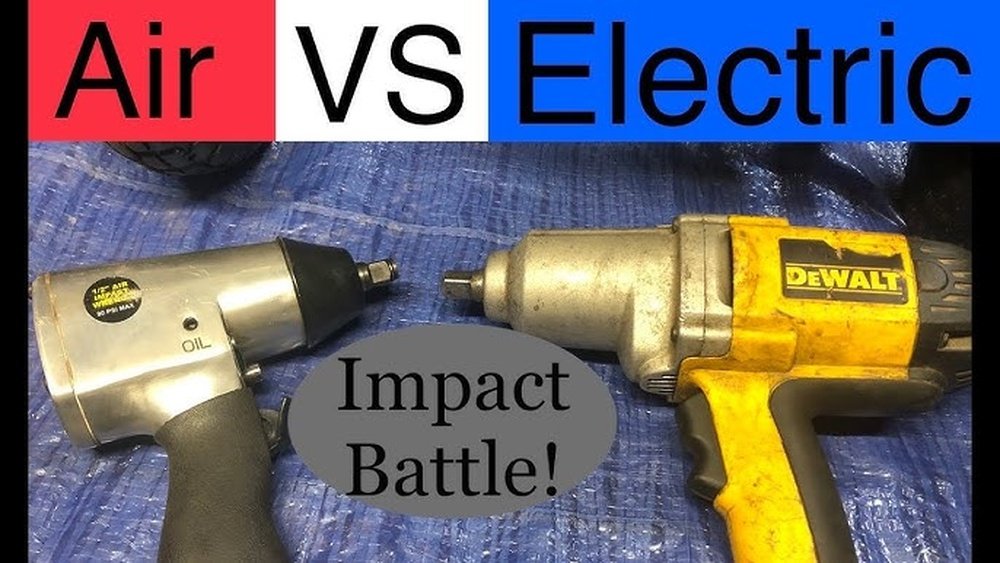
Many people who work with cars, machines, or construction tools often need to loosen or tighten tough bolts. Two of the most popular tools for this job are the electric impact wrench and the air impact wrench. While both tools look similar and do the same basic task, they have important differences. Choosing the right one can save you time, money, and effort. But with so many options, how do you know which is best for your needs?
This article will give you a clear, detailed comparison of electric vs air impact wrenches. You’ll learn how each tool works, where each shines, and what to watch out for as a buyer. Whether you are a hobbyist, mechanic, or DIY lover, this guide will help you make a confident decision.
How Impact Wrenches Work
An impact wrench is a powerful tool that delivers sudden, strong bursts of force. This force helps break loose stuck nuts and bolts or tighten them securely. The key is the “impact” mechanism, which builds up energy and releases it quickly. This action is much stronger than you could achieve with just your hands.
There are two main types:
- Electric impact wrenches: Use electricity (corded or battery power).
- Air impact wrenches: Use compressed air from an air compressor.
Both types use a hammering action, but their power sources and designs make a big difference in real-world use.
Electric Impact Wrench: Features And Benefits
The electric impact wrench is powered by electricity. You can find two main styles:
- Corded: Plugs into a wall outlet.
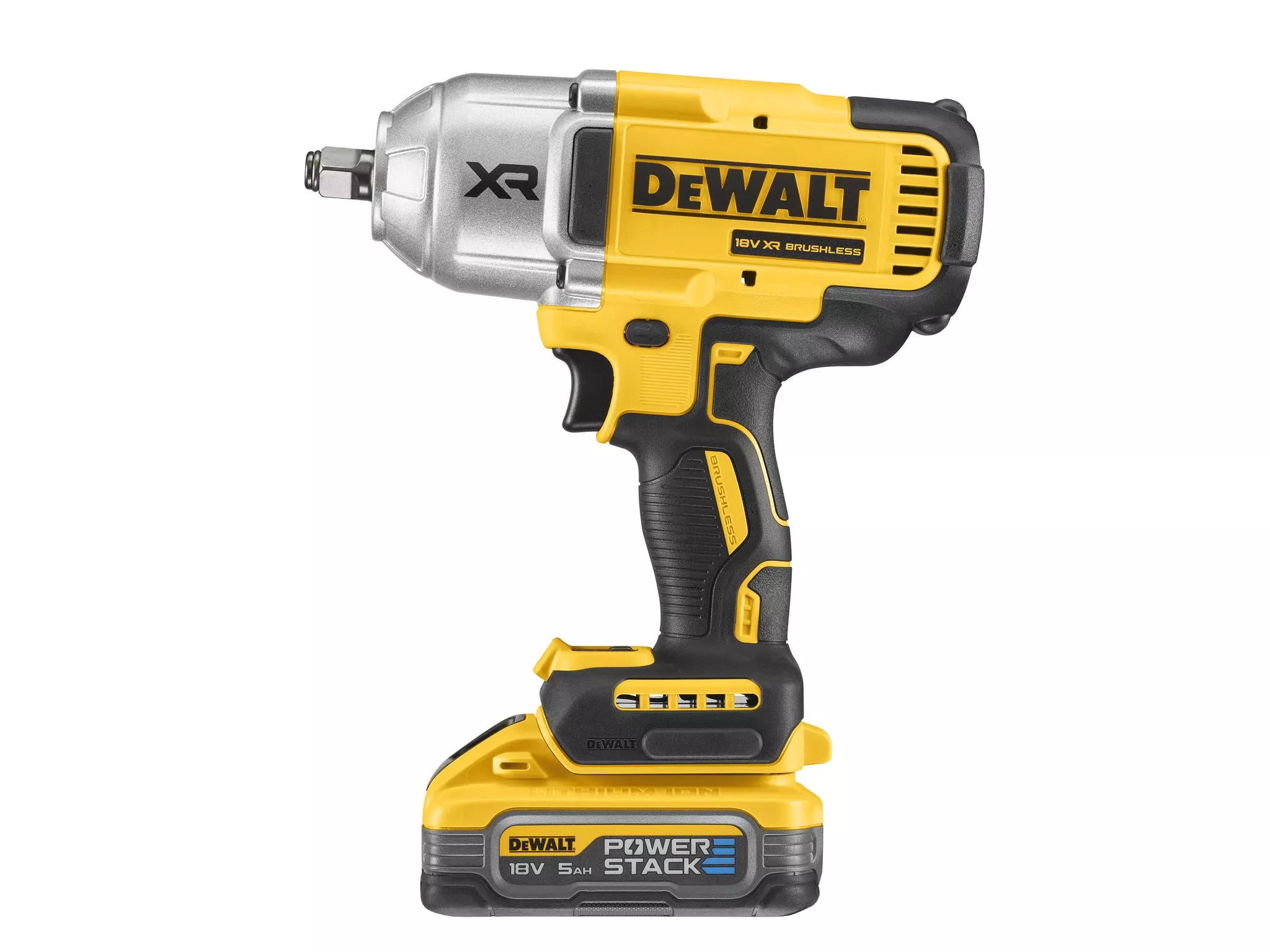
- Cordless (battery-powered): Uses rechargeable batteries, usually lithium-ion.
Key Advantages
- Easy to use: Just plug in or charge the battery.
- Portable: Especially cordless models, which you can take anywhere.
- No air compressor needed: Saves space and money.
- Quieter: Less noisy than air wrenches.
- Good for most jobs: Modern electric models are powerful enough for many tasks.
Common Limitations
- Battery life: Cordless models may run out of power during big jobs.
- Less power: Corded and cordless versions usually offer less torque than air wrenches.
- Heavier: Batteries add weight, making them harder to hold for long periods.
Popular Uses
- Changing car tires
- Home repairs
- Light to medium automotive work

Air Impact Wrench: Features And Benefits
The air impact wrench (also called pneumatic impact wrench) uses compressed air as its power source. It’s a classic tool in auto shops and industrial settings.
Key Advantages
- High torque: Delivers very strong force, great for tight or rusty bolts.
- Lightweight: No heavy battery, so the tool is easier to handle.
- Durable: Fewer electronics means less that can break.
- Continuous use: No battery to run down; keeps working as long as you have air.
Common Limitations
- Needs an air compressor: Adds cost and takes up space.
- Less portable: Hard to use away from your shop or garage.
- Noisy: Very loud, often needs ear protection.
- Maintenance: Requires oiling and caring for both tool and compressor.
Popular Uses
- Professional auto shops
- Tire changing businesses
- Industrial assembly lines
Side-by-side Comparison
It can help to see the main differences in one place. Below is a quick look at how electric and air impact wrenches compare in important areas.
| Feature | Electric Impact Wrench | Air Impact Wrench |
|---|---|---|
| Power Source | Electricity (corded or battery) | Compressed air |
| Torque | Moderate to high | Very high |
| Weight | Heavier (cordless); Lighter (corded) | Lighter tool, but compressor is heavy |
| Portability | Excellent (cordless) | Poor (needs compressor) |
| Noise | Quieter | Louder |
| Maintenance | Low | Higher (needs oiling) |
| Price | $$ | $$$ (with compressor) |
Torque And Power: What Really Matters
Torque is the twisting force that makes an impact wrench powerful. The higher the torque, the easier it is to loosen stubborn bolts. Air impact wrenches usually deliver more torque than electric ones. For example, a high-end air model can reach over 1,200 ft-lbs of torque, while most cordless electric wrenches stay between 200–700 ft-lbs.
This does not mean electric tools are weak. Many modern battery-powered wrenches can handle common jobs like lug nuts or suspension bolts. But for heavy-duty work, such as truck repairs or large equipment, air wrenches win.
One detail beginners miss: torque ratings on tool boxes can be misleading. Some brands list “maximum breakaway torque,” which is higher than the tool’s normal working torque. Always check real user reviews or ask professionals before believing the numbers.
Portability And Convenience
Electric impact wrenches, especially cordless models, are much easier to move around. You can carry them in your car, take them to a friend’s house, or use them outdoors. There is no need for hoses or power cords (if battery-powered).
Air impact wrenches are tied to the compressor. Even small compressors weigh 20–50 pounds and need a power source. If you want to work far from your garage, an electric model is the smarter choice.
A surprising downside for new users: air hoses can be a tripping hazard. You need to manage the hose at all times, which slows you down and can be dangerous in a messy workspace.
Cost: Upfront And Over Time
The price difference is bigger than most people realize. Here’s a simple breakdown:
| Item | Electric Impact Wrench | Air Impact Wrench |
|---|---|---|
| Tool Only | $100 – $350 | $100 – $300 |
| Power Source | Wall outlet or battery ($40–$100) | Air compressor ($150–$500+) |
| Maintenance | Low | Moderate (oiling, filters) |
| Total Setup Cost | $$ | $$$ |
An electric impact wrench is usually cheaper if you don’t already own an air compressor. But if you already have a compressor for other tools, the cost difference is smaller.
One extra tip: batteries for cordless models don’t last forever. Replacement batteries can be expensive, so factor that into your long-term costs.
Maintenance And Durability
Air impact wrenches are simple and can last many years, even with heavy use. But they need regular oiling (usually a few drops before each use) and clean, dry air. Water or dirt from the compressor can damage the tool.
Electric impact wrenches need less maintenance. Just keep them clean and avoid dropping them. The main part that wears out is the battery (for cordless models). Over time, batteries lose their ability to hold a charge.
A little-known fact: air tools can freeze up in cold, wet conditions if water gets into the lines. Electric tools don’t have this problem.

Noise And Comfort
Most people are surprised by how loud air impact wrenches are. They often reach 90–100 decibels, which is as loud as a motorcycle. You should always wear ear protection.
Electric models are quieter, usually between 70–85 decibels. This is much more comfortable for home use or if you share space with others.
Vibration is another comfort factor. Both types can shake your hand after long use, but lighter air models are usually easier to control, reducing fatigue.
Choosing The Right Tool For Your Needs
There is no single “best” impact wrench. The right choice depends on your situation. Here are some common scenarios and what works best:
- Home users and DIYers: A cordless electric impact wrench is usually best. It’s easy to use, portable, and powerful enough for car tires, brakes, and most home repairs.
- Professional auto shops: Air impact wrenches are the standard. They offer more torque and can run all day without stopping for a battery charge.
- On-the-go mechanics: Cordless electric models are ideal for roadside assistance or remote work.
- Budget buyers: If you don’t have an air compressor, electric is cheaper. If you already own a good compressor, an air tool might make sense.
- Heavy-duty jobs: Large trucks, tractors, or rusty bolts often need the extra power of an air impact wrench.
Common Mistakes To Avoid
Many new buyers regret their first impact wrench purchase because they overlook these details:
- Ignoring power source needs: An air impact wrench is useless without a compressor. Don’t forget to check the required air pressure (measured in CFM and PSI).
- Underestimating torque needs: If you work on trucks or heavy equipment, don’t buy a weak electric model.
- Choosing the wrong drive size: Most car jobs use 1/2-inch drive. Heavy equipment may need 3/4-inch or 1-inch.
- Not considering future needs: If you plan to get more air tools, buying a compressor now may save money later.
- Skipping battery research: Check how long batteries last and how expensive replacements are.
Real-world Example
Let’s imagine two mechanics:
- Sarah works in a busy auto shop. She uses an air impact wrench connected to a large compressor. She never worries about running out of power, and she needs the extra torque for rusted bolts.
- Mike is a weekend DIYer. He changes his own car tires and helps friends. He chooses a cordless electric impact wrench. It’s easy to store, carry, and use anywhere, and he never has to buy or maintain a compressor.
Both are happy, because they picked the tool that matches their real needs.
Environmental And Safety Considerations
Air compressors use a lot of electricity and can be noisy for neighbors. Electric models are usually more energy-efficient, especially for small jobs.
For safety, always wear eye and ear protection. Impact wrenches can send metal pieces flying, and the noise can damage hearing. Keep your workspace clean to avoid tripping over hoses or cords.
Tips For Getting The Most From Your Impact Wrench
- Use the right sockets: Impact sockets are stronger than regular ones and won’t shatter.
- Don’t overtighten: Both tool types can break bolts if you’re not careful. Use a torque wrench for final tightening.
- Keep batteries charged: For cordless models, always have a spare battery ready.
- Oil your air tools: A few drops of oil before each use keeps them running smoothly.
Summary Table: Electric Vs Air Impact Wrench
Here’s a quick summary to help you decide:
| Situation | Best Choice | Why |
|---|---|---|
| Home & DIY | Electric (cordless) | Portable, easy, no compressor needed |
| Professional shop | Air | High power, runs all day |
| Heavy-duty work | Air | Maximum torque |
| Remote jobs | Electric (cordless) | Works anywhere |
| Small budget | Electric | Lower total cost |
Frequently Asked Questions
What Is The Main Difference Between An Electric And Air Impact Wrench?
The main difference is the power source. Electric impact wrenches use electricity from a wall outlet or battery. Air impact wrenches use compressed air. This affects their power, portability, and price.
Are Electric Impact Wrenches Strong Enough For Car Tires?
Yes, most modern electric impact wrenches—especially 1/2-inch models—are strong enough to remove and tighten car lug nuts. Make sure the tool’s torque rating matches your vehicle’s needs.
Do I Need Special Sockets For An Impact Wrench?
Yes, always use impact-rated sockets. Regular sockets can crack or shatter because they are not designed for the high force of an impact wrench.
How Much Air Does An Air Impact Wrench Need?
Most 1/2-inch air impact wrenches need about 4–6 CFM at 90 PSI. Check your compressor’s rating to make sure it can supply enough air for continuous use.
Which Tool Lasts Longer: Electric Or Air Impact Wrench?
Air impact wrenches usually last longer with proper care, because they have fewer moving parts and no electronics. But electric models can also last many years if used and stored correctly.
For more in-depth details on impact wrenches and their uses, you can visit the Wikipedia page on impact wrenches.
Choosing the right tool can make tough jobs easier and safer. Think about your own needs, budget, and workspace before buying. With the right impact wrench, you’ll finish your projects faster and with less effort.
As an Amazon Associate, We earn from qualifying purchases