
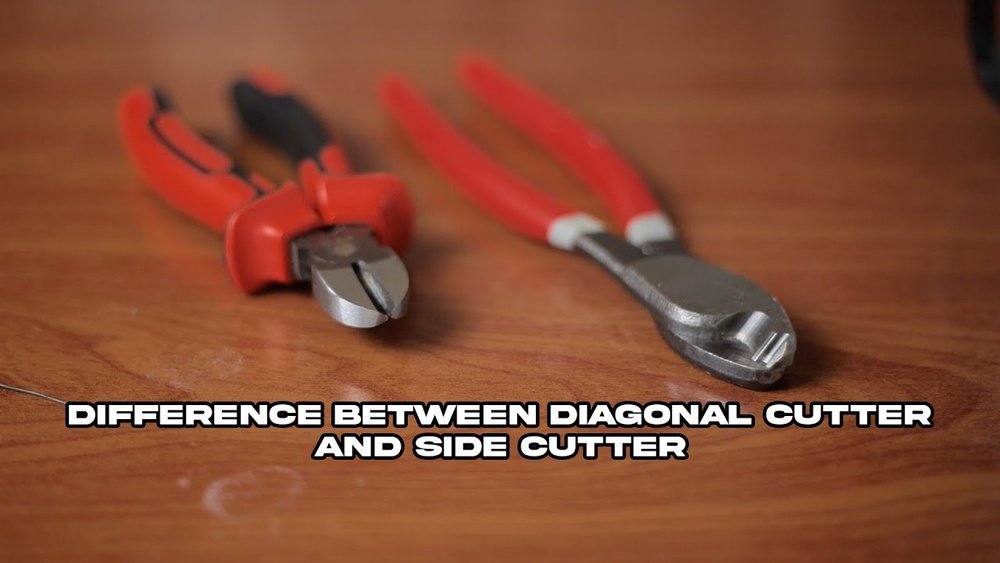
When you walk down the tool aisle, you might see both diagonal pliers and side cutters on display. At first glance, these tools look almost the same. Many people, even some professionals, use the terms as if they mean exactly the same thing. But are they really identical? Or do they have important differences? If you work with wires, electronics, or any kind of DIY project, understanding these tools can save you time, money, and frustration.
This article will help you see what sets diagonal pliers and side cutters apart. We’ll dive into their uses, design features, strengths, and weaknesses. You’ll learn what to choose for your next job, and even pick up some insights that most beginners miss. Whether you’re building a robot or just fixing a lamp, the right tool makes all the difference.
What Are Diagonal Pliers?
Diagonal pliers are sometimes called diagonal cutters, diags, or even just dikes in the trade. Their main job is to cut wire. The cutting edges are set at an angle, not straight across. This unique angle is where the “diagonal” name comes from. When you squeeze the handles, the sharp jaws close in a way that slices through wire cleanly.
Most diagonal pliers are made from hardened steel. This means the jaws stay sharp longer, even with regular use. Sizes range from small 4-inch models for electronics to 8-inch or larger for heavier wires. The handles are usually insulated to protect you from shocks, but you should always check if they are rated for electrical safety.
Diagonal pliers are found in toolboxes everywhere—from electricians and mechanics to jewelry makers. Their shape makes them perfect for reaching into tight spaces and snipping off wires close to a surface.
Non-obvious insight: Diagonal pliers are not designed for grabbing or twisting wires. Using them for anything other than cutting will damage the jaws and dull the edges quickly.
What Are Side Cutters?
The term side cutters is often used as another name for diagonal pliers. However, sometimes it refers to a broader group of tools with similar cutting action. Side cutters cut wire using edges on the side of the jaws, not at the very tip. This lets you cut flush against a surface, which is useful for getting rid of extra wire ends or making a neat finish.
Some side cutters are integrated into other pliers like combination pliers or lineman’s pliers. These might have both gripping jaws and a cutting edge. Others are standalone tools that look almost identical to diagonal pliers.
Side cutters, like diagonal pliers, come in many sizes and handle styles. You’ll find them with longer handles for more leverage, or with spring-loaded designs for easy one-hand use.
Practical tip: Always check the product description and design before buying. In some regions, “side cutter” and “diagonal plier” are the same thing, while in others, side cutters might have extra functions.
Key Differences: Diagonal Pliers Vs Side Cutters
Let’s break down the main differences between these two tools. Sometimes, manufacturers use the names interchangeably, but there are subtle distinctions.
| Feature | Diagonal Pliers | Side Cutters |
|---|---|---|
| Cutting Angle | Diagonal (at an angle) | Typically side or flush to the jaw |
| Primary Function | Cutting wire only | Cutting wire, sometimes grabbing or crimping |
| Jaw Design | Sharp, angled jaws, no gripping surface | May include flat or combination jaws |
| Alternate Names | Diags, dikes | Flush cutters, combination pliers (sometimes) |
| Typical Use | Snipping wire ends, electronics | General wire cutting, multi-use tasks |
Non-obvious insight: Some manufacturers design “flush side cutters” specifically for electronics and jewelry. These cut wires so close to the surface that you can barely feel a bump.
Typical Uses And Applications
Both diagonal pliers and side cutters are essential for anyone working with wire, but their best uses can be different.
Common Uses For Diagonal Pliers
1. Electronics And Circuit Work
Diagonal pliers are perfect for trimming component leads on circuit boards. Their angled jaws let you get in close without damaging nearby parts.
2. Electrical Wiring
Electricians use them to cut copper or aluminum wires during installations. Their strong jaws make quick, clean cuts.
3. Jewelry Making
Small diagonal pliers are used to cut fine wire or soft metals when assembling jewelry pieces.
4. Diy And Home Repairs
Whenever you need to cut cable ties, nails, or even small screws, diagonal pliers are handy.
Common Uses For Side Cutters
1. General Wire Cutting
Side cutters handle most wire types, from electrical cables to fencing wire.
2. Finishing Work
Their flush-cutting jaws leave a neat edge, especially important in electronics or crafts.
3. Combination Tasks
Some side cutters, especially those built into other pliers, can grip, twist, and cut, making them versatile for fieldwork.
4. Removing Fasteners
The side jaw shape lets you nip off nails, staples, or small rivets close to surfaces.
Practical example: If you’re building a model airplane, you’ll need flush side cutters to snip off plastic parts cleanly. Using diagonal pliers might leave a rough edge.
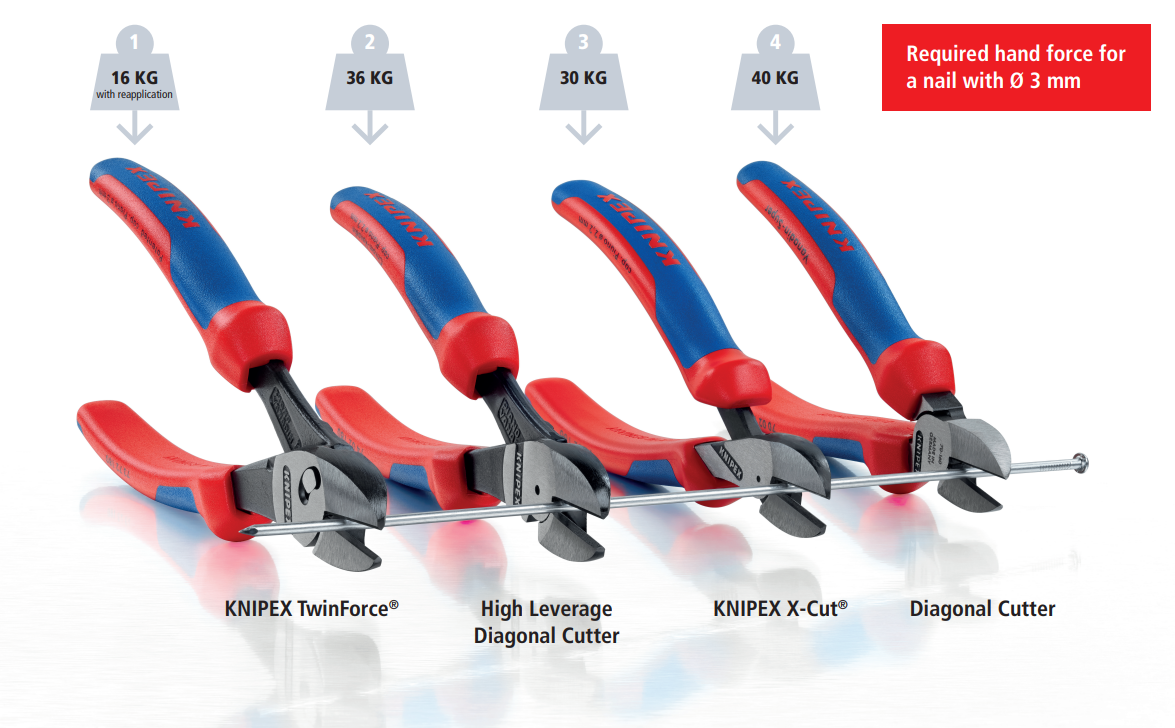
Design And Construction
A closer look at the design shows why each tool performs differently. Most high-quality pliers use chrome-vanadium steel or similar alloys. This material resists rust and keeps the cutting edges sharp.
Handle Styles
- Insulated Handles: Essential for electrical work, these protect against accidental shocks. Always check for a voltage rating before using any tool on live wires.
- Cushion Grip: Reduces hand fatigue during long use. Look for soft, non-slip materials.
- Spring-Loaded: Useful for repetitive jobs. The jaws open automatically after each cut.
Jaw Shapes
- Angled Jaws: Standard on diagonal pliers, allow for cutting close to a surface.
- Flat Jaws: Sometimes found on side cutters, help make flush cuts.
- Micro Jaws: For electronics and fine detail work.
| Jaw Shape | Best For | Drawback |
|---|---|---|
| Angled | Snipping wire ends | Not for flush cuts |
| Flat/Flush | Electronics, jewelry | Can be less durable |
| Combination | Multi-purpose tasks | Bulkier, less precise |
Confident guidance: If you regularly work with circuit boards, always invest in flush-cut side cutters. They make your work neater and reduce the risk of short circuits.
Strengths And Weaknesses
Let’s compare the main strengths and weaknesses of each tool.
Diagonal Pliers
Strengths:
- Clean wire cutting with minimal effort
- Good for reaching into tight spaces
- Durable and long-lasting with proper care
Weaknesses:
- Not suitable for grabbing, twisting, or pulling
- Can’t make perfectly flush cuts
- Using on hard materials (like steel nails) will dull the edge quickly
Side Cutters
Strengths:
- More versatile if combined with other functions (grip, crimp)
- Excellent for flush cutting in delicate work
- Often found in multi-tool designs
Weaknesses:
- Flush jaws can chip if used on hard wire
- Multi-purpose models may not cut as cleanly as dedicated diagonal pliers
- Can be bulkier, making them harder to use in tight spaces
Common mistake: Many beginners try to use either tool to cut hardened steel wire or piano wire. This quickly ruins the cutting edges. Always check the tool’s rated capacity before use.

How To Choose: Factors That Matter
Selecting between diagonal pliers and side cutters depends on your work style and needs. Here are the factors that matter most:
- Type of Material
- For copper, aluminum, and soft steel, either tool works.
- For hard wire, choose a heavy-duty model rated for the task.
- Precision Needed
- For electronics or jewelry, always choose flush side cutters.
- For general home repair, diagonal pliers offer more durability.
- Handle Design
- Insulated handles are a must for electrical work.
- Spring-loaded handles are easier on your hands for repetitive jobs.
- Size and Access
- Smaller pliers fit into tight spaces but provide less cutting force.
- Longer handles give more leverage but can be harder to maneuver.
- Budget
- High-quality tools cost more but last longer and make your work easier.
- Cheap pliers often have misaligned jaws or dull quickly.
Useful tip: Always keep both types in your toolbox if possible. There are jobs where only one will do the job right.
Maintenance And Care
Keeping your tools in good shape means they’ll last for years. A few simple habits go a long way.
- Clean regularly: Wipe off dirt and oil after every use.
- Sharpen occasionally: If the jaws become dull, use a fine file or take them to a professional.
- Lubricate the pivot: A drop of oil keeps the action smooth.
- Store dry: Rust is the enemy. Keep tools in a dry place or a toolbox with silica gel.
Insider advice: Never use diagonal pliers or side cutters as a hammer, pry bar, or for twisting. This is a common beginner mistake that ruins even the best tools.
Real-world Examples
Let’s look at some situations where the right tool makes a difference.
- Electrician wiring a breaker box: Diagonal pliers make quick work of cutting wire, but for the final trim inside a crowded panel, flush side cutters give a neat finish with no sharp ends.
- Hobbyist building a drone: Cutting the excess leads from small electronic components is best done with flush side cutters. Diagonal pliers might leave a small spike that could cause a short.
- Mechanic working on a car: When removing zip ties or plastic fasteners in a tight engine bay, the slim jaws of diagonal pliers reach places bulkier side cutters can’t.
Myths And Misunderstandings
You might hear some myths about these tools. Let’s clear up a few:
- Myth: Diagonal pliers and side cutters are always the same tool.
- Truth: They’re often similar, but flush cutters and combination tools are different in action and result.
- Myth: You can use any wire cutter for any type of wire.
- Truth: Using light-duty cutters on hard wire will destroy them fast.
- Myth: Insulated handles mean you’re safe from all shocks.
- Truth: Only tools rated for electrical safety should be used on live circuits, and always follow safety procedures.
Comparison Table: Quick Reference
Here’s a side-by-side look at when to use each tool:
| Task | Best Tool | Why |
|---|---|---|
| Cutting flush to a surface | Flush side cutters | Leaves no sharp end |
| Cutting thick copper wire | Diagonal pliers | Stronger jaws, cleaner cut |
| Multi-purpose gripping/cutting | Combination pliers with side cutter | Can grip, twist, and cut |
| Electronics assembly | Flush side cutters | Precision, no shorts |
| Removing small nails | Side cutters | Jaw shape allows close cut |
Frequently Asked Questions
What Is The Main Difference Between Diagonal Pliers And Side Cutters?
Diagonal pliers usually have angled jaws designed for cutting wire, while side cutters often refer to flush-cutting tools that cut very close to surfaces. Sometimes the terms are used interchangeably, but flush cutters are more precise for delicate work.
Can I Use Diagonal Pliers Instead Of Side Cutters For Electronics?
You can, but the cut might not be as clean or flush. For electronics, flush side cutters are recommended to prevent sharp ends or shorts.
Are All Side Cutters Also Diagonal Pliers?
Not always. Some side cutters are built into multi-purpose pliers or have jaws designed for flush cutting. Diagonal pliers are a specific type of side cutter with angled jaws.
How Do I Know If My Tool Is Safe For Electrical Work?
Look for insulated handles with a voltage rating. Never assume all tools with plastic handles are safe. Always follow electrical safety guidelines. For more details, see Wikipedia.
How Can I Keep My Pliers Sharp And In Good Condition?
Clean after each use, avoid cutting hard materials, lubricate the pivot, and store in a dry place. Never use pliers as a hammer or pry bar.
When you know the details, choosing between diagonal pliers and side cutters becomes easy. The right tool not only improves your work but also protects your safety and your budget. Next time you pick up a pair, you’ll know exactly what you’re holding—and why it matters.

As an Amazon Associate, We earn from qualifying purchases