
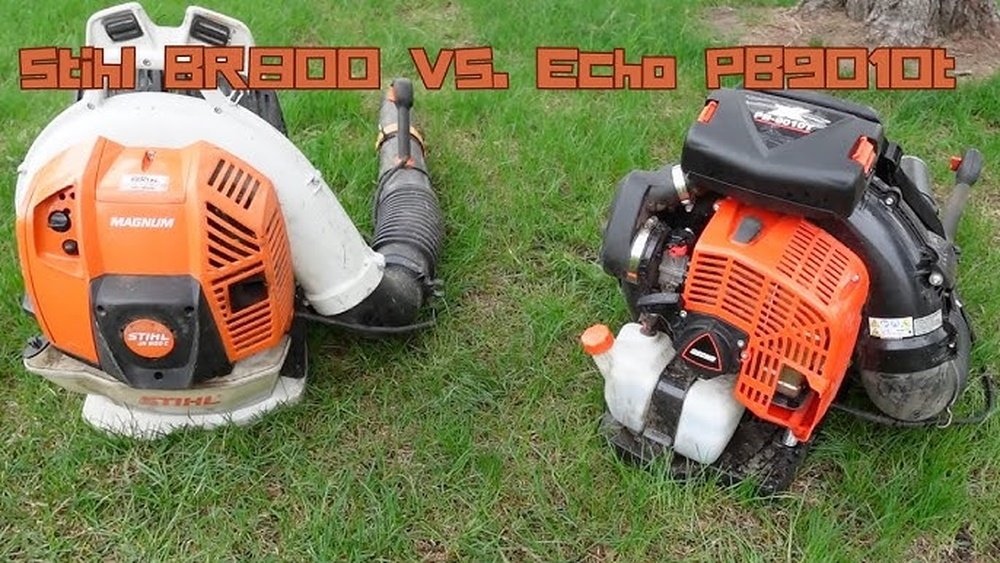
Choosing the right leaf blower can save you hours of work, reduce back pain, and even make yard maintenance enjoyable. When it comes to Echo vs Stihl leaf blower models, many homeowners and professionals find it hard to pick. Both brands are respected, powerful, and have a long history in the outdoor power equipment market. But they are not the same. Each offers unique strengths, features, and a few surprises that may not be obvious to first-time buyers.
This guide breaks down everything you need to know about Echo and Stihl leaf blowers. Whether you care about raw power, long-term reliability, or ease of use, you’ll find clear answers here. You’ll also learn about hidden costs, comfort, and what each brand really means for daily use.
By the end, you’ll feel confident making a decision that fits your yard, your body, and your budget.
Brand Overview: Echo And Stihl
Both Echo and Stihl are legends in the world of outdoor power tools, but their histories, philosophies, and strengths are different.
Echo is a Japanese company, part of the Yamabiko Corporation, with more than 70 years of experience. Their focus is on innovation and durability. Many Echo blowers are assembled in the USA, and the company is known for reliable engines and user-friendly designs.
Stihl is a German brand, founded in 1926, and often seen as a premium choice. Stihl invented the first portable chainsaw and has a reputation for making equipment that lasts decades. Their tools are commonly used by professionals but are also popular with homeowners who want top quality.
One non-obvious fact: While Echo products are widely available in big box stores, Stihl sells only through authorized dealers. This can affect where and how you buy, and even service options down the road.
Types Of Leaf Blowers: Handheld Vs Backpack
When comparing Echo vs Stihl leaf blower, you’ll notice both brands offer two main types:
- Handheld: Lighter, easier to store, best for small yards or quick jobs.
- Backpack: More powerful, heavier, built for larger properties or longer sessions.
Choosing the right type is just as important as the brand. A common mistake is buying a backpack blower for a tiny yard—it’s overkill and less comfortable for short, simple jobs.
Typical Uses
- Handheld: Clearing driveways, patios, small lawns.
- Backpack: Moving heavy debris, large lawns, commercial use.
Both brands have popular models in each category, so your choice will depend on the size of your yard and how often you plan to use the blower.
Power And Performance
One of the first things people ask: “Which is more powerful, Echo or Stihl?”
Understanding Power Ratings
Leaf blower power is measured in two main ways:
- CFM (Cubic Feet per Minute): Tells you how much air the blower moves. Higher CFM means it can move more leaves at once.
- MPH (Miles Per Hour): Shows how fast the air blows. Higher MPH is good for moving wet or stuck debris.
But be careful: A high MPH with a low CFM might not move piles of leaves well. Both numbers matter.
Echo Vs Stihl: Power Numbers
Let’s compare a couple of popular models from each brand.
| Model | Type | Engine Displacement (cc) | Max Air Volume (CFM) | Max Air Speed (MPH) |
|---|---|---|---|---|
| Echo PB-580T | Backpack | 58.2 | 510 | 215 |
| Stihl BR 350 | Backpack | 63.3 | 436 | 201 |
| Echo PB-2520 | Handheld | 25.4 | 453 | 170 |
| Stihl BG 56 C-E | Handheld | 27.2 | 412 | 159 |
From the table, you can see Echo often leads in air volume (CFM), which is key for moving lots of leaves. Stihl sometimes has higher engine sizes but not always the highest air speed or volume.
Non-obvious Insight
Many beginners focus on only one number—usually MPH. But in real use, CFM moves the pile, while MPH helps with stubborn debris. Look for a balance, not just the highest single rating.
Engine Technology And Fuel Efficiency
Both brands use 2-stroke engines in most models, but Stihl has also developed advanced 4-MIX engines in some blowers. These mix the benefits of 2-stroke (lightweight, high power) with 4-stroke (better fuel efficiency, lower emissions).
Fuel Use
Echo and Stihl both use a gas-oil mix (usually 50:1). Stihl’s 4-MIX models can be a little more fuel-efficient. Over a year, the difference is small for homeowners but can add up for commercial users.
Emissions
Stihl often promotes lower emissions, especially in its newer models. If you care about air quality or local regulations, Stihl may have a slight edge. However, both brands have EPA-compliant models.
Non-obvious Insight
Mixing the right fuel can be easy to forget. Both companies sell pre-mixed fuel, but it’s expensive. If you want to save money, buy a measuring bottle and mix your own. A poorly mixed fuel can damage the engine—one of the top causes of blower failure.
Starting And Ease Of Use
No one wants to pull a cord 20 times to start a blower. Echo and Stihl both use spring-assisted starting in many models, but their systems are a bit different.
- Echo: Uses the i-30™ starting system, which reduces effort by about 30%.
- Stihl: Features the Easy2Start™ system, which uses a special spring. You can start the engine with a slower, smoother pull.
For users with less upper body strength or joint pain, the Stihl system often feels easier, especially on handheld models.
Weight And Balance
Both brands keep their handheld blowers under 10 lbs (without fuel). Backpack models range from 20 to 25 lbs. Echo tends to have slightly lighter models, but the difference is small.
A well-balanced blower is easier to hold and aim. Try holding both brands in a store before buying—comfort can be surprisingly personal.
Vibration And Noise
- Stihl often uses anti-vibration systems, reducing fatigue for long jobs.
- Echo models are generally a bit louder, especially at full throttle.
If you have sensitive ears or close neighbors, check the decibel ratings. Ear protection is smart for any gas blower.
Durability And Maintenance
When you spend good money on a blower, you want it to last.
Build Quality
Both brands use high-quality materials. Stihl is famous for German engineering and overbuilt parts. Echo is known for reliability and being easy to repair.
Maintenance Needs
- Air Filters: Both brands use easily replaceable filters. Echo sometimes gives easier access.
- Spark Plugs: Replacement is similar for both.
- Fuel Filters: Stihl sometimes hides the filter inside the tank, making it harder to reach.
Backpack blowers have more parts to check (straps, frame, etc. ), but both brands make service kits and tutorials. Dealers for Stihl can do maintenance, but Echo users can often find parts at hardware stores.
Warranty
- Echo: 5 years for homeowners, 2 years for commercial use.
- Stihl: 2 years for most blowers, sometimes 1 year for commercial.
If you want long-term peace of mind, Echo’s warranty stands out.

Features And Special Options
Small differences can make a big change in daily use. Here are a few features to watch for:
Variable Speed Triggers
Both brands offer variable speed triggers so you can adjust air flow. This helps when blowing around mulch or delicate plants.
Tube Design And Attachments
- Echo often uses a round tube, which is good for general leaf blowing.
- Stihl offers both round and flat nozzles. Flat nozzles help with wet leaves and precise cleaning.
Some Stihl models have a built-in vacuum/mulcher option, turning the blower into a leaf vacuum. Echo models rarely have this.
Strap Comfort (backpack Models)
Stihl backpack blowers are known for padded, ergonomic straps. This matters if you have back or shoulder pain.
Cruise Control
Both brands offer cruise control levers on backpack blowers, letting you lock the throttle for long jobs.
Price And Value
Price is often the final factor, but it’s not always simple.
Average Prices (as Of 2024)
| Model | Type | Typical Price (USD) |
|---|---|---|
| Echo PB-2520 | Handheld | $150 – $180 |
| Stihl BG 56 C-E | Handheld | $180 – $210 |
| Echo PB-580T | Backpack | $320 – $350 |
| Stihl BR 350 | Backpack | $350 – $400 |
Echo is usually a bit less expensive for similar power. Stihl’s higher price often reflects build quality and dealer support.
Hidden Costs
- Dealer Service: Stihl’s dealer-only sales can mean better support but higher service costs.
- Parts Availability: Echo parts are often easier to find online and at hardware stores.
- Resale Value: Stihl blowers often keep value better, especially with good maintenance.
Buying Mistake To Avoid
Don’t buy on price alone. A cheap blower that’s uncomfortable or underpowered wastes money in the long run.

User Experience: Real-world Feedback
Looking at specifications is important, but how do these blowers feel in actual use?
Echo Owner Feedback
- Owners love the reliable start and easy maintenance.
- Many say Echo blowers survive years of tough use, especially the PB-580T and PB-2520.
- Some find Echo backpack straps less comfortable on long jobs.
Stihl Owner Feedback
- Many users praise the smooth start and low vibration.
- Stihl blowers are often quieter and feel more solid.
- Some users dislike the dealer-only sales, especially if there’s no local dealer.
Commercial Users
Landscapers often own both brands. Many prefer Stihl for heavy daily use, but Echo is popular for cost and easy repairs.
Non-obvious Insight
Some owners report that Stihl’s dealer network will do minor repairs for free, especially under warranty. This can save time and money—something you don’t always get with big-box brands.
When To Choose Echo
Echo is a smart choice if:
- You want a lower price for high air volume.
- You prefer to buy or repair tools at big hardware stores.
- You want a longer homeowner warranty.
- You like fixing small things yourself.
Echo is also ideal for most residential users and light commercial work.
When To Choose Stihl
Stihl stands out if:
- You want dealer support and professional-grade durability.
- You value low vibration and ergonomic design.
- You want a tool that may last 10+ years with proper care.
- You need advanced options like 4-MIX engines or blower/vacuum combos.
Stihl is often the top pick for heavy users and those with a local dealer.
Environmental Impact
Both brands offer EPA-certified low-emission models. Stihl’s 4-MIX engines use less fuel and release fewer emissions than typical 2-strokes. If you want to reduce your footprint, look for these models.
One extra tip: Proper maintenance (clean filters, fresh fuel) can reduce emissions as much as buying a “green” blower.
Common Problems And How To Avoid Them
- Hard Starting: Caused by old fuel or a dirty spark plug. Use fresh gas and check plugs yearly.
- Engine Sputtering: Often dirty air filters. Both brands make filters easy to replace.
- Shoulder Pain: Poor strap adjustment. Always try on a backpack blower before buying.
- Clogged Tubes: Wet leaves can clog the nozzle. Clean after each use and avoid sucking up stones.
Many problems are preventable with basic care.
Echo Vs Stihl: Quick Reference Comparison
Here’s a simple side-by-side for quick decisions:
| Feature | Echo | Stihl |
|---|---|---|
| Price | Lower | Higher |
| Dealer Support | Limited | Strong |
| Homeowner Warranty | 5 Years | 2 Years |
| Parts Availability | Wide (online & stores) | Dealer only |
| Vibration Control | Standard | Advanced |
| Fuel Efficiency | Good | Very Good (4-MIX) |
| Noise Level | Moderate-High | Lower |
| Vacuum Option | Rare | Available |
| Build Quality | Very Good | Excellent |
Practical Buying Tips
- Try both brands in person if possible. Grip, balance, and vibration feel different for everyone.
- Always check for a local dealer before buying Stihl.
- For most homeowners, a high-CFM Echo is plenty powerful.
- If you’re older or have joint pain, Stihl’s Easy2Start™ and padded straps are worth the price.
- Don’t ignore weight—8 lbs vs 10 lbs can feel like a big deal after 30 minutes.
For more details on engine types and emissions, visit the US EPA Engine Manufacturer page.
Frequently Asked Questions
Is Echo Or Stihl Better For Home Use?
Both are excellent for home use, but Echo is usually less expensive and offers a longer warranty. If you want easy maintenance and don’t need dealer support, Echo is a strong choice. Stihl is great if you want top comfort and don’t mind visiting a dealer.
Which Brand Is More Powerful, Echo Or Stihl?
It depends on the model. Echo often has higher air volume (CFM), which moves more leaves at once. Stihl has strong air speed (MPH) and advanced engines. Always compare both CFM and MPH for your specific needs.
Are Stihl Blowers Quieter Than Echo?
Yes, in general, Stihl blowers are a bit quieter and have better vibration control. This can be important if you work for long periods or live close to neighbors.
Where Can I Buy Echo And Stihl Blowers?
Echo blowers are found at most big hardware stores and online. Stihl blowers are sold only through authorized dealers. This means you might need to travel farther for Stihl but get better service.
How Long Do These Blowers Last?
With good care, both can last many years. Stihl is famous for lasting a decade or more with dealer maintenance. Echo is also durable, and repairs are usually easy if you do them yourself.
Choosing between Echo and Stihl comes down to what fits your hands, your yard, and your way of working. Both brands can make yard cleanup fast and even fun. Take your time, try them out, and enjoy a cleaner, tidier yard for years to come.
As an Amazon Associate, We earn from qualifying purchases