
When you want a smooth, professional finish on wood, metal, or plastic, having the right sander makes all the difference. Many DIYers and professionals compare the disc sander and belt sander before buying. But which tool really suits your needs? Both sanders shape, smooth, and remove material, but their design and performance are very different.
Choosing the wrong sander can lead to wasted time, poor results, or even ruined workpieces. This guide will give you a clear, practical look at how disc sanders and belt sanders compare. You’ll learn how each works, their main strengths and weaknesses, and which projects suit them best.
By the end, you’ll have the knowledge to pick the right tool for your workshop, budget, and skills.
What Is A Disc Sander?
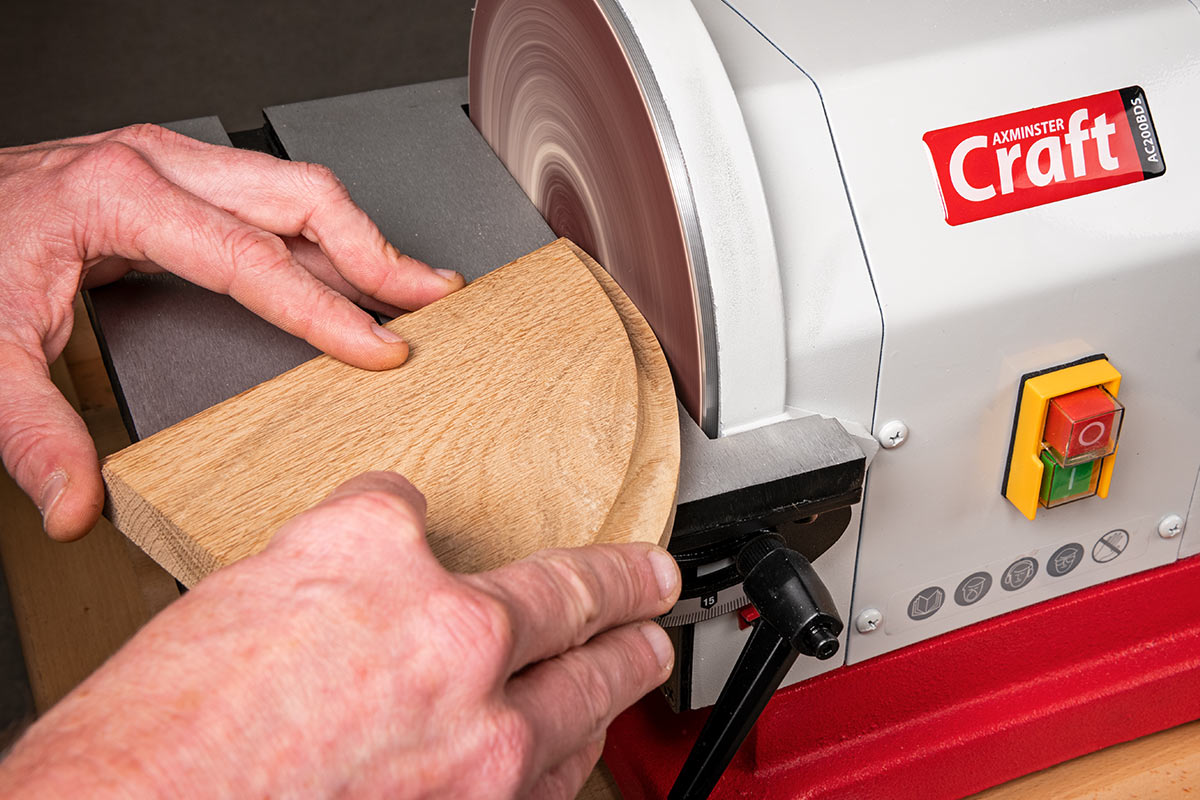
A disc sander uses a spinning circular sanding surface. The sandpaper disk is attached to a plate, which spins when the tool is on. Most disc sanders are mounted on a bench or table, but you can also find handheld models for smaller jobs.
Disc sanders are popular for:
- Smoothing ends of boards
- Shaping curved edges
- Removing rough spots on flat surfaces
The spinning motion lets you control how much material you remove. You can press the workpiece gently for light sanding or harder for faster removal.
How Does A Disc Sander Work?
The disc sander’s motor spins the sanding disk at high speed, usually between 1,700 and 3,400 RPM (revolutions per minute). You hold your workpiece against the spinning disc, moving it slowly to sand away roughness or shape the edge.
Most bench disc sanders have a tilting table for better control. You can change the angle to sand precise bevels. Many also have dust collection ports to keep your workspace cleaner.
Common Disc Sander Sizes
- 6-inch: Good for small, precise jobs
- 8-inch: More power, better for medium projects
- 12-inch: Large, heavy-duty jobs (cabinet making, thick wood)
Larger discs remove material faster but need more space and cost more.
What Is A Belt Sander?
A belt sander uses a loop of sandpaper stretched around two rollers. The belt moves in one direction, making this tool ideal for quick removal of large amounts of material, especially from flat surfaces.
You’ll find two main types:
- Handheld belt sanders: Portable, used directly on large workpieces or floors
- Stationary belt sanders: Mounted on a bench, you bring the work to the tool
Belt sanders are famous for their speed and aggressiveness. They are often used for:
- Leveling uneven boards
- Removing paint or stain
- Preparing surfaces for finishing
How Does A Belt Sander Work?
The sander’s motor turns one or both rollers, which move the sanding belt at high speed (usually 800–1,600 feet per minute). The belt’s straight-line motion makes it easy to sand along the grain of wood. You hold the sander steady and let the abrasive do the work.
Some stationary belt sanders have an adjustable table or can be tilted for edge sanding. Handheld models often have variable speed controls and dust bags.
Common Belt Sander Sizes
- 3 x 18-inch: Small, lightweight, good for tight spaces
- 3 x 21-inch: Most popular, balance of power and control
- 4 x 24-inch: Large, heavy, for rapid material removal
Key Differences: Disc Sander Vs Belt Sander
Let’s look at how these tools compare in practice, so you can see their real strengths and weaknesses.
| Feature | Disc Sander | Belt Sander |
|---|---|---|
| Main Motion | Rotating disc | Linear moving belt |
| Best For | Shaping, edge work, curves | Flattening, large surfaces, removing material fast |
| Surface Finish | Smoother, more controlled | Rougher, can leave sanding marks |
| Material Removal | Moderate, precise | High, aggressive |
| Workpiece Size | Small to medium | Medium to large |
| Common Mistakes | Burn marks, uneven edges | Gouges, over-sanding |
Pros And Cons Of Each Sander
Understanding the advantages and drawbacks will help you choose wisely.
Disc Sander Pros
- Precise control for shaping and finishing
- Excellent for curved edges and small parts
- Table can tilt for bevel sanding
- Compact, fits on most benches
- Easier to see your work
Disc Sander Cons
- Not good for sanding large flat areas
- Can burn or scorch wood if pressed too hard
- Sandpaper discs wear out faster
- Limited to the disc’s size
Belt Sander Pros
- Removes material very quickly
- Perfect for large, flat surfaces
- Great for stripping old paint or finish
- Available in portable and bench models
- Long-lasting sanding belts
Belt Sander Cons
- Can damage workpiece if not careful
- Harder to use on small items or detailed shapes
- Heavier and louder than disc sanders
- May leave sanding lines or grooves
Typical Uses For Each Sander
To get the best results, match the tool to the project.
Disc Sander
- Shaping toy parts or furniture edges
- Smoothing end grain of boards
- Sanding curves or odd shapes
- Finishing picture frames or boxes
Example: If you make wooden puzzles, the disc sander is perfect for shaping each piece’s edges smoothly.
Belt Sander
- Flattening doors, tabletops, or shelves
- Leveling glued-up panels
- Removing paint from large areas
- Evening out uneven boards
Example: If you refinish old doors or strip large furniture, a belt sander will save hours of hard work.
Which Sander Is Easier For Beginners?
Most beginners find the disc sander easier to control. The workpiece stays on the table, and you can see exactly where you’re sanding. It’s less likely to gouge or ruin your project.
Belt sanders are powerful but require a steady hand. If you hold it in one spot too long, you can quickly remove too much material.
Insider Tip: With a belt sander, always keep the tool moving. Stopping in one place can create dips or marks in the wood.
Safety Differences
Both sanders can be dangerous if used incorrectly. Key safety points:
- Always wear safety glasses and a dust mask.
- Keep hands away from the moving disc or belt.
- Use clamps to hold small workpieces.
- Check sandpaper for damage before starting.
Belt sanders can grab and throw the workpiece, especially handheld models. Disc sanders can catch edges and pull fingers toward the disc. Pay attention and never rush.
Cost Comparison
Prices vary by brand, size, and power. Here’s a general idea:
| Sander Type | Entry-Level Price | Mid-Range Price | Pro-Level Price |
|---|---|---|---|
| Disc Sander (Bench) | $60–$120 | $150–$250 | $300 and up |
| Belt Sander (Handheld) | $70–$130 | $150–$250 | $300 and up |
| Belt Sander (Bench) | $110–$180 | $200–$350 | $400 and up |
Replacement sandpaper also costs more for belt sanders, but the belts last longer than discs.
Maintenance And Durability
Both tools need regular care. Keep the motor’s vents clear and replace sandpaper when it’s worn or clogged. Belt sanders may need more cleaning, since the belt can load up with dust. Always unplug before changing belts or discs.
Non-obvious tip: If your belt sander’s belt always runs off to one side, check the tracking adjustment knob. Most models let you fine-tune the belt’s position so it runs straight.
Disc sanders have fewer moving parts and usually last longer with less maintenance. However, if the disc gets bent or the table isn’t square, accuracy drops.
Practical Tips For Getting The Best Results
- Choose the right grit: Start with a coarse grit (60–80) for heavy removal, then move to finer grits (120–220) for a smooth finish.
- Don’t force the tool: Let the sander’s weight and speed do the work.
- Test on scrap wood: Before sanding your real project, practice on extra material.
- Move steadily: Both sanders can leave marks if you pause too long in one spot.
- Use dust extraction: This keeps your work clean and protects your lungs.
When To Use Both Tools
Many shops use both a disc sander and a belt sander. Each does jobs the other can’t do as well. For example:
- Use the belt sander to flatten a board, then finish the edges with the disc sander.
- Remove old paint with the belt sander, then clean up corners with the disc sander.
Combo sanders, which have both a disc and a belt, are popular in home workshops. They save space and money but may not be as powerful or durable as stand-alone tools.
Environmental Impact
Sanders produce a lot of dust. Always use dust bags or connect to a shop vacuum. Some higher-end models have HEPA filters for cleaner air. Also, consider using sandpaper with ceramic or aluminum oxide grains—they last longer and reduce waste.

How To Choose: Key Factors
If you’re still not sure which sander to buy, ask yourself:
- What will you sand most? Large, flat surfaces = belt sander. Edges, curves, and small parts = disc sander.
- How much space do you have? Disc sanders are smaller. Belt sanders can be bulky.
- What is your budget? Entry-level models are close in price, but accessories add up.
- Do you need portability? Handheld belt sanders can go anywhere. Disc sanders are usually bench tools.
- How important is finish quality? Disc sanders give a finer finish. Belt sanders can be rough.
Real-world Example: Furniture Restoration
Imagine you’re restoring an old oak table. The surface is scratched and painted, and the edges are worn.
- Use a belt sander first to remove paint and level the tabletop.
- Switch to a disc sander to smooth and shape the edges.
- Finish with hand sanding for a flawless result.
This two-tool approach saves time and gives you professional results.

Frequently Asked Questions
What Is The Main Difference Between A Disc Sander And A Belt Sander?
The main difference is the sanding motion. A disc sander spins a round disc for controlled, precise sanding, especially on edges and curves. A belt sander moves a looped belt in a straight line for fast, aggressive removal on large, flat surfaces.
Can I Use A Belt Sander For Finishing Work?
You can, but it’s tricky. Belt sanders are designed for fast removal, so they often leave sanding marks. For a truly smooth finish, use a finer grit, keep the sander moving, and follow up with a disc sander or hand sanding.
Which Sander Is Safer For Beginners?
A disc sander is usually safer for beginners. The workpiece is held on a table, and you have more control. Belt sanders are more powerful and can quickly damage wood if you’re not careful.
Are Combo Sanders (belt And Disc Together) A Good Idea?
Combo sanders are a good choice for small workshops. They combine both tools in one unit, saving space and money. However, they may not be as powerful or durable as dedicated tools. For most hobbyists, they work well for light to medium jobs.
Where Can I Find More Information About Sanders?
For in-depth guides and more technical details, visit Wikipedia’s Sander page.
Choosing between a disc sander and a belt sander isn’t just about features—it’s about your projects, space, and skills. Both tools can transform rough wood or metal into something beautiful. Take your time, think about your real needs, and you’ll find the right sander for every job.
As an Amazon Associate, We earn from qualifying purchases