
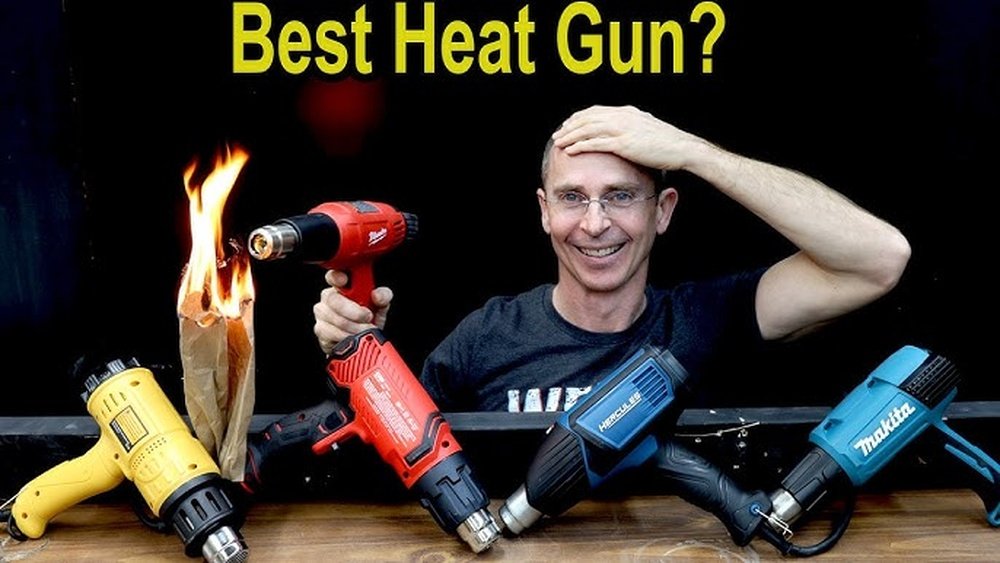
Choosing the right heat gun may seem simple at first. But when you look closer, you’ll notice one big choice: corded or cordless. Both types have their own fans, and each brings unique advantages and challenges. Whether you’re a DIY hobbyist, a seasoned contractor, or just want to strip paint safely at home, understanding the real differences can save you time, money, and frustration.
This guide will walk you through the essential differences between corded and cordless heat guns, reveal where each shines, and help you avoid mistakes that catch many beginners off guard. You’ll learn what to expect from each model, which jobs suit them best, and how to choose the one that fits your needs and budget.
What Is A Heat Gun?
A heat gun is a handheld device that blows hot air. It’s used for tasks like paint stripping, thawing frozen pipes, drying materials, shrinking plastic wrap, and much more. The air temperature can reach up to 1,100°F (about 600°C) in some models. Unlike hair dryers, heat guns are much hotter and not safe for use on people or animals.
Corded Heat Guns: Features And Benefits
Corded heat guns are the traditional choice and still dominate the market for a reason. Here’s why many professionals and serious DIYers prefer them:
Unlimited Power Supply
Corded heat guns plug directly into the wall. This gives you constant, reliable power. You don’t have to worry about batteries dying in the middle of a project. Most models run on standard 110-120V outlets and can operate for hours without interruption.
Higher Heat Output
Generally, corded models can reach higher temperatures and maintain them longer. It’s common to see temperature ranges from 120°F up to 1,100°F, with adjustable settings. This is important for jobs like removing old paint, bending PVC pipes, or welding plastic.
Lower Weight (usually)
Without a battery, corded heat guns are often lighter. This can reduce hand fatigue during long jobs. Most standard corded guns weigh between 1.5 to 2.5 pounds (0.7 to 1.1 kg).
Price And Value
Corded heat guns tend to cost less for the same performance. A quality corded model can range from $20 to $80, while premium cordless versions are usually more expensive due to battery technology.
Cordless Heat Guns: Features And Benefits
Cordless tools are all about freedom of movement. Cordless heat guns have become popular as battery technology improves. Here’s what sets them apart:
Portability And Flexibility
No cord means you can use a cordless heat gun anywhere—even in places without power outlets. This is perfect for outdoor work, repairs on cars, or jobs up high on ladders. Cordless models are a favorite for electricians, plumbers, and mobile repair technicians.
Fast Setup
Cordless heat guns are ready in seconds. You don’t need to look for outlets or drag around extension cords. For quick jobs, this can save a lot of time.
Battery-powered Performance
Most cordless models use lithium-ion batteries (often 18V or 20V). The best can heat up in less than 10 seconds and reach temperatures up to 1,000°F. However, battery life is usually limited. Expect around 15-20 minutes of continuous use per charge, depending on the temperature setting and battery size.
Side-by-side Comparison
To make things easier, here’s a direct comparison of the main features between corded and cordless heat guns:
| Feature | Corded Heat Gun | Cordless Heat Gun |
|---|---|---|
| Power Source | Wall outlet | Rechargeable battery |
| Max Temperature | Up to 1,100°F | Up to 1,000°F |
| Run Time | Unlimited | 15-20 minutes per charge |
| Weight | 1.5–2.5 lbs | 2–4 lbs (with battery) |
| Cost | Lower (typically) | Higher (battery included) |
| Portability | Limited by cord | Very portable |
| Use Cases | Heavy-duty, long jobs | Quick, remote jobs |
Real-world Applications
Understanding the best use cases for each type can help you choose wisely.
When Corded Makes Sense
- Large paint stripping jobs: If you need to remove paint from a whole door or wall, a corded gun won’t let you down.
- Plastic welding: Corded heat guns provide stable, high heat for tasks that need precision and endurance.
- Workshops and garages: If you always have access to power, the cord won’t be an issue.
When Cordless Wins
- Automotive repairs: Fixing wires or shrink-wrapping in a car’s engine bay is much easier without a cord.
- Outdoor installations: Jobs like repairing fences, sealing windows, or working on rooftops are simpler with cordless tools.
- Emergency fixes: When you need to thaw frozen pipes quickly, having a cordless heat gun in your kit can be a lifesaver.
Performance: Heat, Control, And Run Time
Heat output and temperature control are the heart of any heat gun. Here’s how corded and cordless models compare in detail.
Corded Models
- Higher max temperatures: Consistently reach and hold high heat.
- More precise control: Many offer digital displays and fine-tuned settings.
- Never run out of power: Ideal for long or demanding tasks.
Cordless Models
- Quick heat-up: Most modern cordless guns reach high temperatures in seconds.
- Limited run time: Battery power means you’ll need to work efficiently or swap batteries.
- Fewer temperature options: Some budget cordless models offer only basic high/low settings.
It’s important to note: battery performance drops in very cold weather. If you’re working outside in winter, a corded gun may be more reliable.

Safety And Convenience
Heat guns can be dangerous if not used carefully. Here’s how each type compares in terms of safety and ease of use:
| Aspect | Corded | Cordless |
|---|---|---|
| Trip Hazards | Cords can be a hazard | No cord, safer movement |
| Overheating Risk | Low, with proper use | Some models auto shut-off to save battery |
| Storage | Easy, but cord can tangle | Bulkier due to battery |
| Maintenance | Simple; check cord for damage | Monitor battery health/charge |
Non-obvious insight: Many beginners forget that cordless heat guns should never be stored with batteries fully discharged—this can shorten battery life. Also, always let the tool cool before removing the battery.
Factors To Consider Before Buying
To choose between corded and cordless heat guns, ask yourself these questions:
- Where will you use it most? If you’ll mostly work in one spot with an outlet, corded is usually better.
- How long are your typical jobs? Long tasks are best with corded. For short, quick tasks, cordless is convenient.
- How important is portability? If you need to move around or work outside, cordless is a smart choice.
- What’s your budget? Remember to include battery and charger costs for cordless models.
- What accessories do you need? Some jobs need special nozzles. Check what comes in the box.

Cost Of Ownership
While cordless models are more expensive up front, don’t forget the hidden costs:
- Extra batteries: Most cordless heat guns come with only one battery. For longer jobs, a spare is almost essential.
- Replacement batteries: Lithium-ion batteries last 2–5 years, depending on use.
- Chargers: Some kits don’t include a charger, adding to the cost.
Corded heat guns, on the other hand, have almost no extra costs unless you need an extension cord.
Common Mistakes To Avoid
Even experienced users can make errors when picking or using a heat gun. Here are a few to watch for:
- Underestimating power needs: Many people pick cordless for convenience, then realize the battery can’t handle big jobs.
- Ignoring battery charge times: If you only have one battery, you may spend more time charging than working.
- Not checking temperature range: Some budget cordless models don’t get hot enough for heavy-duty tasks.
- Overlooking weight: Cordless guns can be much heavier, especially after 10-15 minutes of use.
Who Should Choose Which?
Here’s a quick guide to help you decide:
| User Type | Best Choice | Why? |
|---|---|---|
| Professional Contractor | Corded | Unlimited power, high heat, reliable for long jobs |
| Mobile Technician | Cordless | Portability, use in remote or tight spaces |
| Home DIYer | Corded or cordless | Depends on need for portability vs. price |
| Emergency Plumber | Cordless | Fast setup, can work where outlets aren’t available |
| Hobby Crafter | Corded | Cheaper, lighter, good for small crafts |
Additional Tips For Heat Gun Users
- Let it cool before storage. Heat guns stay hot for several minutes after use.
- Use the right nozzle. Flat, cone, and glass protection nozzles all have different uses.
- Work in a ventilated area. Especially when removing paint or adhesives.
- Don’t touch the nozzle. It stays hot and can cause burns.
- Practice on scrap material. This helps avoid damage to your main project.
Non-obvious tip: For battery-powered models, store batteries at about 50% charge if you won’t use them for months. This extends battery life.

Final Thoughts
Both corded and cordless heat guns have clear strengths. Corded models are the reliable workhorses for big, tough jobs where power and heat matter most. Cordless versions deliver unmatched portability and speed for short, remote, or emergency tasks. The right choice depends on your main use, budget, and need for mobility.
If you can, try both types before deciding. Many professionals keep one of each to cover all situations. For more on how heat guns work and safety tips, you can visit this Wikipedia page about heat guns.
Frequently Asked Questions
Can A Cordless Heat Gun Do Everything A Corded One Can?
Most cordless heat guns can handle everyday tasks like shrinking tubing or thawing pipes. However, for heavy-duty jobs like removing thick paint or welding large plastics, a corded gun’s higher, sustained heat is better.
How Long Does A Cordless Heat Gun Battery Last?
On average, expect 15-20 minutes of use per charge at high temperature. Lower temperatures or better batteries can give a little more. Always check the manufacturer’s specs.
Are Cordless Heat Guns Safe For Indoor Use?
Yes, as long as you follow safety rules: keep flammable materials away, work in a ventilated area, and let the tool cool down before storage.
What Maintenance Does A Corded Heat Gun Need?
Just check the cord for damage, keep the nozzle clean, and store it properly. Corded models are low-maintenance compared to battery-powered tools.
Should I Buy Extra Batteries For My Cordless Heat Gun?
If you plan to use your heat gun often or for long projects, having at least one extra battery is smart. It helps avoid downtime while waiting for a charge.
With this information, you’re ready to pick the best heat gun for your needs—and work safer, smarter, and more efficiently.
As an Amazon Associate, We earn from qualifying purchases