
When you walk into a hardware store looking for a nail gun, you’re likely to see two common options: 18-gauge (18Ga) and 16-gauge (16Ga) nail guns. On the surface, the difference seems simple—just a number. But if you’re a DIY enthusiast, furniture maker, or professional carpenter, that number means much more. Choosing the right gauge can affect not just your project’s appearance but also its structural strength and durability. If you pick the wrong one, you might end up with weak joints, split wood, or visible nail heads you wish you could hide.
In this guide, you’ll get a clear, side-by-side look at the 18Ga vs 16Ga nail gun debate. You’ll discover when to use each, what materials they handle best, and the subtle details pros know—but beginners often miss. You’ll also see real-world examples, learn about fastener compatibility, and find out which nailer could be your best fit. By the end, you’ll feel confident in choosing the right tool for every job.
Understanding Nail Gauge: What Do 18ga And 16ga Mean?
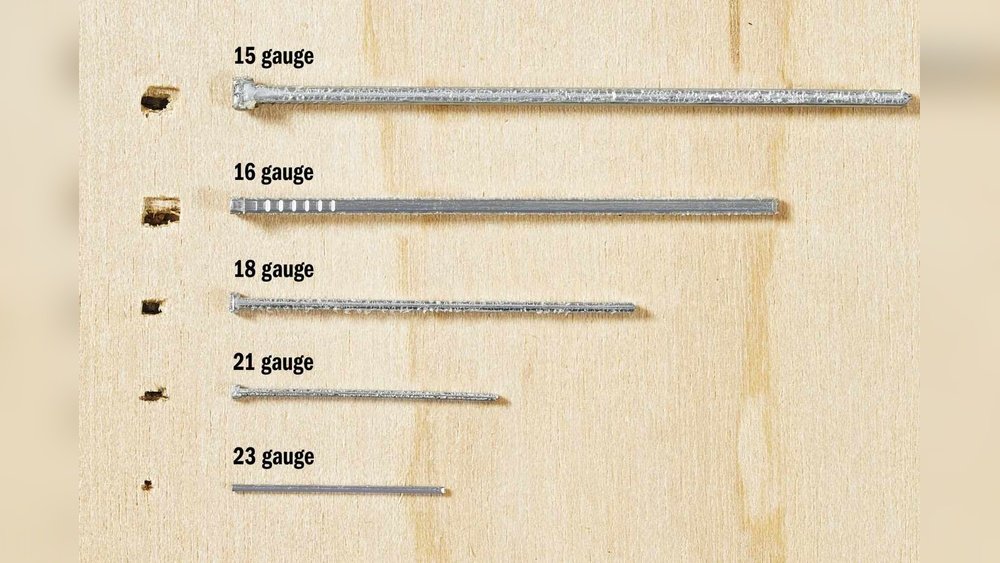
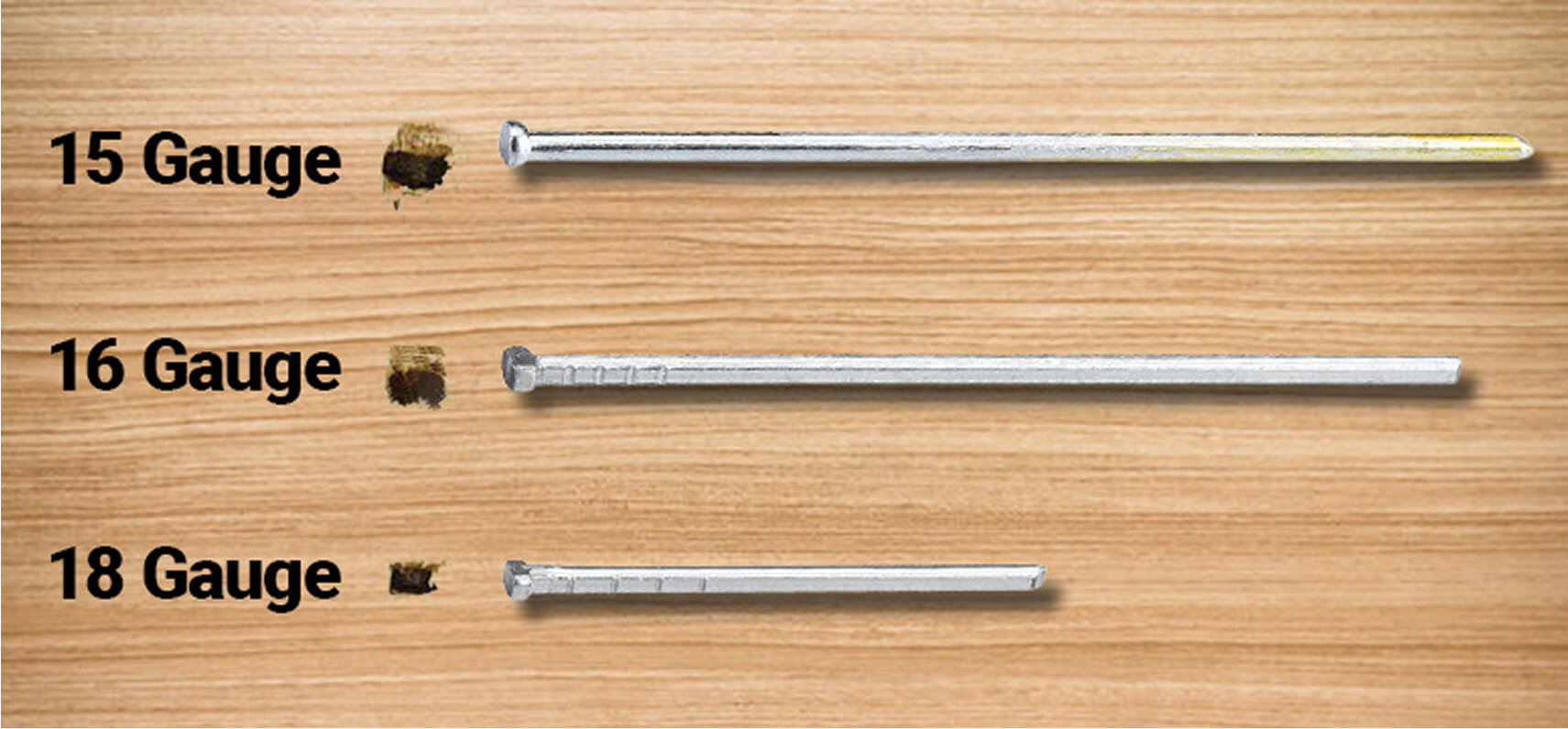
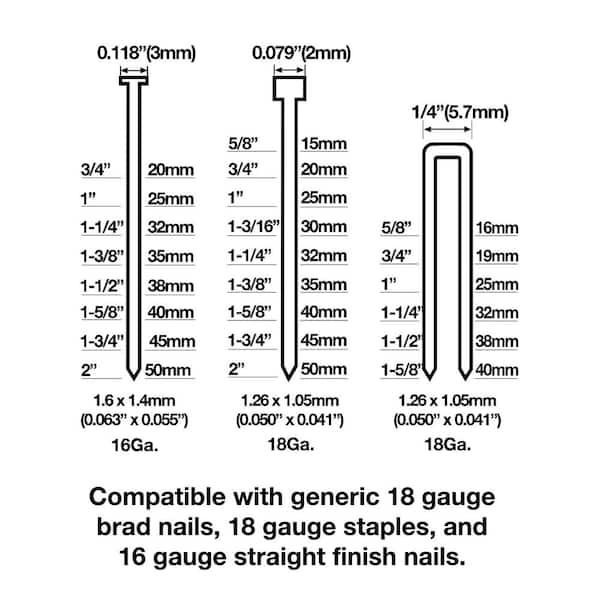
The term gauge refers to the thickness of the nail. It might sound backward, but the higher the number, the thinner the nail. So, an 18-gauge nail is thinner than a 16-gauge nail. This measurement isn’t random—it’s standardized, so an 18Ga nail will have a diameter of about 1.02 mm (0.040 inches), while a 16Ga nail is roughly 1.63 mm (0.063 inches) thick.
This difference in thickness affects:
- Holding power: Thicker nails can hold heavier pieces together.
- Visibility: Thinner nails leave smaller holes, making them easier to hide.
- Splitting risk: Thinner nails are less likely to split delicate trim or moldings.
18ga Nail Gun: Light And Precise
An 18Ga nail gun is often called a brad nailer. It’s popular for its gentle touch and versatility, especially with light trim and delicate woodwork.
Typical Uses
- Baseboards and moldings: Perfect for thin or detailed trim where a big nail would look out of place.
- Picture frames: The thin nail won’t split the wood or ruin the look.
- Cabinet assembly: When you need a clean finish, 18Ga nails are ideal.
- Small furniture pieces: Helps hold pieces together while glue dries.
Advantages
- Leaves a small hole that’s easy to fill or even ignore.
- Less likely to split thin or fragile wood.
- Lighter and easier to maneuver, especially in tight spaces.
- Compatible with shorter nails (usually up to 2 inches).
Disadvantages
- Limited holding strength—not good for heavy loads or structural work.
- Nails may bend if forced into hard wood.
- Not suitable for thick baseboards or large crown molding.
Practical Example
If you’re installing a thin shoe molding along the floor, an 18Ga brad nailer lets you shoot nails that practically disappear. A 16Ga nail would leave a bigger, more noticeable hole and might split the trim.
16ga Nail Gun: Power And Versatility
A 16Ga nail gun is often called a finish nailer. It’s a step up in strength and size, making it better for heavier trim and projects that need a stronger hold.
Typical Uses
- Baseboards: Can handle thicker, taller baseboards securely.
- Crown molding: The extra holding power keeps heavy molding in place.
- Door and window casings: Needs a strong, lasting connection.
- Furniture frames: Good for attaching legs or supports.
Advantages
- Stronger hold for larger or heavier pieces.
- Nails are long enough (up to 2.5 inches) for thick materials.
- Less likely to loosen over time, even with heavy use.
Disadvantages
- Leaves a larger hole that requires filling for a clean finish.
- More likely to split very thin or delicate trim.
- Heavier and sometimes harder to use in tight spaces.
Practical Example
When installing a door casing, a 16Ga finish nailer shoots strong nails deep into the frame, preventing movement and ensuring durability—even if someone slams the door.
Side-by-side Comparison: 18ga Vs 16ga Nail Gun
To make the choice clearer, here’s a direct comparison of the main features:
| Feature | 18Ga Nail Gun | 16Ga Nail Gun |
|---|---|---|
| Nail Diameter | 1.02 mm (0.040″) | 1.63 mm (0.063″) |
| Typical Nail Length | 5/8″ to 2″ | 1″ to 2.5″ |
| Holding Strength | Light | Medium to Heavy |
| Best For | Thin trim, delicate wood, small projects | Baseboards, crown molding, larger trim |
| Hole Size | Very small | Noticeable, needs filling |
| Risk of Splitting | Low | Moderate |
Key Factors To Consider When Choosing
Choosing between an 18Ga and 16Ga nail gun isn’t just about nail size. Here are critical factors you should keep in mind:
1. Project Type
- Use 18Ga for trim pieces under 1/2 inch thick, lightweight moldings, or where appearance matters.
- Use 16Ga for thicker trim, heavy moldings, or projects needing strong joints.
2. Wood Type
- Softwoods (like pine): Both gauges work, but 16Ga is better for large pieces.
- Hardwoods (like oak or maple): 16Ga nails are less likely to bend, but 18Ga is safer for delicate parts.
3. Fastener Visibility
If you want a nearly invisible finish, 18Ga nails are best. Filling a 16Ga hole takes more work and careful sanding.
4. Holding Power
A 16Ga nail holds better in situations where glue is not enough. For projects like attaching door jambs, always go with the thicker nail.
5. Tool Weight And Size
18Ga nailers are usually smaller and lighter, making them easier to use overhead or in tight corners.
6. Fastener Availability
18Ga brads are widely available and often less expensive. However, some specialty nails (like stainless steel for outdoor use) are easier to find in 16Ga.
Common Mistakes Beginners Make
Even if you know the technical details, it’s easy to make mistakes. Here are two errors many new users miss:
- Using 16Ga for delicate trim: Many people think “stronger is always better.” But a thick nail in thin molding can split the wood or leave a visible bulge. Always match the gauge to the trim’s thickness.
- Relying on nails alone for structural joints: Both gauges are designed for finish work—not for building a frame or holding heavy shelves. Always use glue or screws for strong, load-bearing connections.
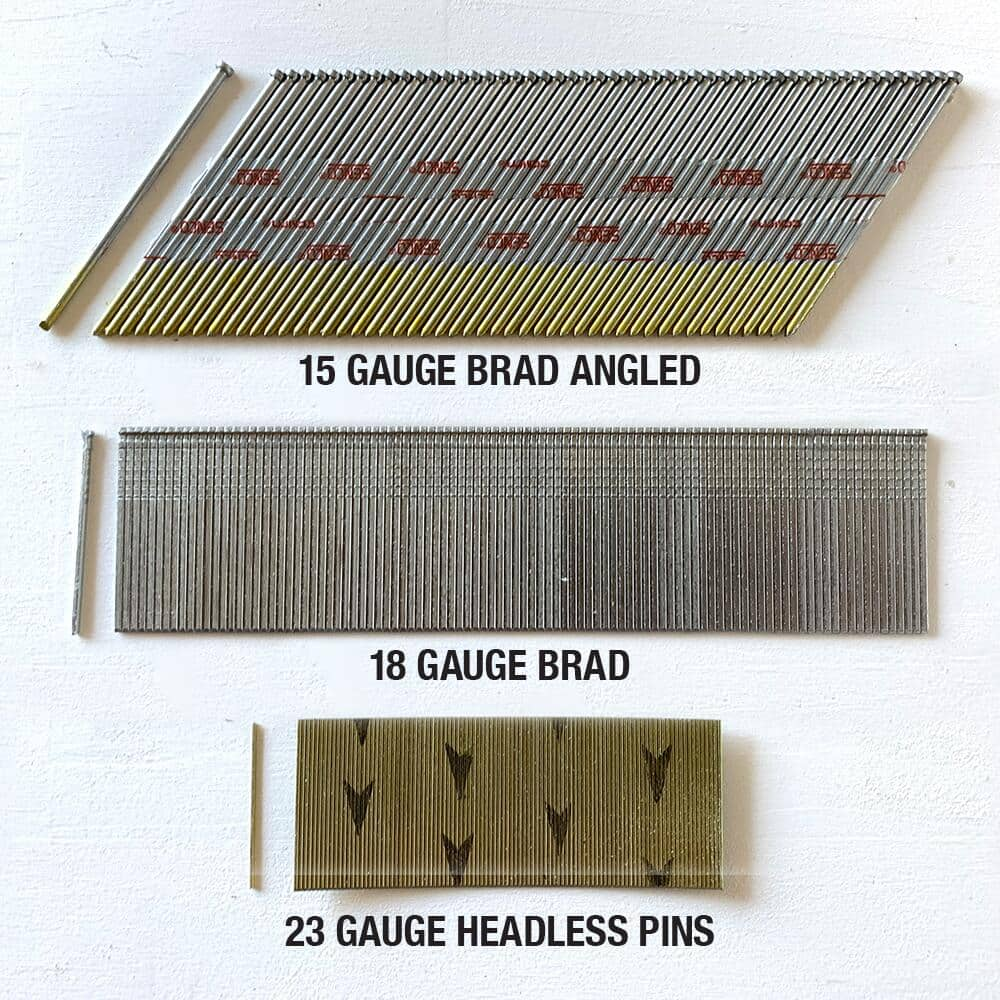
A third detail: Not all nail guns accept the same brand or shape of fastener. Some 16Ga nailers use straight nails, others use angled. Always check the tool’s manual before buying nails in bulk.
Cost And Availability
In general, both 18Ga and 16Ga nail guns are widely available in stores and online. Here’s a rough idea of what you’ll spend:
| Type | Average Price (Nailer) | Average Price (1000 Nails) |
|---|---|---|
| 18Ga | $60 – $200 | $7 – $15 |
| 16Ga | $80 – $250 | $10 – $20 |
Battery-powered models are pricier, but air-powered nailers are more common for both gauges. Most home improvement stores stock both types of nails in several lengths.
Durability And Maintenance
Both 18Ga and 16Ga nail guns are built to last, but there are differences in how they handle wear:
- 18Ga brad nailers: Since they shoot thinner nails, jams are more common if nails are poor quality or the tool is not cleaned.
- 16Ga finish nailers: They handle tougher jobs but require more force, so regular oiling (for air tools) is important to prevent internal wear.
Always use the right brand and type of nail. Off-brand or wrong-angle nails can jam or even damage your tool.
Professional And Diy Use Cases
Let’s look at real scenarios:
- Professional trim carpenter: Often owns both tools. Uses 18Ga for shoe mold and small crown, 16Ga for heavy baseboards and door casings.
- DIY homeowner: If you’re mainly installing lightweight trim or building small projects, an 18Ga brad nailer is a great starter tool.
- Furniture maker: Uses 18Ga to avoid splitting small parts, then 16Ga for attaching heavy frames.
If you have to choose just one, consider your most common task. For versatility, many experts recommend starting with a 16Ga nailer—it covers more heavy-duty jobs, and you can always fill nail holes if you want a cleaner look.
Safety Tips
No matter which nailer you choose, safety comes first:
- Always wear eye protection. Nails can ricochet or jam.
- Keep hands clear of the nailing area.
- Disconnect the nailer from air or power before clearing jams.
- Use the right size nails for your gun. Forcing longer or thicker nails can cause accidents.
Which Nail Gun Should You Choose?
The best choice depends on your main projects:
- Choose an 18Ga nail gun if: You work with delicate trim, picture frames, or small furniture. You want a tool that’s light and leaves tiny holes.
- Choose a 16Ga nail gun if: You need strong holding power for thick baseboards, door casings, or heavy trim. You don’t mind filling slightly larger holes.
If your budget allows, owning both gives you the most flexibility. Many professional carpenters carry both and switch as needed.
Real-world Insights
Here are two extra tips you might not find in most guides:
- Test on scrap wood: Before starting, shoot a few nails into a piece of the same wood. Check for splitting, nail hole size, and holding strength. This practice can save you from ruining expensive trim.
- Check local building codes: In some areas, inspectors require a certain nail size for specific jobs (like window casings or stair trim). Always check before starting a big project.
If you want more in-depth information on nail gun safety and standards, you can visit Wikipedia’s Nail Gun page.
Frequently Asked Questions
What Is The Main Difference Between An 18ga And 16ga Nail Gun?
The main difference is nail thickness. 18Ga nails are thinner and best for delicate work. 16Ga nails are thicker, offering more strength for heavy trim and large moldings.
Can I Use 16ga Nails In An 18ga Nail Gun?
No, you can’t. The nail gun is designed for a specific gauge. Using the wrong size can cause jams or damage the tool.
Will An 18ga Nail Gun Hold Baseboards Securely?
It depends on baseboard thickness. For thin baseboards (under 1/2 inch), 18Ga works well. For thick or tall baseboards, 16Ga is safer and gives a stronger hold.
Do I Need To Fill The Holes Left By 16ga Nails?
Yes, 16Ga nails leave a noticeable hole. For a smooth, professional finish, fill the hole with wood filler and sand it smooth before painting.
Is An 18ga Or 16ga Nailer Better For Hardwood?
A 16Ga nailer is usually better for hardwood because the thicker nail won’t bend as easily. But for delicate hardwood trim, an 18Ga nailer can be used if you’re careful.
Choosing between an 18Ga and 16Ga nail gun isn’t just a technical decision—it shapes how your finished project looks and lasts. Take time to match the tool to your project, and you’ll see the results in every detail.
As an Amazon Associate, We earn from qualifying purchases