
Coping Saw Vs Hacksaw: Which Tool Is Right For Your Project?
Choosing the right saw can make all the difference in your woodworking or metalworking project. For many beginners, coping saws and hacksaws look similar and seem to do the same job. But in reality, these two tools have unique features and are designed for different tasks. If you’ve ever wondered which one to use, you’re not alone. Understanding the details will help you get cleaner cuts, work faster, and avoid mistakes.
Let’s dive into how these saws work, their strengths and weaknesses, and which one fits your needs best. By the end, you’ll know exactly when to reach for a coping saw or a hacksaw—and why.
What Is A Coping Saw?
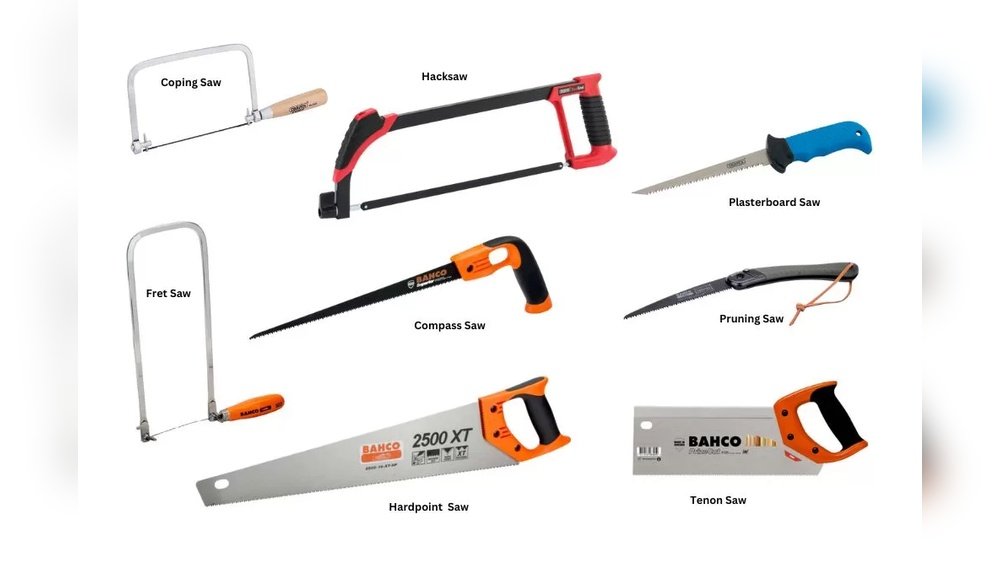
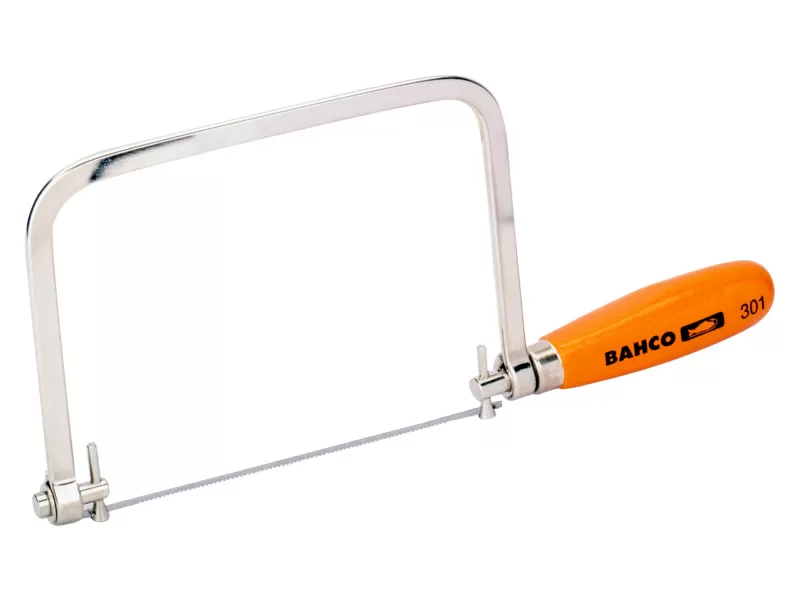
A coping saw is a small, lightweight hand saw made for cutting curves and shapes in wood and plastic. The saw has a thin, narrow blade held in a U-shaped metal frame. The blade is easily removable and can be rotated to different angles. This flexibility lets you cut intricate patterns, tight corners, and even inside cutouts.
Coping saws are often used by woodworkers, carpenters, and DIY enthusiasts for tasks like making dovetail joints, coping moldings, and crafting designs. You can also use them for light metal cutting, but only with the right blade.
Key Features Of Coping Saws
- Thin blade (about 6 inches long, 15–20 teeth per inch)
- Adjustable frame to change blade angle
- Easy blade replacement
- Lightweight (usually less than 1 pound)
- Handle made of wood or plastic for grip
Typical Uses
- Cutting curves in wood
- Making inside cuts (like holes or letters)
- Coping joints for trim and molding
- Small craft projects
What Is A Hacksaw?
A hacksaw is a hand saw mainly used for cutting metal, plastic, and sometimes wood. It has a straight blade held in a rigid rectangular frame. The blade is usually thicker than a coping saw’s and has more teeth per inch. Hacksaws are known for their power and durability—they can cut through pipes, rods, bolts, and thick materials.
Hacksaws are a must-have for mechanics, plumbers, and anyone working with metal. With the right blade, you can cut everything from copper pipes to steel bars.
Key Features Of Hacksaws
- Sturdy frame (usually steel or aluminum)
- Blade length (10–12 inches, 18–32 teeth per inch)
- Replaceable blades
- Comfortable handle for steady grip
- Heavier weight than coping saws (1–2 pounds)
Typical Uses
- Cutting metal pipes and rods
- Trimming plastic parts
- Sawing bolts and screws
- Heavy-duty cutting tasks

Main Differences: Coping Saw Vs Hacksaw
Many people think these saws are interchangeable, but their differences are clear when you look closer. Here’s a direct comparison:
| Feature | Coping Saw | Hacksaw |
|---|---|---|
| Blade Thickness | Very thin | Thicker |
| Blade Length | 6 inches | 10–12 inches |
| Teeth per Inch | 15–20 | 18–32 |
| Frame Shape | U-shaped | Rectangular |
| Best For | Curves, fine cuts | Straight, heavy cuts |
| Material Cut | Wood, plastic | Metal, plastic, some wood |
Non-obvious insight: Many beginners don’t realize that the frame shape affects how much room you have to move the saw. A coping saw’s U-shape lets you reach into tight spaces and make inside cuts, while a hacksaw’s rectangular frame is better for straight, open cuts.
How Coping Saws Work
Coping saws are made for precision and flexibility. The thin blade can turn easily, making it ideal for curves and angles. Here’s how you use one:
- Mark your cut line clearly on the wood or plastic.
- Insert the blade into the frame and tighten it.
- For inside cuts, drill a hole and thread the blade through before tightening.
- Hold the handle firmly and use short, gentle strokes.
- Turn the saw as needed to follow curves.
You can change the blade’s angle by rotating it in the frame. This is helpful for cutting awkward shapes. If the blade breaks, just replace it—most coping saws allow quick blade changes.
Common Mistakes With Coping Saws
- Using too much force (breaks the blade)
- Not marking clear lines (cuts can be uneven)
- Trying to cut thick metal (blade will bend or snap)
- Using the wrong blade for the material
Pro tip: Always let the blade do the work. Pushing too hard will bend or break it.
How Hacksaws Work
Hacksaws are built for strength and straight cutting. The thicker blade stays rigid even during tough jobs. Here’s how to use a hacksaw:
- Choose the right blade (higher TPI for thinner metals, lower TPI for thicker).
- Secure the material with a vise or clamp.
- Tighten the blade in the frame until it’s taut.
- Hold the saw with both hands—one on the handle, one on the frame.
- Use long, steady strokes for best results.
The blade should be replaced when dull or broken. Some hacksaws let you adjust blade tension for a firmer cut.
Common Mistakes With Hacksaws
- Not securing the material (unsafe and uneven cuts)
- Using a dull blade (takes longer, rough edges)
- Cutting too quickly (can break the blade)
- Using wrong TPI (teeth per inch) for the job
Non-obvious insight: Many people forget to choose the right blade. For example, a 24 TPI blade works well for steel, while a 14 TPI blade is better for softer metals like aluminum.
Which Saw Should You Use?
Choosing between a coping saw and a hacksaw depends on your project. Here are key points to help you decide:
Use A Coping Saw If
- You need to cut curves or shapes in wood
- You’re doing fine detail work or crafts
- You need to make inside cuts (like holes)
- The material is thin and not metal
Use A Hacksaw If
- You’re cutting metal or thick plastic
- You need straight cuts
- The material is heavy or tough
- You’re working on plumbing, automotive, or metalwork
Expert advice: If you’re doing both woodworking and metalworking, having both saws in your toolbox is ideal.
Comparing Performance
Let’s look at how these saws perform in real situations.
| Task | Coping Saw | Hacksaw |
|---|---|---|
| Cutting curves in wood | Excellent | Poor |
| Cutting straight lines in metal | Poor | Excellent |
| Making inside cuts | Good | Not possible |
| Cutting thick materials | Poor | Good |
| Blade durability | Low | High |
Practical example: If you need to cut out a circle in a piece of plywood, a coping saw is perfect. But if you need to cut a steel pipe, a hacksaw will get the job done quickly and safely.
Ergonomics And Safety
Both saws require careful handling, but their ergonomics differ.
- Coping saws are light and easy to control. They cause less hand fatigue during long sessions, but their thin blade can snap if mishandled.
- Hacksaws are heavier and require more strength. Their sturdy frame helps prevent accidents, but you must secure the material well.
Safety tips:
- Always wear eye protection
- Keep fingers away from the blade
- Replace damaged blades immediately
- Use clamps or vises for stability
Price And Availability
Coping saws and hacksaws are both affordable. Prices range from $10–$30 for basic models, with professional versions costing more. Replacement blades are cheap, usually $2–$5 each.
You can find these tools at hardware stores, online shops, and tool retailers. For detailed specifications and buying advice, check authoritative sources like Wikipedia.
Blade Options And Maintenance
Coping Saw Blades
- Made for wood, plastic, or light metal
- Easy to swap out
- Can be rotated for different angles
Hacksaw Blades
- Designed for metal, plastic, or wood
- Different TPI for different materials
- Must be kept tight in the frame
Maintenance tips:
- Clean blades after use
- Store saws in dry places to prevent rust
- Replace blades when they dull or break

Choosing The Right Saw: What Matters Most
When choosing between a coping saw and hacksaw, focus on:
- Material type: Wood or plastic? Go with a coping saw. Metal or tough plastic? Choose a hacksaw.
- Cut style: Curves and shapes need a coping saw. Straight cuts need a hacksaw.
- Project size: Small crafts or trim work favor coping saws. Large, heavy jobs favor hacksaws.
- Blade options: Make sure you can buy replacement blades easily.
- Budget: Both are affordable, but don’t buy the cheapest model—quality matters.
Common buyer mistakes: Beginners often buy a coping saw for metal jobs or a hacksaw for fine woodworking. Always match the tool to the job.
Advanced Uses And Tips
- Coping saws can handle light metal if you use a fine-tooth blade, but avoid thick metals.
- Hacksaws can cut some woods, but the cut may be rough.
- For complex woodworking, combine a coping saw with other saws (like a jigsaw).
- For plumbing, always use a hacksaw and secure the pipe before cutting.
Experienced tip: If you need to make many inside cuts, buy extra coping saw blades—they wear out quickly.
Real-world Examples
Woodworking
A furniture maker uses a coping saw to cut decorative curves for chair backs and table legs. The thin blade turns easily, making smooth, detailed cuts.
Plumbing
A plumber uses a hacksaw to cut copper pipes. The sturdy frame and high-TPI blade slice through metal without bending.
Diy Crafts
A hobbyist uses a coping saw to make puzzles, cutting out shapes and letters from thin plywood.
Metal Repair
An auto mechanic uses a hacksaw to cut bolts and rods when making repairs.
Pros And Cons Table
Here’s a summary of the advantages and disadvantages:
| Tool | Pros | Cons |
|---|---|---|
| Coping Saw | – Cuts curves – Lightweight – Easy blade change – Good for crafts | – Blade breaks easily – Not for thick materials – Limited to small tasks |
| Hacksaw | – Cuts metal – Durable – Good for straight cuts – Handles thick materials | – Heavy – Not for curves – Can cause fatigue |
Frequently Asked Questions
What Is The Main Difference Between A Coping Saw And A Hacksaw?
The main difference is their design and purpose. A coping saw is made for cutting curves and shapes in wood or plastic, while a hacksaw is built for cutting straight lines in metal or hard plastic.
Can I Use A Coping Saw To Cut Metal?
You can cut thin metal with a coping saw if you use the right blade, but it’s not recommended for thick or hard metals. The blade is too thin and can break easily.
Which Saw Is Safer For Beginners?
Both saws are safe if used properly. For beginners, a coping saw is easier to control, but always follow safety rules—wear eye protection and secure the material before cutting.
How Do I Choose The Right Blade For Each Saw?
For coping saws, pick blades made for wood or plastic. For hacksaws, choose blades with the right TPI for your material (higher TPI for thin metal, lower TPI for thick metal).
Are Replacement Blades Easy To Find?
Yes, replacement blades for both saws are widely available at hardware stores and online. Always check compatibility with your saw’s frame before buying.
Choosing between a coping saw and a hacksaw is not just about looks—it’s about using the right tool for the job. When you understand their unique strengths, you’ll get better results, save time, and avoid costly mistakes. Whether you’re a beginner or a pro, having both saws in your toolbox opens up more possibilities for your projects.
So next time you pick up a saw, you’ll know exactly which one to use—and why.
As an Amazon Associate, We earn from qualifying purchases