
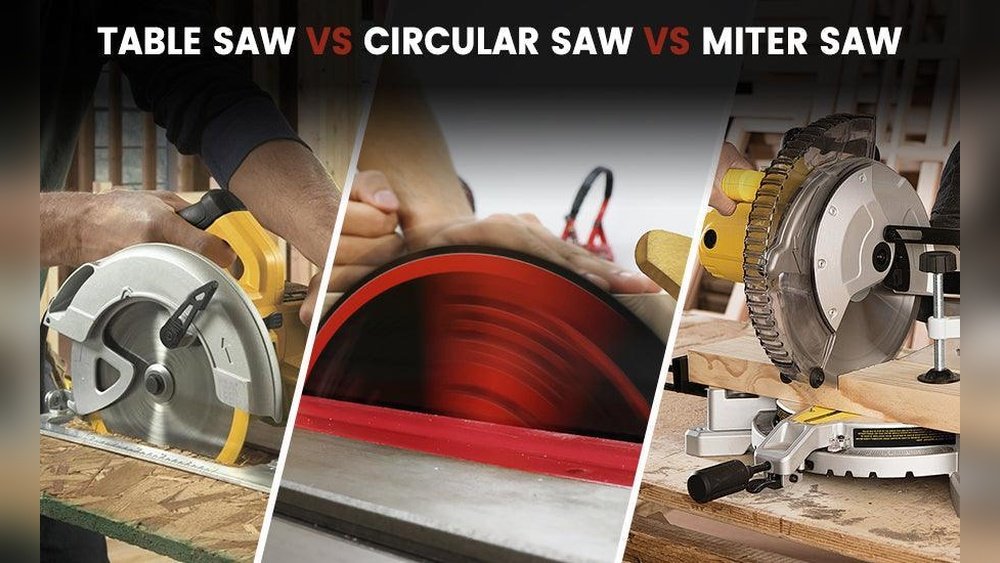
When you start a project that needs cutting wood, metal, or plastic, choosing the right saw is critical. For many people, the decision comes down to a chop saw or a circular saw. Both tools look powerful, but they are built for different jobs. If you are new to tools, picking the wrong one can make your work harder, slower, or even unsafe. This guide gives you a clear, practical comparison of chop saws and circular saws—so you can choose the best tool for your needs.
What Is A Chop Saw?
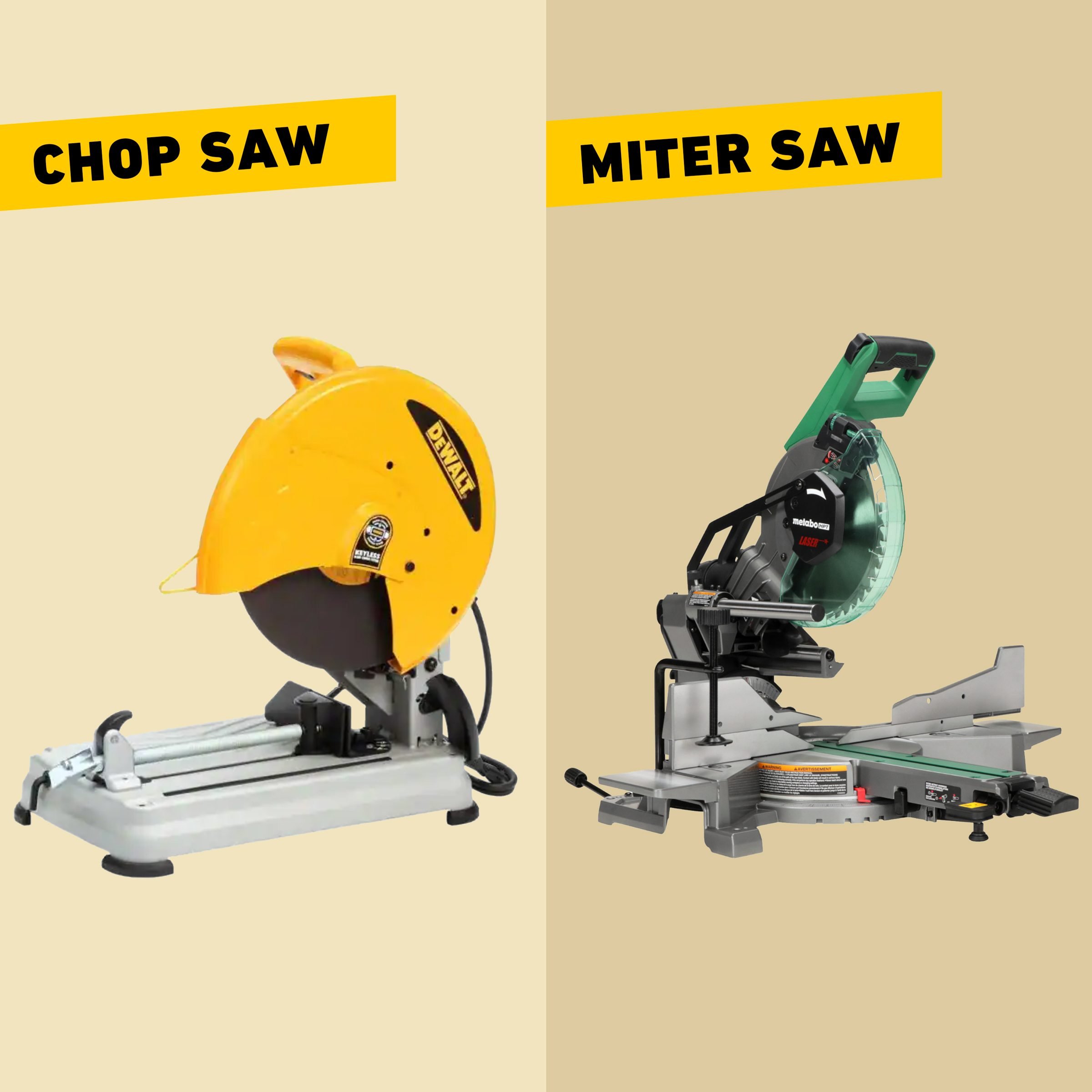
A chop saw is a stationary power tool with a large, round blade mounted on a swing arm. You bring the blade straight down to make fast, precise cuts. Most chop saws are used for cutting metal, but some are designed for wood or masonry. They are popular in construction sites and workshops because they handle tough jobs and heavy materials.
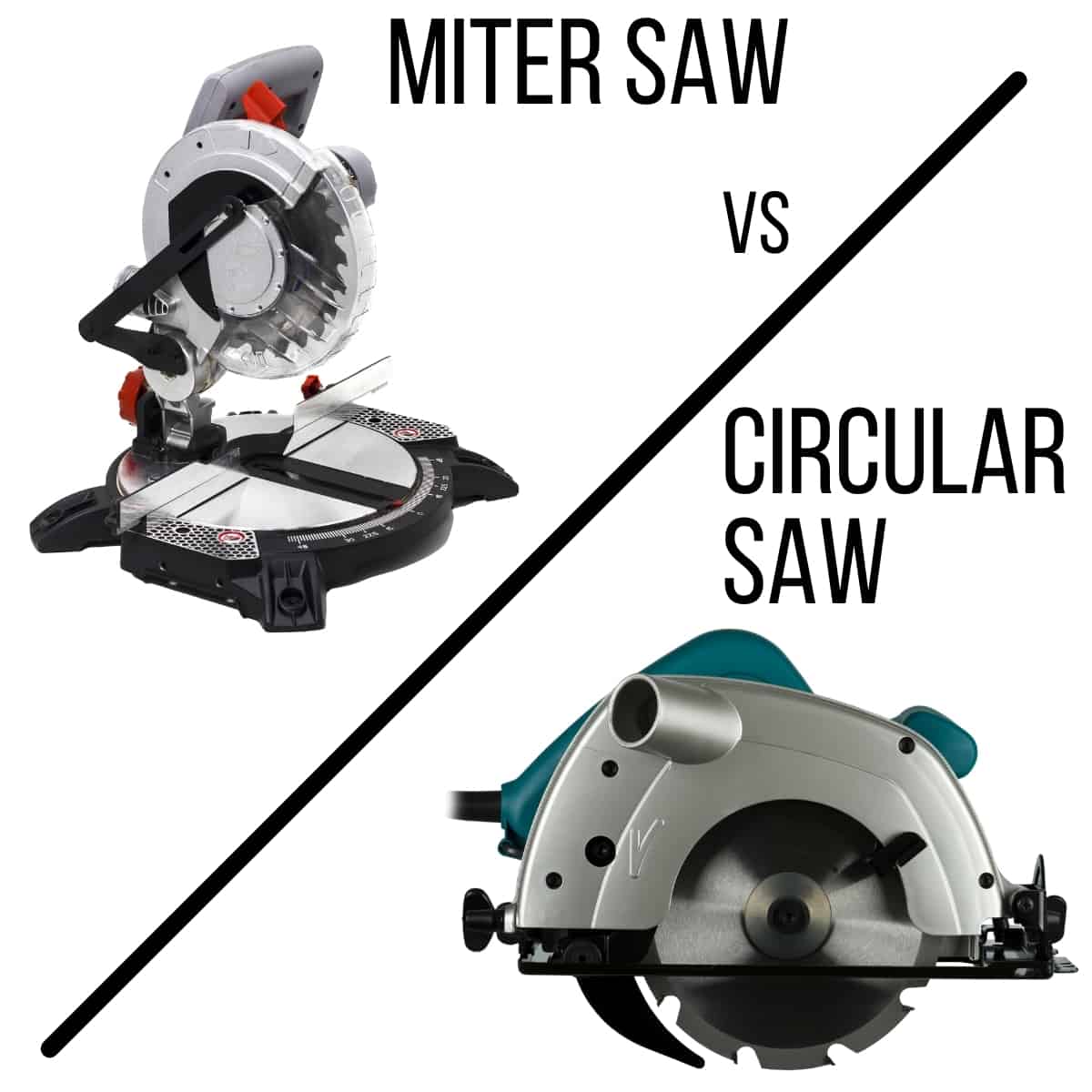
Chop saws are sometimes called “cut-off saws” or “miter saws,” but there are important differences. Most chop saws do not have a feature to adjust the angle of the cut; they cut straight down. Some advanced models, like miter saws, do allow angle cuts.
Key Features Of Chop Saws
- Large, abrasive or toothed blade (usually 14 inches)
- High-speed motor for fast, smooth cuts
- Sturdy base for stability
- Guarded blade for safety
- Mostly stationary—material is moved to the saw, not the other way around
Chop saws are ideal for jobs where you need the same cut, over and over, with high accuracy.
What Is A Circular Saw?
A circular saw is a handheld power tool with a rotating blade. You move the saw across the material to make straight or angled cuts. Circular saws are very common in home workshops and on job sites because they are portable and flexible. They cut wood, plastic, and sometimes metal, depending on the blade.
You can use a circular saw for many types of cuts: straight, bevel, rip, and crosscuts. Because you guide the saw by hand, you need a steady hand and some skill for perfectly straight lines.
Key Features Of Circular Saws
- Portable and lightweight
- Blades usually 7-1/4 inches
- Can cut at angles (bevel cuts)
- Versatile—used for framing, plywood, sheet goods, and more
Circular saws are the go-to tool for general carpentry and home improvement.
Major Differences Between Chop Saws And Circular Saws
Understanding the real differences between these two saws helps you avoid costly mistakes. Below is a simple comparison:
| Feature | Chop Saw | Circular Saw |
|---|---|---|
| Operation | Stationary (material moved to saw) | Handheld (saw moved across material) |
| Typical Blade Size | 14 inches | 7-1/4 inches |
| Best For | Metal, masonry, repeatable cuts | Wood, sheet goods, general use |
| Angle Cuts | Rare (unless miter saw) | Easy (bevel and straight) |
| Portability | Low | High |
When To Use A Chop Saw
Chop saws are not for every job. Here’s when a chop saw is the best choice:
- Cutting Metal: Most chop saws come with abrasive blades that slice steel, aluminum, and rebar.
- Need for Repeatable Cuts: If you are making many pieces the same size, a chop saw is faster and more accurate.
- Straight 90-Degree Cuts: Chop saws excel at straight cuts, especially with heavy material.
- Industrial Projects: Construction sites and fabrication shops use chop saws for speed and safety.
Practical Example
Imagine you are building a metal fence. You need to cut dozens of steel posts to the same length. A chop saw helps you finish the job quickly and every post is exactly the same.
What Beginners Often Miss
- Blade Choice: Not all chop saw blades cut the same material. Using a wood blade on metal can be dangerous.
- Sparks and Noise: Chop saws make lots of sparks and noise, especially with metal. Wear ear and eye protection.
When To Use A Circular Saw
Circular saws are the most popular power saws for home and small business use. They are perfect for:
- Cutting Lumber: Framing, decking, or general woodworking.
- Sheet Goods: Plywood, MDF, or OSB panels.
- Bevel Cuts: Need to cut at an angle? Circular saws adjust easily.
- Working in Tight Spaces: Their lightweight size lets you work almost anywhere.
Practical Example
If you need to cut plywood to build shelves, a circular saw is quick and convenient. You can carry the saw to the wood and cut on the spot.
What Beginners Often Miss
- Guide Rails: For perfectly straight cuts, use a guide or straight edge. Freehand cuts are rarely perfect.
- Kickback Risk: If the blade binds in the cut, the saw can jump back toward you. Always stand to the side, not behind the saw.
Advantages And Disadvantages
No tool is perfect for every job. Here’s a closer look at what each saw does well and where it struggles.
Chop Saw Pros
- Powerful: Cuts through tough materials quickly.
- Accuracy: Great for repeatable, straight cuts.
- Durable: Built for heavy-duty work.
Chop Saw Cons
- Limited Portability: Heavy and needs a stable surface.
- Mostly Straight Cuts: Can’t easily cut angles or curves.
- Noisy and Messy: Generates sparks and dust.
Circular Saw Pros
- Lightweight and Portable: Easy to move and use anywhere.
- Versatile: Handles many types of cuts and materials.
- Affordable: Good for beginners and DIYers.
Circular Saw Cons
- Less Accurate: Depends on user skill for straight cuts.
- Can Be Dangerous: Greater risk of kickback or injury if used incorrectly.
- Limited on Thick Metal: Not suitable for heavy steel or masonry without special blades.
Safety Tips For Both Saws
Both tools are powerful and need respect. Here are key safety tips:
- Wear Safety Gear: Use goggles, hearing protection, and gloves.
- Check the Blade: Make sure the blade is sharp and correct for your material.
- Secure Your Material: Clamp down wood or metal before cutting.
- Keep Hands Clear: Never reach near the spinning blade.
- Let the Tool Stop: Wait for the blade to stop before setting the saw down.
Cost Comparison
The price of power tools can vary a lot. Here’s a typical range:
| Saw Type | Entry-Level Price | Professional Price |
|---|---|---|
| Chop Saw | $120 – $200 | $300 – $600+ |
| Circular Saw | $40 – $100 | $150 – $350 |
What Affects Price?
- Motor Power: Stronger motors cost more.
- Blade Quality: Carbide-tipped blades are more expensive.
- Features: Laser guides, dust collection, and electric brakes add cost.
Which Saw Should You Buy?
Choosing between a chop saw and a circular saw depends on:
- Your main material: Metal (chop saw), wood (circular saw)
- Type of cuts: Straight only (chop saw), variety (circular saw)
- Portability: Need to move around (circular saw)
- Budget: Circular saws are cheaper for most people
Common Mistakes When Choosing
- Buying a chop saw for general carpentry: You’ll be frustrated by its lack of flexibility.
- Using a circular saw for thick steel: The blade will wear out fast and could be dangerous.
- Ignoring blade quality: Cheap blades make rough cuts and wear out quickly.
Maintenance Tips
Proper care keeps your saw working safely and efficiently.
- Clean the saw after use: Remove dust and debris.
- Check the cord: Look for cuts or fraying.
- Lubricate moving parts: Prevents rust and sticking.
- Sharpen or replace blades: A dull blade is dangerous and slow.
Real-world User Experiences
Many professionals keep both saws in their workshop. For example, a carpenter might use a chop saw for framing metal studs, then grab a circular saw for cutting plywood. DIYers often start with a circular saw because it’s cheaper and more flexible.
A common regret among beginners is buying a tool that is too specialized for what they need. If you are unsure, start with a circular saw, as it handles more everyday tasks.
Innovations And Trends
Modern chop saws and circular saws are safer and more precise than ever. Features like laser guides, electric brakes, and dust collection systems make both tools easier to use. Battery technology means some circular saws now compete with corded models for power.
For the latest updates on power tool safety and technology, you can visit the Wikipedia power tool page.
Frequently Asked Questions
What Is The Main Difference Between A Chop Saw And A Circular Saw?
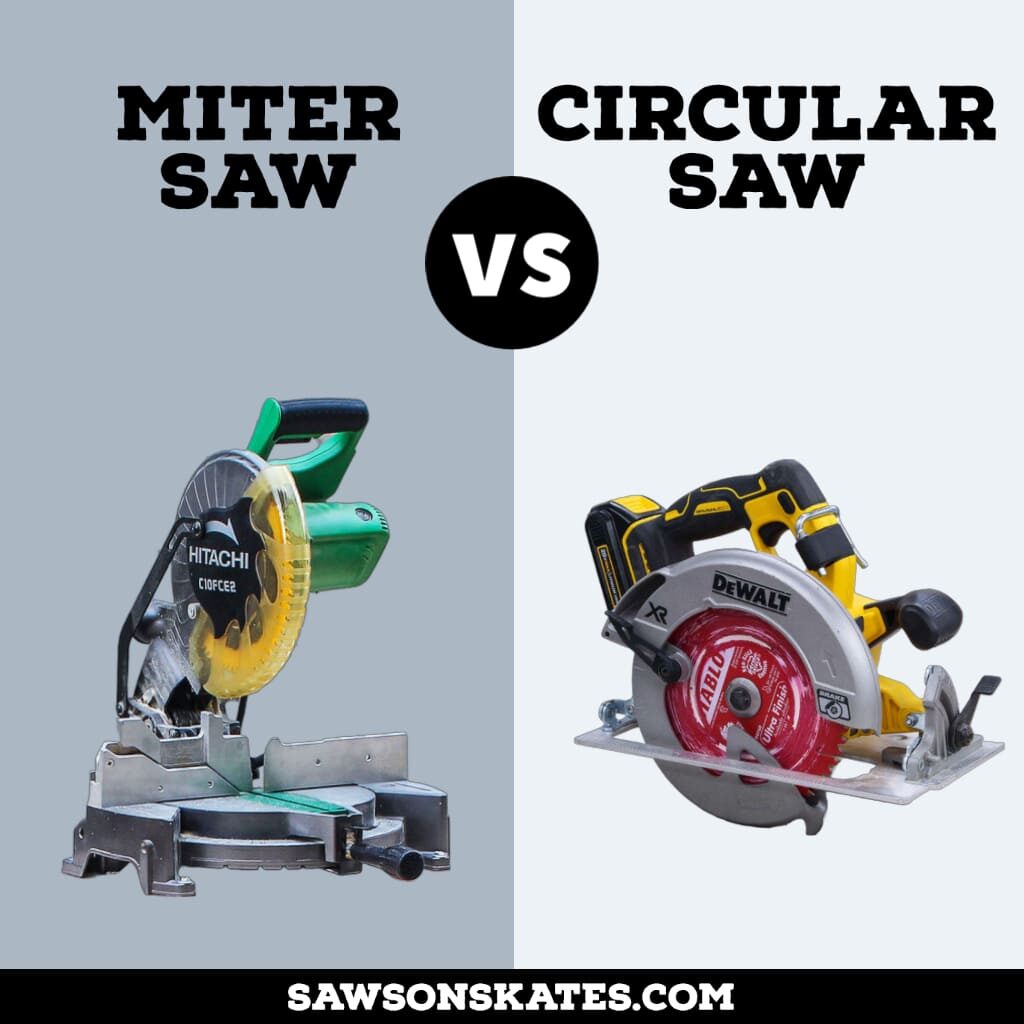
The main difference is how you use them. A chop saw stays in one place, and you bring the material to the saw for straight, repeatable cuts. A circular saw is handheld, so you move it along the material for flexible, on-the-go cutting.
Can A Circular Saw Cut Metal?
Yes, but only thin metal and only with the correct blade. Standard wood blades will not work. For thick steel or heavy pipes, use a chop saw.
Is A Chop Saw Safer Than A Circular Saw?
Both tools are safe if used correctly, but a chop saw is usually safer for beginners because the material is clamped and your hands are away from the blade. Circular saws need more skill to avoid kickback and mistakes.
Which Saw Is Better For Home Use?
For most home projects, a circular saw is better. It’s cheaper, lighter, and more flexible. If you mostly cut metal or do the same cut many times, a chop saw might be better.
How Do I Choose The Right Blade For My Saw?
Always use a blade made for your material. Wood blades have large teeth, metal blades are abrasive or have fine teeth, and masonry blades are made for stone or concrete. Check your tool’s manual and buy high-quality blades for best results.
Choosing between a chop saw and a circular saw does not have to be confusing. Think about what materials you cut most, the types of cuts you need, and your budget. Both tools are powerful and can last for years with proper care.
By understanding their strengths and limits, you’ll make better, safer choices for all your cutting projects.
As an Amazon Associate, We earn from qualifying purchases