
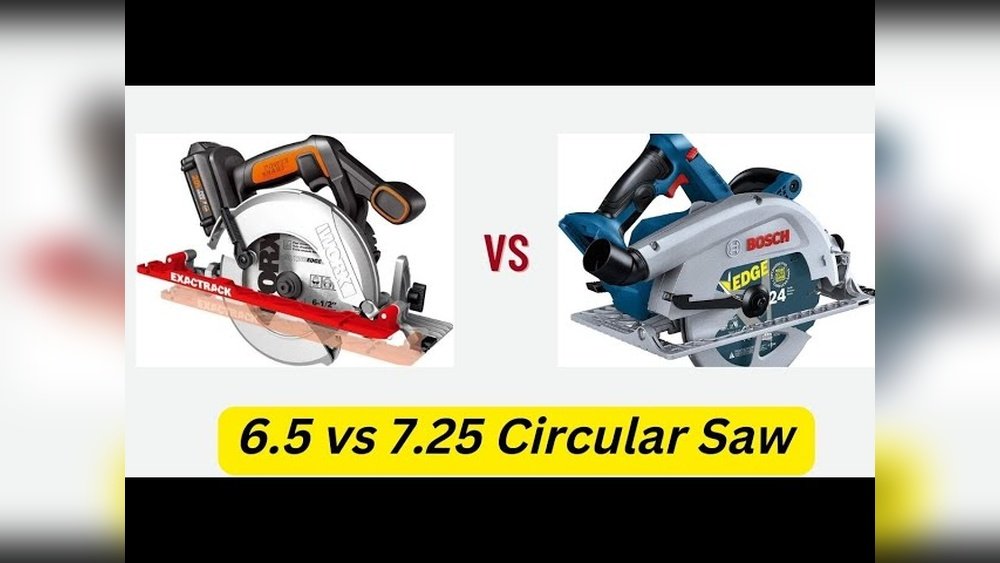
Choosing a circular saw can feel confusing, especially when you see sizes like 6.5-inch and 7.25-inch. These numbers may look small, but the difference between them can change how you work. Picking the wrong saw size might cost you time, money, and even safety. As a straight-to-the-point helper, this guide explains everything you need to know about 6.5 vs 7.25 circular saws. You’ll discover what really matters, see real examples, and get advice that helps you avoid common mistakes.
Understanding Circular Saw Sizes
Circular saws are power tools used for cutting wood, plastic, metal, and more. The size, like 6.5 or 7.25, means the diameter of the blade in inches. A bigger blade usually means a deeper cut, but it also changes the saw’s weight, power, and handling.
Most people think bigger is always better. But that’s not true. Each size has its place. The 6. 5-inch is often found on cordless tools, while the 7. 25-inch is the standard for most professional and DIY projects. Let’s break down what makes them different.
1. Blade Size And Cutting Depth
The blade size is the first thing you’ll notice. A 6.5-inch circular saw uses a blade that is 6.5 inches across. The 7.25-inch saw uses a 7.25-inch blade. That’s just three-quarters of an inch difference, but it matters a lot.
Maximum Cutting Depth
A bigger blade can cut deeper in one pass. Here’s a comparison:
| Saw Size | Max Cutting Depth (90°) | Max Cutting Depth (45°) |
|---|---|---|
| 6.5-inch | ~2.25 inches | ~1.65 inches |
| 7.25-inch | ~2.5 inches | ~1.8 inches |
This means a 7. 25-inch saw can cut through a standard 2x lumber (which is actually 1. 5 inches thick) in one go—even with the blade at an angle. The 6. 5-inch saw might struggle, especially on thicker materials.
Why It Matters
- 7.25-inch: Cuts thicker materials, great for framing, decking, and heavy work.
- 6.5-inch: Lighter cuts, best for thin plywood, paneling, and quick jobs.
Non-obvious insight: If you plan to cut thick hardwood or do framing, the extra depth of the 7.25-inch is a big advantage. Many beginners buy a 6.5-inch saw, then realize it can’t handle the jobs they want to do.
2. Power And Performance
Blade size also affects the motor power. Most 7.25-inch circular saws are corded and have bigger motors. They deliver more torque and keep up with tough cuts. The 6.5-inch saws are usually cordless and have smaller motors.
Power Comparison
| Saw Size | Typical Motor (Amps/Volts) | Best For |
|---|---|---|
| 6.5-inch | 18-20V (cordless battery) | Light/medium jobs |
| 7.25-inch | 15 Amps (corded) | Heavy-duty/professional |
Cordless 6. 5-inch saws are portable but can slow down on thick or hard materials. The corded 7. 25-inch saw rarely bogs down, even on long cuts.
Battery Life And Efficiency
With cordless 6. 5-inch saws, battery life limits how long you can work. If you do long projects, you may need extra batteries. The 7. 25-inch, being corded, runs as long as you need—but you must have an outlet.
Non-obvious insight: Battery-powered 7.25-inch saws exist, but they are heavier and drain batteries faster. If you need power and portability, consider the battery cost before choosing.
3. Weight, Handling, And Portability
One reason many people pick a 6.5-inch circular saw is its weight. These saws are lighter, often by 2-3 pounds. That doesn’t sound like much, but when you’re holding a tool for hours, it makes a big difference.
Handling And Control
- 6.5-inch: Usually 5-7 lbs. Easier to hold above your head, cut with one hand, or move around the job site.
- 7.25-inch: Usually 8-11 lbs. More stable on a workbench, but can be tiring if used overhead or on a ladder.
A smaller saw is also easier to use in tight spaces or for quick, simple cuts. However, lighter saws can vibrate more, making straight cuts harder for beginners.
Portability
If you work in different places or need to move your saw a lot, the 6. 5-inch saw is easier to carry. It fits into small toolboxes and works well for home repairs.
Example: A roofer or repair worker often chooses the 6.5-inch saw to climb ladders or work on scaffolding.
4. Blade Availability And Cost
Blades wear out. You’ll need to replace them, and not all sizes are easy to find. The 7.25-inch blade is the most common in the US. Every hardware store stocks them, and you’ll find many types: wood, metal, masonry, and more.
Blade Options
- 7.25-inch: Huge variety, often cheaper, special blades for many materials.
- 6.5-inch: Fewer options, sometimes more expensive, and you may need to order online.
Non-obvious insight: Specialty blades (like for cement board or fine finish) are much easier to find for 7.25-inch saws. If you plan to cut different materials, you’ll save time and money with the standard size.
Cost
The saw itself is often cheaper in the 6. 5-inch size, especially for cordless kits. But replacement blades can cost more and may not last as long.
5. Applications And Best Use Cases
Neither saw is “better” for all jobs. The right choice depends on what you need to do.
Where 6.5-inch Circular Saws Shine
- Trim work and finish carpentry: Light, easy to handle, good for cutting moldings and panels.
- DIY repairs: For small jobs around the house, it’s enough.
- Overhead or ladder work: Less weight makes the saw safer and less tiring.
- Tight spaces: Fits where a larger saw will not.
Where 7.25-inch Circular Saws Win
- Framing and construction: Cuts through 2x lumber, plywood, and even some beams in one pass.
- Deck building: Handles pressure-treated wood and thick boards.
- Long, straight cuts: More power means less chance of bogging down.
- Frequent use: Durable, reliable, and easy to find replacement parts.
Table: Typical Users For Each Saw
| Saw Size | Best For | Common Users |
|---|---|---|
| 6.5-inch | Light-duty, portable jobs | Homeowners, DIYers, handymen |
| 7.25-inch | Heavy-duty, large projects | Contractors, carpenters, builders |
Tip: If you only own one saw, the 7.25-inch is the safest pick. It handles both small and large jobs. The 6.5-inch is best as a second tool for quick work or when you need to move fast.
Common Mistakes When Choosing
Many people buy the wrong saw and regret it. Here are mistakes to avoid:
- Buying just for price: Cheap saws often lack power. You’ll spend more in the end fixing mistakes or buying a second tool.
- Ignoring blade cost and availability: Specialty blades for 6.5-inch saws can be expensive and hard to find.
- Not thinking about future projects: You may need to cut thicker wood later. The 7.25-inch gives you more options.
- Overestimating portability needs: Most 7.25-inch saws are not that heavy for short jobs.
Example: A homeowner buys a 6.5-inch saw for one small repair. Later, they want to build a deck and must buy a bigger saw.
Real-world Examples
Let’s look at real scenarios to show how the choice matters.
- Case 1: Sarah is a DIY homeowner. She mostly does craft projects and small repairs. A 6.5-inch cordless saw lets her work in the garage, outside, or anywhere without a cord. She loves the light weight and easy handling.
- Case 2: Mark is a contractor. He builds decks, frames walls, and works all day. He uses a 7.25-inch corded saw because it never slows down, even when cutting thick wet wood.
- Case 3: Jake is a handyman. He owns both. The 6.5-inch saw is for quick cuts and repairs. The 7.25-inch is for bigger jobs or when he needs perfect, straight lines.
Which Saw Should You Choose?
Ask yourself these questions:
- What will I cut most often? Thin trim or thick framing lumber?
- Do I need to move around a lot, or will I work in one place?
- Am I okay with using batteries, or do I prefer unlimited power from a cord?
- Do I need special blades for different materials?
If you’re not sure, start with a 7.25-inch circular saw. It’s the most flexible and handles almost any job. The 6.5-inch is great as a backup or for light, fast work.
Frequently Asked Questions

What Is The Main Difference Between A 6.5 And 7.25 Circular Saw?
The main difference is the blade size. A 7.25-inch saw cuts deeper and handles thicker materials. It’s usually more powerful but heavier. The 6.5-inch is lighter and easier to carry but has a smaller cutting depth.
Can I Use A 7.25-inch Blade On A 6.5-inch Saw?
No. The saw is designed for a specific blade size for safety. Using the wrong size can damage the saw and cause injury. Always use the blade size the manufacturer recommends.

Are 6.5-inch Circular Saws Good For Woodworking?
Yes, for light work like cutting thin plywood, trim, or small boards. But for bigger projects or hardwood, a 7. 25-inch saw is better.
Which Saw Is Better For Beginners?
Most beginners do well with a 7.25-inch circular saw because it’s more flexible. But if weight is a concern, or you only do small jobs, the 6.5-inch saw is easier to handle.

Where Can I Find More Information About Circular Saws?
You can learn more at the Wikipedia Circular Saw page for in-depth details about saw types, safety, and history.
Choosing between a 6.5 vs 7.25 circular saw isn’t just about numbers. It’s about matching the tool to your needs. Think about your typical projects, your workspace, and your future plans. With the right choice, your work will be faster, safer, and more enjoyable.
As an Amazon Associate, We earn from qualifying purchases