
Chain Wrench Vs Pipe Wrench: Full Comparison, Uses, and Expert Insights
When it comes to gripping, turning, or removing pipes and cylindrical objects, the right tool makes all the difference. Many people confuse the chain wrench and the pipe wrench, thinking they do the same job. In reality, these tools have unique designs, strengths, and best-use situations. This guide will clear up the confusion, help you choose the correct tool, and show you practical tips for both wrenches. Whether you are a plumber, mechanic, or DIY enthusiast, understanding these tools will save you time and prevent costly mistakes.
What Is A Pipe Wrench?
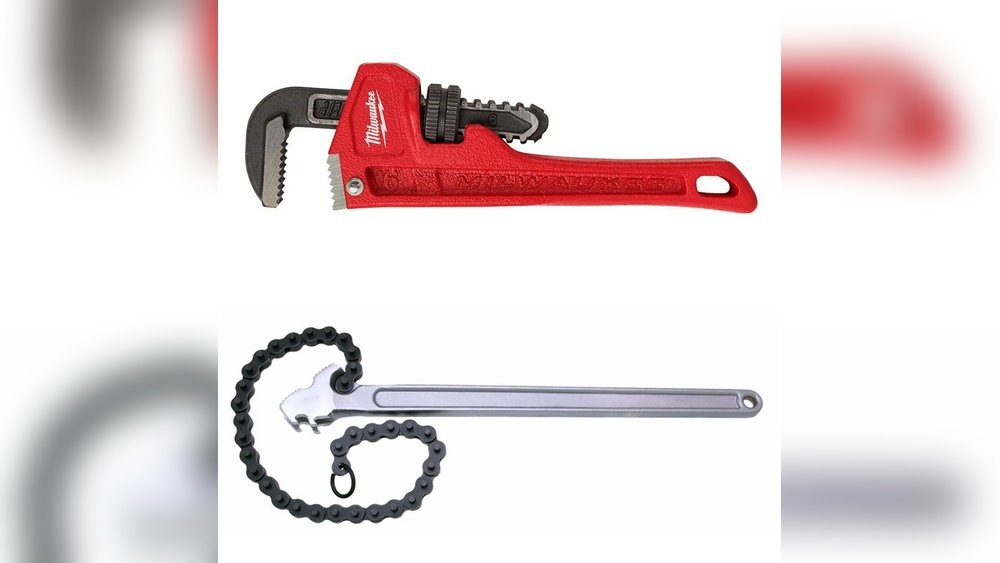
A pipe wrench is a classic hand tool for turning threaded pipes and fittings. Its body is usually made of steel or aluminum, with serrated jaws that grip round objects tightly. The adjustable head lets you fit the wrench to different pipe sizes.
Pipe wrenches are essential for plumbing tasks. They work well on steel, iron, and brass pipes. The jaw design bites into the pipe surface, allowing strong torque. However, this can leave marks or scratches, especially on softer materials.
Most pipe wrenches follow the same basic structure:
- Long handle for leverage
- Movable upper jaw
- Fixed lower jaw
- Knurled knob to adjust jaw gap
The typical pipe wrench ranges from 8 inches to 48 inches in length. Larger models can handle pipes over 4 inches in diameter.
Example: If you need to loosen a tight 2-inch iron pipe fitting, a 14-inch pipe wrench is usually enough. For bigger jobs, such as oil pipelines, you might use a 36-inch or even a 48-inch pipe wrench.
What Is A Chain Wrench?
A chain wrench is a special tool with a strong chain attached to a handle and a gripping jaw. The chain wraps around the object, then hooks back onto the jaw. When you pull the handle, the chain tightens, gripping the object securely.
Chain wrenches are used for pipes, round bars, or objects with irregular surfaces. They are especially useful when a pipe wrench cannot grip due to space, shape, or material. Chain wrenches do not leave deep marks, making them better for soft or polished materials.
Typical features:
- Hardened steel chain
- Handle with gripping jaw
- Hook or slot to fasten chain
- Adjustable chain length for different diameters
Chain wrenches are available in sizes to handle pipes from 1 inch to over 18 inches in diameter. Heavy-duty models can grip up to 20,000 pounds of force.
Example: When removing a stuck chrome pipe under a sink, a chain wrench can grip without damaging the shiny finish.

Key Differences Between Chain Wrench And Pipe Wrench
Many users wonder how these tools differ. Here is a clear comparison:
| Feature | Pipe Wrench | Chain Wrench |
|---|---|---|
| Gripping Method | Serrated jaws clamp directly on pipe | Chain wraps and tightens around pipe |
| Best For | Threaded metal pipes | Irregular, large, or soft pipes |
| Damage Risk | Can scratch or crush pipe surface | Minimal surface damage |
| Space Required | Needs room for jaw movement | Works in tight spaces |
| Adjustability | Knob changes jaw gap | Chain fits multiple diameters |
| Torque | High torque for small pipes | Extreme torque for large pipes |
Uses And Applications
Understanding where each wrench excels is key for professional results.
Pipe Wrench Uses
The pipe wrench is most popular in plumbing and construction. It is used for:
- Installing or removing threaded pipes
- Tightening pipe fittings
- Loosening stuck pipes
- Working with iron, steel, or brass pipes
Many home plumbing repairs involve a pipe wrench. For example, replacing a faucet, fixing a leaky joint, or building a water line.
Chain Wrench Uses
The chain wrench is more specialized. It is ideal for:
- Removing pipes with smooth or polished surfaces
- Working in tight spaces (under sinks, behind walls)
- Handling large-diameter pipes
- Gripping irregular shapes (filters, rods)
- Use with soft or fragile materials (PVC, coated pipes)
Chain wrenches are common in oil refineries, chemical plants, and situations where pipe damage must be avoided.
Advantages Of Pipe Wrench
Pipe wrenches are favored for their simplicity and power. Here are their main advantages:
- High torque: The long handle and jaw design allow strong turning force.
- Easy adjustment: The knob lets you quickly fit the wrench to various pipe sizes.
- Widely available: Pipe wrenches are sold everywhere, from hardware stores to supermarkets.
- Durable: Most pipe wrenches last for years, even with heavy use.
- Cost-effective: Basic models are affordable, making them a staple for professionals and homeowners.
Non-obvious insight: Pipe wrenches can sometimes be used on hex nuts or bolts, but this is not recommended as the jaws may slip and damage the fastener.
Advantages Of Chain Wrench
Chain wrenches have unique strengths that make them invaluable in certain jobs:
- Minimal pipe damage: The chain distributes force, avoiding deep scratches.
- Fits various shapes: Can grip pipes, rods, and even flat surfaces.
- Works in confined spaces: The chain wraps around objects where a pipe wrench cannot reach.
- Extreme torque: The design allows huge force, even for large or frozen pipes.
- Adjustable length: One chain wrench can handle many pipe diameters.
Non-obvious insight: Chain wrenches are often used for opening large industrial filters or jar lids in factories, not just pipes.
Limitations Of Pipe Wrench
Despite their popularity, pipe wrenches have drawbacks:
- Surface damage: The jaws often leave teeth marks, which can lead to leaks or corrosion.
- Limited grip on smooth surfaces: Pipe wrenches slip on polished or coated pipes.
- Size constraints: Very large or small pipes may require special models.
- Not ideal for tight spaces: The head and handle need room to operate.
A common mistake is using a pipe wrench on PVC or plastic pipes. This can crush and crack the material.
Limitations Of Chain Wrench
Chain wrenches are powerful, but not perfect:
- Slower setup: Wrapping and hooking the chain takes extra time.
- Chain can pinch fingers: Improper use can cause injury.
- Less precise adjustment: Tightening depends on chain length and hook placement.
- Bulky for small jobs: Not ideal for tiny pipes or fittings.
Some beginners also forget to check the chain for wear, which can cause slipping or breakage.
Choosing The Right Tool: Pipe Wrench Or Chain Wrench?
Selecting the right wrench depends on your job and material. Here’s a quick guide:
| Situation | Pipe Wrench | Chain Wrench |
|---|---|---|
| Threaded iron pipe | Best | Acceptable |
| Chrome or polished pipe | Poor (may scratch) | Best |
| Large diameter pipe | Sometimes | Best |
| PVC or plastic pipe | Risky (can crush) | Safer |
| Tight, awkward space | Poor | Best |
| Irregular shape | Unusable | Best |
If you work mostly with traditional plumbing, the pipe wrench is your go-to. For specialized jobs, add a chain wrench to your toolbox.
Common Mistakes Beginners Make
Many new users make mistakes with these tools. Here are the most frequent:
- Wrong wrench for the material: Using a pipe wrench on soft pipes, or a chain wrench on threaded fittings.
- Over-tightening: Applying too much force can crush or deform pipes.
- Ignoring tool size: Using a small wrench on a big pipe leads to slipping and injury.
- Neglecting chain maintenance: A worn or dirty chain on a chain wrench can fail under load.
- Improper jaw adjustment: Not adjusting pipe wrench jaws properly can damage pipes and reduce grip.
Always check your tool before use, match it to the pipe type, and apply steady—not excessive—force.
How To Use A Pipe Wrench Safely
Safety is crucial when using a pipe wrench. Follow these practical steps:
- Select the right size: The wrench should be large enough for the pipe, but not oversized.
- Adjust the jaw gap: Turn the knob so the jaws fit snugly around the pipe.
- Place the wrench correctly: The jaws should be flat on the pipe, not angled.
- Apply steady pressure: Pull the handle, do not jerk or twist suddenly.
- Check grip: If the wrench slips, readjust and try again.
Tip: If you need extra force, use a longer wrench—not more strength.
How To Use A Chain Wrench Safely
Chain wrenches require careful handling to avoid injury. Here’s how:
- Wrap the chain: Place the chain around the pipe, making sure it is flat and not twisted.
- Hook the chain: Fasten the chain securely to the jaw or hook.
- Tighten by hand: Pull the handle slowly, letting the chain grip the pipe.
- Check for slippage: If the chain moves, reposition and try again.
- Release gently: When finished, loosen the chain slowly to avoid pinching fingers.
Tip: Always inspect the chain before use. If you see cracks or rust, replace it.
Pipe Wrench And Chain Wrench Maintenance
Proper care extends tool life and ensures safety.
Pipe Wrench Maintenance
- Clean after each use.
- Lubricate the adjustment knob and jaw.
- Inspect teeth for wear or damage.
- Store in a dry place to prevent rust.
Chain Wrench Maintenance
- Wipe chain clean after use.
- Oil chain links to prevent rust.
- Check hook and jaw for damage.
- Replace worn chains immediately.
Non-obvious insight: Storing tools vertically prevents moisture buildup and reduces rust risk.
Pipe Wrench And Chain Wrench Pricing
Costs vary based on size, brand, and materials.
| Type | Small Size (8-14″) | Medium Size (18-24″) | Large Size (36-48″) |
|---|---|---|---|
| Pipe Wrench | $15-$30 | $30-$60 | $80-$200 |
| Chain Wrench | $25-$45 | $50-$90 | $120-$250 |
Professional-grade tools cost more but last longer and work better. For most home users, mid-range models are enough.
Expert Tips For Better Results
Even experienced users can improve their work. Try these advanced tips:
- Use a rag or rubber sleeve: Place it between the pipe and wrench to reduce damage.
- Double wrench technique: For stuck pipes, use two wrenches in opposite directions.
- Heat for stubborn joints: A heat gun can loosen old, frozen pipe fittings.
- Chain wrench backup: Keep a chain wrench for emergencies—especially when pipe wrench fails.
- Buy quality tools: Cheap wrenches often slip or break. Invest in trusted brands.
If you need more advice on tool selection, visit the Wikipedia wrench page for detailed information.
Pipe Wrench And Chain Wrench In Industry
Both tools are vital in professional settings:
- Plumbers: Use pipe wrenches daily for repairs and installations.
- Oil and gas workers: Rely on chain wrenches for large, smooth pipes.
- Mechanical engineers: Need both for assembly and maintenance.
- Factory workers: Use chain wrenches for filters, jars, and special fittings.
Statistics show that pipe wrenches are used in 80% of home plumbing jobs, while chain wrenches are used in 60% of industrial pipe maintenance.
Pipe Wrench And Chain Wrench Alternatives
Other tools sometimes replace pipe and chain wrenches:
- Strap wrench: Uses a flexible strap instead of a chain. Good for delicate surfaces.
- Adjustable wrench: Fits nuts and bolts, not pipes.
- Locking pliers: Can grip small pipes but lack torque.
Each tool has its limits. For pipe work, pipe and chain wrenches remain the best options.
Frequently Asked Questions
What Is The Main Difference Between A Pipe Wrench And A Chain Wrench?
The pipe wrench uses serrated jaws to grip and turn pipes, while the chain wrench wraps a chain around the pipe to tighten and grip. Pipe wrenches are best for threaded metal pipes, while chain wrenches handle smooth, large, or soft pipes.
Can A Chain Wrench Replace A Pipe Wrench?
A chain wrench can sometimes replace a pipe wrench, especially for large or smooth pipes. However, pipe wrenches are better for everyday plumbing jobs with threaded pipes. Having both tools covers more situations.
Which Tool Is Safer For Soft Pipes Like Pvc?
The chain wrench is safer for soft pipes because it spreads force and reduces crushing risk. Pipe wrenches can damage PVC or plastic pipes, leading to leaks.
How Do I Maintain A Chain Wrench?
Clean the chain after every use, oil the links, and check for signs of wear or rust. Replace the chain if it shows cracks. Proper maintenance prevents slipping and keeps the wrench working well.
Are Pipe Wrenches And Chain Wrenches Expensive?
Prices vary. Pipe wrenches are usually cheaper, starting at $15 for small models. Chain wrenches cost more, especially for heavy-duty sizes. Investing in quality tools pays off with longer life and safer work.
Both pipe and chain wrenches are essential for anyone working with pipes. Understanding their differences, strengths, and limitations will help you tackle any task confidently. Choose wisely, maintain your tools, and you will enjoy safer, faster, and better results every time.
As an Amazon Associate, We earn from qualifying purchases