
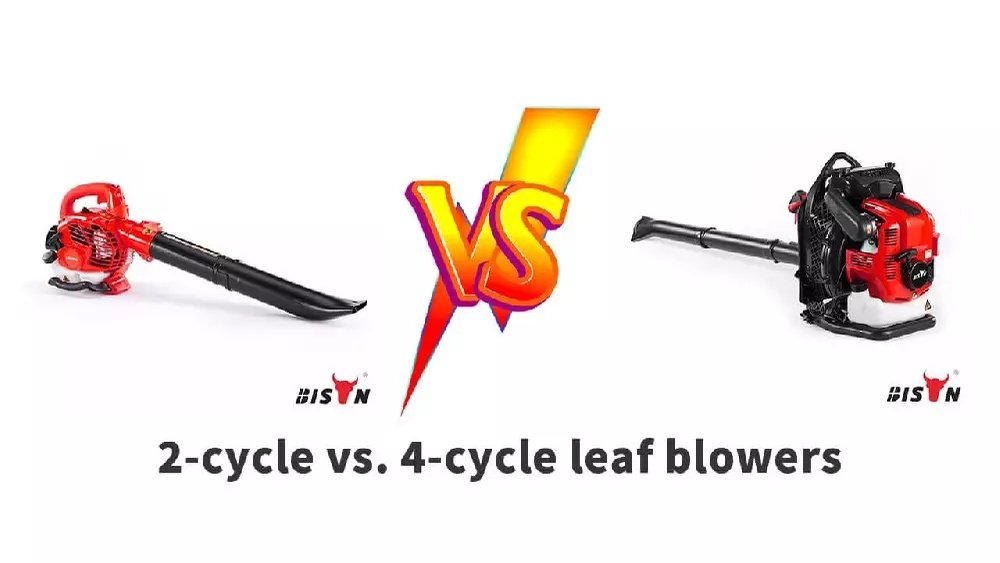
If you’re thinking about buying a leaf blower, there’s one question that often comes up: Should you choose a 2 cycle or 4 cycle leaf blower? This choice affects how the machine works, how easy it is to use, how much maintenance it needs, and even how noisy your yard work will be. Many homeowners, as well as professional landscapers, feel confused by these terms at first. The differences can seem technical, but knowing them helps you pick the right tool for your needs and budget.
This guide breaks down everything you need to know about 2 cycle vs 4 cycle leaf blowers. We’ll look at how each engine works, their pros and cons, fuel requirements, power, weight, maintenance, environmental impact, and more. You’ll also see real-world examples and get practical advice. By the end, you’ll be ready to make a smart, confident choice for your yard.
Understanding The Basics: What Are 2 Cycle And 4 Cycle Leaf Blowers?
First, let’s explain what “cycle” means. In engines, a “cycle” is a full sequence of steps the engine uses to produce power. This affects how the engine uses fuel, oil, and air.
2 Cycle (or 2 Stroke) Engines:
- Complete a power cycle in just two movements of the piston.
- Mix oil and gasoline together for fuel.
- Common in smaller, lighter tools.
4 Cycle (or 4 Stroke) Engines:
- Complete a power cycle in four movements of the piston.
- Use gasoline only in the fuel tank; oil goes in a separate compartment.
- Found in heavier, often quieter machines.
These design differences lead to real effects on performance, weight, noise, and cost.
How 2 Cycle And 4 Cycle Leaf Blower Engines Work
2 Cycle Engine Operation
A 2 cycle engine combines fuel and oil into one mixture. Here’s what happens:
- The piston moves up and down inside the cylinder.
- On the first stroke, the piston compresses the fuel/oil/air mixture.
- A spark plug ignites the mixture, creating power and moving the piston down (this is the power stroke).
- On the second stroke, exhaust gases are pushed out, and new mixture enters for the next cycle.
This process repeats quickly, giving fast power in a compact package.
4 Cycle Engine Operation
A 4 cycle engine separates oil and gasoline. The engine uses:
- Intake stroke: Piston moves down, drawing in air and fuel.
- Compression stroke: Piston moves up, compressing the mixture.
- Power stroke: Spark ignites, piston moves down.
- Exhaust stroke: Piston moves up, pushing out exhaust.
Oil stays in the engine and lubricates moving parts, similar to a car engine.

Key Differences Between 2 Cycle And 4 Cycle Leaf Blowers
Let’s look at the main differences. This table summarizes some of the most important points:
| Feature | 2 Cycle Leaf Blower | 4 Cycle Leaf Blower |
|---|---|---|
| Fuel Type | Gas & oil mix | Gasoline only |
| Weight | Lighter | Heavier |
| Noise | Louder | Quieter |
| Maintenance | Simpler, but frequent | More complex |
| Power Output | Higher for size | More consistent |
| Environmental Impact | More emissions | Cleaner running |
| Price | Usually lower | Usually higher |
Fuel Requirements And Mixing
One of the first things new buyers notice is the difference in fueling.
2 Cycle Fuel Mixing
You must mix gasoline and 2-cycle engine oil in a specific ratio—often 50:1 or 40:1 (gas:oil). For example, one gallon of gas may need 2.6 ounces of oil. This mixture lubricates the engine as it runs. If you forget to add oil, the engine can quickly overheat and break down.
Many beginners make mistakes here, such as:
- Using the wrong oil type (never use automotive oil).
- Incorrect mix ratios.
- Storing mixed fuel for too long (it can go bad in a month).
4 Cycle Fuel Simplicity
With a 4 cycle blower, you just put regular gasoline in the fuel tank. Oil goes in a separate compartment, and you change it like in a car. This setup is much easier for people who don’t want to measure and mix fuel.
However, you must remember to check oil levels and change oil regularly.
Power And Performance: Which Is Stronger?
Many people believe that more cycles mean more power, but the truth is more nuanced.
2 Cycle Power Advantages
2 cycle leaf blowers produce more power for their weight. Their design lets them rev up quickly, delivering strong bursts of air, which is useful for moving wet leaves or heavy debris. They are often the choice for professionals who need lightweight tools with high power.
4 Cycle Power Consistency
4 cycle blowers can deliver steady, smooth power. While they’re usually heavier, they don’t always have the same “punch” per pound as 2 cycle models. However, for larger yards or long jobs, the even power can be a big benefit.
Real-world Example
A typical 2 cycle handheld blower may have a maximum air speed of 170 mph and move up to 430 cubic feet per minute (CFM). A similar 4 cycle blower might move slightly less air but run more smoothly and with less vibration.
Weight And Portability
Weight is a major concern, especially for handheld blowers. Carrying a heavy tool for 30 minutes or more can be tiring.
2 cycle blowers are usually lighter. Many handheld models weigh around 8–10 pounds.
4 cycle blowers are heavier because of extra engine parts. It’s common to see models at 10–14 pounds for handheld units. This difference is even more obvious with backpack blowers.
Some users with back or arm issues prefer 2 cycle models for this reason. However, if you want a backpack blower and don’t mind a few more pounds, 4 cycle models can be very comfortable due to padded straps and balanced design.
Noise Levels: Which Is Quieter?
Noise is a real issue, both for your ears and for neighbors. Many cities have rules about leaf blower noise.
2 cycle blowers are louder. They can reach 90–100 decibels (dB) or more. This is as loud as a motorcycle and can damage hearing with long use.
4 cycle blowers usually run at 80–90 dB. The sound is also less high-pitched, which some people find less annoying.
Wearing ear protection is a good idea with any gas blower, but especially with 2 cycle engines.
Maintenance Differences
Many buyers assume 2 cycle blowers need less maintenance because they are simpler. This is only partly true.
2 Cycle Maintenance
- Frequent air filter cleaning (because of oil in the fuel)
- Spark plug replacements (oil can foul plugs faster)
- Fuel mix accuracy is critical
- Winter storage: Must empty fuel to prevent gumming
4 Cycle Maintenance
- Oil changes (check every 20–30 hours of use)
- Air filter and spark plug changes
- Valve adjustments (rarely needed but possible)
- Fuel stabilizer for winter storage
Some beginners miss that 4 cycle engines need oil changes just like a car. Forgetting this can damage the engine.
Environmental Impact
Lawn equipment is a big source of air pollution in the US. According to the California Air Resources Board, using a gas leaf blower for one hour can produce as much smog-forming pollution as driving a car for over 1,100 miles.
2 cycle engines are less efficient and burn oil with fuel, creating more emissions. That’s why some areas are banning 2 cycle blowers.
4 cycle engines burn fuel more completely, making fewer emissions. They’re generally more eco-friendly, though still not as clean as electric models.
If you care about the environment or live in a city with strict air quality rules, a 4 cycle or electric blower is a better choice.
Cost: Which Is More Affordable?
2 cycle leaf blowers are almost always cheaper up front. Entry-level models start around $70–$120 for handheld units.
4 cycle models cost more to buy. Expect to pay $120–$200 or more for similar power.
However, 4 cycle blowers may save you money on oil (since you don’t burn it as you use the blower) and can last longer with proper maintenance.
Common User Mistakes And How To Avoid Them
1. Using The Wrong Fuel
Beginners sometimes use straight gasoline in a 2 cycle engine, forgetting to mix oil. This leads to quick engine failure.
Tip: Always label your gas cans and use a measuring cup for oil.
2. Ignoring Oil Changes
With 4 cycle blowers, forgetting to check and change oil is a top mistake. This causes overheating and serious engine damage.
3. Storing Fuel Too Long
Old fuel can clog carburetors in both types of engines. Buy only as much as you need for a month or two.
4. Not Cleaning Air Filters
Dirty air filters reduce power and make starting harder. Check them monthly if you use your blower often.
5. Using In Restricted Areas
Some cities ban or restrict gas leaf blowers, especially noisy or high-emission models. Always check local rules.
Comparing Performance: Real Data
Here’s a direct comparison of two popular leaf blowers—one 2 cycle, one 4 cycle.
| Model | Engine Type | Air Volume (CFM) | Air Speed (MPH) | Weight (lbs) | Noise Level (dB) | Price (USD) |
|---|---|---|---|---|---|---|
| Echo PB-2520 | 2 Cycle | 453 | 170 | 8.6 | 70 | 150 |
| Troy-Bilt TB4HB EC | 4 Cycle | 500 | 150 | 10 | 72 | 170 |
You can see the 2 cycle model is lighter and has a higher air speed, while the 4 cycle model moves more air volume and is a bit heavier.
Pros And Cons: 2 Cycle Vs 4 Cycle Leaf Blowers
2 Cycle Pros
- Lighter weight for easy handling
- Higher power-to-weight ratio
- Lower upfront cost
- Simple design, fewer moving parts
2 Cycle Cons
- Requires fuel mixing
- Louder operation
- More emissions
- Needs more frequent spark plug and filter care
4 Cycle Pros
- No fuel mixing required
- Quieter operation
- Lower emissions
- More fuel efficient
4 Cycle Cons
- Heavier to carry
- More expensive
- Needs oil changes and sometimes valve checks
- More moving parts (can mean higher repair costs)
Which Leaf Blower Is Best For You?
The right leaf blower depends on your needs, budget, and preferences.
When To Choose A 2 Cycle Leaf Blower
- You want a lightweight tool
- You have a smaller yard or short jobs
- You are comfortable mixing fuel and doing basic maintenance
- You need high power in a compact size
- Budget is a top concern
When To Choose A 4 Cycle Leaf Blower
- You want easy fueling (no mixing)
- Quieter operation is important to you or your neighbors
- You care about lower emissions
- You don’t mind extra weight (or prefer a backpack model)
- You want a tool for longer, regular use
Non-obvious Insights Beginners Often Miss
- Fuel mixing isn’t just about ratios—it’s about freshness. Even a perfect mix can go bad after a month or two, causing hard starts and rough running. Always use fresh gas and oil, and store your mixture in a sealed, approved container.
- 4 cycle blowers need to be stored upright. Oil can leak into the cylinder if stored on their side, leading to smoke and difficult starts next time you use them.
- Vibration matters. 2 cycle engines often have more vibration, which can make your hands numb after long use. 4 cycle blowers usually vibrate less.
- Cold weather performance differs. 2 cycle engines often start easier in cold weather, while 4 cycle engines may need a few more pulls or some patience in winter.
Making Your Final Decision
To sum up, the choice between a 2 cycle and 4 cycle leaf blower comes down to how you plan to use it. If you need something light, powerful, and don’t mind mixing fuel, a 2 cycle model is a good pick. If you want quieter operation, easier fueling, and care about emissions, choose a 4 cycle blower. Both types can last for years with proper care.
As new technology comes out, electric and battery-powered blowers are also becoming popular, especially in cities with noise or emission restrictions. But for many people with larger yards or heavy-duty needs, gas leaf blowers remain the top choice.
For more technical information on engine cycles and emissions, you can check the Wikipedia page on two-stroke engines.
Frequently Asked Questions
What Happens If I Put Straight Gas In A 2 Cycle Leaf Blower?
Using only gasoline in a 2 cycle engine means there is no oil to lubricate moving parts. The engine will quickly overheat, causing major damage or complete failure. Always mix oil with gas for 2 cycle blowers.
Are 4 Cycle Leaf Blowers Really Quieter Than 2 Cycle Models?
Yes, 4 cycle blowers are generally quieter. They run at a lower pitch and produce less noise overall, usually about 10 dB less than similar 2 cycle models. This is better for your ears and for keeping peace with your neighbors.
Do 4 Cycle Leaf Blowers Need More Maintenance Than 2 Cycle?
4 cycle blowers need different maintenance. You must check and change the oil regularly. They also have more parts, which can mean more complicated repairs. However, they don’t need fuel mixing, which some users find easier.
Can I Use Regular Motor Oil For 2 Cycle Leaf Blowers?
No. 2 cycle engines require special 2-cycle oil designed to mix with gasoline. Using regular car oil will cause carbon buildup and engine damage.
Which Type Of Leaf Blower Lasts Longer?
Both can last many years with good care. 4 cycle engines may have a longer lifespan because of better lubrication, but only if you keep up with oil changes. Neglected maintenance shortens the life of either type.
Choosing the right leaf blower helps make yard work faster, easier, and even a little more enjoyable. By understanding the difference between 2 cycle and 4 cycle leaf blowers, you’ll get the best tool for your needs and avoid costly mistakes.
As an Amazon Associate, We earn from qualifying purchases