
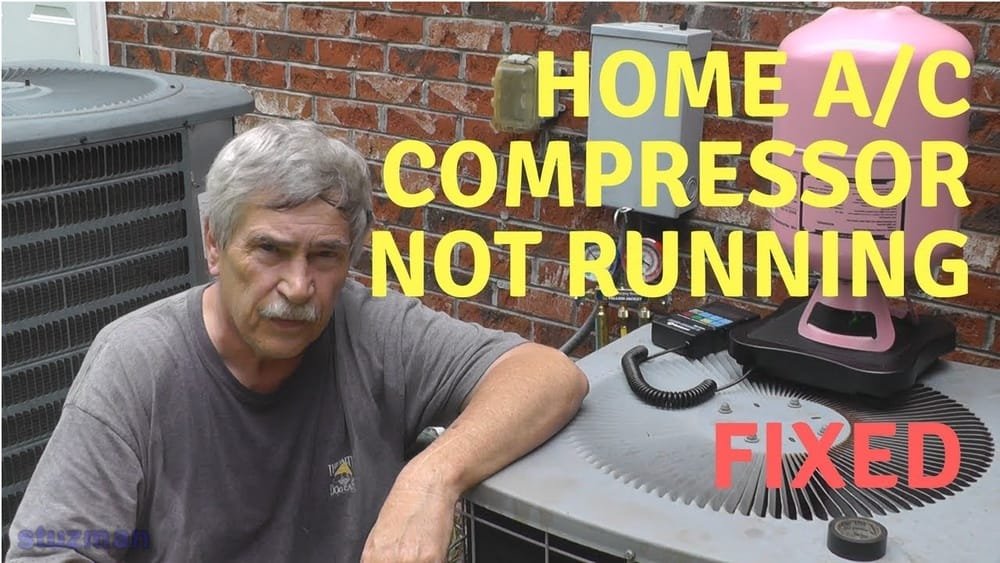
If your central air compressor is not turning on, it can make your home feel hot and uncomfortable fast. I’ve been there myself, sweating and worried, wondering what went wrong. Over the years, I’ve learned a lot about fixing this problem—and I want to share my experience with you. I’ll walk you through the most common causes, what to check, and the simple fixes you can try before calling a pro. I’ll keep things clear and easy to follow, just like I’d explain to a friend.
How A Central Air Compressor Works
First, let’s talk about what the compressor actually does. Think of it as the heart of your air conditioning system. The compressor pumps refrigerant through the system, which helps cool the air that blows into your rooms. If the compressor won’t start, the air can’t get cold.
When my compressor didn’t turn on, I realized it wasn’t just a small problem—my whole system stopped working. That’s why finding the real cause is so important.
Common Reasons Your Central Air Compressor Won’t Turn On
I’ve seen several reasons why a central air compressor stays silent. Some are simple, while others need expert help. Here’s what I’ve learned from my own experience:
- Power Problems
- Thermostat Issues
- Tripped Circuit Breaker or Blown Fuse
- Dirty Air Filter
- Clogged Condenser Coils
- Low Refrigerant
- Faulty Capacitor
- Broken Contactor
- Wiring Issues
- Failed Compressor
- High-Pressure Switch Triggered
- Blocked Drain Line
- Thermostat Placement
- Wrong Thermostat Settings
- Aging System
Let me break down each one and share what I’ve found works best.
1. Power Problems
This sounds basic, but you’d be surprised how often it happens. Sometimes the compressor isn’t getting power because the unit is unplugged or the power switch is off. Once, I spent 20 minutes checking everything before I noticed the outdoor switch was off!
- Make sure the outdoor disconnect box is on.
- Check the plug and make sure it’s secure.
2. Thermostat Issues
A broken thermostat won’t tell your system to start. I once set my thermostat too high by mistake and wondered why my AC wasn’t running. Make sure:
- The thermostat is set to “cool”
- The temperature is lower than the room’s current temperature
- Batteries are fresh (if your thermostat uses them)
3. Tripped Circuit Breaker Or Blown Fuse
If your breaker trips, your compressor won’t get power. This is a common safety feature. At my house, a lightning storm once tripped my breaker. Here’s what to do:
- Go to your breaker box and look for the AC breaker
- If it’s off, switch it back on
- If it trips again soon, call a technician
4. Dirty Air Filter
A clogged air filter can stop your system from working. When airflow is blocked, the compressor may overheat and shut down. I make it a habit to check my filter every month.
- Replace filters regularly (every 1-3 months)
- If it looks dirty, change it—even if it’s not time yet
5. Clogged Condenser Coils
Your outdoor unit has condenser coils that need to be clean. Dirt and leaves can block them, making the compressor work too hard. I once found a bird’s nest in mine!
- Clear away leaves, grass, and debris
- Hose off the coils gently (with the power off)
6. Low Refrigerant
If the refrigerant is low, the compressor might not start or could run poorly. This is a closed system, so leaks shouldn’t happen. If they do, you’ll need a pro.
- Signs: Hissing sounds, ice on the lines, or weak cooling
- Don’t add refrigerant yourself—call a certified technician
7. Faulty Capacitor
The capacitor helps the compressor and fan start up. If it fails, you might hear a clicking or buzzing, but nothing happens. I had a capacitor replaced once—my system worked again right away.
- Capacitors wear out after 5-10 years
- Only a pro should test or replace them
8. Broken Contactor
A contactor acts like a switch, turning the compressor on and off. If it’s stuck or burned out, nothing happens. I watched my technician swap this part in 20 minutes.
- Signs: Humming noise, but no compressor action
- Needs professional replacement
9. Wiring Issues
Loose or damaged wires can cut power to your compressor. I once found a wire chewed by mice! Always turn off power before checking wires.
- Look for disconnected or chewed wires (outdoor unit)
- If you see damage, call a technician
10. Failed Compressor
Compressors can wear out, especially in older systems. This is the worst-case scenario. When mine failed, the only fix was a replacement.
- Signs: Loud noises, breaker keeps tripping, or unit shakes
- Replacement is costly—sometimes it’s better to buy a new system
11. High-pressure Switch Triggered
If the system is too hot or blocked, a high-pressure switch shuts everything off. This is to prevent damage. I triggered mine once by letting bushes grow too close to the unit.
- Clear plants and debris away from the outdoor unit
- Reset the switch if your system has a button (read your manual)
12. Blocked Drain Line
Some AC units have a safety switch that shuts things down if the drain line is blocked. I had water pooling once, and after clearing the line, everything worked again.
- Look for water around the indoor unit
- Use a wet/dry vacuum to clear the drain
13. Thermostat Placement
If your thermostat is in a bad spot—like near a window or vent—it can confuse the system. Mine was near a sunny window, so the AC thought the house was warmer than it was.
- Move the thermostat to a central, shaded spot if possible
14. Wrong Thermostat Settings
This is easy to miss. Sometimes, someone changes the settings by accident.
- Double-check that it’s set to “cool” and not “fan” or “heat”
- Make sure there’s no timer or schedule preventing it from running
15. Aging System
If your AC is over 10-15 years old, problems are more likely. My first system made it 14 years before it started breaking down often.
- Older systems can lose efficiency and fail suddenly
- Sometimes, replacement is cheaper in the long run
What To Check First (step-by-step)
When my central air compressor didn’t turn on, I learned to start simple:
- Check the thermostat settings and batteries.
- Look at the circuit breaker.
- Confirm the outdoor switch is on.
- Listen for unusual noises or silence.
- Inspect the air filter and outdoor unit.
Here’s a quick guide to basic troubleshooting:
| Step | What to Do | What to Look For |
|---|---|---|
| 1 | Thermostat | Set to “cool,” batteries fresh |
| 2 | Circuit Breaker | Breaker on, not tripped |
| 3 | Outdoor Power | Disconnect box switch on |
| 4 | Air Filter | Clean or new filter |
| 5 | Outdoor Unit | Clear of debris, coils clean |
If you fix any of these, your compressor might start right away. If not, it’s time to dig deeper.
When To Call A Professional
Some issues are best left to experts. I learned this the hard way when I tried fixing a capacitor myself and made things worse! Here’s when you should call:
- If the breaker keeps tripping
- If you suspect a refrigerant leak
- If the compressor or capacitor is bad
- If you see damaged wires
- If you’re not comfortable with electrical work
A licensed technician has the tools and knowledge to fix things safely.
How Much Does It Cost To Fix?
Prices vary depending on the problem. Based on my experience and talking with technicians, here’s a rough idea:
| Problem | DIY Cost | Pro Cost |
|---|---|---|
| Replace air filter | $10-$30 | $50-$100 |
| Capacitor replacement | — | $120-$250 |
| Refrigerant leak fix | — | $200-$1,000 |
| Compressor replacement | — | $1,200-$2,500 |
| Thermostat replacement | $40-$150 | $100-$350 |
DIY can save money for small things like filters. For electrical or refrigerant problems, always hire a pro.
How To Prevent Future Problems
After fixing my system, I wanted to avoid more trouble. Here’s what worked for me:
- Change the filter every 1-3 months.
- Clean outdoor coils in spring and fall.
- Keep plants at least 2 feet away from the outdoor unit.
- Have yearly maintenance by a pro.
- Check wiring and connections for signs of wear.
These simple habits kept my system running smoothly and saved me money.

Non-obvious Insights Most People Miss
There are two things I wish I’d known sooner:
- A high electric bill can be a sign your compressor is struggling, even if it still works. Watch for sudden jumps in your energy use.
- If your system uses R-22 refrigerant (common in older units), repairs can be much more expensive, since it’s being phased out. Sometimes replacing the whole unit makes more sense.
Real-world Example
Last summer, my compressor wouldn’t start. I checked the thermostat, breaker, and filter. All fine. I called a technician, who found a dead capacitor. He replaced it in 20 minutes and the cool air was back. The lesson: sometimes the fix is small, but you need expert help to find it.
Frequently Asked Questions
What Should I Do First If My Central Air Compressor Won’t Turn On?
First, check your thermostat settings and batteries. Then look at your circuit breaker to see if it’s tripped. Make sure the outdoor unit’s switch is on. If everything looks normal, check your air filter and clear debris from the outdoor unit.
Can I Fix A Central Air Compressor Myself?
You can handle simple tasks like changing the air filter or resetting the breaker. For problems with the capacitor, compressor, or refrigerant, call a licensed technician. Working with electricity or refrigerant is dangerous if you’re not trained.
How Long Does A Central Air Compressor Last?
Most compressors last 10-15 years. Good maintenance can help them last longer. If your unit is older than 15 years, it may be time to consider replacement instead of repair.

Why Does My Circuit Breaker Keep Tripping When The Compressor Tries To Start?
A breaker can trip if the compressor is failing, the capacitor is bad, or there’s a wiring problem. This is a safety feature to prevent damage or fire. Don’t keep resetting the breaker—get a technician to check it.
Where Can I Learn More About Central Air Conditioning Systems?
For a deeper look at how central air conditioning works and more detailed troubleshooting, you can visit the Wikipedia page on air conditioning.
When your central air compressor won’t turn on, it can feel overwhelming. With these steps, you can often find the cause and get your cool air back. Don’t be afraid to ask for help when you need it. From my own experience, a little patience and the right steps can save you time, money, and a lot of sweat!

As an Amazon Associate, We earn from qualifying purchases