
I remember the first hot day my car’s air conditioning stopped working. I was stuck in traffic, sweat rolling down my back, and no cold air came out. That moment taught me how important a working car air con compressor is—especially in summer. If you’re reading this, maybe you’re dealing with the same problem right now. I’ve been there, tried fixes, talked with mechanics, and learned a lot. Let me share what I discovered about why the compressor fails, how to spot the signs, and what you can do before it gets worse.
What Does The Car Air Con Compressor Do?
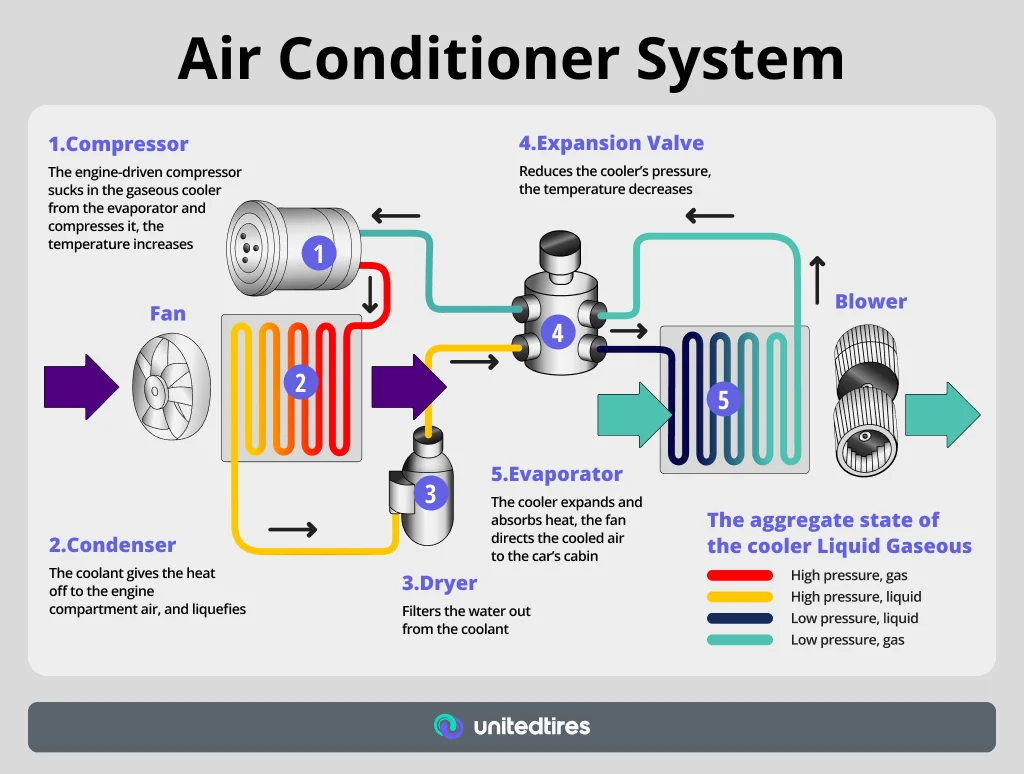
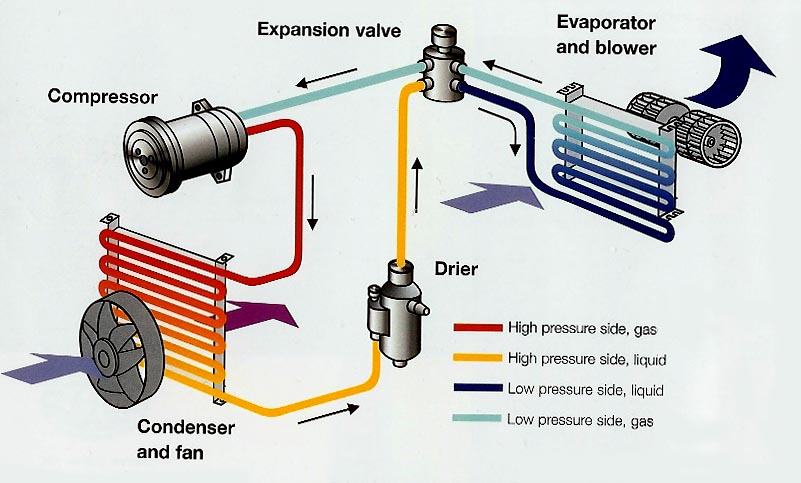
The air con compressor is like the heart of your car’s cooling system. It pumps refrigerant through the air conditioning system. This refrigerant absorbs heat from inside your car and pushes it outside. If the compressor stops, the whole system stops cooling. It’s that simple.
Think of the compressor as a mini engine. It works hard every time you turn on your AC. Without it, your AC is just blowing warm air. That’s why when it fails, you really notice.
Common Signs Your Car Air Con Compressor Is Not Working
From my experience, there are clear warning signs when the compressor is not doing its job. Here are the most common ones:
- No cold air. The AC only blows warm or hot air.
- Loud noises. You might hear rattling, grinding, or squealing when you turn on the AC.
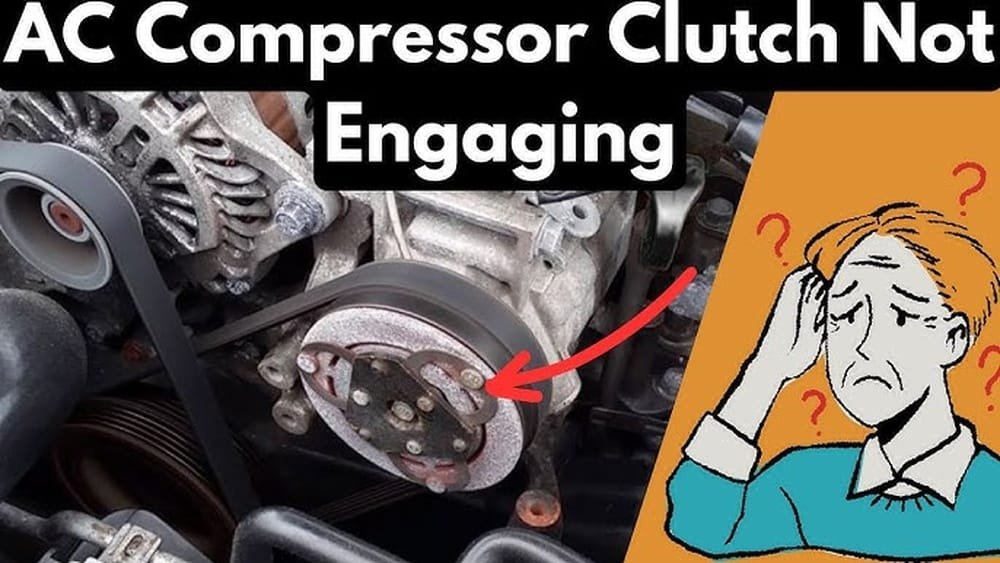
- Compressor clutch not moving. When you look under the hood, the front part of the compressor (the clutch) doesn’t spin.
- Leaking refrigerant. Sometimes, you’ll see oily spots or puddles under your car.
- Burning smell. A failing compressor might give off a burnt or rubbery smell.
You might not get all these signs at once. When my compressor failed, it started with weak cooling, then strange noises, and finally, it stopped working.
Why Does A Car Air Con Compressor Stop Working?
Through my own repairs and talks with mechanics, I found several reasons why compressors break. Here are the main causes, based on real experience and what experts told me:
1. Loss Of Refrigerant
The system needs a certain amount of refrigerant (the cooling gas). If there’s a leak, pressure drops, and the compressor can’t work. My car once developed a tiny leak in a hose. The AC got weaker over time, then stopped cooling. Topping up refrigerant helped for a while, but the problem came back until I fixed the leak.
2. Electrical Problems
The compressor needs power to run. If a fuse blows or a relay fails, the compressor won’t start. I once spent hours thinking my compressor was dead, but it was just a cheap fuse. Always check fuses and relays first.
It’s a simple fix and much cheaper than a new compressor.
3. Faulty Clutch
The compressor clutch connects and disconnects the compressor from the engine. If it fails, the compressor won’t turn. Sometimes, you can replace just the clutch, but often, you need a new compressor.
4. Contamination Inside The System
Dirt, metal shavings, or moisture can get inside the AC system. This can jam or damage the compressor. I once opened a failed compressor and saw black sludge inside. The mechanic said moisture got in when a hose was replaced and not sealed well.
5. Mechanical Wear And Tear
Over time, the compressor’s moving parts wear out. Bearings, pistons, and valves can fail. If your car is older or the AC runs a lot, this is common. Usually, you’ll hear strange noises before total failure.
6. Overheating
If the compressor gets too hot, it can seize up. This might happen if airflow is blocked or the system is overworked. I noticed this once after a long drive in hot weather with the AC on full blast.
7. Wrong Oil Or Low Lubricant
Compressors need special oil to work smoothly. Too little oil, or the wrong type, causes friction and failure. I learned this the hard way after a cheap AC refill shop used the wrong oil.
Here’s a quick comparison of common causes and how hard they are to fix:
| Cause | Easy to Fix? | DIY or Mechanic? |
|---|---|---|
| Low refrigerant | Yes (if just refill) | DIY possible |
| Blown fuse | Very easy | DIY |
| Faulty clutch | No | Mechanic |
| Contamination | No | Mechanic |
| Wear and tear | No | Mechanic |
How I Diagnosed My Car Air Con Compressor Problem
Let me walk you through what I did when my AC stopped working. Maybe it will help you avoid mistakes I made.
Step 1: Check For Cold Air
First, I turned on the AC and set it to the coldest setting. Nothing but warm air came out, no matter how long I waited. That was my first clue.
Step 2: Listen For Noises
With the hood open, I listened while someone turned the AC on and off. I heard a loud clicking, then a grinding noise. That told me the compressor was trying to run but struggling.
Step 3: Watch The Compressor Clutch
The front of the compressor (the clutch) should spin when the AC is on. Mine didn’t move. Sometimes, a gentle tap can free a stuck clutch, but that’s a short-term fix.
Step 4: Inspect Fuses And Relays
I checked the fuse box. One of the AC fuses was blown. I replaced it, and the AC worked for a short time, then the fuse blew again. That meant there was a deeper problem.
Step 5: Check For Leaks
I looked for oily spots under the car and around AC hoses. I found a small wet patch on a hose near the compressor. That was the refrigerant leaking.
Step 6: Get A Professional Diagnosis
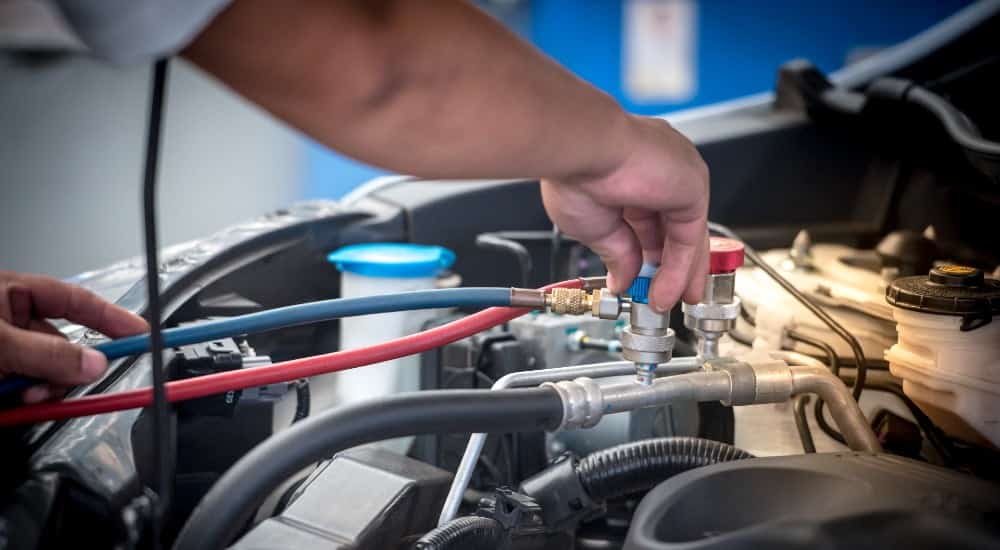
Finally, I took the car to a trusted mechanic. They used special tools to check pressure, refrigerant level, and electrical signals. They confirmed the compressor was failing and leaking.
What To Do If Your Car Air Con Compressor Is Not Working
Dealing with a dead compressor can be stressful. Here’s what I recommend based on my own ups and downs:
1. Don’t Ignore The Problem
A weak or noisy compressor usually gets worse, not better. If you ignore it, you might end up with a more expensive repair, like replacing the whole AC system.
2. Try Simple Checks First
Check fuses, relays, and wiring. Sometimes, it’s a quick fix.
3. Look For Leaks
If you see oily spots or hear hissing, you may have a leak. Don’t just refill refrigerant without fixing leaks, or you’ll waste money.
4. Avoid Using The Ac
If the compressor is noisy or weak, turn it off. Running it can spread metal shavings or damage other parts.
5. Get A Professional Opinion
If you’re not sure, have a mechanic check it. They have tools to test pressure and find leaks. I learned that guessing can lead to bigger mistakes.
6. Compare Repair Costs
AC compressor repair can be expensive. Here’s how prices compared when I shopped around:
| Repair Option | Estimated Cost (USD) | Warranty? |
|---|---|---|
| Compressor replacement (OEM part) | 600-1200 | Yes (1-2 years) |
| Compressor replacement (aftermarket) | 350-700 | Yes (6-12 months) |
| Compressor clutch only | 150-300 | No/Maybe |
| Leak repair + refill | 120-300 | No/Maybe |
7. Choose Quality Parts
I once tried a cheap aftermarket compressor. It failed within months. After that, I spent extra for a good-quality part. Sometimes, you really get what you pay for.
8. Flush The Ac System
If the compressor fails badly, have the shop flush the whole AC system. This removes any metal bits or debris. Skipping this step can ruin the new compressor.
9. Ask About Warranty
Always ask if repairs or parts come with a warranty. It can save you money if there’s a problem later.
Can You Fix A Car Air Con Compressor Yourself?
If you like fixing cars, you might wonder if you can replace the compressor at home. Here’s what I learned:
- Replacing the compressor is possible if you have tools and patience.
- You need to remove refrigerant first. This should be done at a shop, as it’s illegal to vent it into the air.
- The system must be vacuumed before refilling. This removes moisture and air.
- If you miss steps or use the wrong oil, the new compressor might fail.
I tried a DIY fix once. I saved on labor but spent extra time and had to visit a shop for refrigerant work. If you’re not confident, I’d say let a pro handle it.
How To Prevent Compressor Failure
After replacing my compressor, I wanted to avoid future problems. Here’s what worked for me:
- Run the AC once a week. Even in winter, run the AC for a few minutes. This keeps seals lubricated.
- Fix leaks fast. If you notice weak cooling, don’t delay.
- Get regular AC checks. A quick look during oil changes can catch issues early.
- Use the right refrigerant and oil. Always follow your car’s manual.
- Don’t overload the system. Avoid running the AC on max all the time, especially in extreme heat.
Here’s a comparison of what helps most for compressor life:
| Prevention Tip | Effectiveness | Effort |
|---|---|---|
| Weekly AC use | High | Low |
| Fix leaks early | High | Medium |
| Regular checks | Medium | Low |
| Correct oil/refrigerant | High | Medium |
Real-world Lessons I Learned
One thing I realized is that a failing compressor is often a symptom, not just the problem. For example, leaks, bad wiring, or low refrigerant often lead to compressor failure. If you fix only the compressor and skip the root cause, you’ll be back in the shop soon.
Also, I learned not to trust quick-fix AC recharge cans from auto stores. They might help for a week, but they don’t fix leaks or deeper problems. In my case, they actually made things worse by overfilling the system.
If you want reliable cold air in summer, it’s worth doing the job right the first time.
When To Replace Vs. When To Repair
If the compressor is making noise, leaking, or not engaging, replacement is usually best. If it’s just a loose wire or small leak, repair might work.
I once tried to repair a compressor clutch, but after a few weeks, it failed again. Since then, I choose replacement for peace of mind.
You can learn more about AC systems and compressor details from the Wikipedia Automobile Air Conditioning page.
Frequently Asked Questions
Why Is My Car Ac Running But Not Blowing Cold Air?
Usually, this means the compressor isn’t working, or you have low refrigerant. Other causes can be a clogged filter or a broken fan.
How Long Does A Car Air Con Compressor Last?
Most last 8-10 years if the system is maintained. Bad leaks or neglect can shorten its life.
Can I Drive With A Bad Air Con Compressor?
Yes, but it’s not comfortable. If the compressor is seized, it can affect other engine parts. I suggest fixing it soon.
What Does A New Car Air Con Compressor Cost?
It depends on your car. Expect $350 to $1200 for the part and labor. Aftermarket parts are cheaper but may not last as long.
Are Cheap Ac Recharge Cans Safe?
They can work as a short-term fix, but they don’t solve leaks or mechanical problems. Overfilling can damage the system.
If your car air con compressor is not working, I know how frustrating it feels. With some detective work and smart choices, you can get your cool air back and avoid future trouble. Stay cool and safe on the road!
As an Amazon Associate, We earn from qualifying purchases