
Can You Spot Weld Aluminum? My Experience and What You Need to Know
For years, I thought spot welding was only for steel. The first time I tried to spot weld aluminum, I realized it’s a whole different game. If you’re wondering whether you can spot weld aluminum, let me take you through what I learned—the easy way and the hard way.
Why People Want To Spot Weld Aluminum
Aluminum is everywhere. It’s in cars, bikes, airplanes, and even kitchen gadgets. It’s strong, light, and doesn’t rust like steel. But joining pieces of aluminum can be tricky. Welding is one option, and spot welding seems simple—just press two sheets together, hit them with a burst of electricity, and they’re fused.
That’s how it works for steel, anyway.
I wanted to spot weld aluminum for a car project. I had some thin sheets, and I thought, “If steel works, why not aluminum? ” Turns out, there’s a lot to know before you start.
What Is Spot Welding?
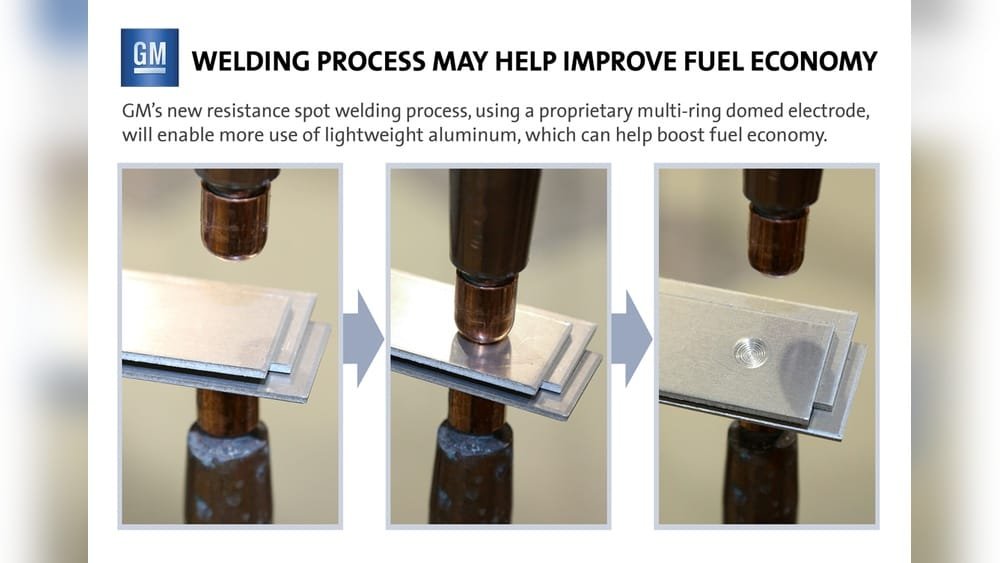
Spot welding uses electric current and pressure to join two metal sheets at certain points. You put the sheets between two copper electrodes. When you press the button, current flows, heats the metal, and melts it just in that spot. In a second or two, the metals fuse and cool.
For steel, it’s almost magical. You get a strong bond with little effort. But aluminum makes things more complicated.
Is Spot Welding Aluminum Possible?
Here’s the short answer: Yes, you can spot weld aluminum. But it’s much harder than with steel. I learned this firsthand.
The main problems come from the way aluminum behaves:
- Higher conductivity: Aluminum lets electricity and heat flow fast. This means it cools down quickly, sometimes before the weld can form.
- Oxide layer: Aluminum always has a thin layer of oxide on its surface. This oxide melts at a higher temperature than aluminum itself. The layer blocks the electric current and makes welding harder.
I didn’t know these things at first. My first attempts failed. The sheets didn’t stick or burned through. I had to change my approach.
What Makes Aluminum Harder To Spot Weld?
Let me break down the main challenges I faced:
- Aluminum’s oxide layer: This invisible film is tough. It’s like a shield that blocks the weld. Scrubbing it off helps, but it forms again quickly.
- Fast heat loss: Aluminum spreads heat fast, so you need more power for a shorter time.
- Electrodes wear out: Aluminum is softer than steel. The copper electrodes get dirty and lose their shape quickly.
When I first tried, I used settings that worked for steel. The results were weak joints or no weld at all.

How I Made Spot Welding Aluminum Work
After some failed tries, I learned a lot. Here’s what actually worked for me:
1. Clean The Surfaces
This is huge. Aluminum’s oxide layer keeps growing, even in air. Before welding, I always used a stainless steel brush to scrub the area. Sometimes, I used a bit of acetone to remove oils.
2. Set The Right Welding Parameters
You need more current than for steel. I had to turn up the power on my spot welder—sometimes double or triple what I used for steel of the same thickness. But I also had to shorten the weld time, or the aluminum just melted away.
3. Use The Right Electrodes
For aluminum, I switched to dome-shaped electrodes made of high-quality copper. These spread the heat better and last longer. I also had to clean and reshape the electrodes often. Sometimes after just 10–20 welds.
4. Adjust Pressure
I found that using higher pressure helped. Too little pressure, and the weld didn’t form. Too much, and I crushed or marked the aluminum.
5. Test And Check Welds
Not every weld looks good on the outside. I always did a “peel test”—trying to pull the sheets apart. If the weld held and tore the metal, it was strong enough.
Comparing Steel And Aluminum Spot Welding
Here’s a quick look at how spot welding aluminum is different from spot welding steel. This is based on what I found in my own shop.
| Factor | Steel | Aluminum |
|---|---|---|
| Weld Current | Low to moderate | High (2–3× steel) |
| Weld Time | Longer (1–2 sec) | Short (0.1–0.3 sec) |
| Surface Prep | Minimal | Essential |
| Electrode Life | Long | Short (needs frequent cleaning) |
| Quality Control | Easy | Needs careful testing |

What Kind Of Spot Welder Do You Need?
Not all spot welders can handle aluminum. Here’s what I found works best:
- High-power resistance spot welders: Look for welders with adjustable current and weld time. Some even have special settings for aluminum.
- Good cooling system: Aluminum welding heats up the electrodes fast. Water-cooled electrodes last much longer.
- Dome or flat electrodes: These give better results than pointed ones.
For small jobs, I used a portable spot welder. For bigger panels, I tried a bench-top model. The bench-top gave me more control and better welds.
Common Mistakes When Spot Welding Aluminum
I made plenty of mistakes before I got good results. Here are the most common ones:
- Not cleaning the surface: Skipping this step means weak or failed welds every time.
- Using wrong settings: If you use steel settings, you’ll almost always fail.
- Ignoring electrode care: Dirty electrodes give poor welds. I now clean them often.
- Not testing welds: Sometimes the weld looks fine, but it’s weak inside.
- Using thin or painted aluminum: Paint or coating blocks the weld. Always strip it off first.

When Should You Spot Weld Aluminum?
Not every project is right for spot welding. Here’s when I found it worked best:
- Joining thin sheets (under 3 mm): Spot welding works well for car panels, HVAC ducts, and appliance covers.
- Quick production: If you need lots of fast, repeatable welds, spot welding is great.
- When appearance matters: Spot welds are small and neat if done right.
But if you need to weld thick parts or odd shapes, or if you need a super-strong joint, other methods might be better.
Alternatives To Spot Welding Aluminum
Spot welding is not always the best choice. Here are some other methods I’ve tried:
| Welding Method | Best For | Notes |
|---|---|---|
| TIG Welding | Strong, precise welds | Slower, needs skill |
| MIG Welding | Thicker aluminum | Faster, but messier |
| Riveting | Non-weldable alloys | No heat needed |
| Adhesives | Light loads | Easy, no heat, but weaker |
Sometimes, I combine spot welding with other methods for best results.
How To Get Reliable Spot Welds On Aluminum: My Step-by-step Guide
If you want to try this yourself, here’s what I do:
- Prep the sheets: Scrub both sides with a stainless brush. Wipe with acetone.
- Set up the welder: Use high current, short time. Start low and test.
- Check the electrodes: Make sure they’re clean and shaped right.
- Clamp the sheets: Use good pressure, but don’t crush them.
- Weld and test: Make a weld, then do a peel test. Adjust if needed.
- Repeat and check: Clean electrodes every 10–20 welds. Keep checking weld strength.
What Surprised Me About Spot Welding Aluminum
There are a few things I didn’t expect:
- Small changes matter: Just a little oil or dirt can ruin a weld. Cleanliness is more important than with steel.
- Electrodes wear out fast: I had to reshape them often. For big jobs, have spares ready.
- Welds can look perfect but be weak: Always test with real force, not just your eyes.
- Not all aluminum alloys weld the same: Some alloys are much harder to spot weld. The best ones are 1xxx, 3xxx, and 5xxx series.
Safety Tips For Spot Welding Aluminum
Spot welding is safer than some methods, but you should still:
- Wear gloves and eye protection: Sparks and hot metal can fly.
- Work in a ventilated area: Fumes can build up, especially if there’s oil or coating left.
- Keep water away from electricity: Water-cooled electrodes are safe, but keep the rest dry.
Industry Use: Where Spot Welded Aluminum Matters
You’ll find spot welded aluminum in many products:
- Car bodies: Many modern cars use aluminum panels spot welded for lightness.
- Aircraft parts: Spot welding is common for thin aluminum parts.
- Home appliances: Things like refrigerators and microwaves often use spot welded aluminum panels.
Major factories use high-tech welders, but the basics are the same as what I learned in my garage.
Is Spot Welding Aluminum Worth It?
After all my experience, I’d say: yes, but only if you’re willing to learn. If you need lots of fast, neat welds in thin aluminum, it’s a great method. But you’ll need the right equipment, lots of prep, and patience.
If you want a shortcut or have only a few welds to make, consider other methods. But for big jobs, spot welding is hard to beat.
If you want to dive deeper into the science, check out the Wikipedia article on spot welding.
Frequently Asked Questions
What Is The Best Thickness For Spot Welding Aluminum?
In my experience, spot welding works best for sheets between 0.5 mm and 3 mm thick. Thicker sheets need much higher power and might not weld well.
Can I Use A Regular Steel Spot Welder For Aluminum?
Most steel spot welders don’t have enough power or the right settings. You need a high-current welder with adjustable controls to spot weld aluminum well.
Why Do My Aluminum Welds Keep Failing?
The most common reasons are dirty surfaces, not enough current, or worn electrodes. Clean the sheets, use more power, and keep electrodes in good shape.
How Do I Check If My Spot Weld Is Strong?
I always do a peel test. Try to pull the sheets apart. If the metal tears and the weld holds, it’s strong. If the weld pops off clean, it’s weak.
Is Spot Welding Aluminum Safe For Beginners?
With some practice and basic safety steps, it’s safe. But be ready for trial and error. Wear gloves, goggles, and work in a clean space.
Spot welding aluminum taught me a lot. If you’re up for a challenge and want fast, clean joints, give it a try—but don’t skip the prep or the tests. With patience, you’ll get strong, reliable welds.
As an Amazon Associate, We earn from qualifying purchases