
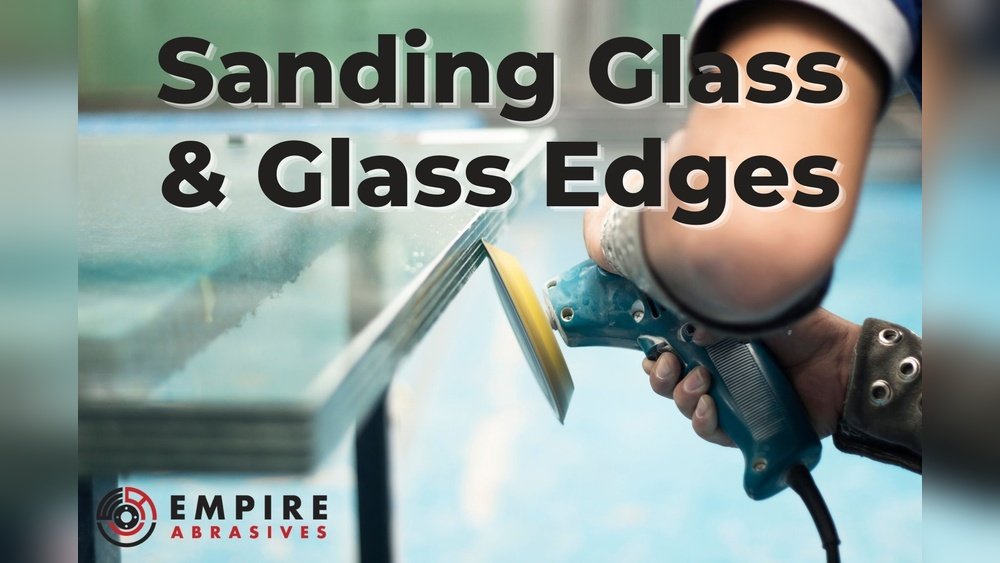
Can You Sand Tempered Glass Edges?
If you’ve ever handled tempered glass, you know it’s strong but can be sharp at the edges. I remember the first time I picked up a piece of cut tempered glass for a DIY project. I wondered, “Can I sand these sharp edges down to make them safer?” I searched for answers but found a lot of confusing information. Now, after years of working with glass for home projects and talking to experts, I want to share what I’ve learned. If you’re thinking about sanding tempered glass edges, this article will tell you what you need to know—based on both facts and real hands-on experience.
What Is Tempered Glass And Why Does It Matter?
Tempered glass is not like regular glass. When I first started working with glass, I thought all glass was the same. But tempered glass is made by heating regular glass to a high temperature and then cooling it quickly. This makes it four to five times stronger than normal glass.
You’ll find it in things like shower doors, car windows, and phone screens.
Why is this important? Because the way it’s made affects how you can work with it. Regular glass can be cut or sanded before installation. But with tempered glass, things are different. Once it’s tempered, any attempt to cut or sand it can lead to trouble.
Why Would You Want To Sand Tempered Glass Edges?
The most common reason is safety. When I handled a raw piece, the edges felt sharp—almost like a razor. You might want to sand the edges to avoid cuts or to smooth out a chipped corner. In my own kitchen project, I needed to make a glass shelf less dangerous for my kids.
Sometimes, you also want the glass to look nicer. Smoothed edges can give a finished, high-quality look. In some cases, you might find a small chip and hope to sand it down so it won’t spread.

The Risks Of Sanding Tempered Glass Edges
Here’s the big thing I learned: Sanding tempered glass can be very risky. The strength of tempered glass comes from the special stress inside it. If you damage the surface, even a little, the glass can shatter into tiny pieces.
The first time I tried to sand a tempered glass edge, I used a fine sanding block. I was gentle, but after a few strokes, a crack appeared and the whole piece exploded into crumbs. I was shocked—and glad I had safety glasses on.
Let me explain why this happens. The surface of tempered glass is under compression, while the inside is under tension. If you scratch or grind the edge, you can release the tension. This can cause the whole pane to break apart instantly.
Here’s a quick table to compare the risk between regular glass and tempered glass when sanding edges:
| Glass Type | Can You Sand Edges Safely? | Main Risk |
|---|---|---|
| Regular Glass | Yes, before installation | Chipping, but rarely shatters |
| Tempered Glass | No, can shatter suddenly | Explosive breakage |
My First-hand Experience: What Happens If You Try
I want to be honest about what happened when I tried to sand a tempered glass edge. I had a small pane from a broken window. The edge was rough, so I thought I’d just smooth it out.
First, I used a fine diamond file, moving very lightly. At first, nothing happened, but after a few passes, I heard a tiny “pop. ” A long crack raced across the glass, and within seconds, it burst into hundreds of pieces.
It was a mess.
Another time, I tried using a wet sanding sponge to reduce friction and keep the glass cool. This time, the glass held together a bit longer, but small chips started to appear on the edge. I stopped right away, afraid it would shatter.
What I learned: Even gentle sanding can trigger breakage. The risk is always there. If you care about safety (and your wallet), it’s not worth it. I would never try it again without the right tools or training.
What Professionals Do
I talked to a few glass experts about this. They all gave me the same advice: Never try to sand or cut tempered glass after it’s been tempered. Any shaping should be done before the glass goes through the tempering process.
If you need smooth edges, you have two choices:
- Order the glass with polished or beveled edges from the factory.
- If you already have the glass, take it to a glass shop. They may be able to remove the temper and rework it, but this is rare and often not worth the cost.
Here’s a quick comparison of what you can do with regular versus tempered glass:
| Task | Regular Glass | Tempered Glass |
|---|---|---|
| Cutting | Possible | Not possible after tempering |
| Sanding/Grinding | Possible before installation | Very risky, usually not possible |
| Drilling | Possible with care | Can cause shattering |
Is There Ever A Safe Way To Sand Tempered Glass Edges?
After all my experiments and talking to pros, I can say: There is no truly safe way to sand the edges of tempered glass at home. Even if you use water, special sandpaper, or go very slowly, the risk is always there.
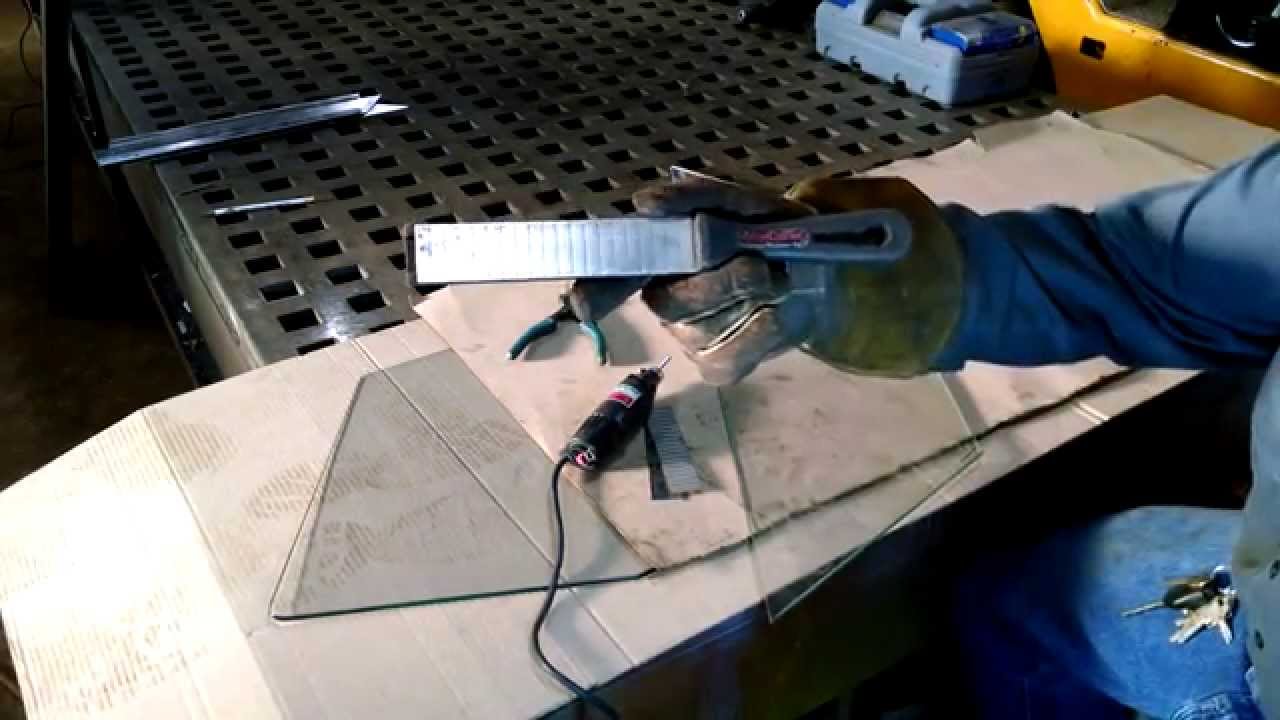
Some online videos show people using diamond pads or wet sanding methods. But these are rare cases or use special glass that may not be fully tempered. Don’t be fooled—just because you see it online doesn’t mean it’s safe.
If you absolutely must try, here’s what I did to reduce risk (but I still don’t recommend it):
- Wear full safety gear: Goggles, gloves, long sleeves.
- Work outside or in a safe area.
- Use water to keep the glass cool and reduce dust.
- Use a very fine diamond sanding pad.
- Apply almost no pressure—just let the pad touch the edge.
- Stop at the first sign of cracks or chips.
But even with all this, I still saw cracks form. It’s really not worth the danger.
Alternatives To Sanding: What You Should Do Instead
Here’s what I do now if I need safe, smooth edges on tempered glass:
- Order custom edges: When I buy tempered glass, I always ask for “seamed” or “polished” edges. Most glass shops can do this for a small extra fee.
- Use edge guards: For projects where I can’t change the glass, I use clear plastic or rubber edge protectors. These snap over the glass and make it safer.
- Replace the glass: If the edge is badly chipped, it’s safer to replace the whole piece. Once a chip appears, the glass is weaker and more likely to break.
Common Myths About Sanding Tempered Glass
I’ve heard lots of myths, both online and from friends. Let’s clear up some of the most common ones:
- “You can sand tempered glass if you’re gentle.”
- Not true. Even gentle sanding can shatter the glass.
- “Water makes sanding safe.”
- Water can help with dust, but it doesn’t stop the risk of breakage.
- “Small chips can be sanded out easily.”
- Small chips often get bigger when you try to sand them.
- “Tempered glass is unbreakable.”
- Tempered glass is strong, but it’s not unbreakable—especially at the edges.
Safety Tips If You Absolutely Must Try
If you decide to try sanding despite the risks, please remember these tips from my own hard lessons:
- Wear eye protection: Glass can shatter without warning.
- Use gloves: To avoid cuts from sharp pieces.
- Work slowly: Rushing increases the chance of breakage.
- Have a vacuum ready: Clean up any glass dust or shards quickly.
- Keep kids and pets away: Broken glass is dangerous for everyone.
When To Ask A Professional
There are times when you might really need a smooth edge, like for a custom project or repair. In those cases, I always call a professional glass shop. They have the right machines and safety gear. They can usually tell you if the job is possible or if you need a new piece of glass.
Professional shops use special machines that keep the glass cool and grind it evenly. Even then, they only work on tempered glass before it’s tempered. If you already have tempered glass, they’ll usually say no.
How Tempered Glass Breaks: The Science
You might wonder, why does tempered glass shatter so suddenly? Here’s what I learned from talking to a glass engineer:
Tempered glass is made by heating it and then cooling it fast. This puts the surface into compression and the inside into tension. If you scratch or chip the edge, the tension is released. The glass breaks into small, blunt pieces instead of sharp shards.
This is safer, but it means you can’t work on it after it’s tempered.
Here’s a quick look at how tempered glass compares to regular glass:
| Feature | Tempered Glass | Regular Glass |
|---|---|---|
| Strength | 4-5x stronger | Standard |
| Break Pattern | Tiny blunt pieces | Large sharp shards |
| Edge Work | Not possible after tempering | Possible before and after |
Real-world Examples
Let me share two stories:
- A friend of mine tried to sand a small chip out of a tempered glass table. He used a nail file and ended up with the whole tabletop in pieces—right on his living room rug. It was a scary mess.
- I once ordered a tempered glass shelf with seamed edges. It cost only $15 more, but it arrived smooth and safe, with no risk of breakage.
These examples taught me: It’s better to pay a little more for safety than to risk breaking the whole piece.
Resources For More Information
If you want to dive deeper into the science of glass tempering, I recommend checking out the Wikipedia page on tempered glass. It has diagrams and more details about why tempered glass acts the way it does.
Frequently Asked Questions
Why Does Tempered Glass Shatter When Sanded?
Sanding the edge damages the surface tension. This releases the stress that makes the glass strong, causing it to shatter into small pieces.
Can You Use A Dremel Or Power Tool To Sand Tempered Glass?
No. Power tools make things worse by creating heat and vibration, which almost always cause breakage.
What Should I Do If My Tempered Glass Edge Is Chipped?
If the chip is small, cover it with an edge protector. If it’s large, replace the glass. Trying to sand it will likely make the problem worse.
Are There Any Special Sanding Pads That Make It Safe?
No. Even the finest diamond pads cannot make sanding tempered glass safe after it’s been tempered.
Can Tempered Glass Edges Be Polished At The Factory?
Yes. You can order tempered glass with polished, beveled, or seamed edges from most suppliers. This is done before the glass is tempered.
If you’re working with tempered glass, my honest advice is: don’t try to sand the edges yourself. I’ve learned the hard way that it’s not worth the risk. Order the right edges from the start, or talk to a pro. Your safety—and your glass—are worth it.

As an Amazon Associate, We earn from qualifying purchases