
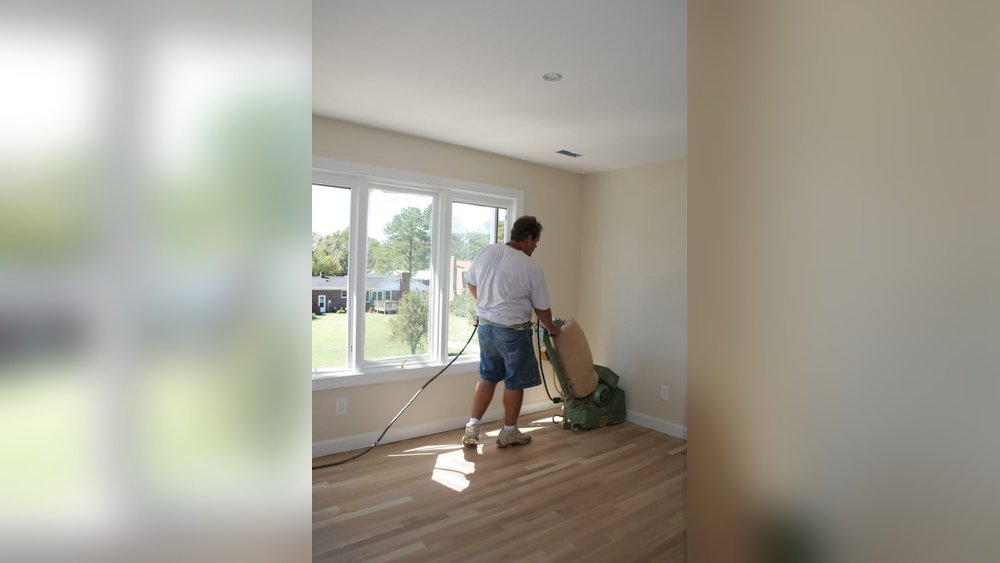
Can You Sand Bamboo Floors? My Personal Experience and Honest Advice
Bamboo floors always caught my eye. They look modern and clean. When I first installed bamboo flooring in my home, I loved how it brightened up my rooms. But I did wonder—what happens when bamboo floors get scratched, dull, or just look tired?
Can you sand bamboo floors like you sand wood floors?
If you’re thinking about this, you’re not alone. I spent days searching, reading, and even talking to flooring experts. And yes, I’ve tried sanding bamboo floors myself. Let me share everything I learned—what works, what doesn’t, and what I wish I knew before I started.
Is It Possible To Sand Bamboo Floors?
Let’s get straight to it: yes, you can sand bamboo floors, but there’s a big “it depends.” Not all bamboo floors are the same. Some are solid, some are engineered, and some are strand-woven. Each reacts differently to sanding.
When I first decided to refinish my bamboo floors, I assumed it would be just like sanding oak or maple. But after doing my homework, I realized bamboo is actually a type of grass, not hardwood. That explains why it behaves differently.
Types Of Bamboo Flooring And How They Affect Sanding
Understanding what kind of bamboo floor you have is key. Here’s what I found out, explained simply:
Solid Bamboo Flooring
This type is made from solid strips of bamboo pressed together. If your floor is solid bamboo, you’re in luck. You can usually sand it 2-3 times over its lifetime.
Strand-woven Bamboo
Strand-woven bamboo is made by shredding bamboo fibers, mixing them with resin, and pressing them under heat. These floors are very hard—sometimes even harder than oak. That’s great for durability, but it makes sanding more difficult.
Engineered Bamboo Flooring
Engineered bamboo has a thin bamboo layer on top of plywood. If you try to sand too much, you’ll sand right through the bamboo layer and expose the plywood. You can only sand these floors once, and sometimes not at all.
Here’s a quick comparison that helped me decide what to do:
| Floor Type | Sanding Possible? | How Many Times? |
|---|---|---|
| Solid Bamboo | Yes | 2-3 times |
| Strand-Woven | Yes, but hard | 1-2 times |
| Engineered Bamboo | Rarely | 0-1 time |
If you’re not sure what kind you have, check your paperwork or ask a professional before starting.

Why Would You Sand Bamboo Floors?
You might ask, “Why bother sanding at all?” Here are the main reasons I’ve found:
- Fix Scratches and Dents: Over time, pets, moving furniture, and shoes can leave marks. Sanding can remove most surface damage.
- Refresh the Look: Floors fade and dull with age. Sanding brings back their shine.
- Change the Color: You might want a new stain color. Sanding is the only way to remove old color and apply a new one.
I remember when my living room floor started looking dull and full of scratches. No amount of cleaning helped. Sanding made it look brand new, which was very satisfying.
Tools And Materials You’ll Need
Don’t let this part scare you. Sanding bamboo floors isn’t as mysterious as it sounds, but you do need the right tools. Here’s what I used:
- Drum sander (for large, open spaces)
- Edge sander (for corners and edges)
- Several grits of sandpaper (start coarse, finish fine)
- Vacuum and tack cloths (for cleaning dust)
- Floor finish (polyurethane or other)
- Safety gear (mask, goggles, ear protection)
If you don’t own these, you can rent them from most hardware stores. I found that using the right tools made a huge difference in how smooth the floor turned out.
Step-by-step: How I Sanded My Bamboo Floors
Let me walk you through what I actually did, step by step. If you’re a beginner, this process will help you avoid the mistakes I made.
1. Clear The Room And Clean
I moved all the furniture out and cleaned the floor thoroughly. Even small dirt or pebbles can cause scratches during sanding.
2. Check For Nails Or Staples
I looked for nails or staples sticking up. If the sander hits these, it can tear the sandpaper or even damage the machine.
3. Test A Small Area
Before doing the whole room, I sanded a small patch in a closet. This helped me see how the bamboo reacted and if the finish came off evenly.
4. Start Sanding With Coarse Grit
I used a drum sander with 36-grit sandpaper to remove the old finish and scratches. Always sand along the grain, not across it. Bamboo grain can be tricky, and going the wrong way can leave marks.
5. Work Through Finer Grits
After the first pass, I switched to 60-grit, then 100-grit sandpaper. Each pass made the floor smoother.
6. Edges And Corners
I used an edge sander for spots the drum sander couldn’t reach. Don’t skip this step—the edges are where dirt and wear show up most.
7. Vacuum And Wipe
There was a lot of dust, even with the sander’s vacuum. I vacuumed the floor and wiped it with a tack cloth to remove all dust.
8. Apply Finish
I put on two coats of water-based polyurethane. It dried quickly and didn’t smell too strong. I let it dry overnight before walking on it.
Here’s an overview of the sanding steps for quick reference:
| Step | Action | Tip |
|---|---|---|
| 1 | Clear and clean room | Remove everything |
| 2 | Check for nails | Protect your sander |
| 3 | Test area | Always do a patch test |
| 4 | Sand with coarse grit | Go with the grain |
| 5 | Switch to finer grits | Each pass gets smoother |
| 6 | Edge sanding | Don’t forget corners |
| 7 | Vacuum and wipe | Remove all dust |
| 8 | Apply finish | Let it dry fully |
Common Problems And Mistakes I Faced
I’ll be honest: sanding bamboo floors isn’t always smooth. I made a few mistakes, and here’s what I learned:
1. Sanding Too Deep
Bamboo is tough but thin. If you sand too much, you can go through the bamboo layer, especially with engineered bamboo. Always start gently.
2. Skipping Grits
I once jumped from coarse to very fine grit, thinking I’d save time. Big mistake. The floor looked uneven. Always move through each grit step by step.
3. Not Removing Dust
Any dust left on the floor will get trapped under the finish. It creates a rough, bumpy surface. I learned to vacuum between every sanding pass.
4. Using The Wrong Finish
Oil-based finishes can turn bamboo yellowish. Water-based finishes keep the natural look. I prefer water-based for bamboo.
5. Not Testing In A Hidden Spot
Some bamboo floors react strangely to sanding. The color can change, or the fibers can raise up. Testing in a closet or corner is a must.
How Long Does It Take?
Sanding a room took me about 1-2 days, including drying time for the finish. Larger rooms or tougher floors (like strand-woven) take longer. If you’re a beginner, give yourself extra time. Don’t rush—mistakes are hard to fix.
How Much Does It Cost?
If you do it yourself, you’ll need to rent or buy tools and buy sandpaper and finish. For my 200-square-foot room, the total cost was about $200. Hiring a pro can cost $3–$5 per square foot. Sometimes, it’s worth it to call a professional, especially if your floor is expensive or you’re not confident.
Is Sanding Always The Best Solution?
Sometimes, sanding isn’t the answer. If your bamboo floor is engineered with a very thin top layer, sanding may ruin it. In that case, it’s better to clean well and use a new finish made for floors. Also, if your floor has deep water damage or is warped, sanding won’t help.
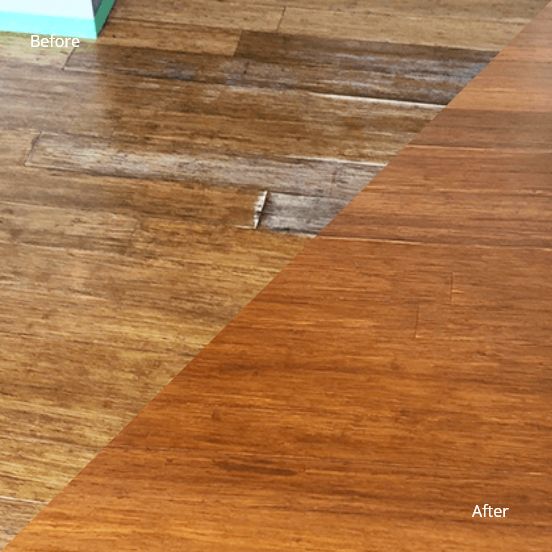
Real-life Results: Before And After
After sanding and finishing, my bamboo floor looked almost new. The old scratches and dull spots disappeared. My friends noticed right away and asked if I’d replaced the floor. That felt great!
But I also noticed that bamboo floors are not as forgiving as oak. If you make a deep scratch, it can be tough to hide. And, some finishes don’t stick well if there’s any dust left, so be extra careful with cleaning.
Here’s a quick look at how bamboo compares to other common floors for sanding:
| Floor Type | Ease of Sanding | Durability After Sanding |
|---|---|---|
| Oak | Easy | High |
| Maple | Medium | High |
| Bamboo | Medium to Hard | Medium |
| Engineered Bamboo | Hard (limited) | Low |
Tips For Keeping Bamboo Floors Looking Great
After all the hard work of sanding, I wanted to keep my floor looking good as long as possible. Here’s what I do:
- Use rugs in high-traffic areas.
- Clean with a microfiber mop—never soak bamboo floors with water.
- Put felt pads under furniture legs.
- Take shoes off at the door.
- Clean up spills right away.
These simple habits have helped me avoid big scratches and water stains.
Non-obvious Insights Most People Miss
Here are two things I wish someone told me before I started:
- Humidity matters a lot. Bamboo expands and contracts more than hardwood. If you sand during a humid season, the gaps and seams may change later.
- Not all finishes work well with bamboo. Some brands don’t bond properly. Always check if the finish is suitable for bamboo before buying.

When To Call A Professional
If you have a very expensive or unique bamboo floor, or if you see any signs of water damage or warping, I recommend hiring a pro. They have special tools and experience with tricky floors.
I once tried sanding a floor that had water damage, and the results were poor. The boards buckled even more. I learned the hard way that some problems need expert help.
Where To Learn More
If you want deep technical info about bamboo flooring, I found the Wikipedia entry on bamboo flooring very useful. It covers more about how bamboo is made and its properties.
Frequently Asked Questions
Can All Bamboo Floors Be Sanded?
No, not all bamboo floors can be sanded. Solid bamboo can be sanded 2–3 times. Strand-woven bamboo is very hard but can be sanded once or twice. Engineered bamboo usually has a thin top layer and can only be sanded once, if at all.
What Type Of Finish Is Best After Sanding Bamboo Floors?
I recommend water-based polyurethane. It dries fast, has less odor, and keeps the natural color of bamboo. Oil-based finishes can turn bamboo yellow over time.
How Much Dust Does Sanding Bamboo Floors Make?
A lot! Even with a sander’s vacuum, there will be fine dust everywhere. Seal off doorways, wear a mask, and vacuum between each sanding step.
How Long Should I Wait Before Walking On Newly Finished Bamboo Floors?
Wait at least 24 hours after the final coat of finish. For heavy furniture, wait 48–72 hours. Humidity and temperature can affect drying time.
Is It Worth Hiring A Professional To Sand Bamboo Floors?
If your floor is expensive, engineered, or you’re not confident, yes. Professionals have better tools and can avoid costly mistakes. But for a solid bamboo floor, it’s possible to get great results yourself if you’re careful.
Sanding bamboo floors can be a rewarding project. It’s a bit of work, but seeing your floors come back to life is worth it. I hope my experience helps you decide if sanding is right for your bamboo floors—and how to get the best results if you try it yourself.
As an Amazon Associate, We earn from qualifying purchases